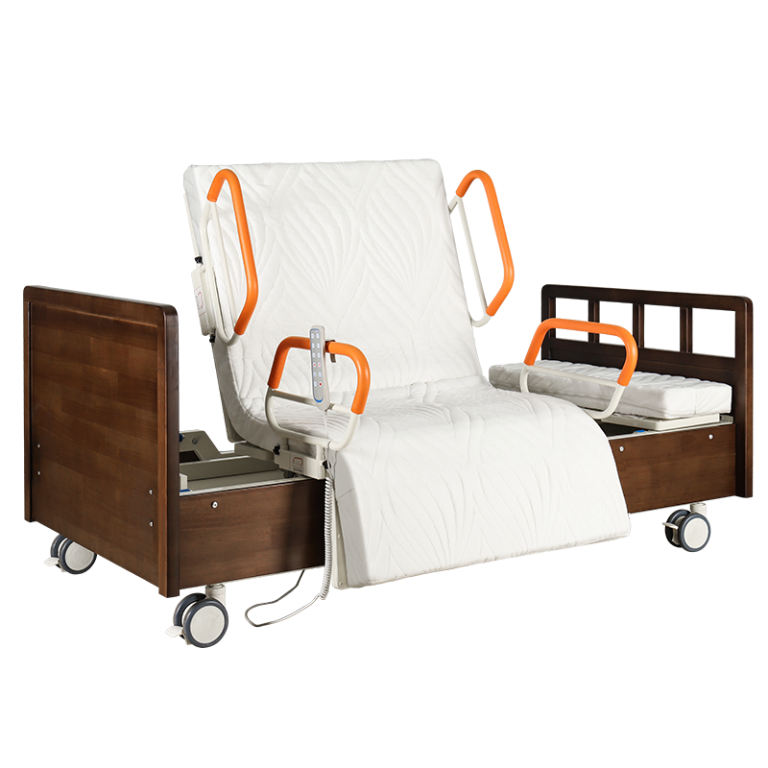
Nursing Home Bed Procurement: RFP Template and Evaluation Criteria | Feature Comparison
Nursing Home Bed Procurement: RFP Template and Evaluation Criteria
Procuring nursing home beds is one of the most critical capital expenditure decisions a healthcare facility faces. It directly impacts patient safety, caregiver ergonomics, and long-term operational costs. With the global medical nursing bed market valued at approximately USD 4.5 billion in 2024 and projected to grow at a CAGR of 8.5% through 2027, the variety of available options has expanded significantly [K3]. However, this growth brings complexity. Facilities must navigate a landscape ranging from basic manual models to IoT-enabled smart beds.
This guide provides a comprehensive framework for drafting a Request for Proposal (RFP) and establishing rigorous evaluation criteria. Whether you are managing a large hospital network or a specialized elderly care center, understanding the technical nuances of bed mechanics, clinical positioning, and regulatory compliance is essential for making an informed purchase.
Understanding the Core Product Categories
Before drafting an RFP, procurement teams must clearly define the type of beds required. The market is generally divided into manual and electric categories, each serving distinct budgetary and clinical needs.
Manual Nursing Beds
Manual nursing beds operate using a mechanical hand crank or摇杆 (rocker) mechanism to adjust the bed surface angles. They are characterized by their simplicity and lack of electrical components [K1]. In terms of cost, these beds are the most economical option, with industry examples in developing markets priced between $80 and $150 [K1].
While often perceived as outdated, manual beds still hold significant value in specific scenarios. They are the主力产品 (mainstream product) in regions with unstable power grids, such as parts of Africa and Southeast Asia [K1]. For budget-constrained facilities or areas where electricity is unreliable, a manual bed ensures that basic体位调节 (position adjustment) remains possible without dependency on power infrastructure. However, they require physical effort from caregivers to operate, which can lead to fatigue over long shifts.
Electric Nursing Beds
Electric nursing beds replace manual cranks with electric linear actuators. These motors allow for the adjustment of the backrest, knee section, and overall bed height via a remote control or wall panel [K2]. The core value proposition of an electric bed is the reduction of caregiver labor intensity by over 70%, as it eliminates the need for physical cranking [K6].
From a clinical perspective, electric beds are superior for patient comfort and safety. They facilitate precise positioning, which is crucial for preventing complications like pressure u
Structuring the RFP for Nursing Beds
A well-structured Request for Proposal (RFP) ensures that vendors understand your facility’s specific requirements and allows for an apples-to-apples comparison of bids. Your RFP should include the following sections:
1. Facility Context and Volume
Clearly state the total number of beds required and the specific environment (e.g., acute care wards, long-term elderly care, home healthcare). Mention if the procurement is part of a larger hospital equipment upgrade or a new facility build-out. This helps vendors determine if they can meet your delivery timeline and volume discounts.
2. Technical Specifications
Detail the mandatory technical parameters. Do not simply ask for “a hospital bed.” Specify:
- Functionality: Number of functions (e.g., 3-function vs. 5-function). Specify required movements such as backrest elevation, knee gatch, and Trendelenburg positions.
- Dimensions: Overall length, width, and height ranges to ensure compatibility with existing room layouts and elevator sizes.
- Weight Capacity: Define the maximum load. Standard beds often support 220kg, but bariatric needs may require higher capacities [K6].
- Motor System: Specify preferences for motor brands (e.g., LINAK, Dewert, or high-quality domestic alternatives) to ensure durability and quiet operation [K2].
3. Compliance and Certifications
Require proof of regulatory compliance. Depending on your region, this may include CE marking, ISO 13485 for medical device quality management, or FDA 510(k) clearance. Vendors must provide valid certificates for the specific models being proposed.
4. After-Sales Support and Warranty
Include requirements for warranty duration (typically 1-2 years for mechanical parts, longer for electronics), availability of spare parts, and response time for maintenance requests. For IoT-enabled beds, clarify who is responsible for software updates and connectivity support.
Evaluation Criteria and Scoring Matrix
Once proposals are received, use a weighted scoring matrix to evaluate vendors objectively. The following criteria are essential for a balanced assessment:
Technical Performance (40%)
Evaluate the bed’s mechanical reliability and feature set. Does the bed offer smooth, silent operation? Are the remote controls intuitive for elderly patients or cognitively impaired users? Check if the bed supports clinical positions like Fowler’s Position, which elevates the head and back 45-60° to improve respiratory comfort and reduce cardiac preload [K5].
Cost and Value (30%)
Look beyond the unit price. Consider the total cost of ownership, including
Compliance and Safety (20%)
Verify all certifications. Ensure the bed meets local safety standards regarding electrical leakage, structural stability, and side rail strength. Non-compliant equipment poses significant liability risks.
Vendor Reputation and Support (10%)
Assess the vendor’s track record. Do they have experience supplying similar facilities? Are they responsive during the bidding process? Established manufacturers like HJIM (Hengshui Chengen Medical Equipment Co., Ltd) often provide more reliable long-term support due to their scale and OEM manufacturing capabilities [K6].
Comparison of Bed Technologies
The following table summarizes the key differences between manual and electric nursing beds to aid in your decision-making process.
| Feature | Manual Nursing Bed | Standard Electric Bed | Smart/IoT Enabled Bed |
|---|---|---|---|
| Adjustment Mechanism | Hand crank / Mechanical摇杆 | Electric Linear Actuators | Electric Actuators + Sensors |
| Operational Effort | High (Caregiver physical effort) | Low (Button press) | Low (Button or Voice Control) |
| Typical Cost Range | $80 – $150 [K1] | $300 – $800+ | $1,000+ |
| Key Use Case | Power-unstable regions, low budget | Standard hospitals, elderly care | Remote monitoring, smart homes |
| Advanced Features | Basic position adjustment | Remote control, ABS headboard | IoT vitals monitoring, AI fall alarms [K4] |
| Example Model | Generic Manual Crank Bed | HJIM MD-A12 (3-Function) | Connected Care Bed Systems |
Emerging Technology Trends in Bed Procurement
As you finalize your RFP, consider incorporating specifications for emerging technologies that are reshaping patient care. The industry is moving towards smarter, more connected equipment [K4].
IoT Integration and Remote Monitoring
Modern beds are increasingly equipped with WiFi or 4G modules that allow for the remote monitoring of patient vitals, bed position, and weight. This data can be integrated into the facility’s Electronic Health Record (EHR) system, enabling real-time alerts for caregivers if a patient attempts to get out of bed unsafely.
Smart Anti-Fall Systems
Bed exit alarms are evolving from simple pressure sensors to AI-powered systems. These systems can reduce false positives by distinguishing between a patient shifting in bed and an actual attempt to exit, ensuring that staff are only alerted when necessary [K4].
Voice Control and Smart Home Integration
For facilities aiming to provide a home-like environment, beds with voice control integration (compatible with systems like Alexa or Google Home) offer enhanced independence for patients. This allows users to adjust their bed position without needing to locate a remote control [K4].
Predictive Maintenance
Sensor data from motors and actuators can be used for predictive maintenance. Instead of waiting for a bed to break, the system can alert the maintenance team when a motor shows signs of wear, preventing downtime and ensuring continuous patient care [K4].
Vendor Selection and Regulatory Standards
When selecting a vendor, prioritize those with a proven track record in medical device compliance. Look for manufacturers who adhere to ISO 13485 standards, which specify requirements for a quality management system for the design and production of medical devices. Additionally, ensure the equipment meets CE marking requirements for the European market or FDA regulations for the United States.
Consider manufacturers like HJIM (Hengshui Chengen Medical Equipment Co., Ltd), which offers a range of certified products suitable for various procurement needs. Their models, such as the MD-A12, demonstrate the industry standard for electric nursing beds with reliable motor systems and robust construction [K6]. When evaluating OEM manufacturing partners, ask about their capacity for customization, such as specific mattress compatibility or branding options.
Conclusion
Procuring nursing home beds requires a balance of clinical necessity, budgetary constraints, and future-proofing for technological advancements. By clearly defining your RFP requirements and using a structured evaluation matrix, you can select equipment that enhances patient outcomes and supports your caregiving staff. Whether you choose cost-effective manual beds for specific regions or invest in smart electric beds for advanced care units, the decision should always prioritize safety, comfort, and regulatory compliance. As the market continues to evolve with IoT and AI integration, staying informed about these trends will ensure your facility remains at the forefront of patient care.
Frequently Asked Questions
What is the standard weight capacity for modern electric nursing beds?
The standard weight capacity for most modern electric nursing beds is typically around 220kg. For example, the HJIM MD-A12 model specifies a maximum load of 220kg, which accommodates the majority of adult patients while maintaining structural integrity and safety [K6]. However, bariatric models with higher capacities are available for specialized needs.
What are the specific angle requirements for Fowler’s Position in bed specifications?
Fowler’s Position is a standard clinical position used to improve respiratory comfort and reduce cardiac preload. In bed specifications, this typically requires the ability to elevate the head and back to an angle between 45° and 60°, with the knees slightly bent to prevent sliding [K5]. When evaluating beds, ensure the backrest adjustment range covers at least 0-80° to fully accommodate this position and other therapeutic angles [K2].
Which motor brands are considered reliable for electric nursing beds?
When evaluating electric nursing beds, the brand of the linear actuators (motors) is a key indicator of quality and durability. Industry-standard motor brands include LINAK and Dewert, which are known for quiet operation and longevity [K2]. While domestic or local motor brands can be cost-effective, specifying reputable brands in your RFP ensures higher reliability and reduces the risk of mechanical failure.
What smart features should be considered for future-proofing a nursing facility?
To future-proof a facility, consider beds with IoT integration capabilities that allow for remote monitoring of patient vitals and bed position via WiFi or 4G [K4]. Additionally, smart anti-fall systems with AI-powered false positive reduction can enhance safety without overwhelming staff with false alarms. Voice control integration with smart home systems is also an emerging feature that improves patient independence [K4].
We recommend checking out HJIM nursing beds for reliable quality.