Electric Bed vs Manual Bed: Cost-Benefit Analysis for Care Facilities | Installation & Maintenance #2
Electric Bed vs Manual Bed: Cost-Benefit Analysis for Care Facilities
The global medical nursing bed market is valued at approximately USD 4.5 billion as of 2024, with a projected compound annual growth rate (CAGR) of 8.5% through 2027 [K1]. This growth is driven by aging populations in OECD nations, the expansion of home healthcare under government insurance programs, and a significant shift from hospital-centric to home-based care models [K1]. For procurement officers, facility managers, and healthcare investors, the fundamental decision remains consistent: should the facility invest in electric nursing beds or stick with manual nursing beds? This analysis explores the cost-benefit implications of both options, weighing initial capital expenditure against long-term operational efficiency, patient outcomes, and market trends.
Understanding the Core Technology and Functionality
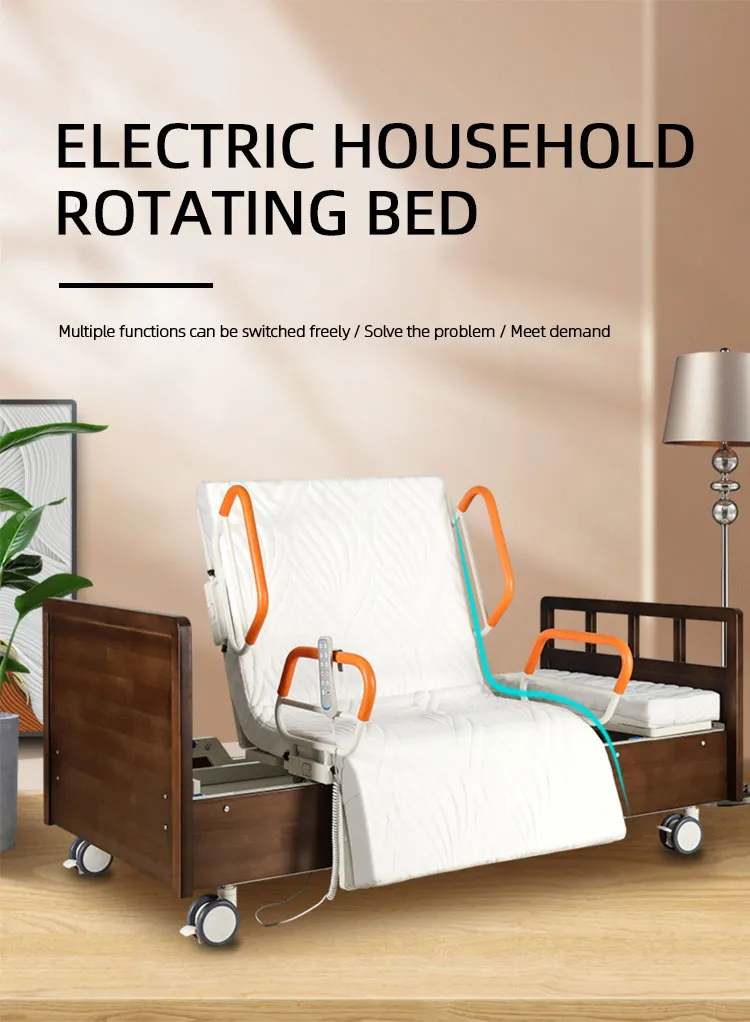
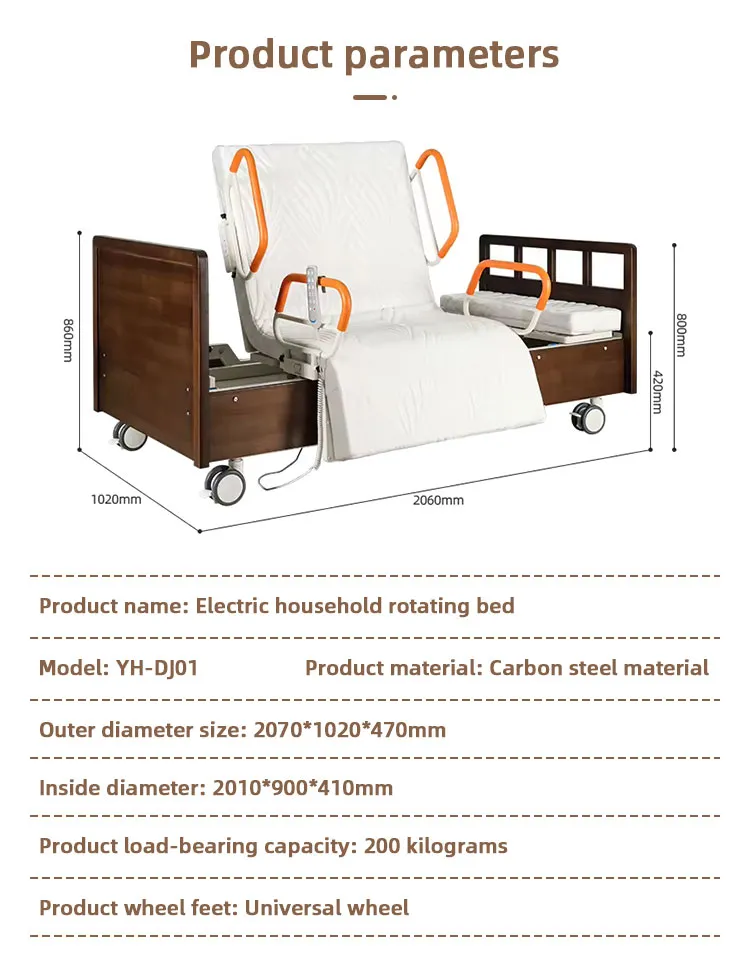
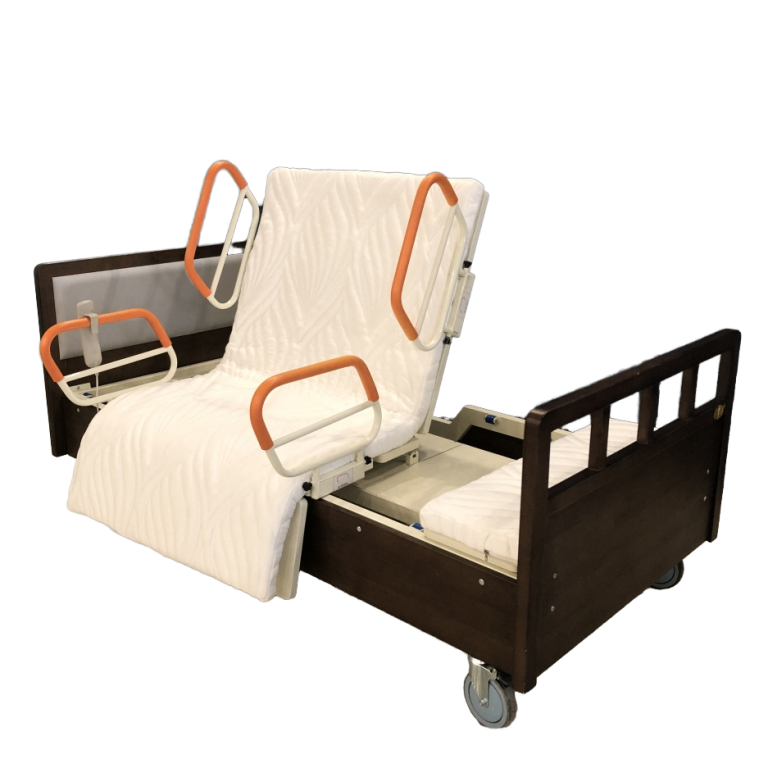
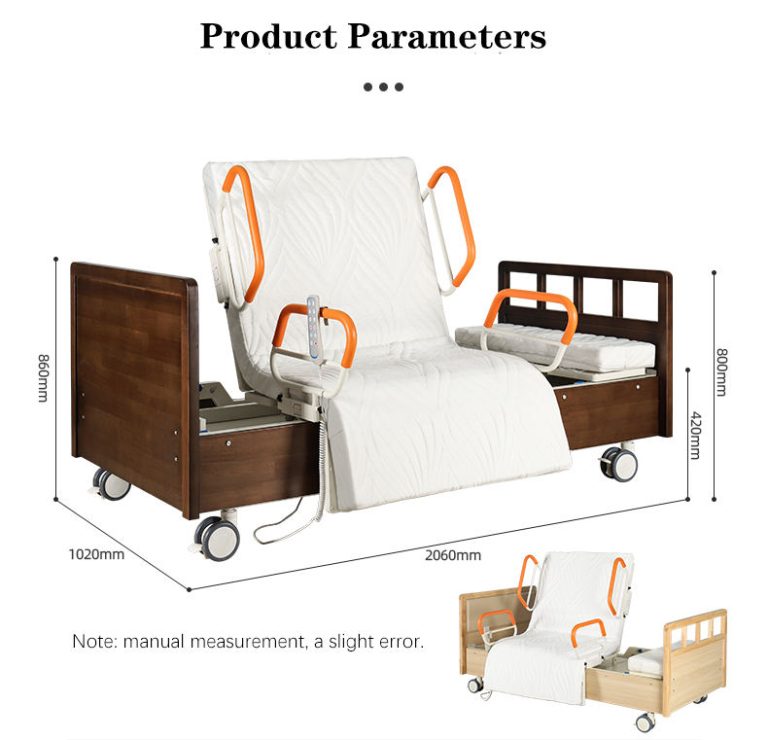
The distinction between electric and manual beds lies in the mechanism used to adjust the patient’s position. An electric nursing bed uses linear actuators, typically ranging from two to five motors, to provide adjustable positioning for patients with limited mobility [K1]. These beds allow for the adjustment of the backrest, knee break, and overall height via a remote control or side panel. For instance, the HJIM MD-A12 electric nursing bed offers three functions: backrest adjustment from 0 to 80 degrees, leg rest adjustment from 0 to 45 degrees, and overall height adjustment [K1]. This technology solves the core problem of patients who cannot move themselves but require position changes to prevent complications [K1].
In contrast, a manual nursing bed relies on a mechanical crank system. Caregivers must physically turn a hand crank to raise or lower the bed sections [K2]. While this requires no electricity and involves a simpler mechanical structure, it demands significant physical effort from the nursing staff [K2]. Manual beds are often the most economic choice in markets with budget constraints or unstable power infrastructure, such as certain regions in Africa and Southeast Asia [K2]. However, as the cost of electric components decreases, manual beds are increasingly being replaced in developed markets [K2].
Operational Efficiency and Caregiver Ergonomics
One of the most critical factors in care facility management is labor intensity. Nursing staff shortages are a global challenge, and reducing physical strain on caregivers is essential for retention and safety. Electric beds reduce labor intensity by over 70% compared to manual counterparts [K1]. With an electric bed, a caregiver can reposition a patient with the press of a button, eliminating the need for multiple staff members to manually lift or crank the bed [K1].
From an ergonomic perspective, manual beds pose a risk of musculoskeletal disorders among nursing staff due to the repetitive physical effort required to adjust bed heights and angles [K2]. In high-volume facilities, this cumulative strain can lead to increased absenteeism and higher workers’ compensation costs. Electric beds mitigate this risk by automating the heavy lifting. Furthermore, electric beds often feature ABS headboards and footboards that are impact-resistant, acid-resistant, and easy to clean, which streamlines the sanitation process between patients [K2]. The quick-release latch on ABS panels also ensures emergency access for CPR without the need for tools, enhancing overall operational readiness [K2].
Patient Outcomes and Clinical Benefits
The choice of bed directly impacts patient health outcomes. Electric nursing beds are designed to facilitate frequent position changes, which is crucial for preventing pressure u
Manual beds provide basic positioning capabilities, but the friction involved in manual adjustment often leads to less frequent position changes due to caregiver fatigue [K2]. In a clinical setting, this can translate to higher rates of complications. For homecare scenarios, where professional supervision is less frequent, the ease of use provided by electric beds empowers family caregivers to maintain proper patient positioning without professional assistance [K1]. This aligns with the broader industry trend of aging-in-place, supported by government subsidies in many regions [K2].
Total Cost of Ownership Analysis
When evaluating cost, procurement teams must look beyond the sticker price. Manual nursing beds are significantly cheaper upfront, with prices ranging from $80 to $150 in developing markets [K2]. This makes them attractive for budget-constrained facilities or regions where electricity is unreliable. However, the Total Cost of Ownership (TCO) includes labor, maintenance, and patient outcome costs.
Electric beds require a higher initial investment. However, the reduction in caregiver labor time translates to direct cost savings. If an electric bed saves 30 minutes of nursing time per patient per day, the cumulative wage savings over a year can offset the initial price difference. Additionally, electric beds often come with warranties and service networks that reduce long-term maintenance risks [K3]. In the competitive landscape, mid-tier Chinese manufacturers offering CE and FDA certifications provide a cost advantage while closing the certification gap with premium brands like Hill-Rom or Invacare [K3]. Premium tier brands command higher prices due to brand reputation and extensive service networks, while budget-tier unbranded OEMs engage in price wars with margins compressed below 8% [K3].
Market Trends and Regional Considerations
Market segmentation reveals distinct growth trajectories for each bed type. Hospital beds, particularly electric ones, are growing at a 6% CAGR, driven by ICU expansion and the integration of smart monitoring systems [K2]. Homecare beds are experiencing the highest growth at 18% CAGR, fueled by the silver economy and the shift toward home-based care [K2]. Conversely, manual beds in developing markets are growing at a slower 3% CAGR, constrained by budget limitations and infrastructure gaps [K2].
For facilities planning for the future, investing in electric beds aligns better with long-term industry trends. The integration of smart monitoring and the demand for higher patient comfort standards are pushing the market toward electrification. While manual beds retain a niche in specific geographic regions or for specific low-mobility use cases, the global trajectory favors electric solutions [K1]. Procurement strategies should account for the regulatory environment; medical device compliance, including ISO 13485 and CE marking, is increasingly mandatory for market access [K3].
Comparison of Electric and Manual Nursing Beds
The following table summarizes the key differences to aid in decision-making:
| Feature | Electric Nursing Bed | Manual Nursing Bed |
|---|---|---|
| Adjustment Mechanism | Electric linear actuators (2-5 motors) | Hand crank mechanical system |
| Operational Effort | Low (Remote control operation) | High (Physical cranking required) |
| Initial Cost | Higher (Mid to Premium tier) | Lower ($80-150 in developing markets) |
| Labor Impact | Reduces intensity by 70%+ | High physical strain on staff |
| Primary Market | Hospitals, Homecare, Developed Nations | Developing Regions, Budget Facilities |
| Market Growth (CAGR) | 6% (Hospital), 18% (Homecare) | 3% (Developing Markets) |
| Example Model | HJIM MD-A12 (3-function) | Standard Crank Bed |
Strategic Implications for Procurement
When sourcing nursing beds, facilities should prioritize suppliers who offer robust certification and after-sales support. HJIM (Hengshui Chengen Medical Equipment Co., Ltd), for example, provides models like the MD-A12 that meet international standards, offering a balance between cost and functionality [K1]. Procurement officers should verify motor brands (such as LINAK or Dewert) as these components dictate the longevity and noise level of the bed [K1].
Furthermore, the shift toward homecare requires beds that are not only functional but also aesthetically pleasing and easy for non-professional caregivers to operate. Electric beds with simple remote interfaces are better suited for this segment [K1]. For hospital environments, the integration capability with smart monitoring systems becomes a priority, favoring electric models with digital interfaces [K2]. Ultimately, the decision should be based on a holistic view of patient needs, staff capabilities, and financial sustainability over the asset’s lifecycle.
Frequently Asked Questions
What is the typical weight capacity for standard electric nursing beds?
Most standard electric nursing beds, such as the HJIM MD-A12 model, are designed to support a maximum load of 220kg [K1]. This capacity ensures safety for a wide range of patient sizes while maintaining structural integrity during height and angle adjustments. Procurement teams should verify the specific weight capacity of each model to ensure it meets the demographic needs of their patient population.
Are ABS headboards compatible with emergency CPR procedures?
Yes, ABS headboards are designed to be quick-release, allowing for immediate access during emergency CPR procedures [K2]. The material is blow-molded high-density plastic that is impact-resistant and acid-resistant, making it durable for clinical environments while ensuring that emergency access is not obstructed by heavy steel or wooden panels [K2].
What certifications should I look for when purchasing nursing beds from Chinese manufacturers?
When sourcing from mid-tier Chinese manufacturers, it is critical to verify CE and FDA certifications to ensure medical device compliance [K3]. While budget-tier OEMs may offer lower prices, they often lack these certifications, which can lead to regulatory issues in export markets. Ensuring ISO 13485 compliance is also recommended for quality management systems [K3].
How does the growth rate of homecare beds compare to hospital beds?
Homecare beds are experiencing a significantly higher growth rate of 18% CAGR compared to hospital beds, which are growing at 6% CAGR [K2]. This disparity is driven by the silver economy, government subsidies, and the global trend of aging-in-place, making homecare beds a strategic focus for manufacturers and investors alike [K2].
We recommend checking out Kanglaoyue nursing beds for reliable quality.