Electric Bed vs Manual Bed: Cost-Benefit Analysis for Care Facilities | Importer Selection Guide #11
Electric Bed vs Manual Bed: Cost-Benefit Analysis for Care Facilities
The global medical nursing bed market is valued at approximately USD 4.5 billion, with a projected compound annual growth rate of 8.5% through 2027. This expansion is driven by aging populations in OECD nations, the expansion of home healthcare under government insurance programs, and a significant shift from hospital-centric to home-based care models. For healthcare procurement officers and facility managers, the fundamental decision remains one of the most critical in capital expenditure planning: choosing between electric nursing beds and manual nursing beds.
While the upfront price difference is often the first metric reviewed, a sophisticated cost-benefit analysis must look deeper into operational efficiency, patient outcomes, and long-term maintenance. As the industry evolves, the distinction between these two categories is no longer just about comfort; it is about caregiver ergonomics, clinical safety, and the total cost of ownership over a 5-to-7-year lifecycle.
The Core Operational Difference: Labor Intensity and Patient Dignity
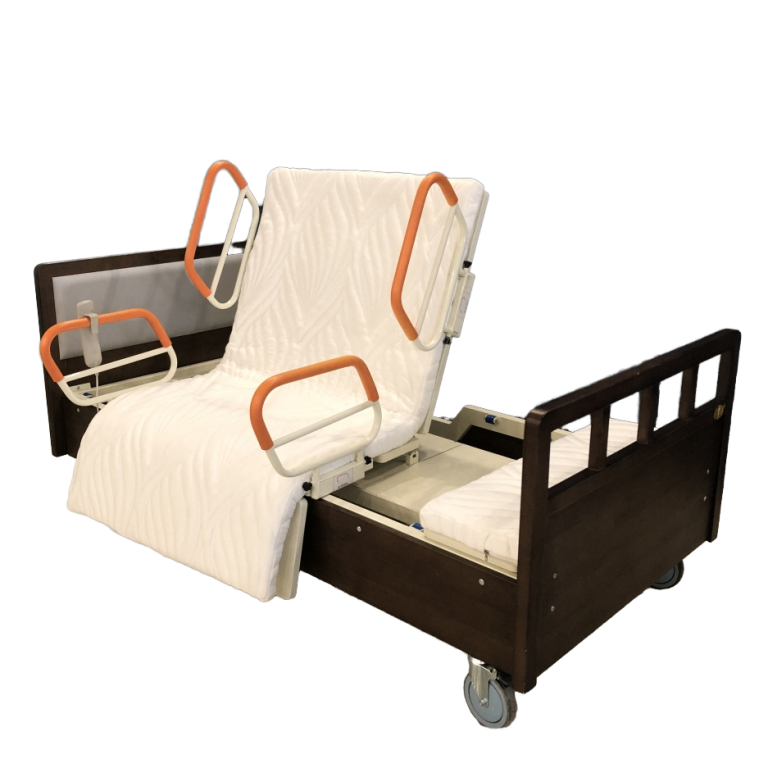
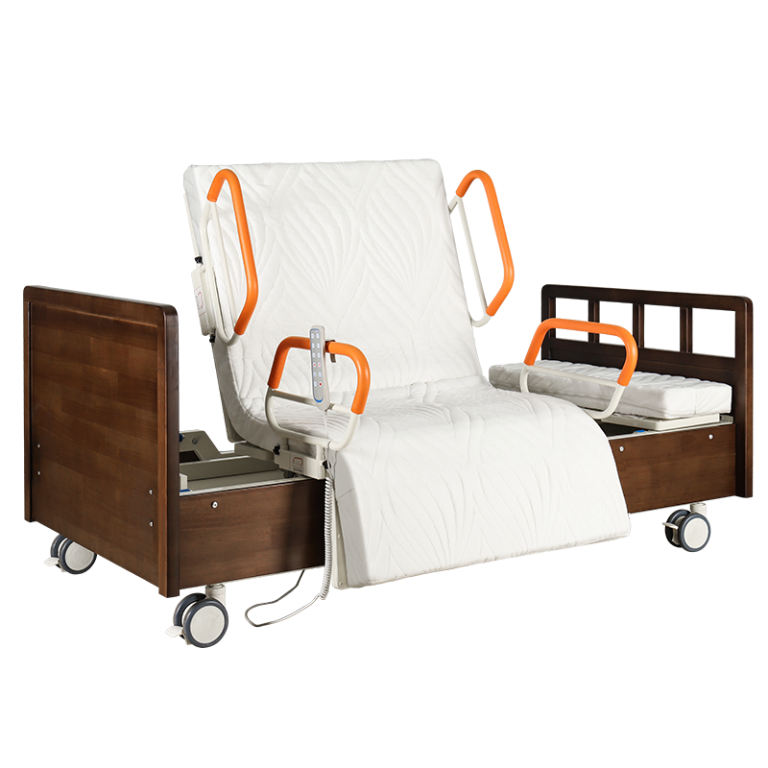
The primary divergence between electric and manual beds lies in the mechanism of adjustment and the physical burden placed on the care team. An electric nursing bed uses linear actuators, typically ranging from 2 to 5 motors, to provide adjustable positioning for patients with limited mobility. This system allows for the adjustment of the backrest, knee section, and overall height via a remote control or wall panel.
In contrast, a manual nursing bed relies on a mechanical crank or hand-crank mechanism to achieve similar positioning. While this provides basic functionality without the need for electricity, it requires significant physical effort from the caregiver. According to industry data, electric beds can reduce caregiver labor intensity by over 70% compared to their manual counterparts. This reduction is not merely a convenience; it is a critical factor in preventing musculoskeletal injuries among nursing staff, which is a leading cause of lost workdays in the healthcare sector.
From a patient perspective, the electric bed offers greater autonomy. A patient who retains some upper body strength may be able to operate a remote to sit up or adjust their legs, fostering a sense of independence that manual beds cannot provide. This psychological benefit is increasingly valued in modern elderly care and rehabilitation centers, where patient dignity is a core component of the care model.
Total Cost of Ownership: Beyond the Purchase Price
When evaluating the financial implications, procurement teams often focus on the initial invoice price. Manual beds are undeniably cheaper at the point of purchase. In developing markets such as parts of Africa and Southeast Asia, manual beds are the主力 products, with prices ranging from USD 80 to USD 150. For facilities operating under severe budget constraints or in regions with unstable power infrastructure, this low entry barrier makes manual beds the most economically viable option.
However, the Total Cost of Ownership (TCO) tells a different story. Electric beds, while commanding a higher initial price, offer significant savings in operational costs. The ability to quickly and precisely adjust the bed reduces the time required for nursing tasks such as changing linens, administering medication, or assisting with hygiene. Over a 5-year period, the cumulative savings in labor hours can offset the initial capital difference.
Furthermore, the clinical outcomes associated with electric beds can reduce long-term costs related to complications. Electric beds facilitate easier repositioning, which is essential for preventing pressure u
Market Segments and Growth Trajectories
The demand for these two types of beds varies significantly by region and care setting. The homecare bed segment is experiencing the most rapid growth, with an estimated CAGR of 18%. This surge is driven by the “silver economy,” government subsidies for aging-in-place, and the trend of shifting care from institutions to homes. In this segment, electric beds are becoming the standard, as family caregivers often lack the physical strength to operate manual cranks.
Hospital beds, particularly those used in ICUs and specialized wards, are growing at a steady 6% CAGR. The drivers here include ICU expansion and the integration of smart monitoring systems, which are more easily compatible with electric bed frames. Conversely, the manual bed market in developing regions is growing at a slower 3% CAGR. While still relevant due to budget constraints and infrastructure gaps, this segment is gradually being replaced as electric bed costs decline and global supply chains improve.
Understanding these trends is vital for strategic procurement. Facilities in developed markets or those catering to private-pay clients should anticipate a higher demand for electric features. Meanwhile, public sector facilities in emerging economies may still find manual beds appropriate for general wards, reserving electric beds for critical care units.
Technical Specifications That Matter for Procurement
When specifying beds for a facility, looking beyond the “electric vs. manual” label is essential. The quality of the components defines the longevity and safety of the equipment. For electric beds, the motor brand is a key indicator of reliability. Industry-standard motors from manufacturers like LINAK or Dewert are preferred over generic alternatives due to their durability, noise levels, and warranty support.
A prime example of a well-spec’d product is the HJIM MD-A12 Electric Nursing Bed (Hengshui Chengen Medical Equipment Co., Ltd). This model features a 3-function configuration, allowing for backrest adjustment from 0 to 80 degrees and leg adjustment from 0 to 45 degrees, with a maximum load capacity of 220kg. Such specifications ensure that the bed can accommodate a wide range of patient body types and clinical needs, from standard care to bariatric support.
Another critical specification is the headboard and footboard material. High-density ABS (Acrylonitrile Butadiene Styrene) panels are increasingly the industry standard over steel or wood. ABS is impact-resistant, acid-resistant, and easy to clean, which is crucial for infection control. Additionally, ABS panels often feature quick-release latches that allow for immediate access to the patient in emergency situations, such as CPR. This feature is a vital safety consideration that should be verified during the procurement process.
Competitive Landscape and Quality Assurance
The global nursing bed market is segmented into three distinct tiers, each with different value propositions. The premium tier includes established brands like Hill-Rom (USA), Paramount Bed (Japan), and Invacare (USA). These companies compete on brand reputation, extensive service networks, and advanced integrated technology.
The mid-tier is dominated by manufacturers from China that hold CE and FDA certifications. These manufacturers offer a compelling cost advantage while closing the gap in quality and compliance. For many international buyers, this tier represents the “sweet spot” of value, providing medical-grade equipment at a fraction of the premium brand cost. The budget tier consists of unbranded OEMs engaged in price wars, often resulting in margin compression below 8% and potential compromises in safety standards.
For healthcare procurement, navigating this landscape requires a focus on compliance. Medical device compliance is non-negotiable. Facilities must ensure that the beds they purchase meet relevant regulatory standards, such as ISO 13485 for quality management systems and specific regional certifications like the EU’s CE mark or the US FDA 510(k) clearance. Purchasing from a supplier that can provide documented evidence of these certifications mitigates legal and clinical risk.
Conclusion
The choice between electric and manual nursing beds is not a binary decision of “good vs. bad,” but rather a strategic alignment of facility goals with patient needs and budget realities. While manual beds remain a viable solution for budget-constrained environments or regions with unreliable power, the trajectory of the industry is clearly moving toward electrification. The reduction in caregiver strain, the improvement in patient autonomy, and the long-term savings in clinical complications make electric beds the superior choice for modern care facilities.
As the market continues to grow, procurement officers should prioritize suppliers who offer transparent technical specifications, robust after-sales support, and full regulatory compliance. By focusing on total cost of ownership rather than just the purchase price, facilities can invest in equipment that enhances both the quality of care and the sustainability of their operations.
Frequently Asked Questions
What is the typical weight capacity for a standard 3-function electric nursing bed?
Most standard 3-function electric nursing beds, such as the HJIM MD-A12, are designed with a maximum load capacity of 220kg (approximately 485 lbs). This capacity ensures safety and stability for a wide range of patient sizes, including those requiring bariatric care, provided the specific model is rated for such weight.
Are manual nursing beds still relevant in modern healthcare settings?
Yes, manual nursing beds remain relevant in specific contexts. They are the preferred choice in developing markets, such as parts of Africa and Southeast Asia, where budget constraints are significant and power infrastructure may be unstable. They are also suitable for general wards in facilities where patients have high mobility and require minimal positioning adjustments.
Why is ABS material preferred for hospital bed headboards?
ABS (Acrylonitrile Butadiene Styrene) is preferred because it is lightweight, durable, and highly resistant to chemicals and impacts. Unlike steel, it does not rust, and unlike wood, it does not harbor bacteria as easily. Crucially, ABS headboards often feature quick-release mechanisms that allow medical staff to access the patient’s head and neck area instantly during emergency resuscitation (CPR).
What certifications should I look for when sourcing nursing beds from international manufacturers?
When sourcing nursing beds, particularly from OEM manufacturers, you should verify medical device compliance certifications. Key standards include ISO 13485 (Quality Management Systems for Medical Devices), CE marking (for European market compliance), and FDA 510(k) clearance (for the US market). These certifications ensure the product meets rigorous safety and performance standards.
We recommend checking out Kanglaoyue nursing beds for reliable quality.