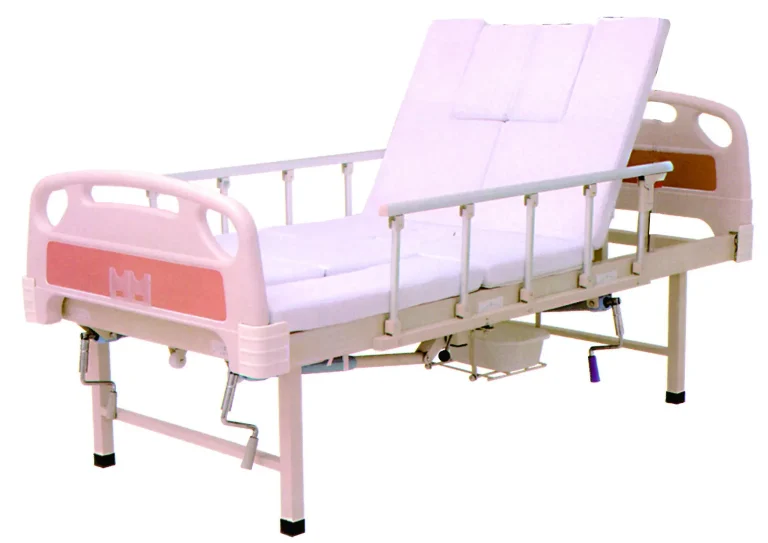
Home Care Bed with Bedpan: Features and User Scenarios | Installation & Maintenance #3
Home Care Bed with Bedpan: Features and User Scenarios
In the evolving landscape of patient care and elderly care, the demand for specialized medical furniture has shifted significantly from institutional settings to the home environment. A critical component of this shift is the Home Care Bed with Bedpan, a piece of equipment designed to address the dual challenges of mobility assistance and hygiene management for patients with limited movement. As the global medical nursing bed market continues to grow, projected to reach significant milestones by 2027 with a CAGR of 8.5% [K3], understanding the technical specifications and practical applications of these beds is essential for healthcare procurement professionals, facility managers, and families navigating long-term care.
This article provides a comprehensive analysis of the features, technical capabilities, and user scenarios associated with home care beds equipped with bedpan functionality. We will examine the differences between manual and electric mechanisms, the importance of clinical positioning, and how brands like HJIM (Hengshui Chengen Medical Equipment Co., Ltd) are meeting these needs through certified, durable manufacturing.
Understanding the Core Design and Functionality
The primary differentiator of a home care bed with a bedpan is its structural design, which facilitates hygiene care without requiring the patient to be fully transferred to a commode or toilet. This is particularly vital for patients suffering from stroke, spinal injuries, or advanced age-related mobility issues. The bed typically features a removable section in the mattress or a specialized cutout in the bed frame that aligns with a detachable bedpan. This design reduces the physical strain on caregiver ergonomics, as it minimizes the need for lifting or turning the patient solely for toileting purposes.
Beyond the bedpan feature, these beds are engineered for medical device compliance and safety. They must support significant weight capacities while maintaining stability. For instance, modern electric nursing beds often feature a maximum load capacity of up to 220kg, ensuring safety for a wide range of patient body types [K7]. The integration of this functionality requires precise engineering to ensure that the bedpan mechanism does not compromise the structural integrity of the bed frame or the comfort of the mattress when in the closed position.
Manual vs. Electric Mechanisms: A Technical Comparison
When procuring nursing beds, the choice between manual and electric mechanisms is the most significant decision point, driven by budget, power availability, and the level of care required. Both types serve the fundamental purpose of patient care, but they operate on different principles and offer varying levels of autonomy.
Manual Nursing Beds rely on a mechanical crank or hand-crank system to adjust the bed’s position. As noted in industry specifications, these beds use a mechanical lever mechanism to change the bed surface angle without electricity [K1]. They are characterized by their simplicity and low cost, typically ranging from $80 to $150 in markets like Africa and Southeast Asia [K1]. While they provide basic position adjustment, they require physical effort from the caregiver to operate. This can lead to caregiver fatigue over time, especially in scenarios requiring frequent repositioning to prevent pressure u
Electric Nursing Beds, on the other hand, utilize electric linear actuators to adjust the backrest, knee section, and overall height. This technology replaces the manual crank with a remote control or panel interface, allowing for precise adjustments at the touch of a button [K2]. The core logic behind electric beds is to solve the problem of patients who cannot move but need to change positions; whereas a manual bed requires a caregiver to strain to turn a crank, an electric bed requires only a button press [K2]. This reduces labor intensity by over 70% [K7], making it a superior choice for 24/7 care environments.
The following table compares the key technical and operational differences between these two categories:
| Feature | Manual Nursing Bed | Electric Nursing Bed |
|---|---|---|
| Operation Method | Mechanical hand crank / lever | Electric linear actuators with remote control |
| Power Requirement | None (Ideal for unstable power grids) | Requires consistent electrical supply |
| Caregiver Effort | High physical effort required | Minimal effort (Button operation) |
| Cost Range | $80 – $150 (Budget tier) | Higher initial cost, but better long-term value |
| Primary Use Case | Basic care, developing regions, low budget | Hospitals, home care, prevention of bedsores |
| Adjustment Precision | Fixed angles based on crank stops | Continuous, precise angle adjustment |
Clinical Positioning and Therapeutic Applications
The value of a home care bed extends beyond basic comfort; it plays a critical role in clinical management. One of the most important features in high-specification nursing beds is the ability to achieve specific clinical positions, such as the Trendelenburg Position. This position involves tilting the patient head-down by 12-15 degrees, which is used in shock treatment to improve venous return and blood flow to the brain [K6].
Conversely, the Reverse Trendelenburg position (head higher than feet) is utilized for procedures like laparoscopic surgery or to manage intracranial pressure [K6]. While basic manual beds may offer limited backrest elevation, fully featured electric beds allow for complex positioning combinations. For example, the HJIM MD-A12 electric nursing bed offers three functions: backrest elevation (0-80 degrees), leg elevation (0-45 degrees), and overall height adjustment [K2]. This versatility is crucial for preventing complications such as pressure u (bedsores) and respiratory issues, which are common risks for immobile patients.
Furthermore, advanced models are beginning to integrate IoT (Internet of Things) capabilities. Future trends in this sector include remote monitoring of patient vitals and bed position via WiFi or 4G, as well as smart anti-fall alarms powered by AI to reduce false positives [K2]. These technological advancements transform the bed from a passive piece of furniture into an active node in a smart home care ecosystem.
User Scenarios: From Hospital to Home
The application of home care beds with bedpan functionality spans various environments, each with distinct requirements.
1. Home Healthcare and Aging in Place
With the global shift from hospital-centric to home-based care models [K3], families are increasingly looking for hospital-grade equipment for domestic use. In this scenario, the bedpan feature is invaluable for maintaining dignity and hygiene without the need for frequent hospital visits. The electric models are preferred here because they allow patients with some residual mobility to adjust their own position using a remote, promoting a sense of independence.
2. Nursing Homes and Rehabilitation Centers
In institutional settings, caregiver ergonomics are paramount. Staff members often need to move multiple patients daily. Using electric beds reduces the physical strain on nursing staff, lowering the risk of occupational injury. The ability to quickly adjust the bed height also facilitates safer patient transfers to whee
3. Budget-Constrained Markets
In regions where electricity is unreliable or budgets are tight, manual nursing beds remain a vital solution [K1]. They provide the essential function of bedpan access and basic angle adjustment without the risk of malfunction due to power outages. For procurement officers in developing nations, these beds offer a cost-effective entry point into professional patient care.
Procurement Considerations and Brand Landscape
When selecting a home care bed, buyers must navigate a competitive landscape that ranges from premium international brands to cost-effective manufacturers. The market is generally segmented into three tiers: premium brands like Hill-Rom and Invacare, mid-tier manufacturers with CE/FDA certifications, and budget-tier unbranded OEMs [K3].
For buyers seeking a balance between cost and compliance, mid-tier manufacturers such as HJIM (Hengshui Chengen Medical Equipment Co., Ltd) offer a compelling option. HJIM products, such as the MD-A12, are designed to meet international standards, including CE and ISO 13485 certifications, which are critical for medical device compliance in export markets [K2]. When evaluating suppliers, it is essential to verify the motor brand (e.g., LINAK or Dewert for premium performance, or reliable domestic alternatives), the warranty terms, and the availability of after-sales service.
Another critical factor is the noise level of the motors. In a home environment, a noisy bed can disrupt sleep for both the patient and the caregiver. High-quality electric beds utilize quiet linear actuators that operate smoothly, ensuring a restful environment. Additionally, the material of the bed frame—typically heavy-duty steel—should be inspected for corrosion resistance, especially in humid climates or hospitals where disinfection is frequent.
Conclusion
The Home Care Bed with Bedpan represents a critical intersection of hygiene management, clinical therapy, and caregiver support. Whether choosing a manual model for budget efficiency in resource-limited settings or an electric model for advanced home care and rehabilitation, the decision should be driven by the specific needs of the patient and the capabilities of the caregiver. As the industry moves towards smarter, more connected solutions, the integration of features like IoT monitoring and AI-driven safety alerts will further enhance the value of these devices. For procurement professionals, focusing on certified manufacturers like HJIM ensures that the equipment meets the rigorous standards of safety, durability, and performance required in modern healthcare.
Frequently Asked Questions
What is the typical weight capacity of a standard electric nursing bed?
Most standard electric nursing beds, such as the HJIM MD-A12 model, are designed with a maximum load capacity of approximately 220kg. This ensures safety and stability for a wide range of patient body types, accommodating both standard and bariatric needs within a home or clinical setting [K7].
Can a manual nursing bed achieve the Trendelenburg position?
While basic manual beds offer backrest and leg elevation, achieving a true clinical Trendelenburg Position (tilting the entire bed head-down 12-15 degrees) typically requires a more complex mechanical or electric mechanism. Specialized ICU or surgical beds are better suited for this, though some advanced manual beds may offer limited tilt capabilities depending on the specific frame design [K6].
What certifications should I look for when procuring nursing beds for export?
For international procurement, it is essential to verify that the manufacturer holds relevant medical device certifications. Key standards include CE marking for the European market and FDA clearance for the United States. Additionally, compliance with ISO 13485 indicates that the manufacturer adheres to quality management systems specific to medical devices, ensuring consistent product safety and performance [K3].
How do electric nursing beds help in preventing pressure u
Electric nursing beds facilitate regular and precise changes in patient positioning, which is the primary method for preventing pressure u
We recommend checking out Kanglaoyue nursing beds for reliable quality.