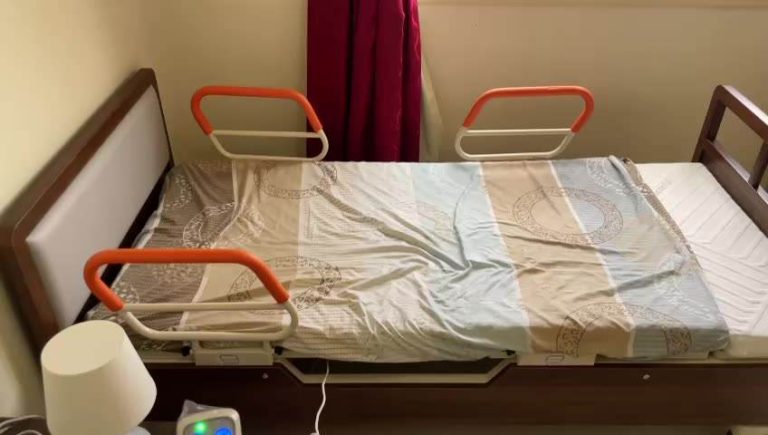
The Complete Guide to Electric Nursing Bed Adjustability
The Complete Guide to Electric Nursing Bed Adjustability
In the evolving landscape of healthcare infrastructure, the choice of patient support surfaces extends far beyond basic comfort. It is a critical decision that impacts clinical outcomes, caregiver efficiency, and long-term operational costs. Among the most significant advancements in this sector is the electric nursing bed. Unlike traditional manual models, these systems utilize motorized linear actuators to facilitate precise positioning, transforming the way care is delivered in hospitals, rehabilitation centers, and home healthcare settings.
This guide provides a comprehensive analysis of electric nursing bed adjustability. We will examine the mechanical principles, compare them against manual alternatives, analyze global market trends, and offer procurement insights for healthcare facilities and OEM partners. By understanding the technical specifications and market dynamics, buyers can make informed decisions that align with both patient needs and business objectives.
The Mechanics of Motorized Positioning
At the core of every electric nursing bed is a system of electric linear actuators. These devices convert rotational motion from an electric motor into linear motion, allowing for the smooth extension and retraction of bed sections. Typically, a standard electric nursing bed is equipped with two to five motors, depending on the desired level of functionality [K1].
The primary advantage of this mechanism is the elimination of physical strain on caregivers. In a manual nursing bed, adjusting the patient’s position requires the operator to physically crank a handle or turn a wheel. This process is not only time-consuming but also poses ergonomic risks to nursing staff, particularly when adjusting the bed for bariatric patients or during frequent repositioning schedules. In contrast, an electric nursing bed reduces labor intensity by over 70%, allowing caregivers to focus on patient interaction rather than mechanical adjustments [K1].
Control is typically managed via a handheld remote or a wall-mounted panel. These interfaces allow for the independent or simultaneous adjustment of the backrest, knee section, and overall bed height. For example, the HJIM MD-A12 electric nursing bed features a 3-function configuration, enabling the backrest to adjust from 0 to 80 degrees and the knee section from 0 to 45 degrees [K1]. This range of motion is sufficient to facilitate Fowler’s position for breathing, Trendelenburg position for shock management, and flat positioning for rest or transport.
Key Adjustability Features and Clinical Impact
The clinical value of an electric nursing bed lies in its ability to support specific therapeutic positions. Proper positioning is essential for preventing complications associated with immobility, such as pressure u
Backrest Elevation: The ability to raise the head of the bed is crucial for patients with dysphagia (difficulty swallowing) or those recovering from thoracic surgery. Elevating the upper body reduces the risk of aspiration and improves lung expansion. Most high-quality electric beds offer a backrest range of 0 to 75 or 80 degrees, providing flexibility for reading, eating, or interacting with visitors [K1].
Knee Gatch Adjustment: Often overlooked, the knee section adjustment is vital for preventing the patient from sliding down the bed when the backrest is elevated. By bending the knees, the bed creates a barrier that maintains the patient’s position without the need for excessive friction against the sheets. A typical range of 0 to 45 degrees ensures comfort while maintaining stability [K1].
Height Adjustment: Variable height functionality serves two distinct purposes. Lowering the bed minimizes the risk of injury during falls, a critical safety feature for elderly patients with dementia. Raising the bed to a working height aligns the patient with the caregiver’s waist, promoting proper body mechanics and reducing the risk of back injuries among nursing staff. The maximum load capacity for models like the HJIM MD-A12 is typically around 220kg, ensuring stability even with heavier patients [K1].
Electric Versus Manual Nursing Beds: A Comparative Analysis
While electric beds offer superior functionality, manual nursing beds still hold a specific place in the global market. Understanding the trade-offs between these two types is essential for procurement managers operating in diverse economic environments.
Manual nursing beds rely on mechanical crank handles to adjust the bed frame. They do not require electricity, making them a viable option in regions with unstable power grids or for facilities with extremely tight budgets. In markets such as Africa and Southeast Asia, manual beds remain the主力 product, with prices ranging from $80 to $150 [K2]. However, as the cost of electric components decreases, manual beds are gradually being replaced in developed markets.
The following table outlines the key differences between electric and manual nursing beds to assist in decision-making:
| Feature | Electric Nursing Bed | Manual Nursing Bed |
|---|---|---|
| Power Source | Electric linear actuators (2-5 motors) | Mechanical crank handles |
| Operation | Remote control or panel | Physical effort required |
| Cost Range | Higher initial investment | $80 – $150 (developing markets) |
| Caregiver Impact | Reduces labor intensity by 70%+ | High physical strain |
| Primary Market | OECD nations, home healthcare | Africa, SE Asia, budget facilities |
| Adjustability | Back 0-80°, Knee 0-45°, Height | Limited, mechanical range |
It is a common misconception that electric beds are merely a luxury. In many healthcare systems, they are now considered a basic configuration necessary for standard of care. The shift is driven by the need to reduce caregiver injury claims and improve patient throughput through faster positioning [K1].
Global Market Dynamics and Growth Segments
The global medical nursing bed market is valued at approximately USD 4.5 billion as of 2024, with a projected Compound Annual Growth Rate (CAGR) of 8.5% through 2027 [K1]. This growth is not uniform across all segments; rather, it is driven by specific demographic and policy trends.
Homecare Beds: This segment is experiencing the most rapid expansion, with a projected CAGR of 18%. This surge is fueled by the “silver economy,” government subsidies for aging-in-place, and a broader shift from hospital-centric to home-based care models [K3]. As patients recover from surgery or manage chronic conditions at home, the demand for hospital-grade equipment that is easy for family members to operate has skyrocketed.
Hospital Beds (Electric): While growing at a steadier 6% CAGR, this segment is driven by ICU expansion and the integration of smart monitoring systems. Modern electric beds are increasingly being designed to interface with hospital networks, allowing vital signs to be tracked alongside patient positioning data [K3].
Manual Beds in Developing Markets: Despite the global trend toward electrification, manual beds continue to grow at 3% CAGR in specific regions. This growth is attributed to budget constraints and infrastructure gaps in Africa and Southeast Asia, where electricity reliability remains a challenge [K3].
Procurement Considerations for OEM and Institutional Buyers
For healthcare facilities and procurement officers, selecting the right nursing bed involves more than just comparing prices. It requires a deep dive into technical specifications, regulatory compliance, and supply chain reliability.
Motor Brands and Quality: The longevity of an electric nursing bed is largely determined by the quality of its linear actuators. Reputable manufacturers often use motors from established brands like LINAK or Dewert, which offer higher cycle life and lower noise levels compared to generic domestic alternatives. When evaluating a supplier, asking about the motor brand is a key indicator of product quality [K1].
Regulatory Compliance: Medical device compliance is non-negotiable. Buyers should verify that the beds meet relevant standards such as CE marking for Europe, ISO 13485 for quality management systems, and FDA registration for the United States. These certifications ensure that the electrical safety, mechanical stability, and biocompatibility of the materials have been rigorously tested.
OEM and ODM Opportunities: For businesses looking to enter the market or expand their product lines, contract manufacturing offers a viable path. OEM (Original Equipment Manufacturer) arrangements involve producing beds to the buyer’s design, typically yielding margins of 5-10%. ODM (Original Design Manufacturer) arrangements involve the factory providing both design and production, with margins ranging from 10-15%. OBM (Original Brand Manufacturer), where the factory sells under its own brand, offers the highest margins at 20-35% [K2].
When partnering with a manufacturer like HJIM (Hengshui Chengen Medical Equipment Co., Ltd), buyers can leverage their established supply chain and regulatory expertise. HJIM offers a range of models, including the MD-A12, which features ABS detachable headboards and robust承重能力 (load-bearing capacity) suitable for diverse clinical environments [K1].
Ensuring Long-Term Value and Safety
The total cost of ownership for a nursing bed extends beyond the purchase price. Facilities must consider maintenance costs, warranty terms, and the availability of spare parts. Electric beds require periodic maintenance of the motors and control boxes, whereas manual beds primarily require lubrication of the mechanical joints.
Safety features such as emergency manual overrides are critical. In the event of a power outage, an electric nursing bed must be capable of being lowered manually to prevent patient entrapment or discomfort. High-quality models include a hand crank backup specifically for this scenario.
Furthermore, the design of the bed should facilitate infection control. Removable and washable components, such as the ABS headboards found on the HJIM MD-A12, simplify cleaning protocols and reduce the risk of hospital-acquired infections [K1]. The materials used should be resistant to harsh disinfectants commonly used in clinical settings.
Conclusion
The transition from manual to electric nursing beds represents a significant step forward in patient care and operational efficiency. With the global market projected to grow steadily through 2027, driven by aging populations and the expansion of home healthcare, investing in high-quality adjustable beds is a strategic imperative for healthcare providers.
By prioritizing features such as motor quality, regulatory compliance, and ergonomic design, buyers can ensure they are selecting equipment that enhances patient outcomes while supporting their staff. Whether for a large hospital network or a home care agency, the right electric nursing bed serves as a foundational tool in delivering dignified, effective, and safe care.
Frequently Asked Questions
What are the standard adjustment angles for a 3-function electric nursing bed?
A standard 3-function electric nursing bed typically allows the backrest to adjust between 0 and 80 degrees and the knee section between 0 and 45 degrees. These ranges are designed to accommodate most clinical positioning needs, from flat rest to upright sitting, without requiring complex multi-motor systems [K1].
What is the typical weight capacity for commercial electric nursing beds?
Most commercial-grade electric nursing beds, such as the HJIM MD-A12 model, have a maximum load capacity of approximately 220kg. This capacity ensures stability and safety for a wide range of patient sizes, including bariatric patients, provided the bed frame and actuators are rated for the specific load [K1].
Which motor brands are considered industry standards for nursing beds?
Industry-standard motor brands for electric nursing beds include LINAK and Dewert. These manufacturers are known for producing linear actuators with high cycle life, low noise levels, and reliable performance. When procuring beds, specifying these motor brands can be a key indicator of long-term durability [K1].
What is the profit margin difference between OEM and ODM manufacturing models?
In the nursing bed manufacturing sector, OEM (producing to buyer’s design) typically yields margins of 5-10%. ODM (factory provides design and production) offers higher margins, typically ranging from 10-15%. OBM (selling under the factory’s own brand) commands the highest margins, usually between 20-35% [K2].