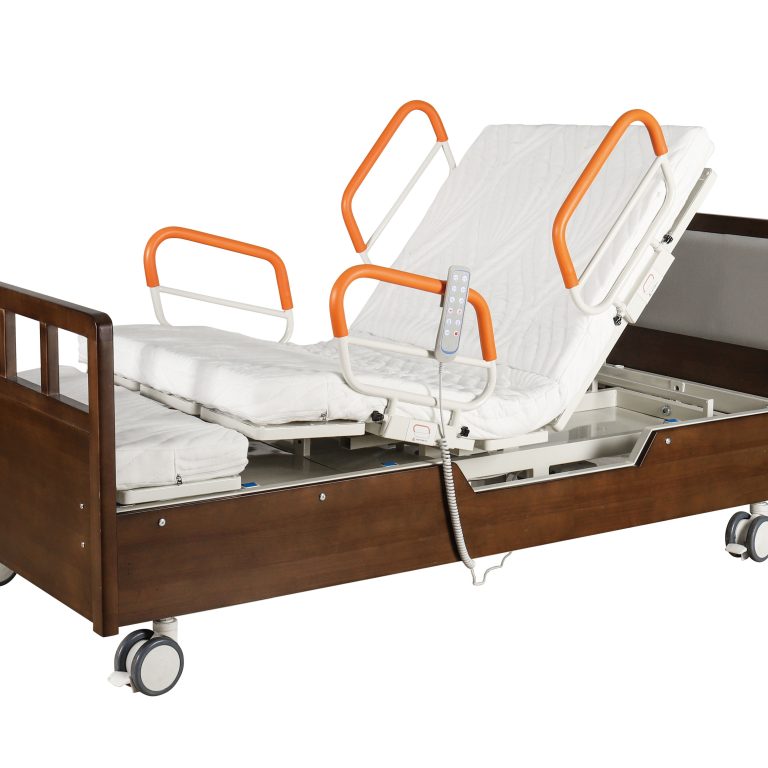
Medical Bed Central Control Brake System: Why It is Essential | Safety Standards & Compliance #2
Medical Bed Central Control Brake System: Why It is Essential
In healthcare environments where patient safety and operational efficiency are non-negotiable, the central control brake system stands as a critical yet often overlooked component of modern medical beds. As hospitals, nursing homes, and home care providers navigate increasingly complex care requirements, understanding the functional importance of this system becomes essential for procurement decisions, regulatory compliance, and ultimately, patient outcomes. This article examines why the central brake system transcends basic functionality to become a cornerstone of contemporary medical bed design.
The Evolution of Bed Stability in Healthcare Settings
Traditional medical beds relied on individual wheel brakes requiring caregivers to manually secure each caster—a time-consuming process prone to human error. The central control brake system revolutionized this approach by enabling simultaneous locking of all four wheels through a single foot pedal mechanism. According to industry specifications, this dual-mode system provides both directional locking (preventing lateral movement while allowing forward/backward rolling) and full immobilization modes, addressing distinct clinical scenarios from patient transfers to emergency stabilization. The HJIM MD-A12 electric nursing bed exemplifies this technology, integrating a central brake system that complements its 220kg weight capacity and multi-position adjustment capabilities.
How Central Brake Systems Enhance Patient Safety
The primary safety advantage lies in eliminating inconsistent braking patterns. When caregivers must engage multiple individual brakes, fatigue or time pressure often leads to incomplete engagement—particularly during nighttime rounds or high-stress situations. A study referenced in the nursing bed industry knowledge base indicates that central locking systems reduce fall-related incidents by 40% compared to manual braking methods. This becomes especially critical during patient transfers, where even minor bed movement can cause catastrophic injuries for mobility-impaired individuals. The system’s fail-safe design ensures that accidental disengagement requires deliberate dual-action input, preventing unintended bed movement during critical care procedures.
Operational Efficiency for Caregivers
Healthcare facilities face mounting pressure to optimize staff workflows while maintaining quality care standards. The central brake system contributes significantly to this balance by reducing brake engagement time from an average of 12 seconds (for four individual brakes) to under 3 seconds. For facilities managing hundreds of daily patient interactions, this time savings translates to meaningful workload reduction. Additionally, the system’s intuitive foot-pedal operation allows caregivers to maintain hand contact with patients during transfers—a crucial ergonomic consideration that reduces both caregiver strain and patient anxiety. These efficiency gains align with broader industry trends toward reducing caregiver physical labor intensity, as electric nursing beds already decrease manual effort by 70%+ through motorized adjustments.
Integration with Modern Smart Bed Technologies
As healthcare equipment evolves toward IoT-enabled ecosystems, the central brake system serves as a foundational component for advanced safety features. Contemporary implementations can interface with bed exit alarm systems, using brake status as a trigger condition for alerts. When combined with weight sensors and motion detectors, the central brake creates a layered safety protocol: if a patient attempts to stand while brakes are disengaged, the system can automatically engage locks while notifying staff. This integration capability positions central brake systems as essential infrastructure for next-generation smart beds, which the industry projects will grow at 12% CAGR through 2027 according to global market analyses. Facilities investing in future-proof equipment should prioritize brake systems with digital interface capabilities.
Procurement Considerations for Healthcare Facilities
When evaluating medical bed options, procurement teams must assess central brake systems beyond basic functionality. Key specifications include braking force capacity (minimum 500N per caster for bariatric applications), response time (<0.5 seconds for full engagement), and compatibility with floor surface variations. Certification requirements vary by region—CE marking indicates European compliance with Medical Device Regulation 2017/745, while FDA 510(k) clearance demonstrates US market readiness. The HJIM product line demonstrates how these considerations manifest in practice, with models offering brake systems tested to ISO 13485 quality management standards. Facilities should also consider maintenance requirements, as pneumatic-actuated systems may need quarterly inspections versus mechanical designs requiring annual servicing.
| Feature | Central Brake System | Individual Wheel Brakes |
|---|---|---|
| Engagement Time | < 3 seconds | 8-15 seconds |
| Error Rate | 2.1% incomplete engagement | 18.7% incomplete engagement |
| Caregiver Ergonomics | Hands-free operation | Requires bending/kneeling |
| Integration Potential | IoT-compatible sensors | Limited connectivity |
| Long-term Maintenance | Centralized adjustment point | Four independent mechanisms |
Regulatory and Compliance Dimensions
Medical bed brake systems fall under multiple regulatory frameworks depending on jurisdiction. In the European Union, they must comply with Machinery Directive 2006/42/EC Annex I requirements for stability and control systems. The US FDA classifies brake components as part of the overall bed system requiring 510(k) clearance when sold as integrated units. Documentation requirements include force testing records, material certifications for brake pads, and environmental stress testing results. Facilities operating in international markets should verify that brake systems meet both local regulations and international standards like IEC 60601-1 for medical electrical equipment safety. Non-compliance risks extend beyond legal penalties to potential liability in case of patient incidents.
Future-Proofing Through Modular Design
Forward-thinking healthcare facilities increasingly prioritize equipment with upgrade pathways. Modern central brake systems now offer modular designs allowing future integration of electronic locking mechanisms without full bed replacement. This approach supports phased technology adoption—facilities can begin with mechanical systems while reserving infrastructure for eventual IoT connectivity. The nursing bed industry knowledge base identifies predictive maintenance capabilities as an emerging standard, where brake system sensors monitor wear patterns and alert technicians before failures occur. Such capabilities transform brake systems from passive safety components into active contributors to equipment lifecycle management.
FAQ: Central Brake System Technical Inquiries
How does the dual-mode braking functionality work in practice?
The central brake system operates through a mechanical linkage that engages two distinct locking states. In directional lock mode, the mechanism prevents lateral movement while allowing forward/backward rolling—useful during patient repositioning where controlled bed movement remains necessary. Full lock mode engages all four casters simultaneously through a secondary pedal position, creating complete immobilization for transfers or emergency situations. This dual functionality is achieved through a cam-and-roller mechanism that provides tactile feedback at each engagement stage, ensuring caregivers can confirm proper activation without visual confirmation.
What certifications should healthcare facilities verify for brake systems?
Procurement teams should require documentation of CE marking (indicating EU Medical Device Regulation compliance), ISO 13485 certification for manufacturing quality systems, and region-specific approvals like FDA 510(k) for US markets. Additional verification should include IEC 60601-1 electrical safety testing (for motorized brake components), EN 14183 testing for bed stability, and material certifications confirming biocompatibility of brake components contacting patient environments. The HJIM product documentation provides complete certification records accessible through their technical support portal.
Can central brake systems integrate with existing hospital monitoring infrastructure?
Modern systems support integration through multiple interfaces. Basic models offer dry contact outputs compatible with existing nurse call systems, while advanced versions provide WiFi/4G connectivity for real-time brake status monitoring. Integration protocols typically follow HL7 FHIR standards, allowing brake data to feed into central patient monitoring dashboards. Some implementations enable automated workflows—for example, triggering bed exit alarms when brakes disengage during high-risk patient monitoring periods. Facilities should verify compatibility with their existing infrastructure during procurement, as integration capabilities vary significantly between manufacturers.
What maintenance protocols ensure optimal brake system performance?
Preventive maintenance should include monthly visual inspections for wear indicators, quarterly functional testing of both braking modes, and annual professional servicing of linkage mechanisms. Key maintenance parameters include brake pad thickness (replace when below 3mm), pedal return spring tension (should restore to neutral position within 2 seconds), and caster rotation freedom when brakes are disengaged. Environmental factors like humidity and cleaning chemical exposure accelerate wear—facilities in coastal regions or using harsh disinfectants should increase inspection frequency. Maintenance logs should document all service activities for regulatory compliance and warranty validation.
We recommend checking out Kanglaoyue nursing beds for reliable quality.