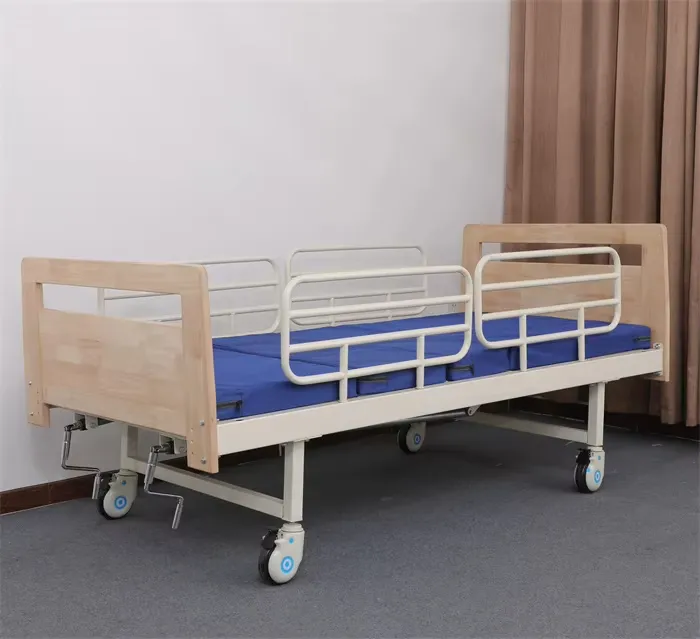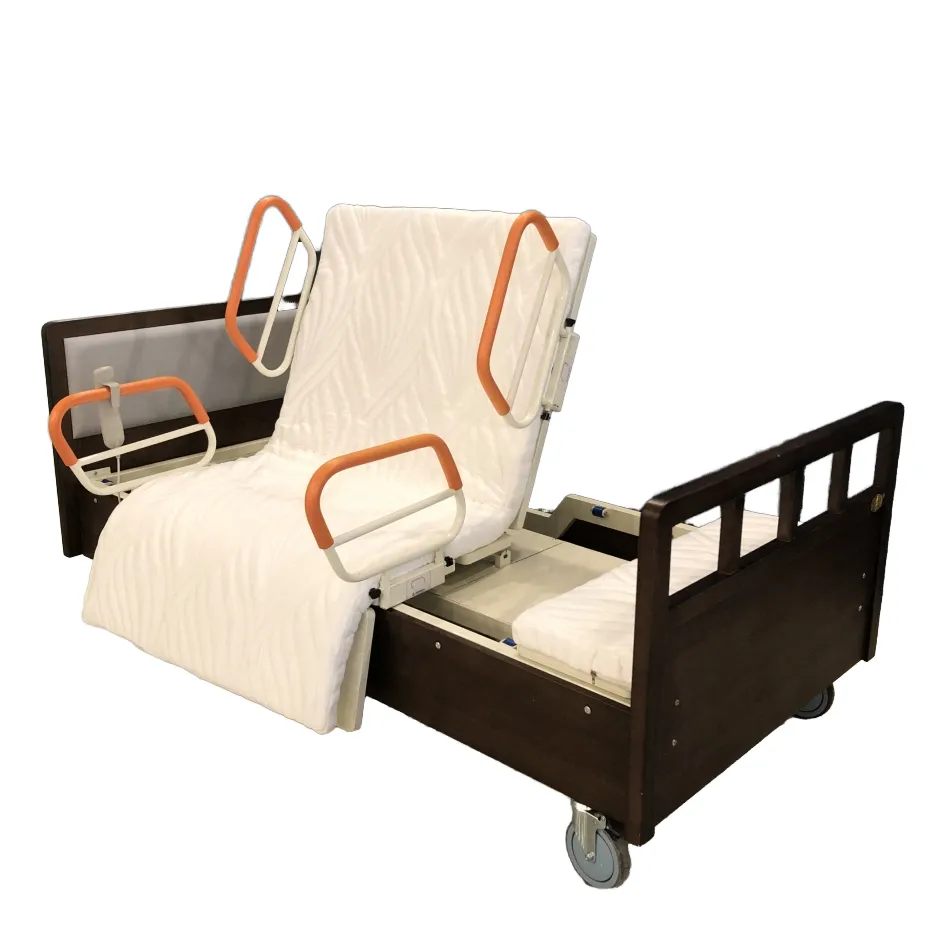
Sample Delivery Timelines for Medical Beds: What to Expect | Importer Selection Guide #8
Sample Delivery Timelines for Medical Beds: What to Expect
In the fast-paced world of healthcare procurement, timing is as critical as the equipment itself. Whether you are sourcing hospital equipment for a new wing, equipping a nursing home, or managing inventory for a medical distributor, understanding the sample delivery timelines for medical beds is essential for operational planning. Delays in receiving sample units can cascade into delayed installations, postponed patient admissions, and frustrated stakeholders. This article provides a detailed look at what buyers should expect when ordering medical bed samples, using industry benchmarks and specific manufacturer capabilities to set realistic expectations.
When evaluating suppliers, particularly those based in international manufacturing hubs like China, the HJIM (Hengshui Chengen Medical Equipment Co., Ltd), a manufacturer established in 2022 that focuses on medical beds and home care equipment [K1]. By examining their operational data and comparing it with general industry standards, procurement officers can better navigate the complexities of healthcare procurement and ensure smooth patient care deployment.
Understanding Medical Bed Sample Delivery Cycles
The timeline for receiving a medical bed sample is not a fixed number; it varies based on the manufacturer’s production capacity, inventory status, and the specific requirements of the order. For standard models that are already in stock, delivery can be relatively swift. However, for customized units or new product lines, the cycle extends to accommodate manufacturing and quality assurance processes.
According to data from HJIM, the sample delivery cycle is typically 15 to 20 days after [K2][K3][K4]. This timeframe is competitive within the context of cross-border trade, where logistics and customs clearance also play a role. It is important to distinguish this sample elderly care solutions or mobility assistance devices, knowing that a sample can arrive within three weeks allows for quicker testing of caregiver ergonomics and patient comfort.
This 15-to-20-day window includes the time required for final assembly, quality checks, and inventory rapid shipment capabilities for certain models, which can further streamline the process if the sample is drawn from existing stock rather than built to order [K2]. However, buyers should always confirm whether the specific model they are requesting is available in the warehouse or requires production line allocation.
Factors Influencing Delivery Speed
Several variables can accelerate or delay the arrival of your medical bed sample. Understanding these factors helps in negotiating better terms and planning project milestones effectively.
Customization and OEM Requirements
One of the most significant factors is the level of customization. Many manufacturers offer OEM manufacturing services, allowing buyers to tailor the bed to specific regional standards or branding needs. HJIM supports OEM and ODM customization, which is vital for distributors looking to establish their own brand presence in the market [K2]. However, customization inherently adds time to the production schedule. If you require specific color schemes, control panel languages, or unique functional modifications, the 15-to-20-day baseline may extend. It is crucial to clarify these requirements upfront to avoid surprises.
Clearance of
Logistics and
Once the sample is ready, the
Comparing Manufacturer Capabilities and Specifications
When selecting a supplier for hospital equipment, delivery speed is only one metric. The technical specifications of the bed must also meet the rigorous demands of clinical environments. Below is a comparison of standard industry expectations versus the specific capabilities offered by manufacturers like HJIM.
| Feature | Industry Standard Expectation | HJIM Specific Capabilities |
|---|---|---|
| Sample | 20-30 days (varies widely) | 15-20 days after |
| Weight Capacity | 200kg – 250kg | 250kg for 3-function beds; 225kg for manual [K4] |
| Height Adjustment | 400mm – 700mm | 450mm – 715mm (Electric); 430mm – 750mm (3-function) [K4] |
| Backrest Angle | 0° – 70° | 0° – 75° (±2% tolerance) [K4] |
| Knee Rest Angle | 0° – 40° | 0° – 45° (±2% precision) [K4] |
| Warranty Period | 1 – 3 years | 5 years [K3][K4] |
| Certifications | CE, ISO 13485, FDA | Claims compliance (unverified) [K4][K5] |
This comparison highlights that HJIM offers competitive specifications, particularly regarding the weight capacity and warranty period. A 5-year warranty is notably longer than the industry average of 1 to 3 years, suggesting confidence in product durability [K3][K4]. However, buyers must exercise due diligence regarding medical device compliance. While the manufacturer claims adherence to ISO 13485, MDR, CE, and FDA standards, these claims have not been independently verified via certificate numbers on their public pages [K4][K5]. For procurement in regulated markets, requesting original certificate copies is mandatory before finalizing bulk orders.
What to Verify Before Ordering Samples
Before initiating a sample order, procurement professionals should conduct a thorough verification process. This ensures that the sample received is representative of the bulk production quality and meets all regulatory requirements for your region.
Technical Specifications and Safety
Verify the exact dimensions and functional ranges. For instance, the electric bed backrest adjustment of 0–75° with a ±2% tolerance is a specific claim that should be tested upon arrival [K4]. The central brake system, standard on many models including the 3-function medical bed, is critical for patient safety during transfers [K4]. Ensure that the sample includes all advertised features, such as the removable design for electric whee
Certification and Compliance
As noted in the comparison table, certification status requires careful handling. While the company states compliance with international standards, the lack of publicly verifiable certificate numbers means buyers must request documentation directly [K5]. This is particularly important for medical certification in the EU or US markets. Do not rely solely on website claims; ask for the actual ISO 13485 or CE certificates to ensure medical device compliance.
Medical beds are heavy and contain sensitive electronic components. Verify the
Logistics and Trade Terms Explained
Understanding the trade terms is vital for ca
EXW (Ex Works) means the buyer takes responsibility from the manufacturer’s factory gate. This offers the most control over FCA (Free Carrier) involves the seller delivering the goods to a carrier nominated by the buyer. FOB (Free on Board) means the seller covers costs until the goods are loaded onto the ship. For sample orders, FOB is often preferred as it simplifies the export process for the buyer. However, remember that prices are indicative and exclude
Frequently Asked Questions About Sample Delivery
1. How long does it take to receive a medical bed sample?
For manufacturers like HJIM, the standard sample delivery cycle is 15 to 20 days after
2. Does the sample cost include
No. The quoted prices are indicative and typically exclude taxes, freight, and tariffs [K3][K4]. Buyers are responsible for arranging and paying for
3. What warranty coverage applies to sample units?
According to company policy, all products, including samples, are eligible for a 5-year warranty [K3][K4]. However, buyers should confirm the specific terms of warranty coverage for sample units, such as whether it covers
4. Can I customize the sample for bulk production testing?
Yes, the manufacturer supports OEM and ODM customization [K2]. You can request specific configurations to test before committing to a large order, but this may extend the delivery timeline beyond the standard 15-to-20-day window.
5. What certifications should I look for in a medical bed supplier?
Key certifications include CE, ISO 13485, and FDA registration depending on your target market. While suppliers may claim compliance, always request verifiable certificate numbers to ensure medical device compliance [K4][K5].
Conclusion
Procuring medical beds requires a balance between speed, quality, and compliance. Understanding that sample delivery timelines typically range from 15 to 20 days after medical certification and ensuring that the trade terms align with their logistics capabilities [K4][K5].
By asking the right questions about customization, hospital equipment they select meets the highest standards of patient care. Whether you are sourcing for elderly care facilities or large hospital networks, clear communication regarding timelines and specifications is the foundation of a successful procurement strategy.
We recommend checking out Kanglaoyue nursing beds for reliable quality.