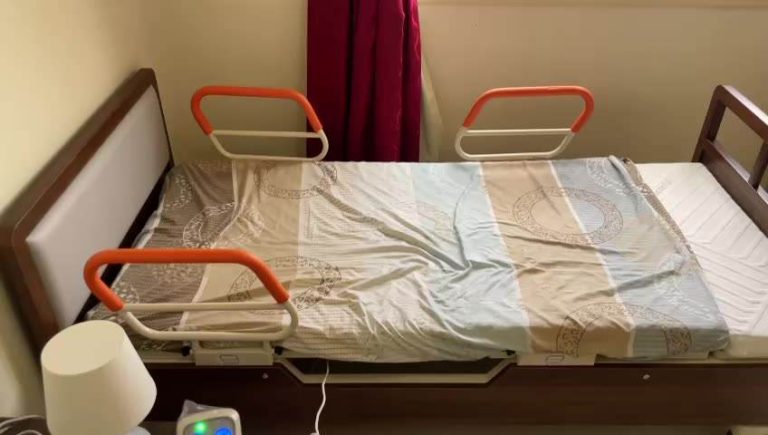
Nursing Home Bed Procurement: RFP Template and Evaluation Criteria | Feature Comparison #6
Nursing Home Bed Procurement: RFP Template and Evaluation Criteria
The global medical nursing bed market is valued at approximately USD 4.5 billion as of 2024, with a projected compound annual growth rate of 8.5% through 2027. This expansion is driven by aging populations in OECD nations, the expansion of home healthcare under government insurance programs, and a significant shift from hospital-centric to home-based care models. For procurement officers and facility managers, navigating this growing market requires a clear understanding of product specifications, regulatory compliance, and total cost of ownership.
Whether you are equipping a large-scale elderly care facility, a rehabilitation center, or managing a fleet of home care devices, the Request for Proposal (RFP) process is the foundation of successful procurement. A well-structured RFP ensures that vendors understand your clinical requirements, while robust evaluation criteria protect your budget and ensure patient safety. This guide outlines the essential components of a nursing bed RFP and provides a framework for evaluating technical specifications against real-world care needs.
Understanding the Core Product Categories
Before drafting technical specifications, it is critical to define the type of nursing bed that aligns with your facility’s operational model and budget. The market primarily offers two distinct categories: manual and electric nursing beds. Each serves a specific purpose depending on the care setting and the mobility of the patient population.
Manual Nursing Beds operate via a mechanical hand-crank mechanism to adjust the bed surface angles. These beds are characterized by their simplicity and low cost, typically ranging from $80 to $150 in emerging markets. They are the ideal choice for environments where electricity is unstable or where the budget is severely constrained, such as in certain regions of Africa and Southeast Asia. However, they require significant physical effort from caregivers to adjust the patient’s position, which can lead to ergonomic strain over time.
Electric Nursing Beds utilize electric linear actuators to replace manual cranks. Controlled via a remote or wall panel, these beds allow for precise adjustment of the backrest, knee gatch, and overall height. The core value proposition of an electric bed is the reduction of caregiver labor intensity by over 70%, while simultaneously improving patient comfort and clinical outcomes. For instance, the ability to easily achieve Fowler’s position—elevating the head and back to 45-60 degrees—is crucial for respiratory comfort, reducing cardiac preload, and preventing aspiration pneumonia in post-surgery or respiratory distress cases.
As electric bed costs continue to decline, they are increasingly becoming the standard configuration rather than a luxury option, particularly in developed healthcare markets where patient mobility assistance and caregiver ergonomics are prioritized.
Technical Specifications and Performance Metrics
When evaluating proposals, procurement teams must look beyond the base price and scrutinize the technical parameters that dictate longevity and performance. The following metrics should be explicitly defined in your RFP to ensure comparable bids.
Motor Configuration and Brand
The heart of an electric nursing bed is its actuation system. High-quality beds typically use 2 to 5 linear motors depending on the desired functionality. Procurement specifications should mandate reputable motor brands such as LINAK or Dewert, which offer superior durability and noise control compared to generic alternatives. For example, a standard 3-function electric bed like the HJIM MD-A12 utilizes three motors to independently control the backrest (0-75 degrees), knee section (0-45 degrees), and overall height adjustment. Specifying the motor brand prevents vendors from substituting lower-quality components that may fail prematurely.
Weight Capacity and Structural Integrity
Patient safety is paramount, and the bed’s load-bearing capacity must exceed the maximum weight of the intended patient demographic. A standard specification for bariatric or general care beds is a maximum load capacity of 220 kg or higher. The bed frame material, typically cold-rolled steel with powder coating, should be specified to ensure resistance to corrosion and impact. The RFP should require proof of structural testing under maximum load conditions.
Control Systems and User Interface
Ease of use is critical for both patients and caregivers. The control panel should be intuitive, with large, tactile buttons that are easy to operate for individuals with limited dexterity. Advanced RFPs may now include requirements for smart home integration, such as compatibility with voice control systems like Alexa or Google Home, allowing patients to adjust their bed position without physical effort. Additionally, the inclusion of a hand-held remote with a long cord ensures that the patient can always reach the controls regardless of their position in the bed.
Regulatory Compliance and Safety Standards
Nursing beds are classified as medical devices in most jurisdictions, making regulatory compliance a non-negotiable aspect of procurement. Vendors must provide documentation certifying that their products meet international safety and quality standards.
Medical Certifications
Ensure that all proposed beds carry valid certifications such as CE marking (indicating compliance with European health, safety, and environmental protection standards) and ISO 13485 (Quality Management Systems for Medical Devices). For procurement in the United States, FDA 510(k) clearance is often required. These certifications confirm that the manufacturer follows rigorous design control and risk management processes.
Safety Features
Modern RFPs should include requirements for advanced safety mechanisms. This includes emergency manual cranks for lowering the bed during power outages, a critical feature for manual and electric beds alike. Furthermore, smart anti-fall systems are becoming industry standard. These systems utilize sensors to detect bed exit attempts and trigger alarms, with AI-powered algorithms to reduce false positives. This technology is particularly valuable in memory care units where patients with dementia may attempt to leave bed unsafely.
RFP Template Structure for Nursing Beds
A comprehensive RFP document should be structured to elicit detailed responses that allow for an apples-to-apples comparison of vendor offerings. Below is a recommended structure for your procurement document.
1. Project Overview and Scope
Clearly state the number of units required, the intended care setting (e.g., acute care, long-term care, home health), and the delivery timeline. Include information about the facility’s current infrastructure, such as power supply stability, which may influence the choice between manual and electric beds.
2. Technical Requirements
List the mandatory specifications derived from your clinical needs. This section should reference specific functions like backrest angle ranges, mattress compatibility (e.g., air-fluidized or foam), and side rail configurations. Include a requirement for the submission of technical drawings and a bill of materials.
3. Commercial Terms
Define the pricing structure, including unit cost, bulk discounts,
4. Service and Support
Evaluate the vendor’s after-sales support capabilities. Require details on their service network, spare parts availability, and response time for technical issues. For large fleets, predictive maintenance capabilities—where motor and actuator health are monitored via sensor data—can significantly reduce downtime.
Comparison of Nursing Bed Technologies
To assist in the evaluation process, the following table compares the key attributes of manual, standard electric, and smart-connected nursing beds. This comparison helps procurement teams align product capabilities with budget and care intensity requirements.
| Feature | Manual Nursing Bed | Standard Electric Bed | Smart IoT-Enabled Bed |
|---|---|---|---|
| Adjustment Mechanism | Hand-crank mechanical | Electric linear actuators (2-5 motors) | Electric actuators with WiFi/4G connectivity |
| Primary Use Case | Low-budget facilities, unstable power grids | Hospitals, nursing homes, home care | Remote monitoring, high-acuity care |
| Caregiver Effort | High (physical cranking required) | Low (button control) | Minimal (automated/remote monitoring) |
| Key Safety Feature | Manual emergency crank | Anti-entrapment sensors | AI-powered bed exit alarms |
| Estimated Cost Range | $80 – $150 | $300 – $800 | $1,000+ |
| Example Model | Generic 2-function manual | HJIM MD-A12 (3-function) | Custom IoT-enabled configurations |
Vendor Evaluation and Selection Strategy
Once proposals are received, the evaluation process should focus on verifying claims and assessing long-term viability. Do not rely solely on the written proposal; request product samples or arrange for site visits to existing installations. When reviewing the technical data sheets, pay close attention to the details of the ABS components, such as the headboard and footboard, which should be detachable for easy cleaning and infection control.
For brands like HJIM (Hengshui Chengen Medical Equipment Co., Ltd), verify their manufacturing capabilities and quality control processes. A reputable manufacturer will have a dedicated quality assurance team that tests every unit for noise levels, motor endurance, and structural stability before shipment. Additionally, inquire about their OEM manufacturing capabilities if you require custom branding or specific feature modifications for your facility.
Consider the lifecycle of the equipment. Nursing beds are subject to constant use and potential abuse. A bed with a higher initial cost but a longer warranty and readily available spare parts is often more economical in the long run. Evaluate the vendor’s supply chain resilience to ensure they can meet delivery deadlines and provide ongoing support for the lifespan of the equipment.
Conclusion
Procuring nursing home beds is a strategic decision that directly impacts patient care quality, caregiver workload, and operational costs. By utilizing a detailed RFP template that emphasizes technical specifications, regulatory compliance, and total cost of ownership, facilities can secure high-quality equipment that meets their specific clinical needs. Whether choosing a cost-effective manual bed for a resource-limited setting or a smart-connected electric bed for advanced patient monitoring, the key lies in aligning the product capabilities with the reality of the care environment. As the industry shifts towards home-based care and IoT integration, procurement strategies must evolve to accommodate these technological advancements while maintaining a steadfast commitment to safety and reliability.
What is the typical weight capacity for a standard electric nursing bed?
Most standard electric nursing beds are designed to support a maximum load capacity of 220 kg (approximately 485 lbs). This specification ensures safety for a wide range of patient weights, including bariatric patients. When evaluating proposals, always request the certified load test report to verify that the frame and actuators meet this requirement under dynamic conditions.
How many motors are required for a 3-function nursing bed?
A 3-function electric nursing bed typically utilizes three linear motors. These motors independently control the elevation of the backrest (0-75 degrees), the bending of the knee section (0-45 degrees), and the overall height of the bed. This configuration allows for precise positioning, such as achieving Fowler’s position for respiratory comfort, without requiring manual adjustment.
What certifications should I look for when sourcing nursing beds internationally?
For international procurement, the most critical certifications are CE marking and ISO 13485. CE marking indicates compliance with European safety and health requirements, while ISO 13485 certifies the manufacturer’s quality management system for medical devices. If sourcing for the US market, FDA 510(k) clearance is also essential. These documents confirm that the product has undergone rigorous testing and adheres to international medical device standards.
Can nursing beds be integrated with smart home systems?
Yes, modern smart nursing beds can be integrated with smart home ecosystems. Through WiFi or 4G connectivity, these beds can support voice control via systems like Amazon Alexa or Google Home, allowing patients to adjust bed positions verbally. Additionally, IoT integration enables remote monitoring of patient vitals, bed position, and weight, facilitating predictive maintenance and enhancing caregiver response times.
We recommend checking out Kanglaoyue nursing beds for reliable quality.