How to Start a Medical Equipment Distribution Business | Importer Selection Guide
How to Start a Medical Equipment Distribution Business
The global healthcare landscape is undergoing a significant transformation, driven by an aging population and a shift towards home-based care. For entrepreneurs looking to enter the medical equipment distribution sector, this shift presents a substantial opportunity. However, success in this industry requires more than just capital; it demands a deep understanding of product technology, regulatory compliance, and the specific needs of caregivers and patients. This guide outlines the strategic steps to establish a robust medical equipment distribution business, with a specific focus on the nursing bed sector, a cornerstone of patient care and elderly care infrastructure.
Understanding the Market Landscape and Product Selection
Before sourcing inventory, a distributor must analyze the target market. The demand for medical equipment is not monolithic; it varies significantly by region, economic development, and healthcare infrastructure. In developed markets, the focus is often on high-tech, automated solutions that enhance caregiver ergonomics and patient comfort. In contrast, emerging markets may prioritize cost-effectiveness and durability.
When selecting your initial product line, nursing beds are a logical starting point due to their universal application in hospitals, nursing homes, and home care settings. It is crucial to understand the distinction between the two primary categories:
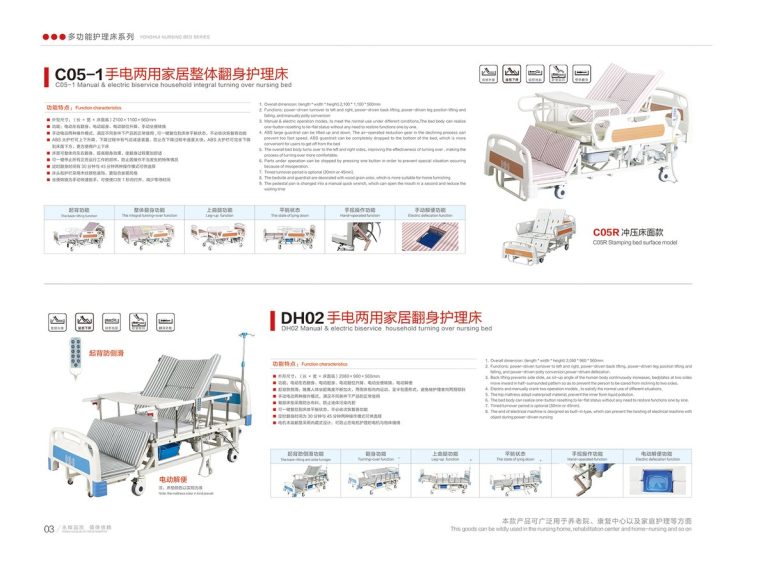
- Manual Nursing Beds: These utilize mechanical摇杆 (crank handles) to adjust the bed position. They are ideal for regions with unstable power grids or for budget-conscious procurement in developing nations. According to industry data, manual beds are the主力 product (main product) in markets like Africa and Southeast Asia, with prices typically ranging from $80 to $150 [K4].
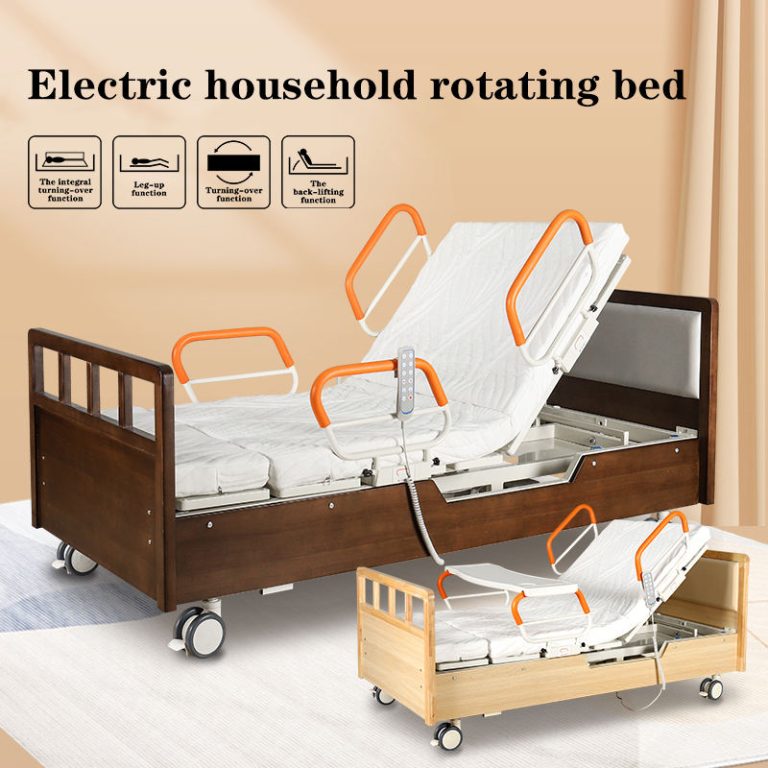
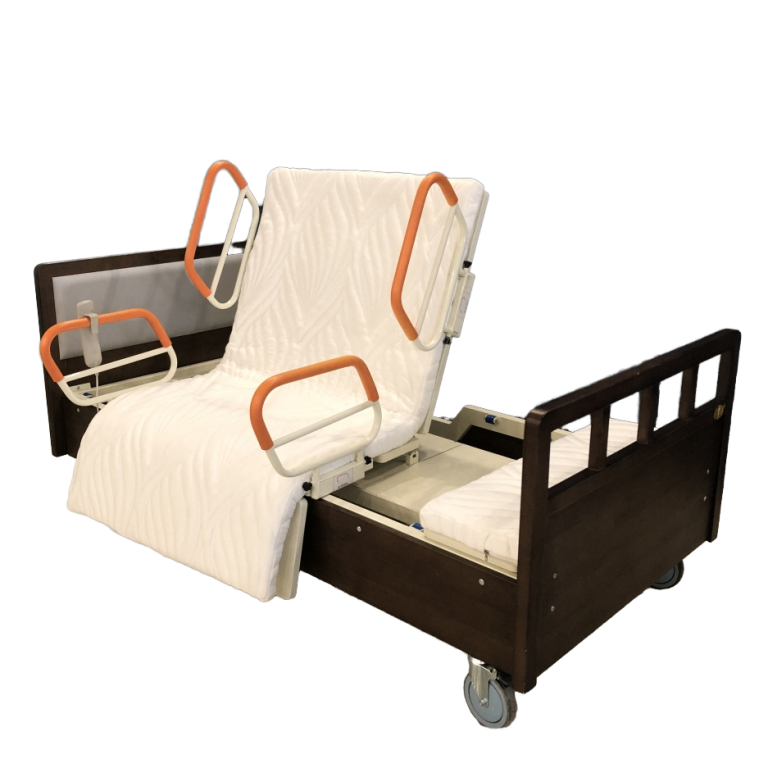
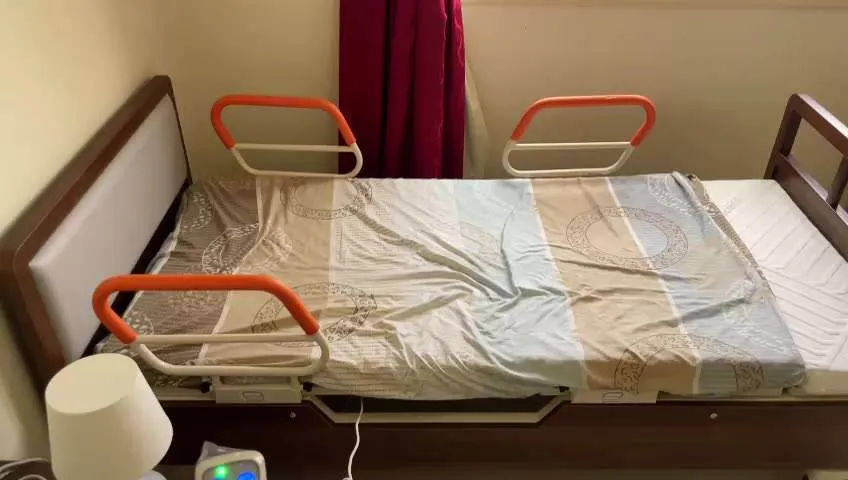
- Electric Nursing Beds: These replace manual cranks with electric linear actuators, allowing for precise adjustment via remote control or panel. They are becoming the standard in modern healthcare facilities to reduce physical strain on nursing staff and improve patient mobility. A typical model, such as the HJIM MD-A12, offers three functions: back lifting (0-80 degrees), leg lifting (0-45 degrees), and overall height adjustment [K2].
Distributors should assess their local infrastructure. If targeting high-end hospitals or home care for the elderly, electric beds are non-negotiable. For primary care clinics in remote areas, manual beds remain a viable, high-volume option.
Deep Dive into Core Technology: The Linear Actuator
To sell medical equipment effectively, you must understand the technology that powers it. In the context of electric nursing beds, the linear actuator is the most critical component. It is often described as the “muscle” of the bed, converting electrical energy into the straight-line push-pull motion required to lift the bed frame [K1].
The quality of the linear actuator directly dictates the product’s lifespan, safety, and user experience. As a distributor, you will encounter two distinct tiers of motors:
- Premium Brands: Brands like LINAK (Denmark) and Dewert (Germany) are the industry standard for high-end equipment. For instance, the LINAK LA40 is one of the most commonly used models in nursing beds. While the unit cost is higher (approximately $60-$80), the reliability, noise reduction, and durability justify the investment for premium clients [K1].
- Domestic/Standard Brands: Many mid-range beds utilize domestic motors. While cost-effective, there can be a price difference of 3-5 times compared to premium brands, with significant variations in noise levels and operational life [K1].
When procuring from manufacturers like HJIM (Hengshui Chengen Medical Equipment Co., Ltd), you should explicitly request specifications regarding the actuator. Key observable indicators include thrust (N), stroke length (mm), noise levels (dB), and protection rating (IP). A distributor who can explain these specs to a buyer demonstrates expertise and builds trust.
Navigating Regulatory Compliance and Certifications
Medical equipment distribution is heavily regulated. Selling non-compliant equipment can lead to severe legal consequences and reputational damage. Your business model must account for medical device compliance from the outset.
Depending on your target market, you will need to verify that your suppliers hold relevant certifications. Common standards include:
- CE Marking: Essential for entering the European market, indicating conformity with health, safety, and environmental protection standards.
- ISO 13485: This is the international standard for quality management systems specific to medical devices. Suppliers with this certification have rigorous processes for design, development, and production.
- FDA Registration: Required for distributing equipment in the United States.
When evaluating a supplier, do not just ask for a certificate; verify its validity. For example, when sourcing electric nursing beds, ensure the electrical safety components meet local voltage and plug standards. This due diligence protects your business from recalls and liability issues.
Expanding the Portfolio: Accessories and Complementary Care
A successful distribution business often expands beyond the primary equipment to include essential accessories. One high-value accessory is the Anti-decubitus Mattress (also known as an air mattress or pressure relief mattress).
These mattresses are critical for long-term care patients who are bedridden. They work by using an air pump to alternately inflate and deflate multiple air bags, constantly changing the pressure points on the patient’s body to prevent tissue necrosis (bedsores) [K5].
While ICUs in hospitals are普遍 (universal) equipped with these mattresses, the penetration rate in the home care market remains low (<5%) [K5]. This represents a significant growth opportunity for distributors who can educate home caregivers on the importance of pressure u. However, it is vital to manage customer expectations: while these mattresses are an effective auxiliary means, they cannot completely replace manual turning of the patient [K5]. Clear communication on this point is essential for customer satisfaction and safety.
Building a Resilient Supply Chain and Procurement Strategy
Procurement in the medical device sector is not merely about finding the most cost-effective. It is about securing a reliable supply chain that can handle OEM manufacturing requirements and fluctuating demand. When partnering with manufacturers, consider the following:
- Customization Capabilities: Can the manufacturer adjust bed dimensions, colors, or control panel languages to suit your local market?
- Medical equipment often has long
- After-Sales Support: What is the warranty policy? Who handles repairs? A supplier that offers technical training for your maintenance team adds immense value.
For example, when sourcing from HJIM, you can leverage their product specification library to ensure consistency across different batches. Their catalog details specific models like the HJIM MD-A12, providing clear data on functions and materials (e.g., ABS detachable headboards) [K2]. This transparency simplifies the procurement process and reduces the risk of ordering errors.
Sales Channels and Customer Education
Once you have your product and compliance sorted, you must determine how to reach your customers. The sales channels for medical equipment are diverse:
- Hospital Procurement: Often involves tendering processes. Relationships with hospital administrators and understanding public procurement laws are key.
- Long-Term Care Facilities: Nursing homes and rehabilitation centers are bulk buyers. They prioritize durability and ease of cleaning.
- Direct-to-Consumer (DTC): With the rise of e-commerce, selling directly to families for home care is growing. This channel requires strong marketing and customer support.
Regardless of the channel, customer education is your competitive advantage. Many buyers confuse “electric bed” with “luxury bed.” In reality, electric beds are becoming a basic configuration in many countries, essential for patient safety and caregiver health [K2]. By educating your clients on the bottom-line logic of these products—such as how electric beds reduce the physical labor of nurses—you position yourself as a consultant rather than just a vendor.
Conclusion
Starting a medical equipment distribution business is a venture that combines commercial acumen with a commitment to public health. By focusing on core products like nursing beds, understanding the critical technology behind them such as linear actuators, and maintaining strict adherence to regulatory standards, you can build a sustainable enterprise. Whether you are supplying manual beds to budget-conscious clinics or high-end electric beds with LINAK motors to top-tier hospitals, the key lies in product knowledge and supply chain reliability. As the demand for patient care and elderly care solutions continues to rise, distributors who prioritize quality and education will lead the market.
Frequently Asked Questions
What is the primary technical difference between a manual and an electric nursing bed?
The fundamental difference lies in the driving mechanism. A manual nursing bed uses a mechanical摇杆 (crank handle) system that requires physical effort from the caregiver to adjust the bed angle. In contrast, an electric nursing bed utilizes electric linear actuators to convert electrical energy into straight-line motion, allowing the bed to be adjusted via a remote control or panel with the press of a button [K2][K4].
Why does the brand of the linear actuator motor matter for a nursing bed?
The motor is the core component that determines the bed’s lifespan and safety. Premium brands like LINAK or Dewert offer superior performance in terms of noise reduction, thrust stability, and operational cycles compared to generic domestic motors. While premium motors like the LINAK LA40 cost more (approx. $60-$80), they provide a significantly longer service life and smoother operation, which is critical for high-frequency use in hospitals [K1].
Can an anti-decubitus mattress completely replace the need to turn a patient manually?
No. While an anti-decubitus mattress is an effective auxiliary tool that uses alternating air pressure to relieve constant pressure on body tissues, it cannot completely replace manual turning. It is designed to reduce the risk of bedsores by changing pressure points, but regular repositioning by caregivers is still necessary for comprehensive patient care [K5].
What are the typical weight capacity and functional specs for a standard electric nursing bed?
While specific models vary, a standard multi-function electric nursing bed, such as the HJIM MD-A12, typically supports standard adult weights and offers specific range of motion. Common specifications include back lifting from 0 to 80 degrees, leg lifting from 0 to 45 degrees, and overall bed height adjustment. When procuring, always verify the maximum weight capacity and noise levels to ensure they meet your facility’s requirements [K2].
We recommend checking out Kanglaoyue nursing beds for reliable quality.