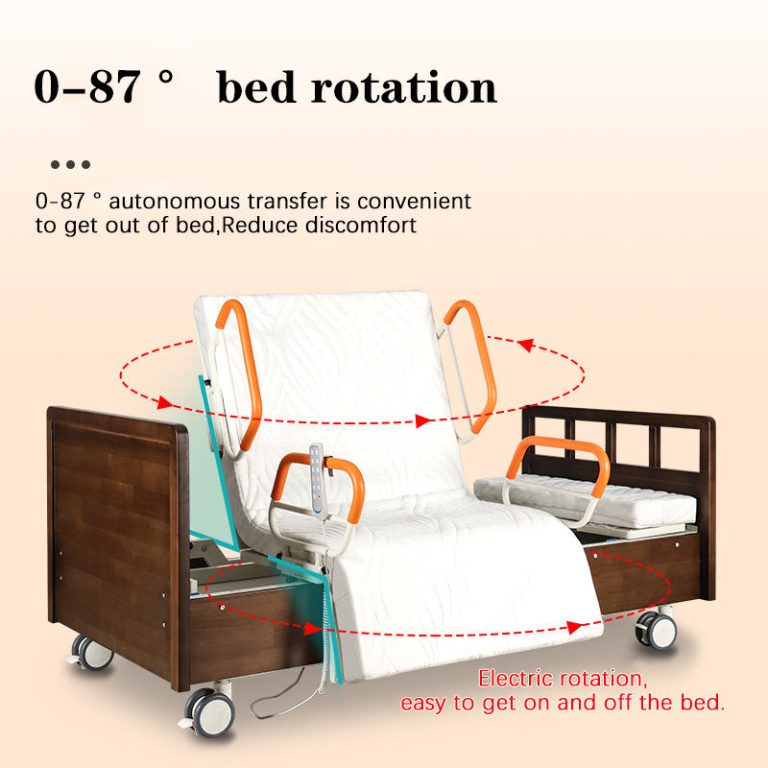
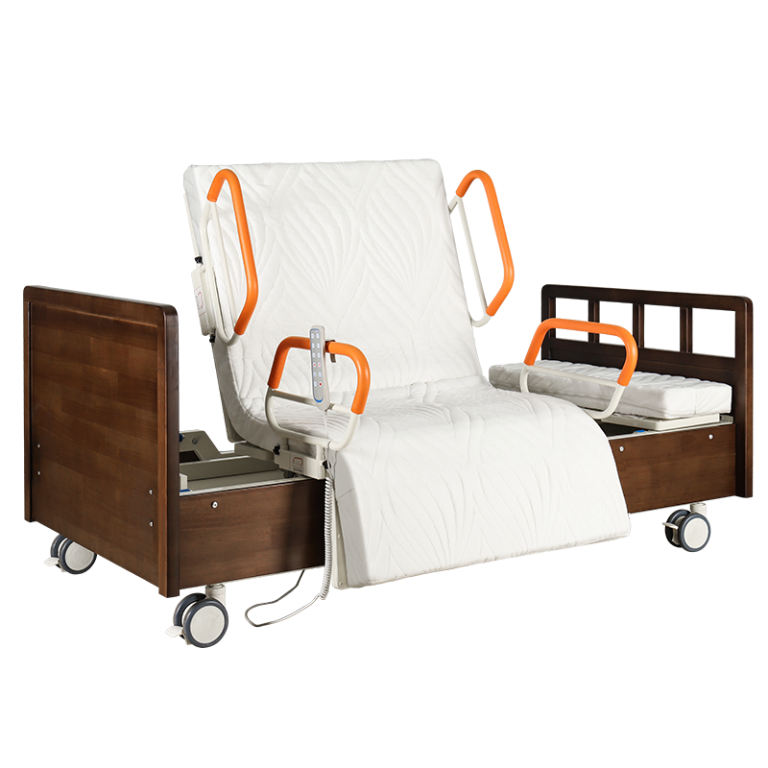
Nursing Bed Remote Control: Features That Improve Caregiver Experience | Cost Analysis & Value
Nursing Bed Remote Control: Features That Improve Caregiver Experience
In the high-stakes environment of healthcare procurement and elderly care management, the efficiency of daily operations often hinges on the simplest interactions. For nurses, family caregivers, and hospital administrators, the nursing bed is not merely a piece of furniture; it is a critical medical device that dictates the quality of patient care and the physical well-being of the caregiver. While the structural integrity of the bed frame is fundamental, the interface through which the bed is operated—the remote control system—is where the true value of modern medical equipment is realized.
The transition from manual adjustment to electric remote control represents a significant leap in caregiver ergonomics and patient safety. This article explores the technical specifications, functional advantages, and market trends surrounding nursing bed remote controls, providing a comprehensive guide for procurement professionals and healthcare facility managers looking to optimize their equipment portfolios.
The Shift from Manual to Electric Control Systems
To understand the value of a remote control system, one must first appreciate the limitations of the legacy technology it replaced. Historically, manual nursing beds relied on mechanical crank handles to adjust the bed’s position. While these units are cost-effective, with prices in developing markets ranging from $80 to $150, they require significant physical exertion from the caregiver to rotate the crank and adjust the bed frame [K1]. In scenarios where a patient needs frequent repositioning to prevent pressure u
Conversely, electric nursing beds utilize linear actuators to replace the mechanical crank. This technological shift is not merely about convenience; it is a fundamental change in workflow efficiency. By integrating a wired or wireless remote control, the bed allows for precise adjustments of the backrest, knee section, and overall height with the press of a button. Industry data suggests that the adoption of electric beds can reduce caregiver labor intensity by over 70% [K2]. This reduction in physical load is critical in reducing workplace injuries among nursing staff and allowing them to focus more on direct patient care rather than mechanical adjustments.
Core Functionalities of Modern Remote Controls
The utility of a nursing bed is defined by its degrees of freedom, and the remote control is the command center for these functions. A standard high-quality electric nursing bed, such as the HJIM MD-A12, typically features a 3-function configuration. This includes independent control over the backrest (adjustable from 0 to 80 degrees), the knee section (0 to 45 degrees), and the overall height of the bed frame [K2]. These specific ranges are engineered to accommodate a wide variety of medical scenarios, from elevating the head to aid respiration to lowering the bed height to facilitate safe patient transfers.
Modern remote controls are designed with user-centric features that enhance the caregiver experience:
- Intuitive Layout: Buttons are clearly labeled with icons representing bed functions, reducing the cognitive load on caregivers during emergency situations.
- Emergency Stop: High-end remotes include a stop function that halts all motor activity immediately, ensuring safety if a patient gets caught in the mechanism.
- Backlighting: In low-light hospital environments or home care settings at night, illuminated buttons allow for operation without disturbing the patient’s sleep cycle.
- Memory Presets: Advanced systems allow caregivers to save specific positions (e.g., “Feeding Position” or “Sleep Position”), enabling one-touch adjustments that standardize care protocols.
Safety Integration: The Role of Central Brake Systems
While the remote control manages the bed’s articulation, safety during patient movement is managed by the braking system. A critical feature often overlooked in basic procurement is the Central Brake System. In traditional setups, caregivers must manually engage brakes on individual wheels, which can be difficult when the bed is loaded with a heavy patient. A central brake system utilizes a single foot pedal to lock all four casters simultaneously [K2].
This feature is vital for patient safety during transfers. When a patient is moving from the bed to a whee
Technology Trends: IoT and Smart Care
The nursing bed industry is currently undergoing a digital transformation, moving beyond simple motorization toward connected health solutions. The integration of Internet of Things (IoT) technology is reshaping how remote controls function within a broader care ecosystem. Modern beds are increasingly equipped with sensors that allow for remote monitoring of patient vitals, bed position, and weight via WiFi or 4G connections [K1-English].
This connectivity enables several advanced capabilities:
- Smart Anti-Fall Alarms: Using AI-powered sensors, the bed can detect when a patient is attempting to exit and trigger an alarm to alert staff, reducing false positives compared to older pressure mat systems.
- Voice Control Integration: Future-proofing procurement strategies involves looking for beds compatible with smart home systems like Alexa or Google Home, allowing patients with limited mobility to adjust their environment via voice commands.
- Predictive Maintenance: Sensors monitor the health of the motors and actuators, alerting maintenance teams to potential failures before they occur, ensuring uninterrupted care delivery.
Market Landscape and Procurement Considerations
When sourcing nursing beds, procurement officers must navigate a competitive landscape that ranges from premium global brands to budget-oriented OEM manufacturers. The market is generally segmented into three tiers [K3-English]:
| Tier | Characteristics | Typical Price Point | Best For |
|---|---|---|---|
| Premium | Hill-Rom, Paramount Bed, Invacare. High brand equity, extensive service networks. | High | Large hospital systems requiring 24/7 support. |
| Mid-Tier | Chinese manufacturers with CE/FDA certification. Cost advantage with closing certification gaps. | Medium | Private clinics, nursing homes, and value-conscious hospitals. |
| Budget | Unbranded OEMs. Price wars, margins often compressed below 8%. | Low | Short-term care facilities or regions with extreme budget constraints. |
For organizations seeking a balance between quality and cost, mid-tier manufacturers like HJIM (Hengshui Chengen Medical Equipment Co., Ltd) offer a compelling value proposition. These manufacturers often provide beds with high-quality components, such as LINAK or Dewert motors, which are industry standards for durability and noise reduction [K2-Chinese]. When evaluating suppliers, it is essential to verify medical certifications such as CE and ISO 13485, ensuring that the equipment meets international safety and quality management standards.
Conclusion
The remote control of a nursing bed is the primary interface between the caregiver and the patient’s comfort. As the industry evolves from basic mechanical adjustments to smart, connected systems, the features embedded in these control units become increasingly vital. From the fundamental labor-saving benefits of electric actuators to the advanced safety nets of IoT-enabled monitoring, the right equipment choice directly impacts the efficiency of care delivery. For procurement professionals, prioritizing beds with robust remote control systems, central braking, and certified components is not just a purchasing decision—it is a strategic investment in patient safety and caregiver well-being.
Frequently Asked Questions
What is the maximum weight capacity of standard electric nursing beds?
Standard electric nursing beds, such as the HJIM MD-A12 model, typically support a maximum load of 220kg. This capacity ensures that the bed can safely accommodate a wide range of patient weights while maintaining structural stability during elevation and articulation [K3-Chinese].
Are manual nursing beds still relevant in modern healthcare settings?
Yes, manual nursing beds remain relevant in specific contexts. They are often the preferred choice in regions with unstable power grids or in budget-constrained environments, such as certain markets in Africa and Southeast Asia, where the lower cost ($80-$150) outweighs the need for electric features [K1-Chinese]. However, in developed healthcare systems, they are increasingly being replaced by electric models to reduce caregiver strain.
What brands of motors are considered industry standard for nursing beds?
When evaluating the quality of an electric nursing bed, the motor brand is a key indicator of durability and performance. Industry-standard motors include LINAK and Dewert, which are known for their reliability and low noise levels. Domestic Chinese motors are also common in mid-tier products, offering a cost-effective alternative while maintaining acceptable performance standards [K2-Chinese].
How does a central brake system improve patient safety?
A central brake system allows a single foot pedal to lock all four wheels of the bed simultaneously. This is superior to individual wheel brakes because it ensures the bed remains completely stationary during patient transfers, significantly reducing the risk of the bed rolling away and causing falls or injuries [K2-English].
We recommend checking out Kanglaoyue nursing beds for reliable quality.