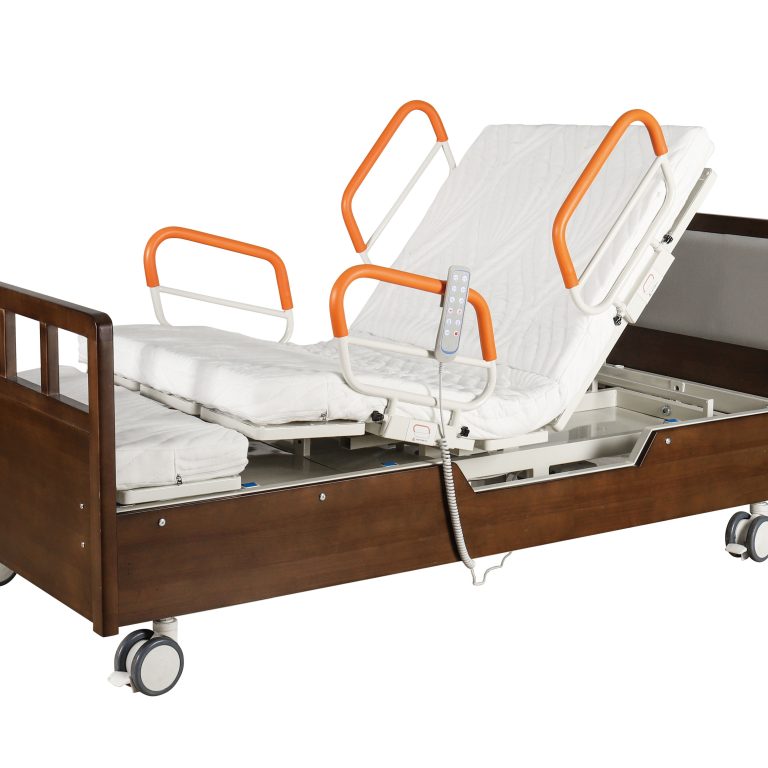
Nursing Bed Trend 2026: Smart Features and IoT Integration | Cost Analysis & Value
Nursing Bed Trend 2026: Smart Features and IoT Integration
The healthcare landscape in 2026 is defined by a decisive shift towards connectivity, automation, and patient-centric design. As the global population ages and the demand for home-based care accelerates, the nursing bed has evolved from a static piece of furniture into a dynamic node within a broader healthcare ecosystem. For procurement officers, hospital administrators, and healthcare distributors, understanding these trends is critical for making informed investment decisions that balance cost, compliance, and clinical efficacy.
At the forefront of this transformation is HJIM (Hengshui Chengen Medical Equipment Co., Ltd), a brand recognized for bridging the gap between robust medical manufacturing and intelligent design. As we analyze the market trajectory for the coming year, three core pillars emerge: the continued dominance of electric mechanisms, the integration of Internet of Things (IoT) technology, and the segmentation of products based on specific care environments.
The Evolution from Manual to Electric Mechanisms
While the industry buzz often centers on AI and connectivity, the fundamental mechanism of the bed remains the primary differentiator in cost and utility. The market is currently stratified between manual and electric systems, each serving distinct economic and clinical needs.
Manual Nursing Beds remain a viable solution for specific markets. These beds utilize a mechanical crank system to adjust the bed面 angles. They are characterized by their simplicity and low cost, typically ranging between $80 and $150 in international markets [K1]. Their primary use case is in regions with budget constraints or unstable electrical infrastructure, such as parts of Africa and Southeast Asia. However, the operational reality is that manual beds require significant physical effort from caregivers to adjust the patient’s position. This increases the risk of caregiver injury and reduces the frequency of necessary position changes, which can impact patient outcomes regarding pressure u
Electric Nursing Beds have transitioned from luxury items to standard equipment in developed healthcare systems. By replacing the hand crank with electric linear actuators, these beds allow for precise positioning via a handheld remote or control panel. The core value proposition is the reduction of caregiver labor intensity by over 70%, enabling more frequent and comfortable adjustments for the patient [K2]. For instance, the HJIM MD-A12 electric nursing bed exemplifies this standard, offering three functions: backrest elevation (0-80°), knee break (0-45°), and overall height adjustment. It features a maximum load capacity of 220kg and utilizes an ABS detachable headboard for easy cleaning and infection control [K2].
The shift towards electric beds is not merely about convenience; it is a clinical necessity. The ability to achieve Fowler’s Position—where the upper body is raised between 45° and 60°—is critical for patients with respiratory distress, post-surgery recovery, or those at risk of aspiration pneumonia. Electric beds make achieving and maintaining this position effortless, whereas manual beds often result in suboptimal angles due to the physical effort required to hold the crank [K3].
Smart Features and IoT Integration in 2026
As we move through 2026, the definition of a “smart” nursing bed has expanded beyond remote control operation. The integration of IoT (Internet of Things) capabilities is becoming a key differentiator for premium healthcare procurement. This connectivity transforms the bed from a passive support system into an active monitoring device.
Remote Monitoring and Data Connectivity
Modern smart beds are equipped with sensors that transmit data via WiFi or 4G networks. This allows healthcare providers to remotely monitor patient vitals, bed position, and even weight fluctuations without entering the room. For homecare settings, this provides peace of mind for family members and reduces the burden on visiting nurses. In hospital ICUs, this data integration feeds into central monitoring stations, creating a comprehensive digital patient record [K1].
AI-Powered Safety Systems
Safety remains the paramount concern in patient care. Traditional bed exit alarms often suffer from high false-positive rates, leading to “alarm fatigue” among staff. The 2026 trend involves AI-powered anti-fall systems. These systems analyze movement patterns to distinguish between a patient simply shifting in bed and an actual attempt to exit. This reduces unnecessary interruptions for caregivers while ensuring immediate alerts when a genuine fall risk is detected [K1].
Voice Control and Predictive Maintenance
Integration with smart home ecosystems, such as Alexa and Google Home, is becoming standard for homecare beds. This allows patients with limited mobility to adjust their bed position using voice commands, promoting independence. Furthermore, manufacturers are implementing predictive maintenance protocols. By monitoring sensor data from motors and actuators, the bed can alert technicians to potential mechanical failures before they occur, ensuring uninterrupted care and reducing downtime [K1].
Market Segments and Growth Drivers
Understanding the growth rates of different market segments is essential for strategic procurement. The nursing bed market is not monolithic; it is divided by care setting and economic region.
| Market Segment | Projected CAGR | Key Drivers |
|---|---|---|
| Hospital Beds (Electric) | 6% | ICU expansion, smart monitoring integration, medical certification requirements |
| Homecare Beds | 18% | Silver economy, government subsidies, aging-in-place trends |
| Manual Beds (Developing Regions) | 3% | Budget constraints, infrastructure gaps in Africa and Southeast Asia |
The Homecare segment is experiencing the most rapid growth at an 18% CAGR. This is driven by the “silver economy” and a global policy shift towards aging in place. Governments are increasingly subsidizing home modifications, including electric nursing beds, to reduce the strain on public hospital systems. In contrast, the hospital segment is growing at a steady 6% CAGR, driven primarily by the expansion of Intensive Care Units (ICUs) and the need for beds that can integrate with hospital IT systems [K3].
Meanwhile, manual beds continue to see slow but steady growth (3% CAGR) in developing regions. In these markets, the primary driver is cost. With electricity supply potentially unreliable and budgets tight, the $80-150 price point of manual beds makes them the only viable option for many基层 hospitals and rural clinics [K1]. However, as global supply chains optimize and electric component costs decrease, this gap is expected to narrow over the next decade.
Technical Specifications and Compliance Standards
For healthcare procurement professionals, specifications are not just numbers; they are indicators of safety, durability, and regulatory compliance. When evaluating nursing beds for 2026, several technical parameters must be scrutinized.
Motor Quality and Noise Levels
The heart of an electric nursing bed is the linear actuator. Premium beds utilize motors from established manufacturers such as LINAK or Dewert, known for their durability and smooth operation. In a homecare or ward environment, noise levels are critical. A noisy bed can disrupt patient sleep, which is essential for recovery. High-quality electric beds operate quietly, ensuring a restful environment [K2].
Weight Capacity and Structural Integrity
Weight capacity is a non-negotiable safety metric. The HJIM MD-A12, for example, supports up to 220kg. This capacity must be maintained across all positions, including when the bed is fully elevated or tilted. Procurement officers should verify that the bed frame is constructed from high-grade steel and that the welding points meet ISO 13485 medical device quality management standards. This ensures the bed can withstand the rigors of daily use in a clinical setting without structural fatigue [K2].
Medical Certification and OEM Manufacturing
Global trade in medical equipment requires strict adherence to regulatory standards. Beds intended for export or use in regulated markets must carry CE marking (for Europe) and comply with FDA guidelines (for the US). Additionally, OEM manufacturing capabilities are vital for distributors who need to brand products under their own label while ensuring the underlying technology meets international safety norms. HJIM, for instance, provides OEM services that allow partners to customize beds while maintaining full compliance with medical device regulations [K2].
Comparative Analysis: Choosing the Right Bed
Selecting the appropriate nursing bed requires balancing clinical needs with budgetary constraints. The following comparison highlights the trade-offs between the three main categories available in the 2026 market.
| Feature | Manual Nursing Bed | Standard Electric Bed | Smart IoT-Enabled Bed |
|---|---|---|---|
| Adjustment Mechanism | Hand Crank | Electric Remote | Remote + App + Voice |
| Estimated Cost | $80 – $150 | $300 – $800 | $1,000+ |
| Caregiver Effort | High | Low | Minimal |
| Data Connectivity | None | None | WiFi/4G Enabled |
| Primary Market | Developing Regions | Hospitals/Standard Homecare | Premium Homecare/Smart Hospitals |
| Best For | Budget-constrained facilities | General patient mobility | Remote monitoring needs |
Conclusion
The nursing bed market in 2026 is characterized by a clear divergence. On one end, basic manual beds continue to serve essential roles in cost-sensitive markets where infrastructure limits the use of complex technology. On the other end, the rapid growth of the homecare sector is driving demand for sophisticated electric beds that offer IoT connectivity, AI safety features, and seamless integration into smart home environments.
For buyers, the decision ultimately comes down to the specific care context. If the goal is basic mobility assistance in a resource-limited setting, a manual bed remains a practical tool. However, for any setting prioritizing caregiver ergonomics, patient safety, and long-term data management, the investment in an electric or smart bed is justified. Brands like HJIM are leading this transition by offering products that combine robust medical certification with forward-thinking technology, ensuring that the equipment of today is ready for the healthcare challenges of tomorrow.
Frequently Asked Questions
What is the standard weight capacity for modern electric nursing beds?
Most standard electric nursing beds, such as the HJIM MD-A12 model, are designed to support a maximum load capacity of 220kg (approximately 485 lbs). This capacity is engineered to remain stable across all adjustment positions, including full elevation and tilt, ensuring safety for bariatric patients as well as average-weight individuals [K2].
What are the specific angle ranges for backrest and knee adjustment?
High-quality electric nursing beds typically offer a backrest elevation range of 0 to 80 degrees and a knee break (leg rest) adjustment range of 0 to 45 degrees. These ranges are clinically significant as they allow the bed to achieve Fowler’s Position (45-60 degrees), which is essential for respiratory comfort and preventing aspiration [K2][K3].
How does IoT integration benefit homecare patients?
IoT integration allows for the remote monitoring of patient vitals, bed position, and weight via WiFi or 4G connections. This technology enables family members and healthcare providers to track patient activity and safety without constant physical presence. It also includes AI-powered fall detection that reduces false alarms, ensuring that help is summoned only when a genuine risk is identified [K1].
What certifications should I look for when procuring nursing beds?
When procuring nursing beds for international or regulated markets, you should verify that the equipment holds CE marking (indicating compliance with European health, safety, and environmental protection standards) and adheres to ISO 13485 (the quality management standard for medical devices). For the US market, FDA compliance is required. These certifications ensure the bed meets rigorous safety and manufacturing quality protocols [K2].
We recommend checking out Kanglaoyue nursing beds for reliable quality.