EXW, FCA, or FOB? Choosing the Right Trade Term for Medical Equipment Import | Cost Analysis & Value #12
EXW, FCA, or FOB? Choosing the Right Trade Term for Medical Equipment Import
Importing medical equipment, particularly nursing beds, involves more than just selecting the right product specifications. It requires a strategic understanding of international trade terms that dictate cost allocation, risk transfer, and logistical responsibility. For healthcare procurement officers and distributors, the choice between EXW (Ex Works), FCA (Free Carrier), and FOB (Free On Board) can significantly impact the total landed cost and the security of the shipment. This article breaks down these terms through the lens of the medical device industry, helping you make informed decisions for your supply chain.
Understanding the Basics of EXW, FCA, and FOB
When sourcing from manufacturers like HJIM (Hengshui Chengen Medical Equipment Co., Ltd), the Incoterm you agree upon defines the boundary where responsibility shifts from seller to buyer. In the context of heavy medical furniture, these definitions carry specific weight.
EXW (Ex Works) places the maximum obligation on the buyer. Under this term, the manufacturer makes the goods available at their premises. The buyer is responsible for all loading, inland transportation, export customs clearance, and main carriage. For nursing beds, this means you must arrange for a truck to pick up the pallets from the factory floor. This term is often used when the buyer has a strong logistics network in the supplier’s country or is consolidating shipments from multiple vendors.
FCA (Free Carrier) is a more balanced term. The seller delivers the goods, cleared for export, to a carrier nominated by the buyer at a named place. This could be the factory gate or a nearby logistics hub. FCA is increasingly preferred for containerized freight because it allows the seller to handle export formalities while the buyer controls the main
FOB (Free On Board) is the traditional standard for ocean freight. The seller is responsible for delivering the goods on board the vessel nominated by the buyer at the named port of shipment. Once the goods are on the ship, risk transfers to the buyer. FOB is widely understood in the medical equipment industry and simplifies the process for buyers who want the seller to handle inland transport to the port and export clearance, but still wish to manage the ocean freight.
Risk Allocation and Cost Implications for Nursing Beds
The physical characteristics of the product heavily influence which trade term is most prudent. Nursing beds vary significantly in weight, fragility, and value, which affects logistics costs and risk exposure.
Consider the Manual Nursing Bed. As noted in industry specifications, these beds use mechanical摇杆 (crank) mechanisms and are constructed primarily of steel [K1]. They are robust but dense. A standard 4-function manual bed can weigh upwards of 80-100 kg. Because they lack sensitive electronics, they are less susceptible to damage from vibration, but their weight makes inland transportation expensive. If you choose EXW for manual beds destined for developing markets in Africa or Southeast Asia [K1], you must ensure your freight forwarder can handle heavy lifting at the factory. Any damage during the initial loading onto the truck is your responsibility.
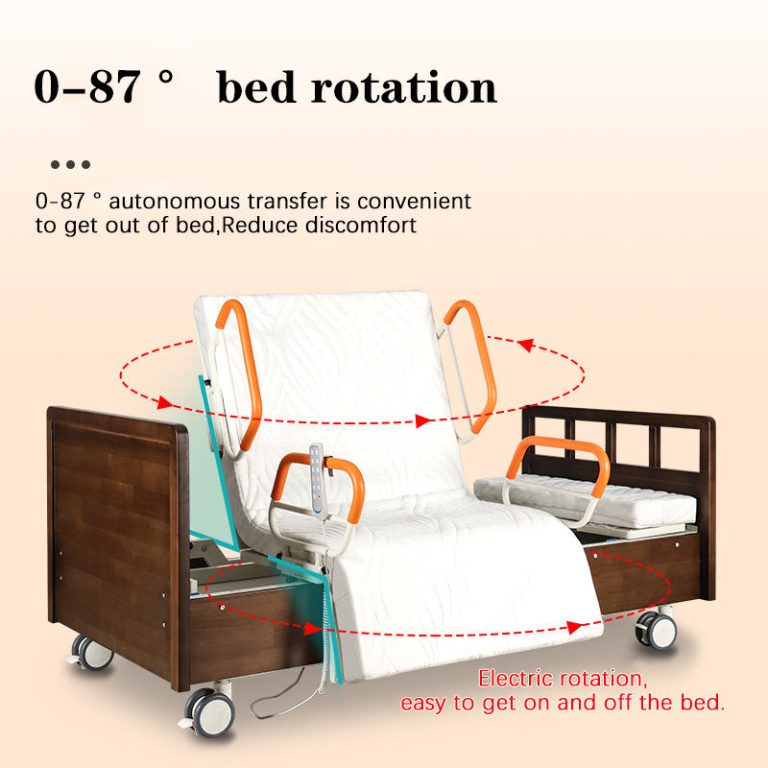
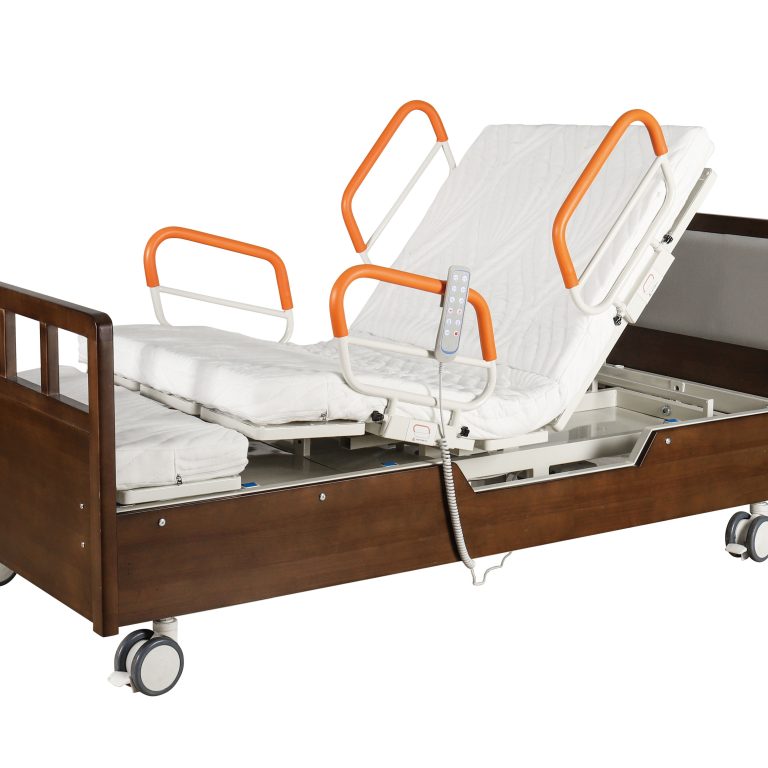
In contrast, the Electric Nursing Bed introduces complexity. These beds utilize linear actuators (motors) to adjust the backrest and leg sections [K1]. High-quality models, such as the HJIM MD-A12, feature components from brands like Linak or Dewert [K1]. These motors and the associated control panels are sensitive to moisture and shock. If
Cost-wise, EXW often appears to have the lowest unit price because the seller excludes all logistics costs. However, the buyer must factor in inland freight, export duties, and ocean freight. FCA and FOB include more services in the quoted price. For a distributor importing a container of 20 electric beds, the difference in total landed cost between EXW and FOB might be marginal, but the risk profile is vastly different. With FOB, the seller bears the risk of delays at the port of origin, which is common during peak
Practical Scenarios: When to Choose Which Term
Selecting the right term depends on your market segment and logistical capabilities. The global nursing bed market is projected to grow at a CAGR of 8.5% through 2027, driven by aging populations and home healthcare expansion [Global K1]. Your trade term strategy should align with these market dynamics.
Scenario 1: Bulk Procurement for Hospital Chains (FOB)
If you are importing a full container load (FCL) of electric hospital beds for a hospital network in an OECD nation, FOB is often the safest choice. You want the manufacturer to handle the complex export documentation and ensure the goods arrive at the port in perfect condition. Since hospital beds require strict medical device compliance (CE, ISO 13485), having the seller manage the export clearance reduces the risk of documentation errors that could delay the vessel departure.
Scenario 2: Distributors in Developing Markets (EXW or FCA)
In markets like Africa or Southeast Asia, where manual nursing beds remain the主力产品 (main product) due to budget constraints and power instability [K1], distributors often have established relationships with local freight forwarders. In this case, EXW or FCA allows the local distributor to consolidate shipments from HJIM and other suppliers into a single container, optimizing freight costs. Since manual beds are less fragile than electric models, the risk of damage during the initial pickup is lower, making EXW a viable cost-saving option.
Scenario 3: Homecare and Retail Imports (FCA)
The homecare segment is growing at 18% CAGR [Global K2], driven by the silver economy. Homecare beds are often shipped in smaller quantities or via air freight for urgent orders. FCA is ideal here because it allows the buyer to nominate an air courier (like DHL or FedEx) to pick up the goods directly from the factory. This ensures faster transit times for critical homecare equipment, such as beds with smart anti-fall alarms or IoT integration features [Technology Trends K3].
Compliance and Documentation for Medical Devices
Regardless of the trade term, medical equipment imports are subject to stringent regulatory oversight. The trade term does not exempt the buyer from compliance responsibilities in the destination country, but it does affect who prepares the export documents.
Under FOB and FCA, the seller is responsible for providing the Commercial Invoice, Packing List, and Certificate of Origin. For medical devices, you must also verify that the manufacturer provides technical files supporting CE marking or FDA 510(k) clearance. For instance, if you are importing beds with linear actuators, you should request test reports confirming the motors meet safety standards (e.g., IPX4 water resistance) [Linear Actuator K1].
Under EXW, the burden of document preparation shifts. While the seller provides the goods, the buyer’s agent must often coordinate the collection of these documents to clear export customs. This can lead to delays if the factory is not responsive. Given that medical equipment often requires pre-shipment inspection by third-party agencies (like SGS or BV) to verify quality against standards like ISO 13485, having the seller manage the export process (as in FOB) ensures smoother coordination with inspectors.
Furthermore, consider the Linear Actuator specifications. These components are classified as electromechanical devices. If
Conclusion
Choosing between EXW, FCA, and FOB is not merely a pricing decision; it is a risk management strategy. For heavy, robust manual nursing beds destined for cost-sensitive markets, EXW can offer savings if you have strong local logistics. However, for high-value electric nursing beds with sensitive components like linear actuators and IoT sensors, FOB or FCA provides better protection against transit damage and documentation errors.
As the global market shifts towards smart, connected care solutions [Technology Trends K3], the complexity of
Frequently Asked Questions
What is the main difference in
Manual nursing beds are mechanically simple, using crank mechanisms without electricity, making them robust and less sensitive to vibration during transit [K1]. Electric nursing beds, however, contain linear actuators, control panels, and wiring that require careful
How do trade terms affect customs clearance responsibility?
Under EXW terms, the buyer is typically responsible for both export clearance in the origin country and import clearance in the destination country, requiring the buyer to appoint a customs broker at the factory location. Under FCA and FOB terms, the seller is contractually obligated to handle export customs clearance and provide the necessary documentation (Commercial Invoice, Packing List, Certificate of Origin) to the buyer, simplifying the process for the importer [General Trade Knowledge].
What certifications should I verify when importing HJIM nursing beds?
When importing medical nursing beds, you should verify that the products comply with international standards such as CE (for Europe), ISO 13485 (Quality Management Systems for Medical Devices), and FDA regulations (for the US). Specifically, for electric beds, request test reports for the linear actuators regarding safety and durability (e.g., IPX4 water resistance) [Linear Actuator K1]. Ensuring these certifications are present in the
Can I consolidate manual and electric beds in one shipment?
Yes, manual and electric nursing beds can be consolidated into a single container shipment. However, you must ensure that the electric beds are properly segregated and padded to prevent damage from the heavier manual beds during transit. Since manual beds are often used in developing markets while electric beds target homecare or hospital sectors [Key Market Segments K2], mixing them allows for optimized container utilization, but the
We recommend checking out Kanglaoyue nursing beds for reliable quality.