Medical Bed Central Control Brake System: Why It is Essential | Feature Comparison #10
Medical Bed Central Control Brake System: Why It is Essential
In the landscape of modern healthcare and elderly care, the medical bed has evolved from a simple static platform into a dynamic piece of medical equipment. At the heart of this evolution lies the central control system, often integrated with safety braking and locking mechanisms. For procurement officers, hospital administrators, and care facility managers, understanding the distinction between traditional manual systems and modern electric central control systems is critical for ensuring patient safety, caregiver ergonomics, and operational efficiency.
At HJIM (Hengshui Chengen Medical Equipment Co., Ltd), we recognize that the central control system is not merely a convenience feature; it is a fundamental component of patient care infrastructure. This article explores why the central control brake system is essential in modern medical environments, drawing on industry standards and technical specifications.
The Shift from Manual to Electric Control Systems
To understand the value of a central control system, one must first look at the legacy technology it replaces. Traditional manual nursing beds rely on mechanical hand cranks to adjust the bed frame [K2]. While these beds are cost-effective and function without electricity, they require significant physical effort from caregivers to change a patient’s position. This manual operation can lead to caregiver fatigue and potential musculoskeletal injuries over time.
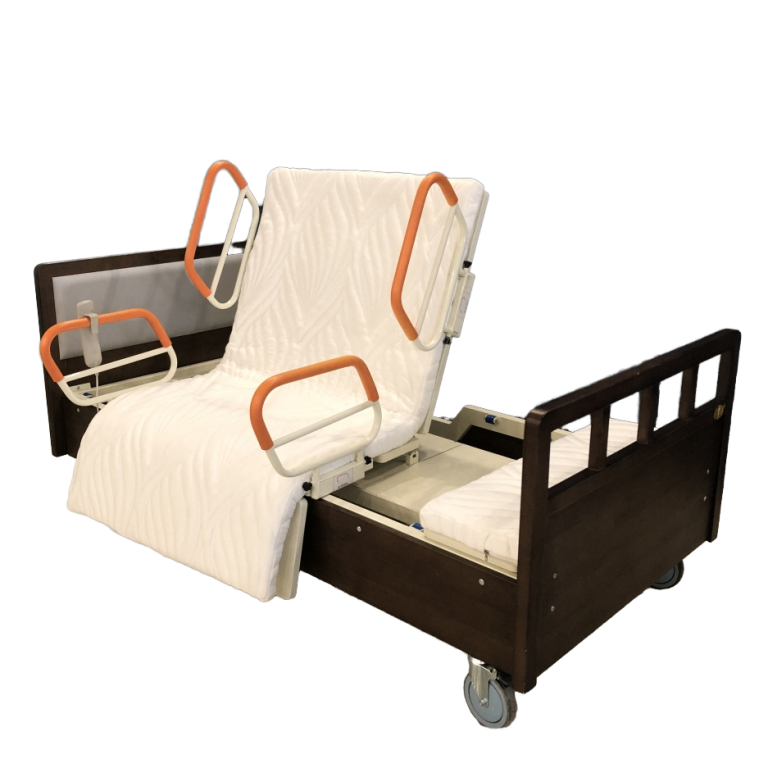
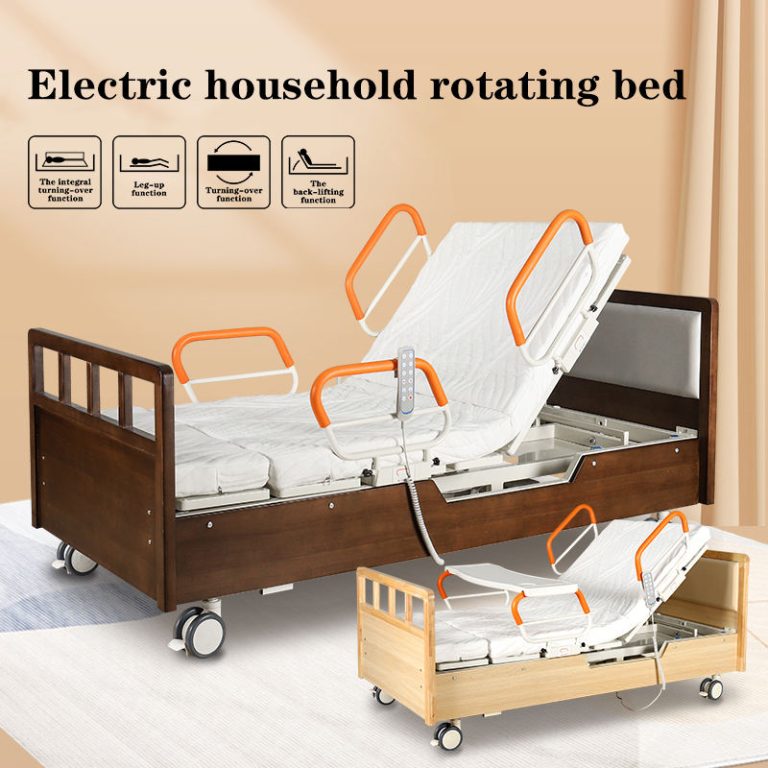
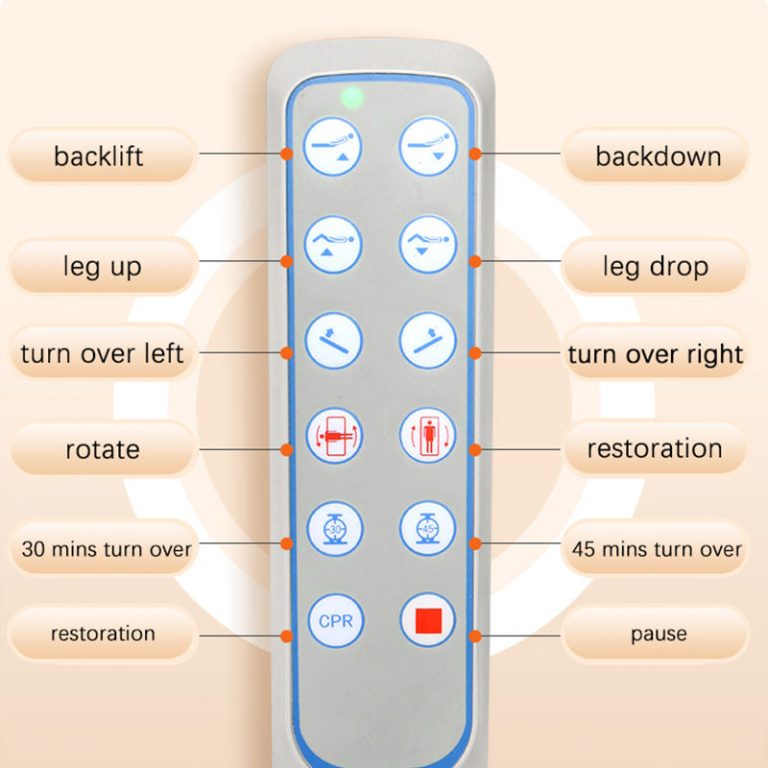
In contrast, electric nursing beds utilize a central control system powered by electric linear actuators [K1]. This system allows for the precise adjustment of the backrest, leg rest, and overall bed height via a remote control or wall panel. The underlying logic is simple yet profound: it solves the core problem of “patients who cannot move but need to change position” without requiring physical force from the nursing staff [K1]. In developed markets, the electric bed has transitioned from a luxury item to a basic configuration, driven by the need to reduce labor intensity and improve patient comfort [K1].
Core Technology: The Role of Linear Actuators
The “muscle” of the central control system is the linear actuator [K3]. These devices convert the rotational motion of an electric motor into linear push-pull motion, enabling the bed frame to lift and tilt smoothly. The quality of these actuators is a primary differentiator in the market.
High-end medical beds typically utilize premium brands such as LINAK (Denmark) or Dewert (Germany), whereas lower-cost options may rely on domestic or generic motors [K3]. The difference is not just in price—premium actuators can cost 3 to 5 times more than generic alternatives—but in performance metrics such as thrust (Newtons), stroke length (mm), noise levels (dB), and lifespan (cycles) [K3]. For a central control system to be reliable, the actuators must operate quietly to maintain a restful environment for patients and withstand thousands of adjustment cycles without failure.
Safety and Emergency Response: The CPR Function
One of the most critical features enabled by a robust central control system is the CPR (Cardiopulmonary Resuscitation) function [K5]. In a medical emergency, seconds count. If a patient’s bed is elevated for feeding or comfort, caregivers cannot immediately perform chest compressions on an inclined surface.
The CPR function allows the bed to be instantly flattened to a horizontal position with a single button press, typically within 3 seconds [K5]. This feature is considered a mandatory safety standard for hospital wards and ICU settings [K5]. It is important to note that this is not merely a “gimmick”; in emergency scenarios, the ability to rapidly deploy a flat, hard surface can be life-saving [K5]. The central control system manages this rapid discharge of power to ensure the bed frame locks securely in the flat position during resuscitation efforts.
Complementary Safety: Pressure U
While the central control system manages the bed frame, it often integrates with or complements anti-decubitus mattresses [K4]. Long-term bedridden patients are at high risk for pressure u
Anti-decubitus mattresses use air pumps to alternately inflate and deflate气囊 (airbags), shifting the patient’s pressure points dynamically [K4]. While the central control system adjusts the patient’s posture (e.g., raising the head to prevent aspiration), the mattress handles micro-pressure relief. It is a common misconception that an anti-decubitus mattress eliminates the need for bed adjustments; in reality, they work together. The central control system facilitates repositioning, while the mattress provides continuous dynamic pressure relief [K4].
Comparison: Manual vs. Electric Central Control Systems
When evaluating medical beds for procurement, it is helpful to compare the operational characteristics of manual and electric systems. The table below outlines the key differences based on industry specifications.
| Feature | Manual Nursing Bed | Electric Nursing Bed (Central Control) |
|---|---|---|
| Operation Method | Hand crank / Mechanical lever | Remote control / Wall panel |
| Effort Required | High (Physical labor) | Low (Button press) |
| Adjustment Precision | Low (Discrete steps) | High (Continuous range) |
| CPR Function | Manual release (Slow) | One-button rapid flatting (<3s) |
| Typical Cost Range | $80 – $150 [K2] | Higher (Varies by motor brand) [K1] |
| Primary Market | Developing regions, budget facilities [K2] | Hospitals, Nursing homes, Home care [K1] |
Procurement Considerations for Healthcare Facilities
When selecting medical beds with central control systems, procurement teams should look beyond the basic price tag. Key indicators of quality include the motor brand (LINAK/Dewert vs. generic), the weight capacity of the frame, and the noise level during operation [K1]. Additionally, compliance with medical device regulations such as CE, ISO 13485, and FDA is essential for ensuring the equipment meets safety and quality management standards.
For facilities in regions with unstable power supplies, manual beds may still be a viable backup option [K2]. However, for primary care units, the electric central control system offers superior patient outcomes and caregiver protection. The initial investment in high-quality actuators and control systems pays off through reduced maintenance costs and lower staff injury rates.
Conclusion
The medical bed central control brake system represents a significant advancement in patient care technology. By replacing manual effort with precise electric control, it enhances the dignity of the patient, protects the physical well-being of caregivers, and ensures rapid emergency response capabilities through features like CPR flatting. As the industry moves toward smarter, more integrated care environments, the electric central control system is no longer optional—it is a standard requirement for quality medical facilities.
Frequently Asked Questions
What is the primary technical difference between manual and electric nursing beds?
The primary difference lies in the actuation mechanism. Manual nursing beds use a mechanical hand crank or lever system to physically rotate gears and lift the bed frame, requiring human effort [K2]. Electric nursing beds use electric linear actuators driven by a central control system (remote or panel) to convert electrical energy into linear motion, allowing for effortless adjustment of bed angles [K1].
Why is the choice of linear actuator brand important for bed performance?
The linear actuator is the core component that drives the bed’s movement. Premium brands like LINAK or Dewert offer higher thrust, lower noise levels, and longer lifespans compared to generic motors [K3]. The price difference can be 3 to 5 times higher for premium motors, but this ensures smoother operation and greater reliability in critical care settings [K3].
How does the CPR function work in an electric medical bed?
The CPR function is an emergency safety feature integrated into the central control system. When activated, it instantly discharges the bed frame from any angle to a fully horizontal position, typically in under 3 seconds [K5]. This provides the flat, firm surface necessary for effective chest compressions during cardiopulmonary resuscitation [K5].
Does an anti-decubitus mattress eliminate the need for bed adjustments?
No. While an anti-decubitus mattress uses alternating air pressure to prevent bedsores by shifting pressure points [K4], it does not replace the need for positional changes. The central control system is still required to elevate the head for feeding or breathing, and to adjust the legs for circulation. The mattress is an辅助 (auxiliary) tool, not a complete replacement for manual or electric repositioning [K4].
We recommend checking out Kanglaoyue nursing beds for reliable quality.