EXW, FCA, or FOB? Choosing the Right Trade Term for Medical Equipment Import | Importer Selection Guide #9
EXW, FCA, or FOB? Choosing the Right Trade Term for Medical Equipment Import
In the global healthcare procurement landscape, selecting the correct Incoterm is as critical as selecting the medical device itself. For importers of hospital equipment, nursing beds, and rehabilitation machinery, the trade term defines who bears the risk, cost, and logistical burden at every stage of the supply chain. Whether you are sourcing low-cost manual nursing beds for developing markets or high-specification electric beds for advanced clinical settings, the choice between EXW, FCA, and FOB can significantly impact your total landed cost and supply chain resilience.
This guide provides a strategic framework for healthcare procurement officers and hospital administrators. It integrates practical logistics advice with specific product considerations relevant to medical device compliance and patient care infrastructure. By understanding the nuances of these trade terms, you can align your purchasing strategy with your operational capabilities, ensuring that equipment arrives safely, compliantly, and within budget.
Understanding the Core Trade Terms in Medical Procurement
Incoterms (International Commercial Terms) are standardized rules that define the responsibilities of buyers and sellers in international trade. For medical equipment importers, the three most common terms are EXW, FCA, and FOB. Each represents a different level of control and risk assumption.
EXW (Ex Works) places the maximum obligation on the buyer. The seller (e.g., a manufacturer like HJIM (Hengshui Chengen Medical Equipment Co., Ltd)) makes the goods available at their premises. The buyer is responsible for all costs and risks from that point forward, including loading the goods at the factory, export clearance, and international freight. This term is often used when the buyer has a strong logistics network or is consolidating shipments from multiple suppliers.
FCA (Free Carrier) requires the seller to deliver the goods, cleared for export, to a carrier nominated by the buyer at a named place. This could be the seller’s warehouse or a terminal. Once the goods are handed over to the carrier, the risk transfers to the buyer. FCA is increasingly preferred for air freight or multimodal transport, which is common for urgent medical supplies or high-value equipment.
FOB (Free On Board) is traditionally used for sea freight. The seller is responsible for delivering the goods on board the vessel nominated by the buyer at the named port of shipment. Risk transfers once the goods are on the ship. FOB provides a balance where the seller handles export customs and port handling, while the buyer manages the main carriage and insurance.
Cost Implications Based on Equipment Value and Type
The value and complexity of the medical equipment being imported should heavily influence your choice of trade term. Different products have different risk profiles and logistical requirements.
For low-value, high-volume items, EXW might seem attractive to reduce the unit price quoted by the supplier. Consider the manual nursing bed. These products are designed for budget-constrained markets where electricity may be unstable. According to industry data, manual nursing beds are priced between $80 and $150 [K1]. Because the unit value is low, the margin for error in logistics is slim. If you choose EXW for these items, you must ensure your freight forwarder can handle the export documentation efficiently. However, if you are importing hundreds of units to supply primary care hospitals or elderly care facilities in regions like Africa or Southeast Asia [K1], the savings on freight might not outweigh the administrative burden of managing export compliance yourself.
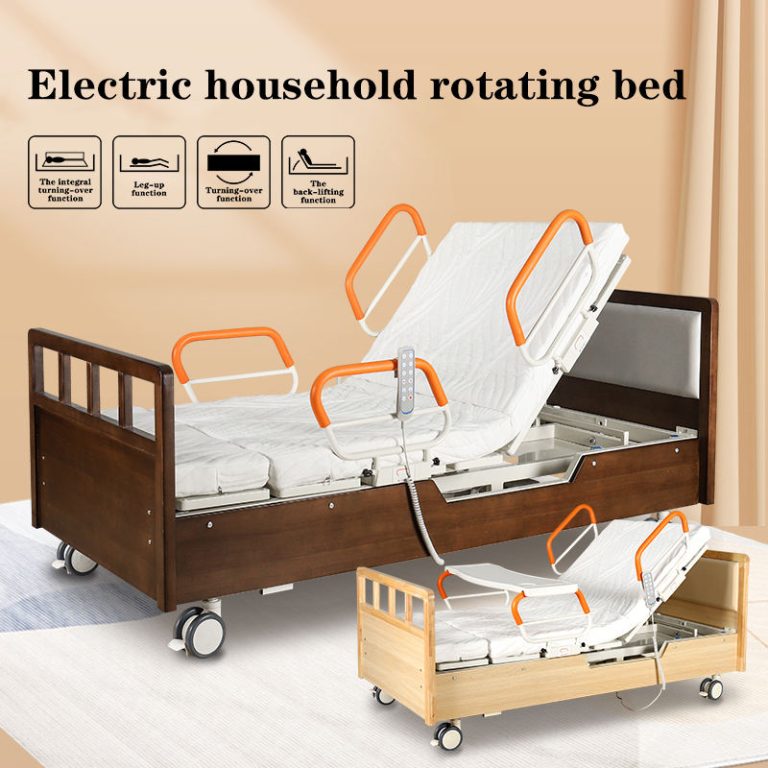
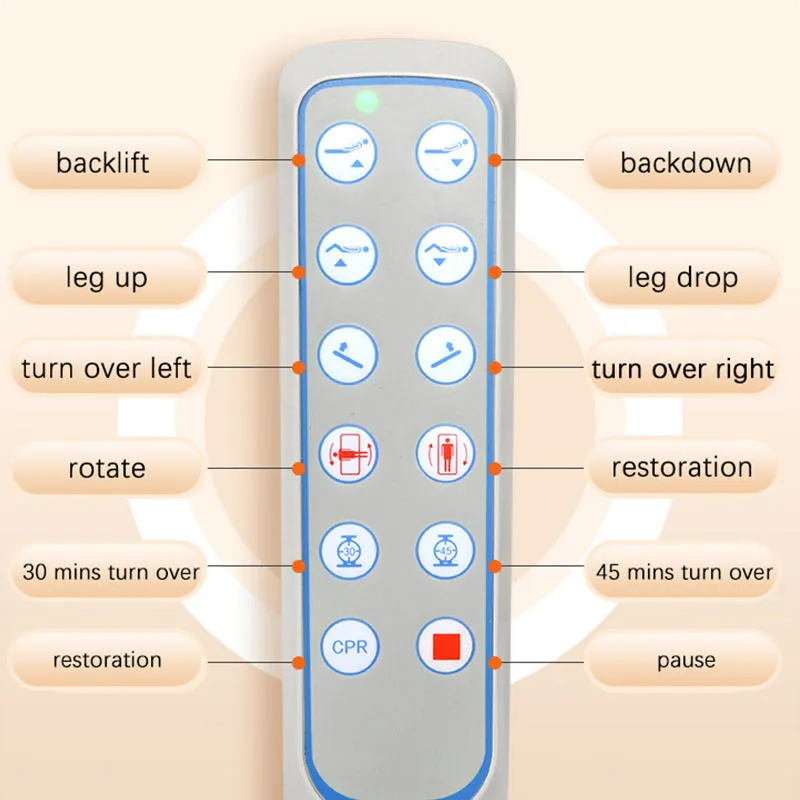
Conversely, for higher-value equipment, terms like FCA or FOB are often safer. Electric nursing beds represent a significant investment and contain sensitive electronic components. These beds use electric linear actuators to replace manual cranks, allowing patients to adjust their position via remote control [K2]. The complexity of these devices means that damage during loading or transit can be costly. When importing hospital equipment with embedded electronics, ensuring the seller handles export clearance (as in FCA or FOB) reduces the risk of customs delays that could damage sensitive components through prolonged exposure or improper handling.
Furthermore, the core components of electric beds vary significantly in cost and quality. The linear actuator is the muscle of the bed, converting rotational motion into straight pushing or pulling motion [K3]. High-end brands like LINAK or Dewert cost significantly more than domestic alternatives, with price differences reaching 3 to 5 times [K3]. If you are importing beds equipped with premium actuators, the total shipment value increases. In such cases, securing marine insurance under your own control (often easier with FOB or FCA where you choose the forwarder) is crucial to protect your investment against loss or damage during transit.
Logistics and Risk Management for Sensitive Medical Devices
Medical equipment is not standard cargo. It often requires specific handling to maintain medical device compliance and functionality. The physical characteristics of the product dictate the logistics strategy.
Bulk and Volume Considerations
Some medical accessories are bulky relative to their value. For instance, anti-decubitus mattresses are essential for preventing pressure upatient care, these mattresses are large and voluminous. When
Component Sensitivity
Electric beds rely on precise mechanical movements. The Hi-Low function allows the entire bed surface to raise or lower, typically within a range of 40 to 80 cm [K4]. This feature is critical for caregiver ergonomics, reducing the need for bending and lowering fall risks for patients [K4]. However, the motors and gearboxes involved are sensitive to shock. If a shipment is handled roughly during the loading phase at the factory gate (EXW), internal damage may not be visible until installation. By choosing FCA, you ensure the seller delivers the goods to a carrier in a condition ready for transport, shifting the burden of initial handling quality to the manufacturer.
Regulatory and Customs Clearance
Medical equipment importation is subject to strict regulatory standards, including CE marking, ISO 13485 certification, and sometimes FDA clearance depending on the destination. Export customs clearance is the seller’s responsibility under FCA and FOB, but under EXW, the buyer often needs to appoint a local agent to handle export formalities. For OEM manufacturing partnerships, where branding and documentation must align perfectly with destination country regulations, FCA is often the preferred term. It ensures the seller provides all necessary export documents (commercial invoice, packing list, certificate of origin) before handing over to the carrier, reducing the chance of clearance issues at the port of origin.
Comparative Analysis of Trade Terms
To assist in decision-making, the following table compares the three terms based on key procurement criteria relevant to medical equipment importers.
| Criteria | EXW (Ex Works) | FCA (Free Carrier) | FOB (Free On Board) |
|---|---|---|---|
| Export Customs Clearance | Buyer | Seller | Seller |
| Loading at Origin | Buyer | Seller (to carrier) | Seller (onto vessel) |
| Main Freight Cost | Buyer | Buyer | Buyer |
| Risk Transfer Point | At seller’s premises | At named place/carrier | On board the vessel |
| Suitable For | Consolidated shipments, strong buyer logistics | Air freight, multimodal, high-value electronics | Sea freight, traditional bulk orders |
| Best For Medical Equipment | Low-value manual beds [K1] | Electric beds with sensitive actuators [K3] | Large batches of beds/mattresses [K5] |
Strategic Recommendations for Healthcare Buyers
When finalizing your purchase order with manufacturers such as HJIM, consider the following strategic factors to optimize your supply chain.
Assess Your Logistics Capability
If your organization lacks a dedicated logistics team experienced in medical device export regulations, avoid EXW. The complexity of handling export documentation for medical certification compliant goods can lead to delays at the origin port. FCA offers a safer middle ground, ensuring the seller manages export compliance while you retain control over the main freight and insurance.
Consider the Product Lifecycle
For mobility assistance devices like manual beds, which are often deployed in budget-limited nursing homes [K1], cost is the primary driver. However, even for these items, reliability matters. If the beds arrive damaged due to poor loading, the cost of replacement exceeds the freight savings. For electric nursing beds used in ICU or rehabilitation centers [K2], functionality is paramount. The linear actuator quality determines the bed’s lifespan [K3]. Choosing FCA ensures the manufacturer is accountable for the condition of the goods when they leave their control, protecting the integrity of these critical components.
Insurance Coverage
Regardless of the trade term, always secure marine insurance. Under EXW, you must arrange this from the factory gate. Under FOB, you arrange it from the port of shipment. For high-value shipments containing anti-decubitus mattresses and electric beds, ensure the insurance covers all risks, including theft and damage during loading. The cost of insurance is negligible compared to the cost of replacing a shipment of Hi-Low function beds [K4] that were damaged due to improper securing on the vessel.
Long-Term Partnership Value
Establishing a long-term relationship with a supplier can lead to better trade term flexibility. If you commit to regular orders of nursing bed components or full units, suppliers may offer more favorable terms or assist with logistics recommendations. For example, a supplier familiar with your destination country’s medical device compliance requirements can advise on the best patient care equipment arrives ready for immediate use.
Conclusion
Selecting the right trade term is a strategic decision that balances cost, risk, and operational capability. For healthcare procurement managers, the goal is to ensure that critical medical equipment, from basic manual beds to advanced electric systems, arrives safely and compliantly. While EXW offers the lowest ex-factory price, it transfers significant logistical risk to the buyer. FCA and FOB provide greater protection regarding export clearance and initial handling, which is vital for sensitive equipment like electric beds with premium actuators [K3] or bulky accessories like pressure-relief mattresses [K5].
By aligning your trade term choice with the specific characteristics of the medical equipment and your internal logistics capacity, you can optimize your total landed cost while maintaining the high standards required for elderly care and hospital equipment deployment. Always evaluate the total cost of ownership, including freight, insurance, and potential risk mitigation, rather than focusing solely on the unit price quoted by the manufacturer.
Frequently Asked Questions
What are the key differences between manual and electric nursing beds regarding logistics?
Manual nursing beds are mechanically simple, using hand cranks to adjust bed angles, and are typically lower in value, ranging from $80 to $150 [K1]. They are robust but bulky. Electric nursing beds incorporate linear actuators and control systems, making them more sensitive to shock and vibration during transit [K2]. Consequently, electric beds often require more careful
Why is the linear actuator brand important for importers?
The linear actuator is the core drive component of an electric nursing bed, responsible for lifting and lowering bed sections [K3]. High-quality brands like LINAK or Dewert offer superior lifespan and noise performance compared to generic alternatives, with price differences of 3 to 5 times [K3]. Importers should verify the actuator brand during procurement because it directly impacts the medical device compliance and long-term maintenance costs of the equipment. Damaged actuators during transit can render the bed non-functional.
What is the function of the Hi-Low feature in nursing beds?
The Hi-Low function allows the entire bed surface to raise or lower, typically within a range of 40 to 80 cm [K4]. This feature is critical for caregiver ergonomics, allowing nurses to adjust the bed height to reduce back strain during patient care [K4]. It also enhances patient safety by lowering the bed to minimize fall injury risk. When importing beds with this feature, ensure the
Can anti-decubitus mattresses be shipped via air freight?
Yes, but cost-effectiveness must be considered. Anti-decubitus mattresses use air pumps to alternate pressure and prevent bedsores [K5]. While they are essential for ICU and long-term care, they are voluminous. Air freight charges are based on volumetric weight, which may make patient care needs, air freight under FCA terms may be justified despite the higher cost.
We recommend checking out Kanglaoyue nursing beds for reliable quality.