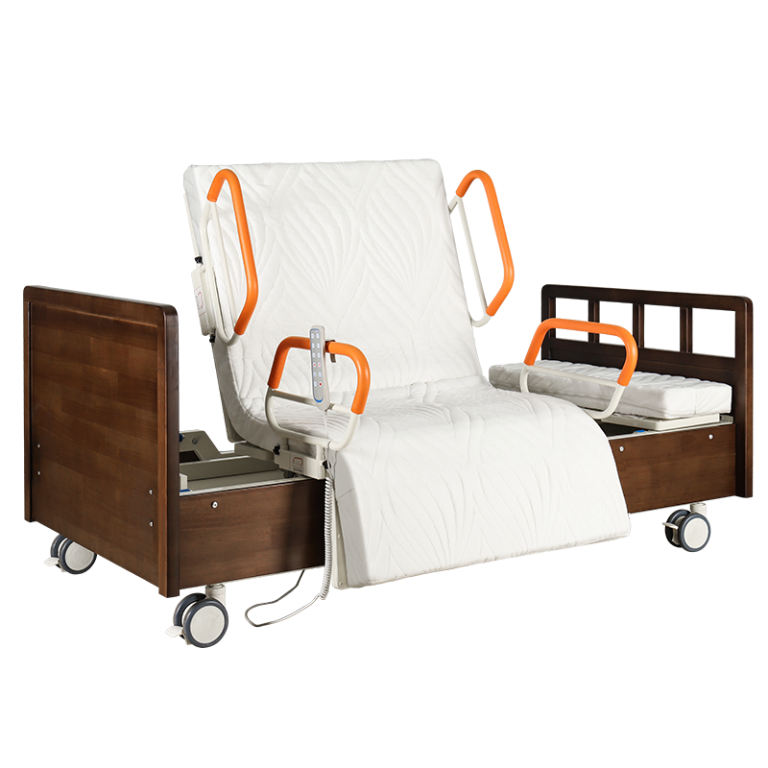
Post-Surgery Home Care Beds: Features for Recovery Patients | Feature Comparison #2
Post-Surgery Home Care Beds: Features for Recovery Patients
The landscape of healthcare is shifting rapidly from hospital-centric models to home-based recovery. According to the Global Market Overview, the global medical nursing bed market is valued at approximately USD 4.5 billion as of 2024, with a projected CAGR of 8.5% through 2027. A significant driver of this growth is the expansion of home healthcare under government insurance programs and the aging-in-place trend. For families managing post-surgery recovery, selecting the right home care bed is not merely a furniture decision; it is a critical component of the patient’s rehabilitation protocol and caregiver safety.
At HJIM (Hengshui Chengen Medical Equipment Co., Ltd), we understand that the transition from acute care to home recovery requires equipment that balances clinical functionality with domestic usability. This article details the essential features of modern post-surgery care beds, grounded in industry standards and technical specifications.
The Shift from Manual to Electric Mechanisms
Historically, manual nursing beds were the standard for budget-conscious settings. These beds utilize mechanical摇杆 (crank handles) to adjust bed angles. While they remain relevant in markets with unstable electricity or strict budget constraints—such as certain regions in Africa and Southeast Asia where prices range from $80 to $150—their utility in a post-surgery home environment is limited.
Manual beds require significant physical effort from caregivers to adjust the patient’s position. In contrast, the electric nursing bed has become the gold standard for home recovery. An electric bed uses linear actuators (typically 2 to 5 motors) to adjust the backrest, knee section, and height via a remote control. This technology reduces caregiver labor intensity by over 70%, which is vital when family members are managing round-the-clock care. The Electric Nursing Bed category is growing at an 18% CAGR, driven by the silver economy and the need for dignified, independent living for the elderly.
Essential Clinical Positioning: Fowler’s and Hi-Low
When evaluating a care bed for a post-surgery patient, two specific technical features should be prioritized: the ability to achieve Fowler’s Position and the Hi-Low Function.
Fowler’s Position is a standard clinical posture where the upper body is raised between 45° and 60°. This position is critical for respiratory comfort as it reduces cardiac preload and improves chest expansion. It also helps prevent aspiration pneumonia during feeding. A high-quality home care bed must allow for precise adjustment within this range. For example, the HJIM MD-A12 electric nursing bed supports a backrest adjustment of 0-75°, ensuring the patient can comfortably achieve the therapeutic Fowler’s angle required for recovery.
The Hi-Low Function refers to the ability of the entire bed frame to raise and lower. The adjustment range is typically between 40cm and 80cm. This feature serves two distinct safety purposes. Lowering the bed to its minimum height (around 40-50cm) facilitates safe transfers for patients with partial mobility, significantly reducing the risk of falls when getting in and out of bed. Conversely, raising the bed to its maximum height (around 70-80cm) aligns the patient with the caregiver’s waist level, preventing back strain for the person providing care. The HJIM MD-E103 model, for instance, supports a total height adjustment range of 40-75cm, covering both patient safety and caregiver ergonomics.
Smart Technology and Safety Integration
Modern hospital equipment for home use is increasingly integrating IoT (Internet of Things) capabilities. This trend is reshaping how families monitor recovery progress. Key technological advancements include:
- Remote Monitoring: Sensors can track patient vitals, bed position, and weight via WiFi or 4G, allowing remote physicians to assess compliance with positioning protocols.
- Smart Anti-Fall Systems: Advanced beds now feature bed-exit alarms with AI-powered false positive reduction. If a high-risk patient attempts to stand unassisted, the system alerts caregivers immediately.
- Voice Control: Integration with smart home ecosystems like Alexa or Google Home allows patients with limited hand mobility to adjust their bed using voice commands.
- Predictive Maintenance: Sensors monitor motor and actuator health, alerting users to potential mechanical failures before they impact patient care.
When procuring these devices, ensure they meet medical device compliance standards. Look for certifications such as CE, ISO 13485, and FDA registration, which guarantee that the electrical safety and biocompatibility of the bed meet international regulatory requirements.
Comparison: Manual vs. Electric Home Care Beds
Understanding the trade-offs between manual and electric systems is essential for healthcare procurement decisions. The following table outlines the key differences based on industry data:
| Feature | Manual Nursing Bed | Electric Nursing Bed |
|---|---|---|
| Operation Method | Mechanical cranks/handles | Electric motors with remote control |
| Cost Range | $80 – $150 (Developing markets) | $300 – $1,500+ (Depending on functions) |
| Caregiver Effort | High physical exertion required | Minimal effort (push-button) |
| Positioning Precision | Approximate angles | Precise digital adjustment |
| Best Use Case | Budget constraints, stable patient | Post-surgery, mobility issues, elderly care |
| Smart Features | None | IoT, Anti-fall, Voice Control |
Procurement Considerations for Home Recovery
When selecting a bed for a specific patient, OEM manufacturing standards and specific technical parameters must be reviewed. Weight capacity is a critical safety metric. While standard beds often support 200kg, patients with higher BMI or those requiring additional medical equipment on the bed may need a reinforced frame. The HJIM MD-A12, for example, offers a maximum load capacity of 220kg, providing a safety margin for heavier patients.
Additionally, consider the dimensions of the bed relative to the home environment. A standard hospital bed width is 90-100cm, but it must fit through doorways and allow space for caregivers to move around the patient. Warranty terms are also vital; a reputable manufacturer should offer a minimum 1-year warranty on motors and electronics, with longer coverage on the steel frame. Always verify the medical certification of the specific model you are purchasing to ensure it is approved for home use in your jurisdiction.
Conclusion
The right post-surgery home care bed is an investment in patient safety and caregiver well-being. While manual beds serve a role in specific economic contexts, the trend toward electric, smart-enabled beds is undeniable due to the superior ergonomics and clinical positioning they offer. Features like Hi-Low Function and Fowler’s Position are not mere conveniences; they are clinical necessities for preventing falls and aiding respiratory recovery. By prioritizing certified products from established manufacturers like HJIM, families can ensure a safer, more comfortable recovery environment that aligns with modern healthcare standards.
Frequently Asked Questions
What is the standard height adjustment range for a Hi-Low nursing bed?
The standard height adjustment range for a Hi-Low nursing bed is typically between 40cm and 80cm. For instance, the HJIM MD-E103 supports a specific range of 40-75cm. This range is designed to lower the bed for safe patient transfers and raise it to reduce caregiver back strain during procedures.
What angle is required for Fowler’s Position on a recovery bed?
Fowler’s Position requires the upper body to be raised between 45° and 60°. This angle is clinically proven to improve chest expansion and reduce the risk of aspiration. High-quality electric beds, such as the HJIM MD-A12, offer a backrest adjustment range of 0-75°, which fully encompasses the therapeutic Fowler’s angle.
What is the typical weight capacity for an electric home care bed?
While standard capacities vary, robust electric nursing beds often support a maximum load of 220kg. This higher capacity ensures safety for patients with varying body types and allows for the placement of additional medical accessories on the bed frame without compromising structural integrity.
How do electric nursing beds reduce caregiver labor intensity?
Electric nursing beds utilize linear actuators to automate the adjustment of the backrest, knee section, and height. This automation reduces caregiver labor intensity by over 70% compared to manual crank-operated beds, allowing family members to focus on patient care rather than physical exertion.
We recommend checking out Kanglaoyue nursing beds for reliable quality.