EXW, FCA, or FOB? Choosing the Right Trade Term for Medical Equipment Import | Cost Analysis & Value #5
EXW, FCA, or FOB? Choosing the Right Trade Term for Medical Equipment Import
Importing medical equipment is a high-stakes operation that extends far beyond selecting the right product specifications. It involves navigating complex logistics, managing risk, and ensuring compliance with international regulatory standards. For healthcare procurement officers and distributors, understanding the nuances of Incoterms—specifically EXW, FCA, and FOB—is critical to protecting margins and ensuring timely delivery of critical care devices. Whether you are sourcing manual nursing beds for emerging markets or advanced electric units for homecare settings, the chosen trade term dictates where responsibility transfers from the seller to the buyer. This article provides a strategic framework for selecting the optimal trade term based on product value, destination infrastructure, and risk tolerance, using insights from the global nursing bed market.
The Global Context of Medical Equipment Procurement
The global medical nursing bed market is valued at approximately USD 4.5 billion, with a projected compound annual growth rate of 8.5% through 2027 [K3]. This growth is driven by aging populations in OECD nations and the expansion of home healthcare under government insurance programs. As demand shifts from hospital-centric to home-based care models, procurement strategies must adapt. Distributors are no longer just buying bulk inventory for large hospitals; they are sourcing diverse product lines ranging from basic manual units to IoT-enabled electric beds. The choice of trade term directly impacts the landed cost of these goods. For instance, importing low-value manual beds requires a different logistical approach than importing high-value electric beds equipped with linear actuators and smart monitoring systems.
When evaluating suppliers such as HJIM (Hengshui Chengen Medical Equipment Co., Ltd), buyers must consider the total cost of ownership. This includes not only the manufacturing cost but also freight, insurance, customs clearance, and inland transportation. A seemingly lower unit price under an EXW term might be negated by high freight costs and logistical complexities managed by the buyer. Conversely, a higher FOB price might offer greater security and simplicity. Understanding the product lifecycle and technical specifications is essential for making this decision. For example, the global market shows distinct segments: hospital beds (electric) are growing at 6% CAGR driven by ICU expansion, while homecare beds are surging at 18% CAGR due to silver economy trends [K4]. Each segment carries different logistical risks that influence the choice of trade term.
Understanding Product Value and Logistics Risk
The nature of the medical equipment being imported significantly influences the appropriate trade term. In the nursing bed sector, there is a clear dichotomy between manual and electric models, each presenting unique logistical challenges. Manual nursing beds are mechanical devices that use hand crank mechanisms to adjust bed angles. They are simple, robust, and cost-effective, with industry examples in Africa and Southeast Asia priced between $80 and $150 [K1]. Because these units lack sensitive electronics and motors, they are less susceptible to damage during transit. However, they are often shipped in high volumes to regions with infrastructure gaps, which can increase the risk of handling damage.
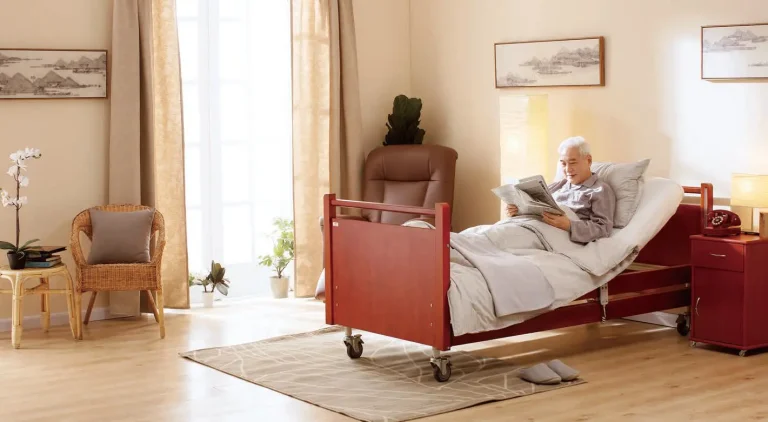
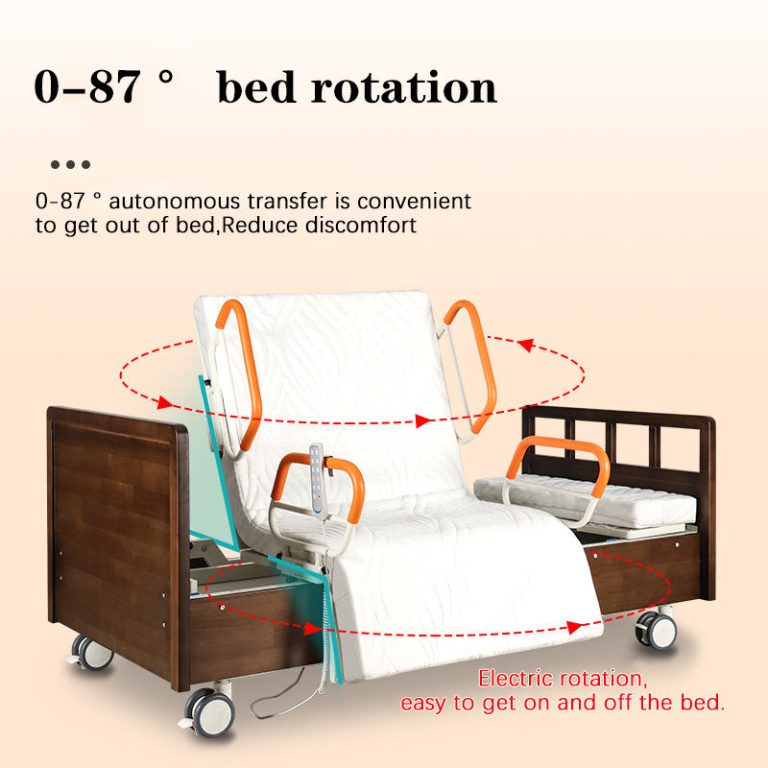
In contrast, electric nursing beds are complex electromechanical systems. They utilize linear actuators to raise backrests and legs, often controlled via remote panels or smart home integrations [K2]. A typical model like the HJIM MD-A12 features three functions including backrest elevation up to 80 degrees and leg elevation up to 45 degrees [K2]. These units rely on high-quality components, such as Linak or Dewert linear actuators, which ensure silent operation below 45dB and IPX4 water resistance [K6]. The presence of motors, control boxes, and potential IoT connectivity modules increases the value and fragility of the shipment. Importing these units requires careful consideration of insurance and handling. If a shipment of electric beds is damaged due to poor handling after the risk transfer point, the financial loss is significantly higher than with manual beds. Therefore, the trade term must align with the buyer’s ability to manage freight risk and claim insurance effectively.
Decoding EXW, FCA, and FOB for Medical Imports
Ex Works (EXW) places maximum responsibility on the buyer. Under this term, the seller makes the goods available at their premises, and the buyer bears all costs and risks involved in transporting the goods from there to the destination. For manual nursing beds destined for developing markets where the buyer has established local freight forwarders, EXW can be advantageous. It allows the buyer to consolidate shipments with other products and control the entire logistics chain. However, for first-time importers or those lacking local logistics expertise, EXW can be risky. The buyer must handle export clearance in the seller’s country, which can be complex if the seller is not cooperative with documentation.
Free Carrier (FCA) is often a more balanced option for modern supply chains. The seller delivers the goods, cleared for export, to a carrier nominated by the buyer at the seller’s premises or another named place. This term is particularly suitable for electric nursing beds where the buyer wants to control the main carriage but ensure the seller handles export compliance. Given that medical equipment requires specific certifications like CE or ISO 13485, having the seller manage export clearance ensures that documentation leaves the country correctly. FCA is also ideal for containerized shipments where the buyer picks up the container at the seller’s warehouse. This reduces the risk of damage during loading onto the vessel, as the buyer’s carrier handles the stuffing.
Free On Board (FOB) remains a traditional standard for sea freight. The seller delivers the goods on board the vessel nominated by the buyer at the named port of shipment. Risk transfers once the goods are on the ship. FOB is widely understood and often preferred by buyers who want the seller to handle inland transportation to the port and export clearance. For high-value electric beds, FOB provides a clear handover point. However, buyers must ensure that the loading process at the port is monitored, as damage occurring during loading onto the vessel is the buyer’s risk under FOB. In the context of the nursing bed market, where technology trends include IoT integration and smart anti-fall alarms [K5], ensuring the integrity of electronic components during port handling is crucial.
Comparative Analysis of Trade Terms
To facilitate decision-making, buyers should compare the terms based on cost control, risk management, and administrative burden. The following table outlines the key differences relevant to medical equipment importers.
| Trade Term | Export Clearance | Main Carriage Cost | Risk Transfer Point | Best Suited For |
|---|---|---|---|---|
| EXW | Buyer | Buyer | Seller’s Premises | Experienced importers with local logistics partners |
| FCA | Seller | Buyer | Named Carrier Location | Containerized shipments, electric beds with sensitive electronics |
| FOB | Seller | Buyer | On Board Vessel | Traditional sea freight, bulk manual bed shipments |
For distributors focusing on the homecare segment, which is growing at 18% CAGR [K4], FCA is often preferred. These buyers may order smaller, more frequent shipments of electric beds to maintain inventory agility without tying up capital in large sea freight containers. They want the seller to handle export documentation to ensure compliance with medical device regulations but prefer to manage the ocean freight to negotiate better rates. Conversely, for distributors targeting the manual bed market in Africa and Southeast Asia, where budget constraints are key drivers [K2], EXW or FOB might be more common. These buyers often consolidate large volumes to achieve economies of scale, and if they have strong freight forwarders in the origin country, EXW offers the lowest base price.
Compliance and Documentation Considerations
Medical equipment importation is heavily regulated. Products must meet standards such as ISO 13485 for quality management systems and CE marking for European markets. The trade term influences who is responsible for ensuring documentation accompanies the shipment correctly. Under EXW, the buyer is responsible for export clearance, which can be problematic if the seller does not provide necessary technical files or certificates of origin promptly. This delay can hold up customs clearance at the destination, leading to demurrage charges. For electric nursing beds that incorporate linear actuators and control systems, customs classification can be complex. Incorrect classification due to missing technical specs can lead to fines or seizure.
Under FCA and FOB, the seller is responsible for export clearance. This ensures that the goods leave the country of origin with the correct documentation attached. For HJIM products, this means ensuring that the technical specifications regarding motor force, stroke length, and duty cycle are accurately reflected in the commercial invoice and packing list [K6]. Additionally, clinical use cases such as Fowler’s Position, which requires specific backrest elevation angles, should be documented to justify the medical nature of the import if questioned by customs authorities [K7]. Buyers should verify that the seller provides all necessary compliance certificates regardless of the trade term, but FCA and FOB reduce the administrative burden on the buyer during the export phase.
Strategic Recommendations for Buyers
When selecting a trade term, buyers should assess their internal logistics capabilities and the specific risk profile of the product. For high-value electric nursing beds featuring IoT integration and predictive maintenance sensors [K5], FCA is recommended. This term allows the buyer to control the main carriage while ensuring the seller handles export compliance and delivers the goods to a carrier in safe condition. It minimizes the risk of damage during inland transport to the port, which is critical for devices with sensitive electronic components. Buyers should also verify the warranty terms related to
For manual nursing beds destined for budget-sensitive markets, FOB can be a practical choice. It balances cost and responsibility, allowing the seller to manage inland transport to the port while the buyer secures ocean freight. Given that manual beds are often shipped in high volumes to regions with infrastructure gaps, ensuring the goods are securely loaded onto the vessel is key. Buyers should insist on proper
Conclusion
Choosing between EXW, FCA, and FOB is not a one-size-fits-all decision. It requires a nuanced understanding of the product being imported, the destination market, and the buyer’s logistical capabilities. For the growing homecare segment dominated by electric beds, FCA offers a balance of control and compliance. For high-volume manual bed imports into developing markets, FOB or EXW may offer cost advantages if logistics are managed well. By aligning trade terms with product value and risk profiles, healthcare procurement officers can optimize their supply chains, ensure regulatory compliance, and ultimately deliver critical care equipment to those who need it most. As the market continues to evolve with smart technologies and aging demographics, flexible and informed procurement strategies will remain essential for success.
Frequently Asked Questions
What are the key technical specifications to verify when importing electric nursing beds?
When importing electric nursing beds, buyers should verify the linear actuator specifications, including stroke length (typically 150-300mm) and force (4000-8000N) [K6]. It is also important to check the duty cycle, which is usually 10% at full load, to ensure the motors can handle expected usage patterns. Additionally, confirm the noise levels, as premium actuators from brands like Linak or Dewert operate below 45dB [K6]. These specs directly impact patient comfort and caregiver ergonomics.
How does the market growth rate differ between hospital and homecare beds?
The market growth rates vary significantly by segment. Hospital beds, particularly electric ones, are growing at a 6% CAGR driven by ICU expansion and smart monitoring integration [K4]. In contrast, homecare beds are experiencing much faster growth at 18% CAGR, fueled by the silver economy, government subsidies, and aging-in-place trends [K4]. This difference influences procurement volume and frequency, with homecare requiring more agile supply chains.
What certifications are essential for medical equipment import compliance?
Essential certifications include ISO 13485 for quality management and CE marking for European market access. For imports into the United States, FDA compliance is required. These certifications ensure that the medical device meets safety and performance standards. Buyers should verify that the supplier, such as HJIM, holds valid certificates and that these documents accompany the shipment under FCA or FOB terms to facilitate customs clearance.
Why might manual nursing beds still be relevant in certain markets?
Manual nursing beds remain relevant in regions with budget constraints or unstable电力 infrastructure. In Africa and Southeast Asia, manual beds are the主力 product with prices ranging from $80 to $150 [K1]. They do not require electricity to operate, making them suitable for基层 hospitals and养老 institutions where power reliability is an issue. Despite the trend towards electric beds, the economic logic supports manual beds in these specific contexts.