Sample Delivery Timelines for Medical Beds: What to Expect | Buyer’s Reference #13
Sample Delivery Timelines for Medical Beds: What to Expect
In the rapidly evolving landscape of global healthcare procurement, understanding the
At HJIM (Hengshui Chengen Medical Equipment Co., Ltd), we recognize that timely delivery is not just about logistics; it is about the complexity of the product itself. An electric nursing bed is not a static piece of furniture; it is a dynamic medical device integrating mechanics, electronics, and safety systems. This article outlines the factors influencing sample delivery timelines, helping you set realistic expectations for your healthcare procurement projects.
Understanding Product Complexity and Component Sourcing
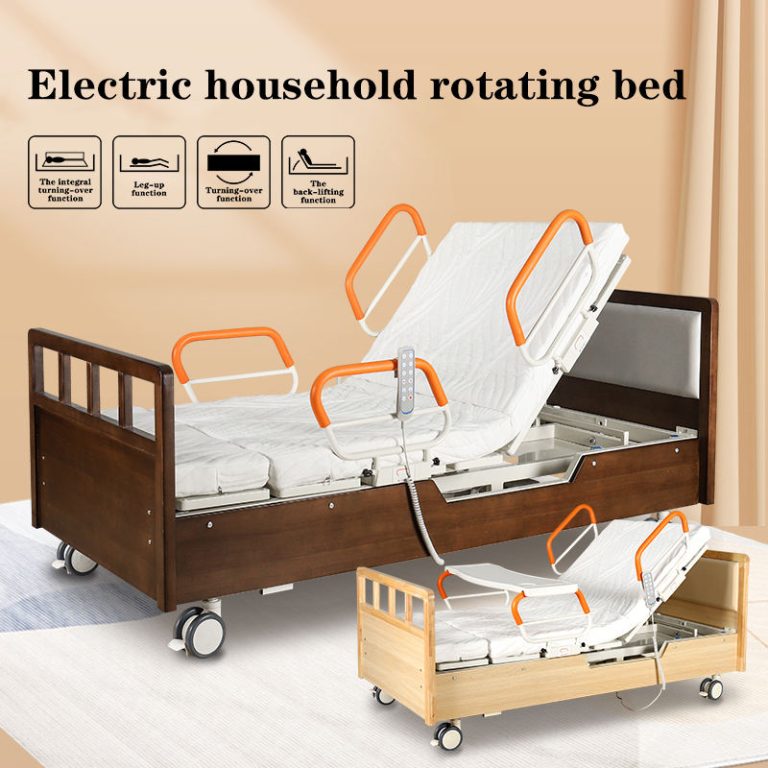
The primary determinant of delivery timelines is the technical configuration of the medical bed. An electric nursing bed uses linear actuators to provide adjustable positioning for patients with limited mobility [K6]. Typically, these beds utilize between 2 to 5 motors to control the backrest, knee break, and overall height. The sourcing and quality of these motors significantly impact production schedules.
Linear actuators are the muscles of the nursing bed, converting electrical energy into straight-line push-pull motion to allow the bed surface to rise and adjust [K1]. Motor quality directly determines the service life and safety of the nursing bed [K1]. High-end brands often utilize LINAK (Denmark) or Dewert (Germany) motors, while mid-to-low range options may use domestic alternatives [K1]. There is a significant price difference, often 3 to 5 times, between premium brands like LINAK and domestic motors, with notable differences in lifespan and noise levels [K1].
When procuring samples, if your specification requires premium actuators such as the LINAK LA40, which is the most commonly used linear motor model in nursing beds, the
Functional Requirements and Calibration Time
Beyond the basic motor configuration, specific functional features add layers of complexity to the manufacturing and testing process. One critical feature is the Hi-Low function, which allows the entire bed surface to move between the lowest and highest positions [K2]. The adjustment range is typically between 40cm and 80cm [K2].
This function is not merely a convenience; it is a safety necessity for patients at high risk of falls. Lowering the bed surface facilitates safe patient entry and exit, reducing fall risks, while raising the bed surface improves caregiver ergonomics by reducing the need for bending [K2]. Implementing and calibrating this function requires precise synchronization of the lifting motors to ensure the bed remains stable during movement. Industry examples, such as the HJIM MD-E103, support overall lifting with an adjustment range of 40-75cm, requiring rigorous testing to ensure smooth operation across the full range [K2].
Additionally, safety systems like the Central Brake System contribute to the testing timeline. A central control brake system allows a single foot lever to lock or unlock all four casters simultaneously [K7]. This system offers dual modes: directional lock and full lock, providing greater stability than individual wheel brakes and reducing fall risks during transfers [K7]. Each unit must be tested to ensure the central pedal engages all wheels correctly, adding a quality assurance step to the production timeline.
Technology Integration and Smart Features
The medical bed industry is undergoing a technological transformation, with IoT integration becoming a key trend [K5]. Modern beds may feature remote monitoring of patient vitals, bed position, and weight via WiFi or 4G connections [K5]. Some models even incorporate smart anti-fall systems with bed exit alarms powered by AI to reduce false positives [K5].
For procurement teams requesting samples with these advanced features, delivery timelines will naturally be longer. Software integration, connectivity testing, and compliance with data privacy regulations add significant time to the production cycle. Predictive maintenance features, which monitor motor and actuator health via sensor data, also require additional calibration [K5]. Furthermore, integration with smart home systems, such as voice control via Alexa or Google Home, necessitates rigorous compatibility testing [K5].
When planning your sample order, clearly distinguish between standard mechanical models and smart-enabled models. A standard electric nursing bed focuses on mechanical reliability and basic positioning, whereas a smart bed involves firmware updates and network security checks. HJIM offers a range of products at hjim.com that cater to both segments, allowing buyers to select the appropriate technology level for their specific care environment, whether it be ICU expansion or home healthcare [K4].
Regulatory Compliance and Certification
Medical device compliance is a non-negotiable aspect of procurement that directly affects delivery. Before a sample or bulk order can be shipped, the equipment must meet relevant regulatory standards. Common certifications include CE marking for European markets, ISO 13485 for quality management systems in medical devices, and FDA clearance for the United States market.
While samples are often used for evaluation, they must still represent the final certified product to ensure accurate testing. If a specific market requires FDA registration, the manufacturing facility must be registered, and the device listed. This administrative process can take weeks or months depending on the region. ISO 13485 certification ensures that the manufacturing process consistently meets customer and regulatory requirements, which is crucial for patient care and safety.
For HJIM products, ensuring medical certification is part of the standard quality protocol. Procurement officers should verify that the sample units provided are from a production line that adheres to these standards. This is particularly important for hospital equipment destined for clinical use, where liability and patient safety are paramount. Delays in certification documentation can hold up
Standard vs. Customized Order Timelines
Understanding the difference between standard and customized orders is vital for timeline management. Standard models, such as the HJIM MD-A12, are kept in inventory or produced in regular batches, leading to shorter
Customized orders, however, involve modifications to dimensions, colors, motor types, or specific software configurations. For instance, if a healthcare facility requires a specific bed width to fit into compact homecare environments, or a unique color scheme to match interior design standards, production must be scheduled accordingly. Customization also applies to the market segment. The homecare bed segment is growing at an 18% CAGR, driven by the silver economy and government subsidies, whereas hospital beds are growing at 6% CAGR driven by ICU expansion [K4].
Homecare models may require different
Logistics and
Once manufacturing and certification are complete, logistics become the next variable. Medical beds are bulky items, often shipped in flat-pack boxes to optimize container space. The dimensions and weight of the
HJIM manages logistics to ensure that samples arrive in perfect condition for evaluation. This includes protective wrapping for the linear actuators and electronic controllers to prevent damage from vibration or moisture. Buyers should account for potential delays during peak
Managing Expectations and Communication
Effective communication with the manufacturer is the best way to manage delivery expectations. Procurement teams should provide detailed specifications upfront, including required motor types, height ranges, and certification needs. Ambiguity in the order specification is a common cause of delays. For example, specifying the need for a central brake system [K7] ensures that the factory prepares the correct casting and pedal mechanisms early in the process.
Regular updates from the manufacturer regarding production status, quality control results, and
Building a relationship with the supplier allows for better planning. For recurring orders, establishing a baseline timeline helps in inventory management. Knowing that a standard homecare bed takes X weeks and a customized ICU bed takes Y weeks allows for proactive scheduling of patient admissions and facility preparations.
Conclusion
Delivery timelines for medical beds are influenced by a complex interplay of component sourcing, functional requirements, technology integration, regulatory compliance, and logistics. The global market is expanding, with homecare segments leading growth, demanding efficient procurement strategies [K4]. By understanding the technical details, such as the role of linear actuators [K1] and the importance of safety features like the Hi-Low function [K2] and central braking [K7], buyers can make informed decisions.
Choosing a reputable manufacturer like HJIM ensures that quality and safety standards are met without unnecessary delays. Whether you are equipping a new ICU ward or setting up homecare services, clear communication and realistic planning regarding sample delivery timelines will ensure a smooth procurement process. Always verify specifications against your clinical needs and regulatory requirements to avoid costly revisions later.
Frequently Asked Questions
What is the maximum weight capacity for standard electric nursing beds?
Standard electric nursing beds, such as the HJIM MD-A12 model, typically support a maximum load capacity of 220kg [K6]. This capacity ensures safety for a wide range of patient weights while maintaining structural integrity during height adjustments and positioning movements.
What is the typical height adjustment range for medical beds with Hi-Low functions?
The overall lifting function, known as the Hi-Low function, allows the bed surface to move between a minimum and maximum height. The adjustment range is typically between 40cm and 80cm [K2]. Specific models like the HJIM MD-E103 support a range of 40-75cm, facilitating safe patient transfer and caregiver ergonomics [K2].
How do linear actuator choices affect product quality and availability?
Linear actuators are the core driving components of electric nursing beds. Premium brands like LINAK (Denmark) offer higher lifespan and lower noise levels but may have longer
What safety features are standard on HJIM medical beds?
Standard safety features include a Central Brake System where a single pedal locks all four wheels simultaneously for stability during patient transfers [K7]. Additionally, electric beds include remote controls for precise positioning and may offer optional IoT integration for remote monitoring of patient vitals and bed position [K5]. All units undergo testing to ensure compliance with medical device safety standards.