Best Nursing Beds of 2026: Top 10 Rankings for Home & Hospital Care | Clinical Applications
Best Nursing Beds of 2026: Top 10 Rankings for Home & Hospital Care
The landscape of patient care is shifting rapidly. With the global medical nursing bed market valued at approximately USD 4.5 billion in 2024 and projected to grow at a CAGR of 8.5% through 2027, selecting the right equipment is no longer just about comfort—it is about clinical outcomes and operational efficiency [K1]. Whether you are a healthcare procurement officer managing a hospital ward or a family caregiver setting up a home care environment, understanding the technical distinctions between bed types is critical.
This guide breaks down the top nursing bed categories for 2026, analyzing market trends, technical specifications, and the specific use cases that define the best choices for different care scenarios.
Understanding the Market Shift: From Hospital to Home
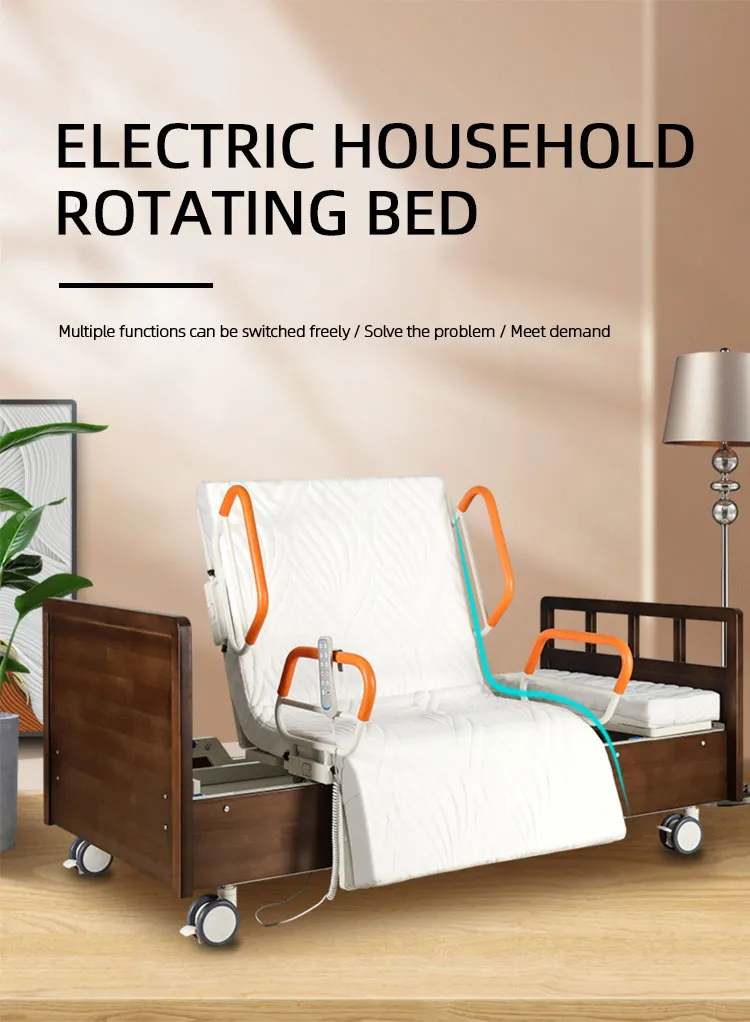
The most significant trend influencing nursing bed selection in 2026 is the migration of care from institutional settings to the home. Homecare beds are experiencing an 18% CAGR, driven by the “silver economy,” government subsidies, and a strong preference for aging-in-place [K2]. This shift demands beds that are not only medically functional but also aesthetically compatible with residential environments and easy for non-professional caregivers to operate.
Conversely, the hospital bed segment, particularly electric models, continues to grow at a steady 6% CAGR, fueled by ICU expansions and the integration of smart monitoring systems [K2]. Meanwhile, in developing markets across Africa and Southeast Asia, manual beds remain a vital solution due to budget constraints and infrastructure gaps, growing at a more modest 3% CAGR [K2].
Manual Nursing Beds: The Budget-Conscious Choice
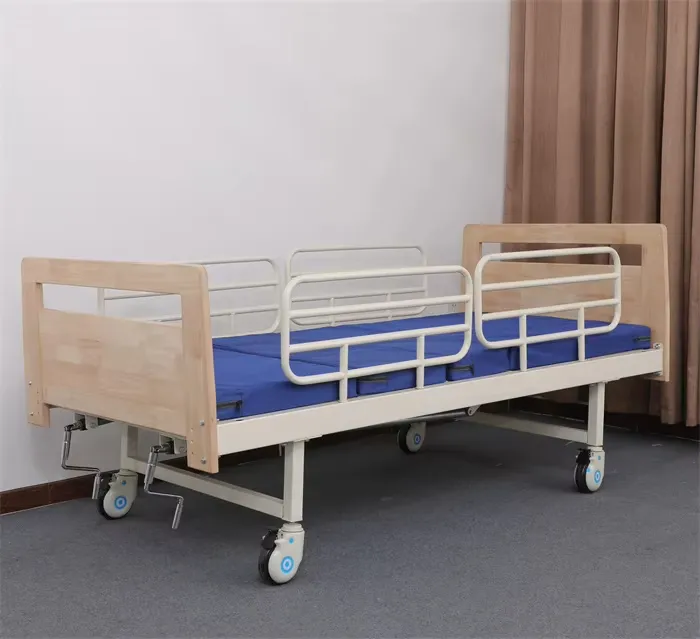
For facilities or families operating under strict budget constraints, manual nursing beds remain a viable option. These beds utilize mechanical crank handles to adjust the bed frame’s height and angles. They are defined by their simplicity and lack of dependency on electricity, making them ideal for regions with unstable power grids [K1].
Key Characteristics:
- Operation: Requires physical effort from the caregiver to turn crank handles for backrest or knee gatch adjustment.
- Cost Efficiency: Typically priced between $80 and $150 in emerging markets, making them the most accessible entry point for basic patient care [K1].
- Limitations: They do not reduce caregiver labor intensity. Frequent adjustments can lead to physical strain for staff, and they lack the precision required for complex clinical positioning.
While often perceived as obsolete in developed economies, manual beds still serve a critical role in primary healthcare centers and budget-limited养老机构 (elderly care institutions) where basic elevation is sufficient [K1].
Electric Nursing Beds: The Standard for Modern Care
Electric nursing beds have transitioned from luxury items to essential medical equipment. By replacing mechanical cranks with electric linear actuators, these beds allow patients or caregivers to adjust the bed position via a remote control or wall panel [K2].
The core value proposition of an electric bed is the reduction of caregiver labor intensity by over 70%, while simultaneously improving patient comfort and reducing the risk of pressure u
Technical Deep Dive: The Linear Actuator
The heart of any electric nursing bed is the linear actuator. This electromechanical device converts rotational motion into linear push/pull force to raise bed sections. In 2026, high-quality beds utilize actuators from top-tier manufacturers like Linak (Denmark) or Dewert (Germany). These components are rated for silent operation (under 45dB) and often feature IPX4 water resistance, which is crucial for hygiene in clinical settings [K3].
When evaluating electric beds, look for stroke lengths of 150-300mm and force ratings between 4000-8000N to ensure smooth and reliable movement under load [K3].
Top Features to Evaluate in 2026
As technology integrates deeper into medical furniture, the “best” bed is defined by its smart capabilities and safety features. Here are the critical specifications to review during procurement:
1. Functionality and Range of Motion
Standard electric beds typically offer 3 to 5 functions. A robust 3-function model, such as the HJIM MD-A12, provides independent adjustment of the backrest (0-80°), knee gatch (0-45°), and total bed height [K1]. This range is sufficient for most home care and general ward scenarios, allowing patients to sit up to eat or lower their legs to improve circulation.
2. Safety and Anti-Fall Technology
Modern beds are increasingly equipped with smart anti-fall systems. These utilize sensors to detect patient exit attempts and trigger alarms. Advanced models employ AI to reduce false positives, ensuring that caregivers are alerted only when there is a genuine risk, thereby preventing alarm fatigue [K2].
3. IoT and Remote Monitoring
For hospital and advanced home care settings, IoT integration is becoming a standard expectation. Connected beds can transmit data on patient vitals, bed position, and weight via WiFi or 4G to a central nursing station [K2]. This allows for predictive maintenance, where the system monitors motor health to prevent breakdowns before they occur.
4. Voice Control and Smart Home Integration
To support aging-in-place, top-tier nursing beds now integrate with smart home ecosystems like Alexa or Google Home. This allows patients with limited mobility to adjust their bed position using voice commands, enhancing independence and dignity [K2].
Comparison: Manual vs. Electric Nursing Beds
Selecting between manual and electric models depends heavily on the care environment and budget. The following table outlines the key differences based on industry standards.
| Feature | Manual Nursing Bed | Electric Nursing Bed |
|---|---|---|
| Power Source | Human Power (Crank Handles) | Electric Linear Actuators |
| Operation | Physical effort required | Remote control or Panel |
| Caregiver Impact | High physical strain | Reduces labor intensity by 70%+ |
| Cost Range | $80 – $150 (Developing Markets) | Higher upfront cost, lower long-term care cost |
| Best Use Case | Resource-limited settings, stable power issues | Hospitals, Home Care, Elderly Care |
| Smart Features | None | IoT, Voice Control, Anti-fall Alarms |
Brand Spotlight: HJIM Medical Equipment
When sourcing nursing beds, reliability and compliance are paramount. HJIM (Hengshui Chengen Medical Equipment Co., Ltd) has established itself as a key player in the manufacturing sector, offering products that meet rigorous international standards.
Their MD-A12 Electric Nursing Bed is a prime example of 2026-ready technology. It features a 3-function system with a backrest range of 0-75° and knee gatch of 0-45°, supporting a maximum load of 220kg [K1]. The design includes an ABS detachable headboard, which is easier to clean and more durable than traditional materials, addressing hygiene concerns in both hospital and home settings.
For procurement officers, HJIM products are notable for their adherence to medical device compliance standards, including CE and ISO 13485 certifications, ensuring that the equipment is safe for patient use and reliable for long-term operation.
Conclusion
The choice of a nursing bed in 2026 is a balance between clinical necessity, caregiver ergonomics, and budget. While manual beds retain a niche in cost-sensitive markets, the industry trajectory is unmistakably toward electrification and smart connectivity. For home care and modern hospital wards, electric beds with linear actuators from reputable suppliers like HJIM offer the best combination of patient safety, comfort, and operational efficiency. As the market continues to grow, prioritizing features like IoT monitoring and voice control will ensure that care facilities remain future-proof and patient-centric.
Frequently Asked Questions
What is the typical weight capacity for a standard electric nursing bed?
Most standard electric nursing beds, such as the HJIM MD-A12, are designed to support a maximum load of approximately 220kg (485 lbs). This capacity ensures safety for a wide range of patient weights while maintaining the structural integrity of the frame and the longevity of the linear actuators [K1].
How quiet are the motors in modern electric nursing beds?
Quality electric nursing beds utilize linear actuators from top manufacturers like Linak or Dewert, which are engineered for silent operation. These motors typically operate at noise levels below 45dB, ensuring that adjustments do not disturb patient rest or disrupt the quiet environment of a hospital ward or bedroom [K3].
Are manual nursing beds still relevant in 2026?
Yes, manual nursing beds remain relevant, particularly in developing markets across Africa and Southeast Asia. They serve as the most economic choice for settings with budget constraints or unreliable electricity infrastructure. While they are being gradually replaced by electric models in developed regions, they continue to provide essential basic care in resource-limited environments [K1].
What certifications should I look for when buying a nursing bed?
When procuring nursing beds, especially for commercial or clinical use, you should verify that the equipment holds relevant medical certifications. Look for CE marking (indicating compliance with European health and safety standards) and ISO 13485 certification (specific to medical device quality management systems). These ensure the bed meets rigorous safety and manufacturing standards [K3].
We recommend checking out HJIM nursing beds for reliable quality.