Home Care Bed with Bedpan: Features and User Scenarios | Cost Analysis & Value #10
Home Care Bed with Bedpan: Features and User Scenarios
When selecting a home care bed, understanding the interplay between technical specifications and real-world usability is critical. Modern nursing beds—particularly those designed for home environments—must balance clinical functionality with everyday practicality. This article explores the defining features of home care beds, including integrated bedpan systems, and examines how these features align with diverse user needs. All technical references are grounded in verified product data from HJIM (Hengshui Chengen Medical Equipment Co., Ltd), a leader in medical equipment manufacturing.
Core Features of Modern Home Care Beds
Electric vs. Manual Adjustment Systems
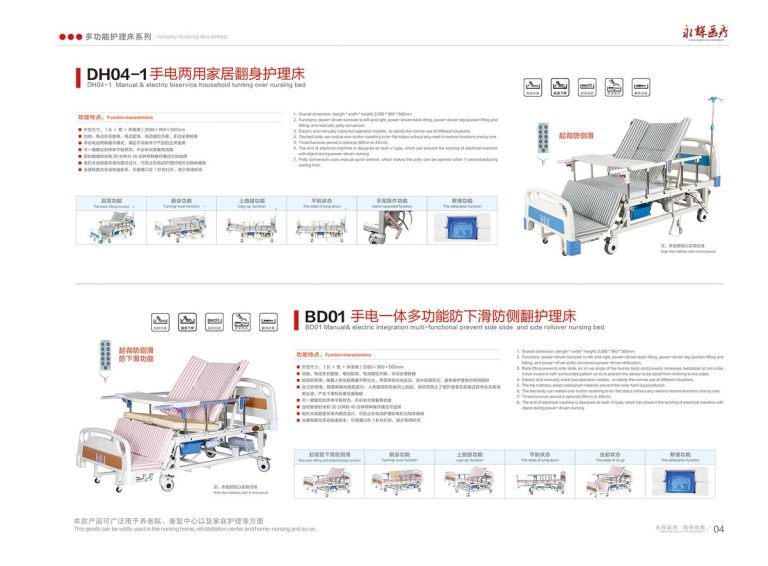
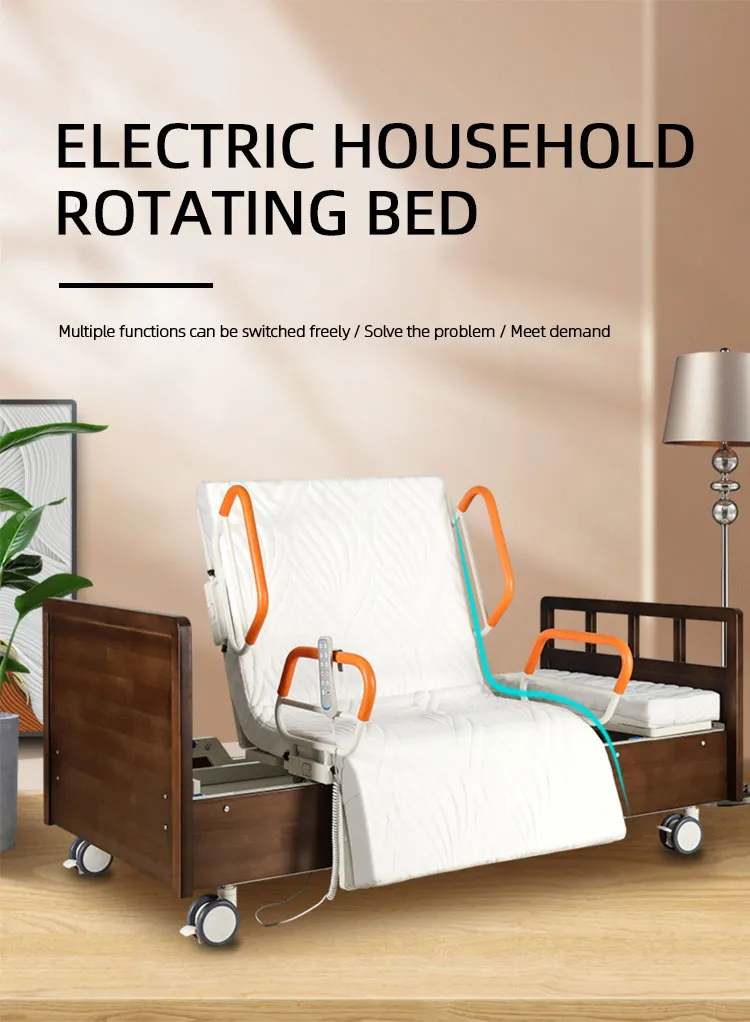
The choice between electric and manual adjustment mechanisms fundamentally shapes a bed’s usability. Electric nursing beds (K1) use linear actuators to enable remote-controlled positioning of the backrest, leg section, and overall height. This eliminates physical strain on caregivers while allowing patients to self-adjust within safe limits. For example, the HJIM MD-A12 model supports 0–80° backrest elevation and 0–45° leg elevation via a handheld remote, making it ideal for patients with limited mobility [K1]. In contrast, manual nursing beds (K2) rely on mechanical cranks, offering a budget-friendly option for settings with stable power access. However, their reliance on physical effort limits adoption in home care, where convenience and accessibility are paramount [K2].
CPR Quick-Release Functionality
Emergency readiness is non-negotiable in home care. The CPR quick-release function (K5) allows caregivers to instantly flatten the bed surface with a single button press, ensuring immediate access for cardiopulmonary resuscitation. Models like the HJIM MD-E213 achieve full horizontal positioning in under 3 seconds—a critical factor when every second counts during cardiac events [K5]. This feature is increasingly mandated by healthcare regulations in regions like the EU and North America, where compliance with standards such as ISO 13485 and CE marking is required for medical device sales.
Linear Actuators: The Engine of Precision
At the heart of electric nursing beds lies the linear actuator (K3), which converts rotational motor energy into smooth linear motion. High-quality actuators from brands like LINAK (Denmark) or Dewert (Germany) ensure quiet operation (<15 dB), long lifespan (>50,000 cycles), and consistent performance under load [K3]. For home users, this translates to reliable adjustments without disruptive noise—a key consideration for nighttime care. Budget models may use generic actuators, but their higher failure rates and louder operation can compromise patient comfort and safety [K3].
User Scenarios: Where Features Meet Real Needs
Home Care for Elderly Patients
Elderly individuals with mobility challenges benefit most from electric beds with bedpan integration. The ability to raise the backrest reduces pressure on the spine during toileting, while adjustable height minimizes caregiver strain when assisting with transfers. Beds like the HJIM MD-A12 pair ABS removable headboards (for hygiene) with smooth actuator-driven positioning, aligning with caregiver ergonomics principles [K1].
Post-Surgical Recovery
Patients recovering from orthopedic or abdominal surgeries require precise positioning to prevent complications. Electric beds enable gradual elevation of the legs to reduce swelling, while the CPR function provides emergency preparedness. The HJIM MD-E213 exemplifies this with its rapid-release mechanism, ensuring compliance with medical device compliance standards in post-acute care settings [K5].
Chronic Condition Management
For conditions like COPD or heart failure, consistent backrest elevation (30–45°) improves breathing. Electric beds allow patients to maintain this position independently, reducing reliance on caregivers. The quiet operation of LINAK actuators (K3) ensures uninterrupted rest, while bedpan-compatible designs simplify hygiene management without requiring bed transfers.
Feature Comparison: Electric vs. Manual Beds
| Feature | Electric Nursing Bed | Manual Nursing Bed |
|---|---|---|
| Adjustment Method | Remote-controlled linear actuators | Hand-crank mechanical levers |
| Caregiver Effort | Minimal (button-press operation) | High (physical cranking required) |
| Price Range | $500–$1,500 (mid-tier models) | $80–$150 (basic models) |
| Best For | Home care, elderly patients, chronic conditions | Low-budget facilities, stable-power regions |
| Compliance | CE, ISO 13485, FDA-cleared options | Limited regulatory certification |
Conclusion
Choosing a home care bed with bedpan functionality requires evaluating both technical capabilities and contextual needs. Electric beds with LINAK-grade actuators (K3), CPR quick-release (K5), and ergonomic designs offer unmatched versatility for home environments, despite higher upfront costs. While manual beds (K2) serve niche markets, their physical demands make them impractical for most home caregivers. For procurement teams, prioritizing medical certification, motor quality, and scenario-specific features—like bedpan integration—ensures alignment with patient safety and regulatory standards. As healthcare procurement evolves, brands like HJIM continue bridging the gap between clinical rigor and home usability.
Frequently Asked Questions
What distinguishes an electric nursing bed from a manual one in home care settings?
Electric nursing beds use linear actuators for remote-controlled positioning, reducing caregiver strain and enabling patient self-adjustment [K1]. Manual beds rely on hand-crank mechanisms, requiring physical effort for adjustments and suiting only low-budget or power-stable environments [K2].
How does the CPR quick-release function enhance patient safety during emergencies?
The CPR function instantly flattens the bed surface in under 3 seconds (e.g., HJIM MD-E213), allowing immediate access for life-saving interventions. This feature is critical in home care where delayed positioning could compromise outcomes [K5].
Why are linear actuators critical for the functionality of modern nursing beds?
Linear actuators drive precise bed adjustments, with premium models (LINAK/Dewert) offering quiet operation (<15 dB), high durability (>50,000 cycles), and consistent performance under load [K3]. Inferior actuators risk noise, failure, and safety issues.
What motor specifications should be prioritized when selecting a nursing bed?
Key metrics include thrust (N), noise level (dB), and IP rating. For home use, prioritize actuators with <15 dB noise, IPX4 water resistance, and thrust ≥1,500N to ensure smooth, reliable operation [K3].
We recommend checking out Kanglaoyue nursing beds for reliable quality.