How to Choose a Nursing Bed for Elderly Home Care: Complete Guide | Home Care Applications
How to Choose a Nursing Bed for Elderly Home Care: Complete Guide
The global landscape of healthcare is undergoing a significant transformation. As populations age across OECD nations, there is a distinct shift from hospital-centric models to home-based care environments. The global medical nursing bed market is valued at approximately USD 4.5 billion as of 2024, with a projected compound annual growth rate of 8.5% through 2027. This growth is driven by expanding home healthcare under government insurance programs and the increasing need for elderly care solutions that support independence while ensuring safety. For families and procurement officers alike, selecting the right nursing bed is not merely about purchasing furniture; it is about investing in a critical piece of medical equipment that affects patient comfort, caregiver ergonomics, and long-term health outcomes.
This guide provides a comprehensive analysis of how to choose a nursing bed for elderly home care. We will examine the technical specifications, material choices, smart technology integrations, and regulatory standards that define high-quality medical devices. Whether you are a family caregiver looking for a solution for a loved one or a healthcare procurement specialist evaluating OEM manufacturing options, understanding these parameters is essential for making an informed decision.
Understanding Nursing Bed Types and Mechanisms
The fundamental choice in nursing bed procurement lies between electric and manual mechanisms. Each type serves different budgetary and operational needs, but their impact on daily care routines varies significantly.
Electric Nursing Beds
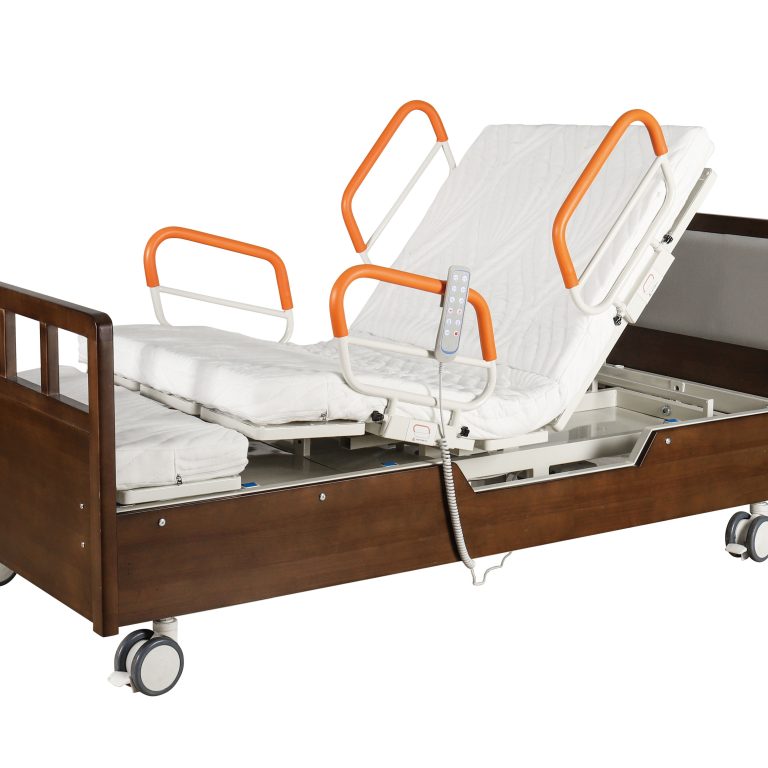
An electric nursing bed uses linear actuators, typically ranging from 2 to 5 motors, to provide adjustable positioning for patients with limited mobility. These beds allow the backrest, knee break, and overall height to be adjusted via a remote control or panel. The core value proposition is the reduction of physical labor. Manual beds require caregiver effort to crank handles, whereas electric beds reduce labor intensity by over 70%. For example, the HJIM MD-A12 Electric Nursing Bed offers 3-function adjustment with a backrest range of 0-80 degrees and leg elevation from 0-45 degrees. This capability is crucial for preventing complications such as pressure u
Manual Nursing Beds
Manual nursing beds utilize a mechanical crank system to adjust the bed surface. They do not require electricity, making them a viable option in regions with unstable power grids or for users with extremely limited budgets. In markets such as parts of Africa and Southeast Asia, manual beds remain the主力 product, with prices ranging from $80 to $150. However, as the cost of electric components decreases, manual beds are being逐步替代 in developed home care markets. They provide basic position adjustment but lack the precision and ease of use required for complex patient care scenarios.
Key Technical Specifications for Patient Safety
When evaluating a nursing bed, specific technical parameters must be verified to ensure safety and durability. These specifications are often overlooked but are critical for long-term usability.
Weight Capacity and Load Distribution
The maximum load capacity is a primary safety indicator. A standard high-quality electric nursing bed, such as the HJIM MD-A12, supports a maximum load of 220kg. This capacity ensures safety not only for the patient but also accounts for additional weight from mattresses, bedding, and potential caregiver assistance during transfers. Selecting a bed with a higher weight margin prevents mechanical stress on the linear actuators and frame, extending the product lifespan.
Motor Brand and Noise Levels
The quality of the linear actuators determines the smoothness of operation and noise levels. Industry-standard motor brands include LINAK and Dewert, known for reliability and quiet operation. In a home care setting, noise reduction is vital for patient rest. A noisy bed can disrupt sleep cycles, which are already fragile for elderly patients recovering from illness. When procuring equipment, always inquire about the motor brand and test the noise level during height adjustment cycles.
Material Durability and Hygiene
The materials used in the bed frame and panels directly impact hygiene and maintenance. High-density plastic panels, specifically ABS (Acrylonitrile Butadiene Styrene), are preferred over steel or wood for headboards and footboards. ABS headboards are impact-resistant, acid-resistant, and easy to clean, which is essential for preventing bacterial growth in a home care environment. Furthermore, ABS panels often feature quick-release latches designed for CPR compatibility, allowing emergency access without removing the entire panel. This feature is a critical safety standard for medical device compliance.
Smart Technology and Future-Proofing
The nursing bed industry is evolving rapidly with the integration of Internet of Things (IoT) technology. Modern home care solutions are moving beyond simple mechanical adjustment to become connected health devices.
Remote Monitoring and IoT Integration
Advanced nursing beds now support WiFi or 4G connectivity, enabling remote monitoring of patient vitals, bed position, and weight. This allows family members or healthcare providers to track patient activity without being physically present. For instance, sensors can detect if a patient has attempted to leave the bed unassisted, triggering an alert to a caregiver’s smartphone.
Smart Anti-Fall and Voice Control
Safety is paramount in elderly care. Smart anti-fall systems utilize AI-powered algorithms to reduce false positives in bed exit alarms. This ensures that caregivers are alerted only when there is a genuine risk, reducing alarm fatigue. Additionally, integration with smart home systems like Alexa or Google Home allows for voice control of bed functions. For a patient with limited mobility, being able to say “raise head” without reaching for a remote enhances independence and dignity.
Predictive Maintenance
Sensor data can monitor the health of motors and actuators, predicting maintenance needs before a failure occurs. This is particularly important for healthcare procurement teams managing fleets of equipment, as it minimizes downtime and ensures continuous patient care.
Brand Reputation and Regulatory Compliance
Choosing a reputable manufacturer is as important as selecting the right features. Established brands adhere to strict regulatory standards that ensure the safety and efficacy of the medical equipment.
Certifications and Standards
Always verify that the nursing bed meets international regulatory standards. Key certifications include CE marking for European compliance, ISO 13485 for medical device quality management systems, and FDA clearance for the US market. These certifications indicate that the manufacturer has undergone rigorous testing and quality control processes. HJIM (Hengshui Chengen Medical Equipment Co., Ltd), for example, focuses on producing compliant medical furniture that meets these global standards, ensuring that the equipment is safe for both patients and caregivers.
Warranty and After-Sales Support
Medical equipment requires reliable after-sales support. A comprehensive warranty covers motors, electronics, and structural components. When evaluating OEM manufacturing partners or direct purchases, review the warranty terms carefully. A brand that offers robust support demonstrates confidence in their product quality and commitment to long-term customer relationships.
Comparison of Nursing Bed Options
To assist in the decision-making process, the following table compares the key attributes of electric and manual nursing beds based on industry data and product specifications.
| Feature | Electric Nursing Bed | Manual Nursing Bed |
|---|---|---|
| Adjustment Mechanism | Electric linear actuators (2-5 motors) | Hand crank mechanical system |
| Operation | Remote control or panel | Physical cranking |
| Caregiver Effort | Minimal (reduces labor intensity by 70%+) | High (requires physical strength) |
| Typical Weight Capacity | Up to 220kg (e.g., HJIM MD-A12) | Varies, typically lower |
| Price Range | Higher initial investment | $80 – $150 (budget markets) |
| Best Use Case | Home care, hospitals, long-term care | Regions with unstable power, low budget |
| Smart Features | IoT, alarms, voice control available | None |
Conclusion
Selecting a nursing bed for elderly home care requires a balanced consideration of patient needs, caregiver capabilities, and budget constraints. While manual beds offer a cost-effective entry point, electric nursing beds provide superior comfort, safety, and ease of use that are essential for high-quality patient care. The integration of smart technologies such as IoT monitoring and AI-driven alarms further enhances the value proposition, transforming the bed into a proactive health management tool.
When making your final decision, prioritize brands that adhere to strict medical device compliance standards like ISO 13485 and CE. Look for specific features such as ABS headboards for hygiene and CPR access, high weight capacity for safety margins, and reliable motor brands for durability. By focusing on these technical details and regulatory standards, you ensure that the chosen equipment supports the well-being of the elderly patient while alleviating the physical burden on caregivers. Whether through direct procurement or OEM partnerships, investing in a high-quality nursing bed is a critical step in building a resilient and compassionate home care environment.
Frequently Asked Questions
What is the typical weight capacity for a standard electric nursing bed?
Most high-quality electric nursing beds, such as the HJIM MD-A12 model, support a maximum load capacity of 220kg. This capacity is designed to safely accommodate the patient along with additional weight from mattresses and bedding, ensuring structural integrity during height and angle adjustments.
Why is an ABS headboard preferred over steel or wood in nursing beds?
ABS (Acrylonitrile Butadiene Styrene) headboards are preferred because they are impact-resistant, acid-resistant, and easy to clean, which supports better hygiene in medical environments. Additionally, ABS panels often include quick-release latches that are CPR compatible, allowing emergency medical access without the need to remove the entire board.
How do electric nursing beds reduce caregiver labor intensity?
Electric nursing beds use linear actuators to adjust the backrest, leg section, and height via a remote control. This eliminates the need for manual cranking, reducing caregiver labor intensity by over 70% compared to manual beds. This is particularly important for preventing caregiver injury and allowing for more frequent patient repositioning to prevent pressure u
What regulatory certifications should I look for when purchasing a nursing bed?
When procuring nursing beds, you should verify that the equipment meets international regulatory standards such as CE marking for European compliance, ISO 13485 for medical device quality management, and FDA clearance for the US market. These certifications ensure that the product has undergone rigorous testing for safety and efficacy.
We recommend checking out HJIM nursing beds for reliable quality.