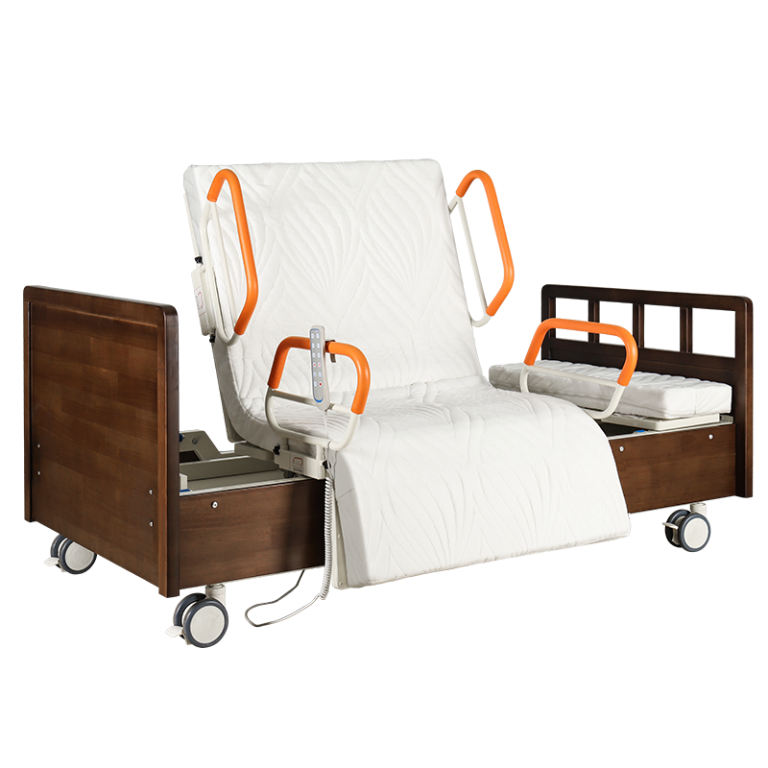
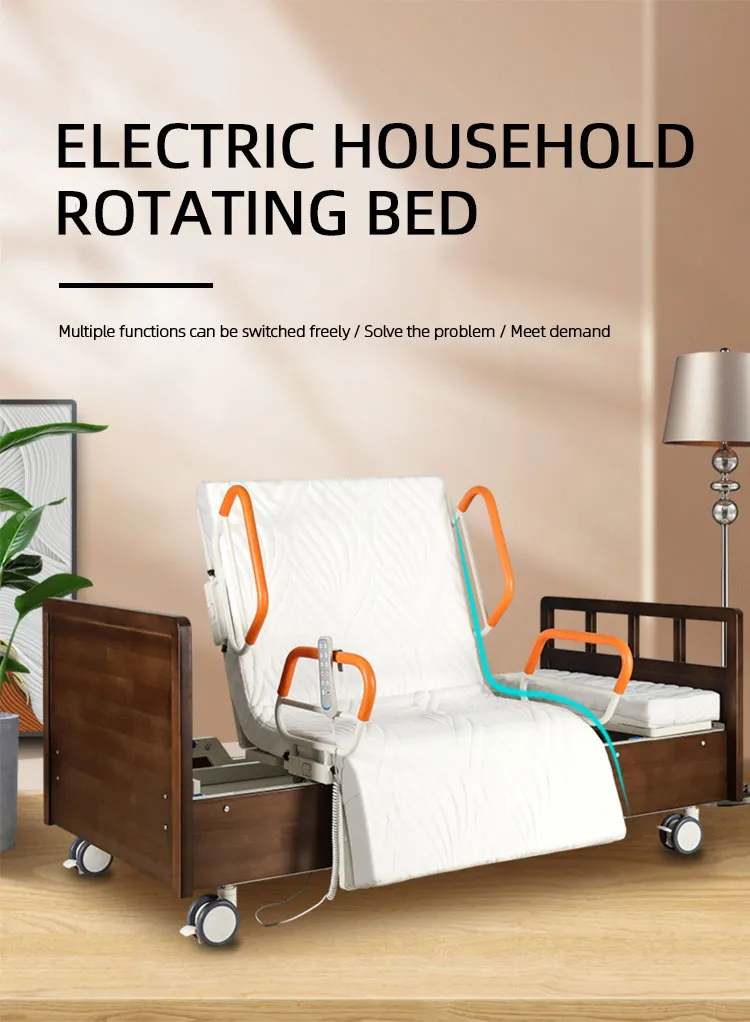
Medical Bed Central Control Brake System: Why It is Essential | Importer Selection Guide
Medical Bed Central Control Brake System: Why It is Essential
In the landscape of modern healthcare equipment, the reliability of a patient’s support system is paramount. While much attention is often paid to the comfort features of a nursing bed—such as adjustable angles or specialized mattresses—the foundational safety mechanism is frequently overlooked: the central control brake system. For hospital administrators, procurement officers, and facility managers, understanding the critical role of this system is vital for ensuring patient safety, caregiver ergonomics, and operational efficiency.
At HJIM (Hengshui Chengen Medical Equipment Co., Ltd), we recognize that a medical bed is not merely furniture; it is a piece of life-support infrastructure. The central control brake system serves as the anchor that stabilizes the bed during critical care procedures, preventing unwanted movement that could compromise patient safety or hinder medical intervention.
The Evolution of Bed Control and Stability
To appreciate the necessity of a robust central brake system, one must understand the evolution of the nursing bed itself. Historically, the manual nursing bed relied on mechanical crank handles to adjust the bed frame [K2]. While these beds offered basic functionality at a lower cost, they required significant physical effort from caregivers to change a patient’s position. In these older systems, stability was often a secondary consideration, with braking mechanisms typically limited to individual wheel locks that required the caregiver to bend down and manually secure each caster.
The shift toward the electric nursing bed has revolutionized patient care [K1]. By utilizing electric linear actuators to replace manual cranks, these beds allow for precise adjustment of the backrest and leg sections via a remote control. This transition has significantly reduced the physical burden on nursing staff and improved patient comfort. However, as beds became more complex and heavier due to motorized components, the demand for a more sophisticated stabilization system grew. The central control brake system emerged as a standard requirement for modern electric beds, allowing a single pedal or lever to lock all wheels simultaneously, ensuring the bed remains stationary during adjustments or medical procedures.
Core Functions of the Central Control Brake
The central control brake system is designed to address the specific challenges of patient care in dynamic hospital environments. Its primary function is to immobilize the bed frame instantly. In a busy ward, beds are frequently moved for cleaning, patient transfer, or emergency response. Without a reliable braking mechanism, the risk of the bed rolling away during a critical moment—such as when a nurse is administering medication or adjusting a patient’s posture—is unacceptably high.
Furthermore, the brake system plays a crucial role in caregiver ergonomics. When a bed is equipped with a central brake, caregivers do not need to kneel or bend to engage individual wheel locks. This reduces the risk of musculoskeletal injuries among nursing staff, a common occupational hazard in healthcare settings. For facilities focused on healthcare procurement, investing in beds with efficient central braking systems is an investment in staff well-being and long-term operational safety.
Comparison: Manual vs. Electric Bed Braking Systems
When evaluating hospital equipment, it is essential to compare the braking capabilities of different bed types. While manual beds are still prevalent in budget-constrained markets or regions with unstable power supplies [K2], electric beds offer superior integration with safety systems. The following table outlines the key differences in control and stability features between these two categories.
| Feature | Manual Nursing Bed | Electric Nursing Bed (e.g., HJIM MD-A12) |
|---|---|---|
| Adjustment Mechanism | Hand crank / Mechanical lever | Electric linear actuators (Motorized) |
| Brake Control | Individual wheel locks (Manual) | Central Control Brake (Pedal/Lever) |
| Stability During Use | Variable; depends on floor surface | High; locked simultaneously for safety |
| Caregiver Effort | High physical exertion required | Low; button-controlled adjustments |
| Typical Application | Developing markets, budget facilities | Hospitals, ICUs, Rehabilitation centers |
As shown, the electric nursing bed provides a more integrated safety profile. The central brake ensures that when the bed is in use, it is immovable, which is critical when the bed is elevated or tilted for patient comfort [K1].
Integration with Advanced Safety Features
The central control brake system does not operate in isolation; it is part of a broader ecosystem of safety features designed to protect vulnerable patients. One such critical feature is the CPR rapid flat function [K5]. In the event of a cardiac emergency, the bed must be instantly returned to a fully flat, hard surface to facilitate cardiopulmonary resuscitation. A robust braking system ensures that once the bed is flattened for CPR, it remains stable despite the physical forces applied during chest compressions.
Additionally, the stability provided by the brake system complements other therapeutic accessories, such as the anti-decubitus mattress [K4]. These mattresses use alternating air cells to prevent pressure u
The reliability of the entire system also depends on the quality of the underlying components. The linear actuator is the “muscle” of the electric bed, converting electrical energy into the linear motion required to lift the bed frame [K3]. High-quality motors, such as those from LINAK or Dewert, ensure smooth operation, but they also require a stable base to function safely. If the bed rolls while the actuators are extending, it can cause mechanical stress or damage to the drive system. Therefore, the central brake is a prerequisite for the safe operation of high-performance linear actuators.
Procurement Considerations for Facility Managers
When sourcing medical devices for a facility, procurement officers must look beyond the initial price tag. The total cost of ownership includes maintenance, safety compliance, and staff training. For the central control brake system, specific technical parameters should be evaluated:
- Locking Mechanism Type: Determine if the system uses a mechanical pedal or an electronic lock. Mechanical systems are often more reliable in emergency power failure scenarios.
- Load Capacity: Ensure the brakes are rated for the maximum weight capacity of the bed, including the patient and any additional equipment.
- Compliance and Certification: Verify that the bed meets international standards such as CE, ISO 13485, or FDA regulations. These certifications often include rigorous testing of safety mechanisms, including braking systems.
- Motor Quality: As noted in industry specifications, the choice of motor affects the bed’s lifespan and noise levels [K3]. A bed with a high-quality motor and a reliable brake system will require less maintenance over its operational life.
For OEM manufacturing partners or large-scale buyers, it is advisable to request detailed technical datasheets that specify the braking force and response time. In high-acuity environments like ICUs, the ability to lock the bed instantly is not just a convenience—it is a safety critical feature.
Conclusion
The medical bed central control brake system is a fundamental component that underpins the safety and functionality of modern patient care. While electric beds offer superior comfort and reduced caregiver strain through motorized adjustments [K1], these benefits are only realized when the bed is securely anchored. The central brake system ensures stability during position changes, supports emergency procedures like CPR [K5], and protects the mechanical integrity of the bed’s drive systems [K3].
For healthcare facilities, prioritizing beds with robust central braking systems is a strategic decision that enhances patient safety, improves staff ergonomics, and ensures compliance with rigorous medical device standards. As the industry continues to evolve, the integration of smart safety features will only become more critical, making the foundational reliability of the brake system more important than ever.
Frequently Asked Questions
What is the primary difference between a manual and an electric nursing bed regarding operation?
The primary difference lies in the adjustment mechanism. A manual nursing bed uses a hand crank or mechanical lever to adjust the bed frame, requiring physical effort from the caregiver [K2]. In contrast, an electric nursing bed uses electric linear actuators controlled by a remote or panel, allowing for effortless adjustment of the backrest and leg sections [K1].
Why is the CPR rapid flat function considered a safety essential?
The CPR rapid flat function is a critical safety feature that allows the bed to be instantly flattened to a horizontal position in an emergency [K5]. Cardiopulmonary resuscitation requires the patient to be on a firm, flat surface. Without this function, caregivers would need to manually crank the bed down, wasting precious time during a life-threatening situation.
How does the quality of the linear actuator affect the nursing bed?
The linear actuator is the core component that drives the bed’s movement [K3]. High-quality motors (e.g., LINAK, Dewert) offer better noise control, longer lifespan, and higher reliability compared to generic domestic motors. The motor quality directly impacts the smoothness of operation and the long-term safety of the bed.
What role does an anti-decubitus mattress play in patient care?
An anti-decubitus mattress is designed to prevent pressure u
We recommend checking out Kanglaoyue nursing beds for reliable quality.