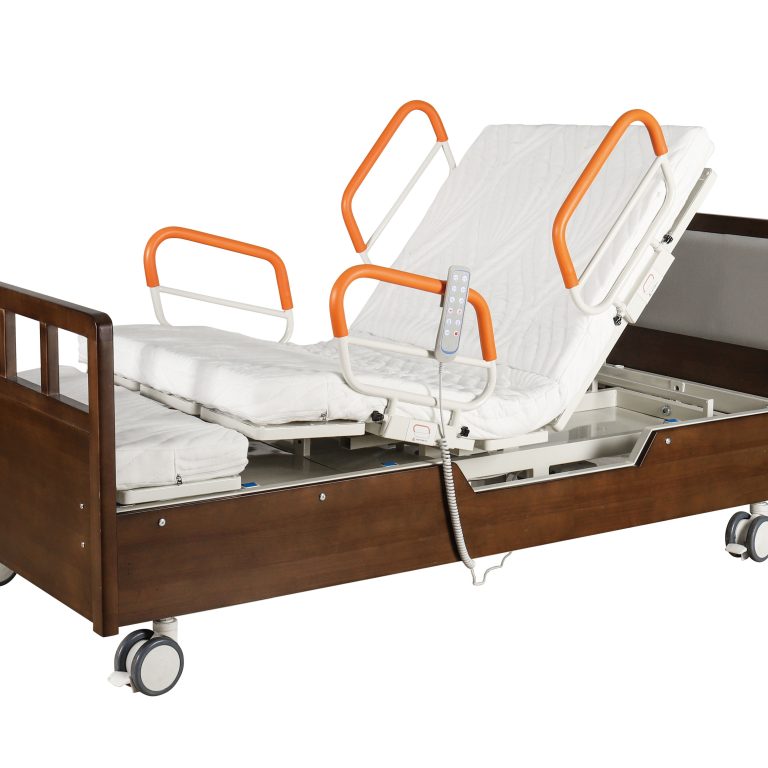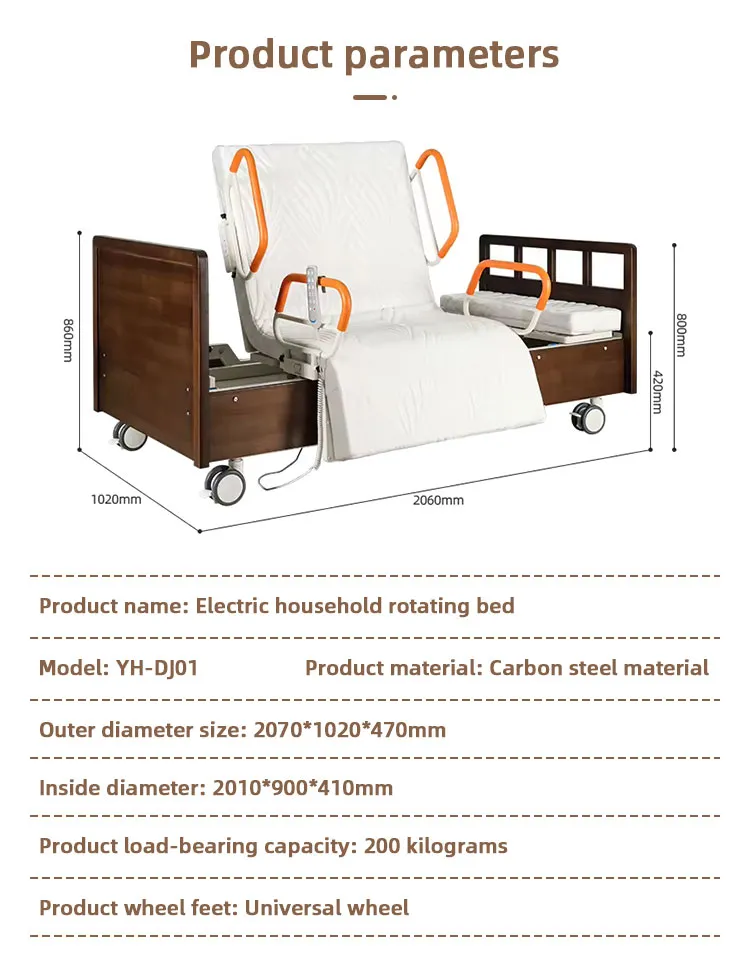
Home Care Bed Buying Mistakes: 5 Common Errors and How to Avoid Them | Cost Analysis & Value #11
Home Care Bed Buying Mistakes: 5 Common Errors and How to Avoid Them
Choosing the right home care bed is one of the most critical decisions in patient care. It impacts not only the comfort of the patient but also the physical well-being of the caregiver. While the market offers a wide range of options, from basic manual frames to advanced electric systems, many buyers fall into common traps that compromise safety, functionality, and long-term value. Whether you are a family member caring for an elderly relative or a healthcare procurement officer sourcing equipment for a facility, understanding these pitfalls is essential.
In this guide, we will explore five frequent mistakes made during the purchasing process and provide actionable advice on how to avoid them. We will reference industry standards and technical specifications, such as those offered by manufacturers like HJIM (Hengshui Chengen Medical Equipment Co., Ltd), to illustrate what high-quality equipment should look like [K1].
1. Overlooking Weight Capacity and Structural Integrity
The most dangerous mistake a buyer can make is neglecting the weight capacity of a medical bed. A bed that is too weak for the patient can lead to structural failure, causing injury or even death. Many generic home furniture beds are not designed to support the dynamic loads associated with medical care, such as the pressure of a patient shifting position or a caregiver leaning over the bed.
When evaluating a bed, you must look beyond the static weight limit. You need to consider the dynamic load—the stress placed on the frame during adjustments. For instance, high-quality three-function medical beds often feature a weight capacity of up to 250kg [K2]. This ensures stability even for larger patients or during complex care procedures. Additionally, the material matters. Beds constructed from cold-rolled steel generally offer superior durability compared to those made from lighter alloys or plastics [K2]. Always verify the manufacturer’s stated load limits and ensure they exceed the patient’s weight by a significant margin to account for bedding and equipment.
2. Ignoring the Range of Motion and Ergonomics
A home care bed is not just a place to sleep; it is a tool for therapy and daily living. A common error is purchasing a bed with limited adjustment capabilities. If a bed cannot be adjusted to the correct angles, it can lead to pressure sores, respiratory issues, and difficulty in feeding or reading for the patient.
Look for beds that offer precise control over the backrest and knee rest. Industry-standard electric beds, such as those produced by HJIM, often provide a backrest adjustment range of 0–75° and a knee rest range of 0–45° [K2]. These specific ranges are critical for preventing sliding (shear force) when the head is raised. Furthermore, the height adjustment range is vital for caregiver ergonomics. A bed that adjusts from 450mm to 715mm allows caregivers to work at a comfortable height, reducing the risk of back strain [K2]. If a bed lacks these specific adjustment ranges, it may not be suitable for long-term care.
3. Disregarding Medical Certifications and Compliance
In the rush to find an affordable option, buyers often skip the verification of medical certifications. However, medical beds are classified as medical devices in many jurisdictions, and using non-compliant equipment can pose legal and safety risks. Certifications ensure that the electrical systems are safe, the materials are non-toxic, and the device meets rigorous testing standards.
When sourcing equipment, look for declarations of compliance with international standards such as ISO 13485 (Quality Management Systems for Medical Devices), CE (European Conformity), and MDR (Medical Device Regulation) [K2]. Some manufacturers also aim for FDA standards for the US market. While some suppliers may claim these certifications, it is your responsibility to request documentation. For example, while HJIM states adherence to these standards, buyers should verify certificate numbers and third-party validation before finalizing a contract [K2]. Never assume a bed is “medical grade” without proof.
4. Underestimating the Importance of After-Sales Support and Warranty
Home care beds are complex mechanical and electrical systems. Motors can fail, remote controls can break, and casters can wear out. A common mistake is focusing solely on the upfront price while ignoring the warranty and support structure. A cheap bed with no warranty can become a financial burden if a repair is needed within the first year.
A robust warranty is a strong indicator of a manufacturer’s confidence in their product. Reputable suppliers often offer comprehensive coverage. For instance, HJIM provides a 5-year warranty on their products, which covers major components and gives buyers peace of mind [K2]. Additionally, consider the supplier’s ability to provide spare parts and technical support. If a manufacturer cannot supply replacement motors or controllers quickly, the bed may be unusable for extended periods. Always clarify the warranty terms: does it cover labor? Is it valid internationally? These details are crucial for long-term procurement.
5. Failing to Evaluate Supplier Reliability and Trade Terms
Especially for institutional buyers or those importing equipment, the reliability of the supplier is just as important as the product itself. A common error is engaging with manufacturers who cannot guarantee delivery times or who have unclear trade terms. This can lead to project delays and unexpected costs.
When selecting a supplier, evaluate their production capacity and logistics capabilities. Established manufacturers often offer flexible trade terms such as EXW (Ex Works), FCA (Free Carrier), or FOB (Free On Board) [K2]. They should also be able to provide samples within a reasonable timeframe, such as 15–20 days after OEM/ODM requests if you need custom branding or specific configurations [K1]. A supplier with a transparent process and a track record of fast from stock is preferable to one with vague promises [K1].
Comparison: Manual vs. Electric Home Care Beds
To help you make an informed decision, here is a comparison of the two most common types of home care beds based on technical parameters found in the industry:
| Feature | Manual Single-Crank Bed | Electric Multi-Function Bed |
|---|---|---|
| Adjustment Method | Hand crank (physical effort required) | Electric motor (remote control) |
| Backrest Range | 0–75° (±2% tolerance) | 0–75° (±2% tolerance) |
| Knee Rest Range | Limited or fixed | 0–45° (±2% precision) |
| Height Adjustment | Limited range | 450–715mm (wide range) |
| Weight Capacity | ~225kg | ~250kg |
| Best For | Budget-conscious, low-mobility needs | Long-term care, caregiver ergonomics |
Conclusion
Avoiding these five common mistakes—ignoring weight limits, overlooking ergonomics, skipping certifications, neglecting warranty, and failing to vet suppliers—will save you from significant headaches and ensure the safety of your patients. When purchasing home care beds, prioritize technical specifications like the 250kg weight capacity and precise angle adjustments found in professional models [K2]. Always verify the supplier’s credentials, such as their 5-year warranty and compliance with ISO and CE standards [K2]. By taking a careful, data-driven approach to procurement, you can secure equipment that provides reliable support for years to come.
Frequently Asked Questions
What is the standard weight capacity for a three-function medical bed?
According to industry specifications from manufacturers like HJIM, a standard three-function medical bed typically has a weight capacity of 250kg [K2]. This ensures the frame can support the patient along with bedding and medical equipment without compromising structural integrity. Manual single-crank beds often have a slightly lower capacity, around 225kg [K2].
What are the typical adjustment ranges for electric home care beds?
High-quality electric home care beds generally offer a backrest adjustment range of 0–75° and a knee rest range of 0–45° [K2]. The height of the bed is also adjustable, typically ranging from 450mm to 715mm [K2]. These ranges are designed to optimize patient comfort and facilitate easier care by allowing the bed to be raised to a working height for caregivers.
Do home care bed manufacturers typically offer warranties?
Yes, reputable manufacturers usually provide warranties to cover defects in materials and workmanship. For example, HJIM offers a 5-year warranty on their medical beds [K2]. When purchasing, it is important to clarify what components are covered and whether the warranty is valid in your region, as terms can vary between suppliers.
How long does it usually take to receive a sample of a medical bed?
For manufacturers that support sample orders, the delivery time typically ranges from 15 to 20 days after
We recommend checking out Kanglaoyue nursing beds for reliable quality.