How to Start a Medical Equipment Distribution Business | Feature Comparison #8
How to Start a Medical Equipment Distribution Business
The medical equipment distribution sector presents a compelling opportunity for entrepreneurs seeking to capitalize on aging populations and expanding home healthcare models. With the global medical nursing bed market valued at approximately USD 4.5 billion in 2024 and projected to grow at an 8.5% CAGR through 2027, this industry offers tangible growth potential for well-positioned distributors [K1]. Success requires navigating complex regulatory landscapes, building reliable supply chains, and understanding evolving technology trends that are reshaping patient care delivery.
Understanding the Nursing Bed Market Landscape
The nursing bed market has evolved beyond basic hospital furniture into a sophisticated segment driven by technological innovation and demographic shifts. Homecare beds are experiencing explosive growth at 18% CAGR, fueled by silver economy trends, government subsidies, and aging-in-place preferences [K3]. This contrasts with traditional hospital beds growing at 6% CAGR and manual beds in developing markets at just 3% CAGR, highlighting where strategic distributors should focus their efforts.
Key growth drivers include the transition from hospital-centric to home-based care models, expansion of government insurance programs covering home healthcare equipment, and increasing demand for patient comfort and caregiver ergonomics. Understanding these dynamics helps distributors prioritize market segments and allocate resources effectively. For instance, homecare beds require different distribution channels and marketing approaches compared to institutional hospital equipment.
Selecting the Right Product Portfolio
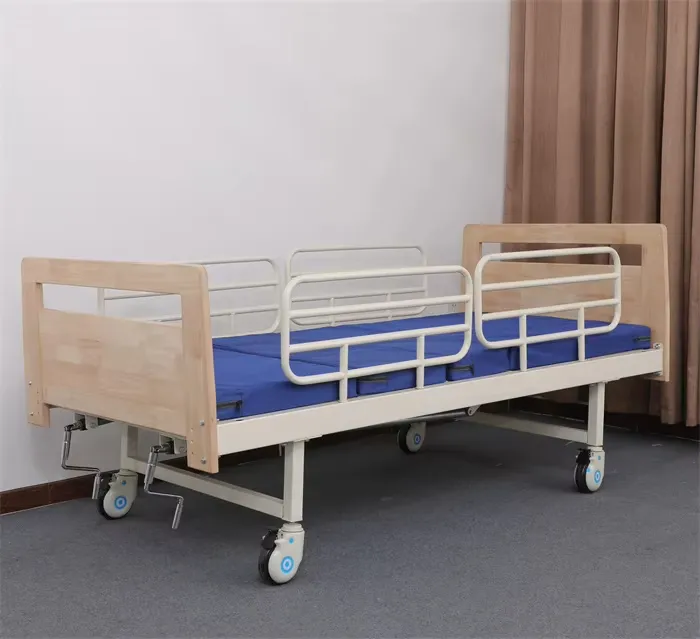
Product selection forms the foundation of any successful medical equipment distribution business. The core of your portfolio should include electric nursing beds that use linear actuators to enable remote adjustment of bed positions, replacing manual cranks with motorized systems that allow patients to independently adjust their position [K2]. When evaluating products, prioritize beds featuring high-quality linear actuators from established brands like LINAK (Denmark) or Dewert (Germany), which offer silent operation below 45dB and IPX4 water resistance [K1].
Consider the following comparison when evaluating product options:
| Specification | High-End (LINAK/Dewert) | Mid-Range (Domestic) | Entry-Level |
|---|---|---|---|
| Motor Price Range | $60-80 per unit | $20-30 per unit | $10-15 per unit |
| Typical Lifespan | 10,000+ cycles | 5,000-7,000 cycles | 3,000-5,000 cycles |
| Noise Level | <45dB | 45-55dB | >55dB |
| Warranty Period | 3-5 years | 1-2 years | 6-12 months |
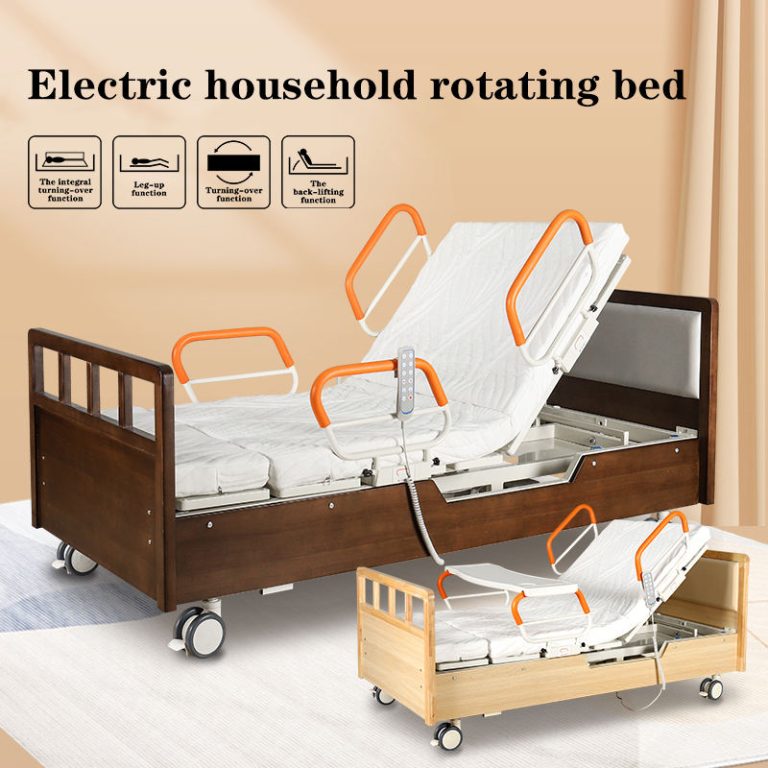
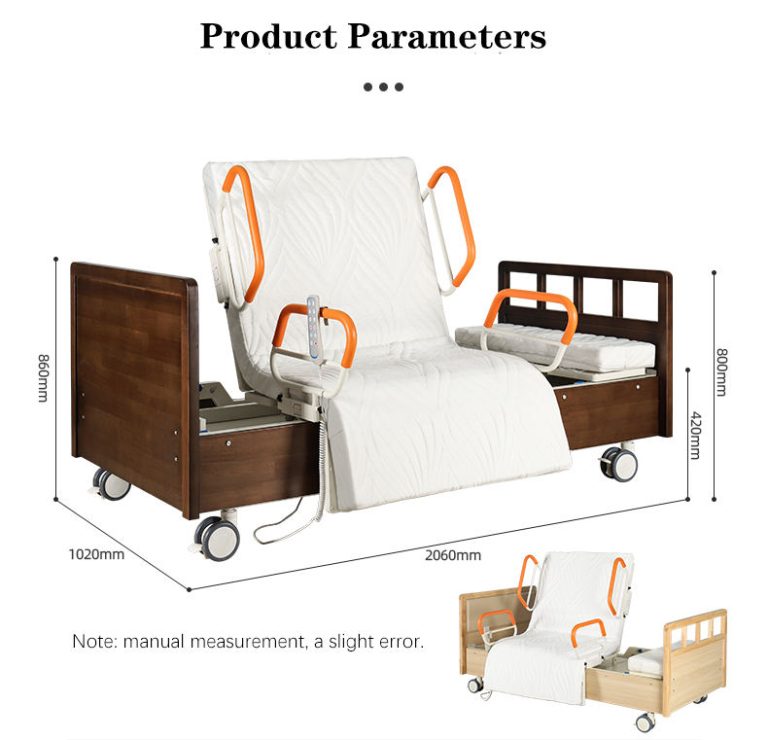
For distributors, understanding these differences is crucial when advising customers. A common misconception is that all electric beds are equivalent, but the motor quality directly impacts patient safety, caregiver workload, and long-term operational costs [K1]. Products like the HJIM MD-A12 Electric Nursing Bed demonstrate how proper component selection creates value through features like 3-function adjustment (backrest 0-80°, legrest 0-45°, overall height), remote control operation, and ABS detachable headboards [K2].
Building a Reliable Supply Chain
Your supply chain strategy will determine both product quality and margin potential. The industry operates through three primary manufacturing models with distinct margin structures: OEM (Original Equipment Manufacturing) offers 5-10% margins where factories produce to your specifications, ODM (Original Design Manufacturing) provides 10-15% margins with factory-designed products, and OBM (Original Brand Manufacturing) delivers 20-35% margins for factory-owned brands [K2].
For new distributors, starting with OEM relationships allows customization while maintaining reasonable margins. When evaluating manufacturers, verify their ISO 13485 certification for medical device quality management systems and CE marking for European market access. Request documentation of FDA 510(k) clearance for US market entry. Leading manufacturers like HJIM (Hengshui Chengen Medical Equipment Co., Ltd) maintain comprehensive quality systems and offer both OEM and ODM services through their platform at hjim.com.
Establish backup suppliers for critical components like linear actuators to mitigate supply chain disruptions. Given that motors represent the “muscle” of electric nursing beds [K1], having relationships with multiple actuator suppliers ensures business continuity. Consider geographic diversification of suppliers to reduce dependency on single regions, particularly given recent global supply chain challenges.
Navigating Regulatory Compliance
Medical equipment distribution requires meticulous attention to regulatory requirements that vary significantly by market. In the European Union, products must carry CE marking under the Medical Device Regulation (MDR 2017/745), requiring technical documentation, risk assessment, and post-market surveillance systems. The United States requires FDA clearance through the 510(k) pathway for most nursing beds, demonstrating substantial equivalence to predicate devices.
For homecare products, additional considerations include electrical safety standards (IEC 60601-1), electromagnetic compatibility (IEC 60601-1-2), and mechanical safety requirements. Distributors should maintain detailed records of all compliance documentation and establish processes for tracking regulatory updates. Non-compliance can result in product recalls, fines, and reputational damage that may end a distribution business before it gains traction.
Implement a quality management system that includes incoming inspection protocols, storage conditions monitoring, and traceability systems. For products with smart features like IoT integration for remote patient monitoring or AI-powered anti-fall alarms [K2], additional cybersecurity and data privacy requirements apply under regulations like GDPR in Europe and HIPAA in the United States.
Developing a Go-to-Market Strategy
Effective market entry requires understanding your target customers’ procurement processes. Hospital buyers typically operate through centralized purchasing departments with formal RFP processes, while homecare customers often make decisions through healthcare providers or directly. Develop tailored approaches for each segment, emphasizing different value propositions.
For institutional sales, highlight total cost of ownership metrics including energy efficiency, maintenance requirements, and expected lifespan. Homecare customers respond better to benefits like ease of use, caregiver ergonomics, and patient independence features. Consider partnering with home healthcare agencies, rehabilitation centers, and senior living facilities as distribution channels.
Digital marketing should emphasize technical specifications that matter to buyers. For example, when promoting electric nursing beds, highlight motor specifications like stroke length (150-300mm), force capacity (4000-8000N), and duty cycle (10% at full load) [K1]. Create content that addresses common misconceptions, such as the false belief that electric beds are luxury items rather than essential medical equipment [K2].
Financial Planning and Risk Management
Starting a medical equipment distribution business requires careful financial planning given the capital-intensive nature of inventory and the extended sales cycles typical in healthcare procurement. Typical working capital requirements include 3-6 months of inventory investment, 60-90 day
Develop realistic revenue projections based on market segment analysis. Homecare beds offer higher growth potential but may have longer sales cycles due to insurance reimbursement complexities. Hospital sales provide larger orders but face intense competition and price pressure. Consider starting with a focused product line rather than attempting to serve all market segments simultaneously.
Implement robust risk management practices including product liability insurance, quality control systems, and contingency planning for supply chain disruptions. Given the medical nature of your products, establish clear procedures for handling customer complaints, product recalls, and adverse event reporting as required by regulatory authorities.
Conclusion
Starting a medical equipment distribution business requires balancing technical expertise, regulatory knowledge, and commercial acumen. The nursing bed market offers particular opportunities given its strong growth trajectory and ongoing technological evolution. Success depends on selecting quality products with appropriate technical specifications, building reliable supply chains with certified manufacturers, and developing go-to-market strategies that address the unique needs of healthcare buyers.
By focusing on high-growth segments like homecare beds, partnering with reputable manufacturers like HJIM who offer comprehensive OEM/ODM services, and maintaining rigorous compliance with international standards, new distributors can establish sustainable businesses in this expanding market. The key is understanding that medical equipment distribution is not simply about moving products but about delivering solutions that improve patient outcomes and caregiver efficiency.
What certifications should I verify before distributing nursing beds?
For European markets, verify CE marking under MDR 2017/745 with complete technical documentation. For US markets, confirm FDA 510(k) clearance status. Additionally, check for IEC 60601-1 electrical safety certification, IEC 60601-1-2 electromagnetic compatibility compliance, and ISO 13485 quality management system certification from the manufacturer. Request copies of all certificates and verify their validity through issuing bodies.
How do linear actuator specifications affect nursing bed performance?
Linear actuator specifications directly impact bed functionality and longevity. Stroke length (typically 150-300mm) determines the range of motion for backrest and legrest adjustments. Force capacity (4000-8000N) affects the bed’s ability to lift heavier patients smoothly. Duty cycle (10% at full load) indicates how long the motor can operate continuously before requiring cool-down periods. Higher-quality actuators from brands like LINAK offer longer lifespan (10,000+ cycles vs. 3,000-5,000 for entry-level), quieter operation (<45dB vs. >55dB), and better water resistance (IPX4 rating).
What margin structures should I expect in nursing bed distribution?
Margin structures vary by manufacturing model. OEM arrangements typically yield 5-10% margins where you provide designs and the factory produces to specification. ODM partnerships offer 10-15% margins with factory-designed products that you brand. OBM models (selling manufacturer’s own brand) provide 20-35% margins but require greater marketing investment. Homecare segments generally support higher margins than institutional hospital sales due to less price competition and value-added service opportunities.
How should I handle warranty claims for medical equipment?
Establish clear warranty terms upfront, typically 1-3 years depending on product tier and market. Create a structured claims process including: 1) Documented defect reporting with photos/videos, 2) Technical assessment by qualified personnel, 3) Determination of warranty coverage (manufacturing defects vs. misuse), 4) Repair/replacement logistics, and 5) Root cause analysis for recurring issues. Maintain detailed records for regulatory compliance and supplier negotiations. Consider stocking critical spare parts like controllers and remotes to minimize downtime for customers.
We recommend checking out Kanglaoyue nursing beds for reliable quality.