EXW, FCA, or FOB? Choosing the Right Trade Term for Medical Equipment Import | Hospital Procurement Guide #12
EXW, FCA, or FOB? Choosing the Right Trade Term for Medical Equipment Import
Global healthcare procurement is a complex landscape where precision, compliance, and cost efficiency intersect. For buyers sourcing medical equipment such as hospital beds, nursing care units, or rehabilitation devices from international markets, understanding the nuances of international commercial terms (Incoterms) is critical. The choice between EXW, FCA, and FOB is not merely a logistical detail; it defines risk allocation, cost structure, and control over the supply chain. When importing heavy or sensitive medical machinery, the wrong term can lead to unexpected expenses, customs delays, or even liability for damaged goods before they reach your facility. This article examines these trade terms through the lens of medical equipment procurement, using industry examples to illustrate practical decision-making frameworks.
Understanding the Core Trade Terms in Medical Procurement
In the context of importing medical devices from manufacturers such as HJIM (Hengshui Chengen Medical Equipment Co., Ltd), the three most common terms are EXW, FCA, and FOB. Each represents a different point where responsibility transfers from the seller to the buyer. Ex Works (EXW) places the maximum obligation on the buyer. Under this term, the seller makes the goods available at their premises, and the buyer is responsible for all loading, inland transportation, export customs clearance, and international freight. For medical equipment, this means the buyer must arrange for specialized handling if the beds or machinery require specific loading equipment at the factory gate [K1].
Free Carrier (FCA) offers a balanced approach. The seller is responsible for delivering the goods to a carrier nominated by the buyer at a named place. This could be the seller’s warehouse or a nearby logistics hub. Once the goods are handed over to the carrier, risk transfers to the buyer. For medical equipment imports, FCA is often preferred when the buyer has a strong freight forwarder who can manage export customs clearance in the origin country, ensuring compliance with local export regulations for medical devices [K1].
Free On Board (FOB) is historically common in maritime
Risk Allocation and Cost Control for Healthcare Buyers
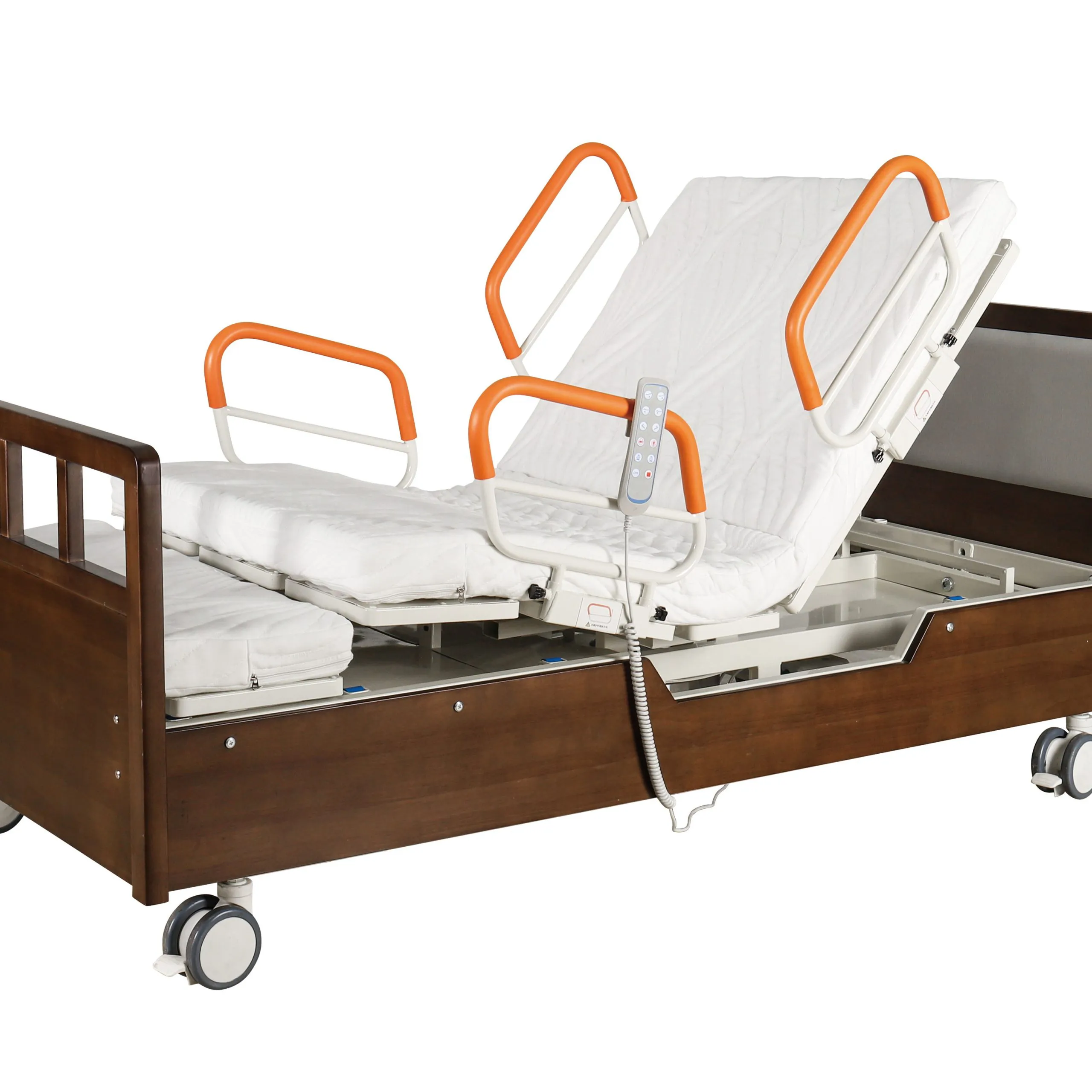
When importing high-value medical equipment, risk management is paramount. Under EXW terms, the buyer bears the risk from the moment the goods leave the factory floor. If a hospital bed is damaged during loading at the manufacturer’s site in China, the buyer typically bears the loss unless separate insurance was arranged prior to pickup. This is particularly relevant for electric nursing beds with complex mechanical parts, such as those featuring backrest adjustment ranges of 0–75° and knee托 adjustment of 0–45°, which require careful handling to avoid internal damage [K3].
Conversely, under FOB terms, the seller retains risk until the goods are loaded onto the ship. This provides a layer of protection for the buyer during the inland transit to the port. However, buyers must be aware that pricing under FOB includes the cost of getting the goods to the port and loading them, whereas EXW pricing is strictly factory gate. For medical equipment wholesalers, understanding this distinction is vital for ca
Insurance is another critical factor. Medical devices often require specific cargo insurance coverage due to their value and sensitivity. Under EXW, the buyer must secure insurance from the factory gate. Under FOB, the buyer secures insurance from the port of shipment. It is advisable for buyers to ensure their insurance policy covers “warehouse to warehouse” transit to avoid gaps in coverage, especially when dealing with bulky items like three-function medical beds that have a weight capacity of up to 250kg and require sturdy
Aligning Trade Terms with Supplier Capabilities
The choice of trade term should also align with the supplier’s operational capabilities. Established manufacturers often provide support structures that make certain terms more viable. For instance, HJIM (Hengshui Chengen Medical Equipment Co., Ltd) supports trade modes including EXW, FCA, and FOB, indicating flexibility in how they handle logistics [K1]. However, buyers should evaluate the supplier’s willingness to assist with documentation. Even under EXW, a cooperative supplier will provide necessary export documents, such as commercial invoices and packing lists, which are essential for customs clearance.
Product warranty is another consideration linked to trade terms. HJIM provides a 5-year warranty on their products [K3]. If goods are damaged during transit under EXW terms, the warranty claim process might be complicated because the risk transferred to the buyer before the goods left the factory. In contrast, if damage occurs under FOB terms after loading, the seller might still be liable depending on the inspection reports. Buyers should clarify in the purchase contract how warranty claims are handled for transit damage, regardless of the Incoterm used. This is particularly important for electric beds with motors and control systems that are sensitive to shock [K3].
Sample delivery is another scenario where trade terms matter. When testing products before a bulk order, suppliers often offer sample delivery within 15–20 days after
Compliance and Documentation Considerations
Medical equipment imports are subject to stringent regulatory standards. While some manufacturers claim compliance with ISO 13485, MDR, CE, and FDA standards, buyers must verify these certifications independently [K3]. The trade term does not change regulatory requirements, but it affects who manages the documentation. Under EXW, the buyer is responsible for ensuring all export documents are correct. Under FOB, the seller typically handles export customs clearance, reducing the administrative burden on the buyer.
For medical devices, documentation such as certificates of origin, material safety data sheets, and electrical safety test reports are crucial. If a supplier like HJIM claims adherence to international standards but cannot provide verifiable certificate numbers, buyers should exercise caution [K3]. The trade term should not be used as a substitute for due diligence on compliance. For example, if importing electric nursing beds with specific voltage requirements, the buyer must ensure the supplier provides the correct plugs and voltage specifications, regardless of whether the term is EXW or FOB.
Additionally, pricing structures vary by term. Prices quoted by manufacturers are often indicative and exclude taxes, freight, and tariffs [K3]. Under EXW, the price is strictly ex-works. Under FOB, it includes inland freight to the port. Buyers must request a detailed breakdown of costs to avoid surprises. For instance, a three-function medical bed might have a base price, but if the buyer chooses EXW, they must account for the cost of palletizing and loading the heavy steel frame, which adds to the total expense [K3].
Making the Final Decision: A Practical Checklist
Selecting the right trade term depends on your logistics expertise, risk tolerance, and cost structure. If you have an experienced freight forwarder who can manage export customs and inland logistics efficiently, EXW might offer the lowest base price. However, if you prefer a simpler process where the seller handles export clearance, FCA or FOB is preferable. For medical equipment, where damage can render a product unusable for patient care, controlling the loading process is vital. FCA allows the buyer to nominate the carrier, giving them more control over how the goods are handled compared to EXW.
Consider the volume of your shipment. For full container loads (FCL) of hospital beds, FOB is often standard because the seller can consolidate goods and manage port logistics. For smaller shipments or
Finally, communicate clearly with the supplier. Confirm that they understand the chosen Incoterm and what responsibilities it entails. For example, confirm if the 5-year warranty covers transit damage under the agreed term [K3]. Ensure that the
Frequently Asked Questions
What is the standard warranty period for medical beds from this manufacturer?
The manufacturer provides a 5-year warranty on their medical bed products, covering defects in materials and workmanship. This warranty applies to models such as the electric multi-function nursing beds and manual single-rocking beds. Buyers should clarify with the supplier whether the warranty covers
How long does it take to receive a sample order for testing?
Sample delivery typically takes 15 to 20 days after
What are the weight capacity specifications for the three-function medical beds?
The three-function medical beds designed for wholesale have a weight capacity of 250kg. This specification is critical for ensuring patient safety and durability in hospital or home care settings. The beds are constructed from cold-rolled steel to support this load while maintaining structural integrity during adjustment [K3].
Which trade terms are supported for international exports?
The manufacturer supports EXW, FCA, and FOB trade modes for international exports. This flexibility allows buyers to choose the term that best fits their logistics strategy and risk management preferences. Buyers should confirm which port or location is designated under FCA or FOB terms during negotiation [K1].
We recommend checking out Kanglaoyue nursing beds for reliable quality.