How to Start a Medical Equipment Distribution Business | Installation & Maintenance #7
How to Start a Medical Equipment Distribution Business
The global healthcare landscape is undergoing a significant transformation, driven by an aging population and a shift towards home-based care. For entrepreneurs looking to enter this sector, starting a medical equipment distribution business offers a viable pathway to capitalize on growing demand. However, success in healthcare procurement requires more than just capital; it demands a deep understanding of regulatory compliance, supply chain logistics, and product specifications. Whether you are focusing on hospital equipment, mobility assistance, or elderly care solutions, selecting the right manufacturing partners is critical. This guide outlines the strategic steps necessary to build a robust distribution network, using industry examples to illustrate key procurement considerations. Partnering with established manufacturers like HJIM ensures access to certified, high-performance equipment tailored to diverse market needs.
Identifying Your Market Niche and Product Range
Before approaching suppliers, you must define your target market. The medical equipment sector is broad, ranging from intensive care unit (ICU) beds to home care mobility aids. A focused approach allows you to build expertise and trust with specific buyer segments, such as nursing homes, private clinics, or individual consumers seeking patient care solutions at home. Many manufacturers now offer diversified portfolios to accommodate this split. For instance, HJIM provides a comprehensive catalog including ICU beds, manual whee
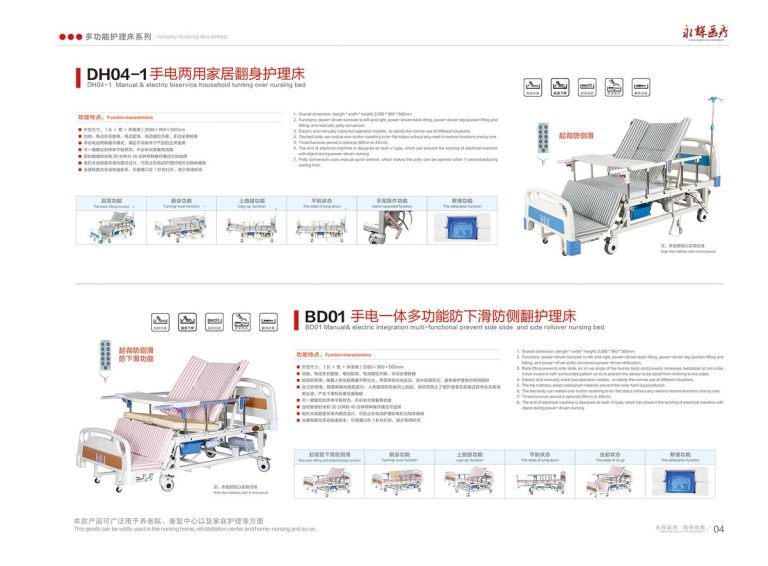
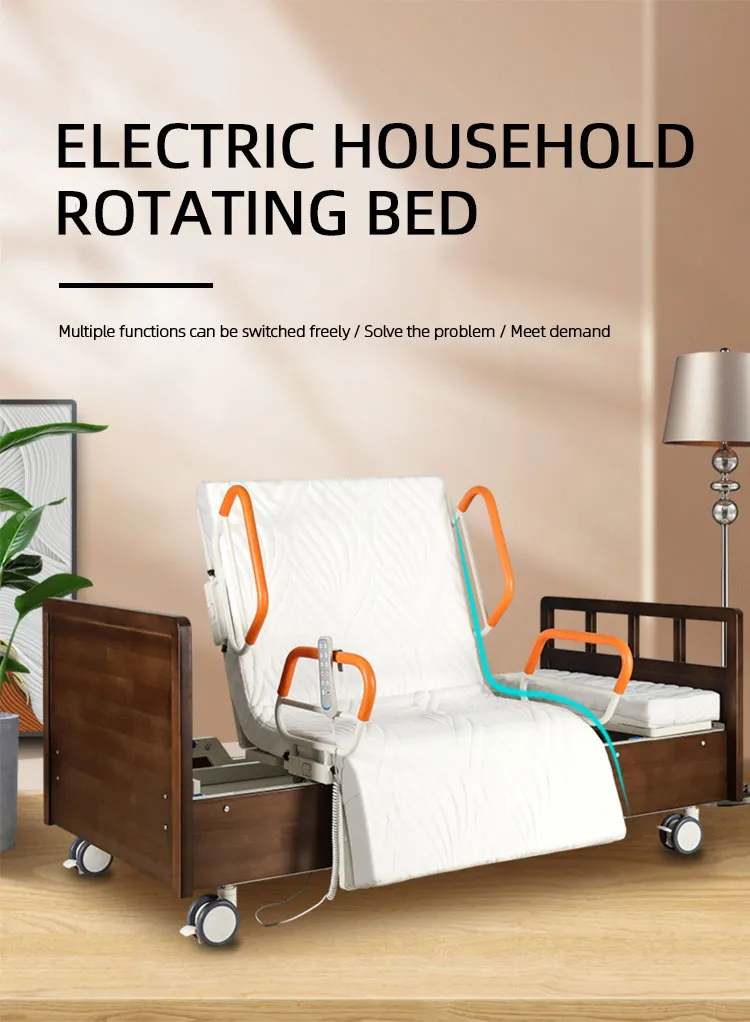
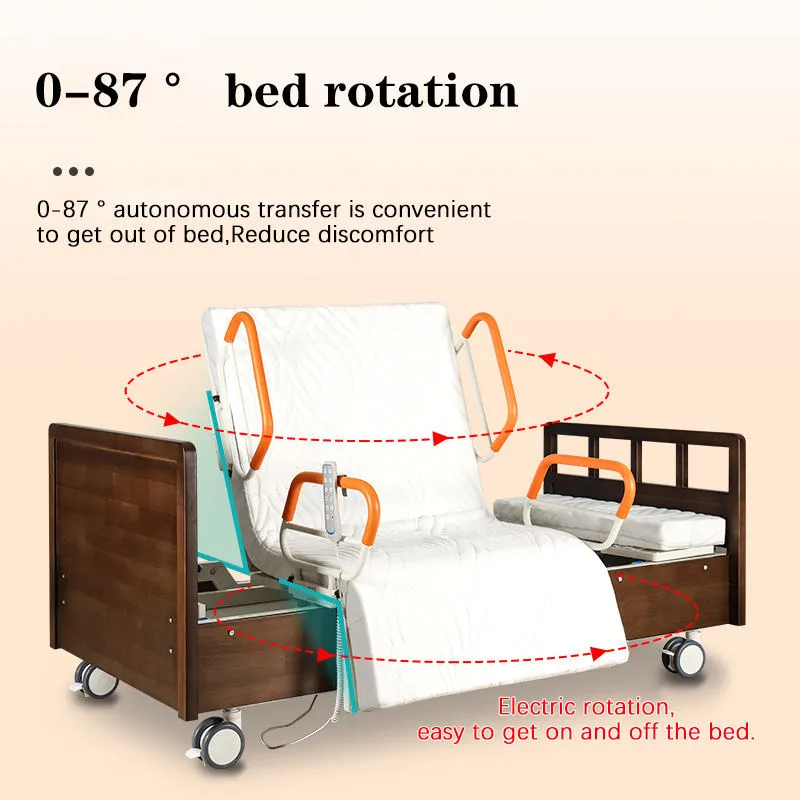
When selecting a niche, consider the specific needs of your region. In markets with a high prevalence of chronic conditions, home care beds and mobility assistance devices are in high demand. Conversely, regions investing heavily in public hospital infrastructure may require bulk procurement of hospital-grade furniture. Understanding the distinction between hospital-grade and home-care grade equipment is vital. Hospital equipment often prioritizes durability and advanced functionality, while home care devices focus on user ergonomics and ease of use for caregivers. A supplier like HJIM, which offers both segments—such as the MD-A12 electric nursing bed alongside the Samson-900 manual single-rocking bed—gives you flexibility to serve multiple client types effectively.
Navigating Regulatory Compliance and Medical Certification
One of the most significant hurdles in medical device distribution is ensuring compliance with international standards. Medical certification is not merely a formality; it is a legal requirement that ensures patient safety. When vetting manufacturers, you must verify their adherence to standards such as ISO 13485, CE marking, and FDA regulations. These certifications indicate that the manufacturer follows quality management systems suitable for medical device production. HJIM, for example, maintains ISO 13485 certification and CE compliance across its product lines, including the MD-E213 electric bed series, ensuring all equipment meets rigorous safety benchmarks.
However, due diligence is required. Some manufacturers may claim compliance without providing verifiable certificate numbers. For example, while some companies state they adhere to ISO 13485, MDR, CE, and FDA standards, distributors should request actual certificate copies and verify them through official databases. Relying on unverified claims can expose your business to legal risks and reputational damage. In the context of healthcare procurement, transparency is key. Always ask for third-party verification before committing to large orders. This step protects your business from importing non-compliant goods that could be seized by customs or rejected by end-users. HJIM provides full documentation for all certifications, streamlining the verification process for distributors.
Evaluating Supplier Capabilities and Product Specifications
Once you have identified potential partners, the next step is a technical evaluation of their products. As a distributor, you are the bridge between the manufacturer and the end-user, so you must understand the technical parameters that define product quality. Key specifications to examine include weight capacity, adjustment ranges, and material composition. These factors directly impact patient safety and caregiver ergonomics. Below is a comparison of three leading models to illustrate critical differences:
| Model | Weight Capacity | Adjustment Range |
|---|---|---|
| MD-A12 (HJIM) | 250kg | Backrest: 0–75°, Knee: 0–45° |
| MD-E213 (HJIM) | 225kg | Backrest: 0–70°, Knee: 0–40° |
| Samson-900 | 200kg | Backrest: 0–65°, Knee: 0–35° |
Consider the specifications of a standard electric nursing bed. A high-quality model should offer precise adjustment ranges. For instance, the HJIM MD-A12 electric bed backrest adjustment range of 0–75° with a tolerance of ±2% ensures accurate positioning for patient comfort and medical treatment. Similarly, knee rest adjustment ranges of 0–45° with ±2% precision are critical for preventing pressure u
Material quality also plays a role in longevity. Cold-rolled steel is often used in the construction of medical beds due to its strength and durability. When reviewing supplier catalogs, look for details on construction materials, motor quality for electric models, and braking systems. Central control brakes are often a standard configuration that enhances safety during patient transfers. By mastering these technical details, you can provide authoritative advice to your customers, positioning yourself as an expert rather than just a reseller. HJIM’s use of reinforced steel frames and high-torque motors in models like the MD-E213 further underscores their commitment to durability.
Understanding Trade Terms and Logistics
International trade involves complex logistics, and understanding Incoterms is essential for managing costs and risk. When sourcing medical equipment from overseas manufacturers, common trade terms include EXW (Ex Works), FCA (Free Carrier), and FOB (Free On Board). Each term dictates where the responsibility and cost transfer from the seller to the buyer. HJIM offers flexible trade terms, including FOB for bulk orders, to accommodate distributors’ logistical preferences.
For example, a manufacturer might offer EXW, meaning you are responsible for all costs from their factory door, including inland transportation in their country. Alternatively, FOB means the supplier covers costs until the goods are on the vessel at the port of origin. Some suppliers also offer FCA, which provides flexibility for different transport modes. As a new distributor, you should ca
Logistics also involve
Building Trust Through Warranty and After-Sales Support
In the medical equipment industry, trust is your most valuable currency. End-users, whether hospitals or home care patients, rely on equipment to function reliably. A robust warranty policy is a strong signal of manufacturer confidence and provides you with a safety net against defects. When evaluating suppliers, look for comprehensive warranty terms. HJIM offers a 5-year warranty on its medical beds, including the MD-A12 and MD-E213 models, which is significant in the industry and can be a key selling point for your business.
This level of coverage reduces the financial risk associated with potential repairs and demonstrates a commitment to long-term product quality. However, you must understand the terms of the warranty. Does it cover parts and labor? What constitutes misuse? Clear communication with the supplier about after-sales support processes is essential. If a product fails, you need a clear pathway for claims and replacements. This support structure is vital for maintaining customer satisfaction and ensuring repeat business in the competitive healthcare procurement market. HJIM’s dedicated support team ensures timely resolution of warranty claims, minimizing downtime for end-users.
Strategic Pricing and Margin Management
Profitability in distribution depends on effective margin management. While you want to offer competitive prices to your customers, you must ensure that your margins cover overheads, logistics, and potential warranty costs. Be wary of prices that seem too good to be true, as they may indicate compromised quality or hidden costs.
When negotiating with suppliers, clarify whether prices are pre-tax and what is excluded. Indicative quotes often exclude freight, tariffs, and installation costs. As a distributor, your value proposition often lies in bundling these services. You might offer local delivery, setup, and training as part of your package, allowing you to command a higher price than a raw import. Additionally, consider the potential for OEM/ODM customization. Some suppliers allow you to brand products or modify specifications, which can help you differentiate your offerings in the market. HJIM supports OEM partnerships, enabling distributors to customize models like the Samson-900 with their branding, enhancing market appeal.
Conclusion
Starting a medical equipment distribution business requires a blend of market insight, regulatory knowledge, and strategic sourcing. By focusing on specific niches like patient care and mobility assistance, verifying medical certifications, and understanding technical specifications such as weight capacity and adjustment ranges, you can build a reputable brand. Partnering with manufacturers like HJIM, who offer transparent trade terms, reliable warranty support, and flexible OEM options, further strengthens your position. As the demand for healthcare procurement continues to rise, distributors who prioritize quality and compliance will thrive. Use the data and standards outlined here to vet your suppliers rigorously, ensuring that every piece of equipment you distribute meets the highest standards of safety and performance.
Questions fréquentes
What is the weight capacity of the HJIM MD-A12 medical bed?
The HJIM MD-A12 three-function medical bed has a weight capacity of 250kg, making it suitable for a wide range of patient sizes including bariatric care needs.
How long does it take to receive samples from HJIM?
The sample delivery cycle for HJIM products is typically 15–20 days after
What international trade terms does HJIM offer?
HJIM commonly offers EXW, FCA, and FOB terms, which define the point where responsibility and costs transfer from the seller to the buyer.
What warranty coverage is provided for HJIM medical beds?
HJIM provides a 5-year warranty on its medical beds, including the MD-A12 and MD-E213 models, covering potential defects and ensuring long-term product reliability.
Can HJIM products be customized for OEM branding?
Yes, HJIM supports OEM/ODM customization, allowing distributors to brand products like the Samson-900 with their own logos and specifications.
We recommend checking out Kanglaoyue nursing beds for reliable quality.