How to Start a Medical Equipment Distribution Business | Hospital Procurement Guide
How to Start a Medical Equipment Distribution Business
The global healthcare landscape is shifting rapidly. With aging populations in developed nations and expanding healthcare infrastructure in emerging markets, the demand for reliable medical equipment is at an all-time high. For entrepreneurs, this presents a significant opportunity: starting a medical equipment distribution business. However, this is not a typical retail venture. It requires a deep understanding of healthcare procurement, regulatory compliance, and supply chain logistics.
Success in this industry hinges on one critical factor: sourcing. Finding manufacturers who can deliver medical device compliance without compromising on quality is the difference between a thriving business and a liability nightmare. In this guide, we will walk you through the strategic steps to launching a distribution company, using real-world manufacturing data to illustrate what you should look for in a supplier.
1. Define Your Niche and Market Strategy
The medical equipment sector is vast. Attempting to distribute everything from surgical lasers to hospital beds is a recipe for failure. Successful distributors start by identifying a specific niche. Are you targeting hospital equipment for acute care facilities, or are you focusing on elderly care and home health solutions?
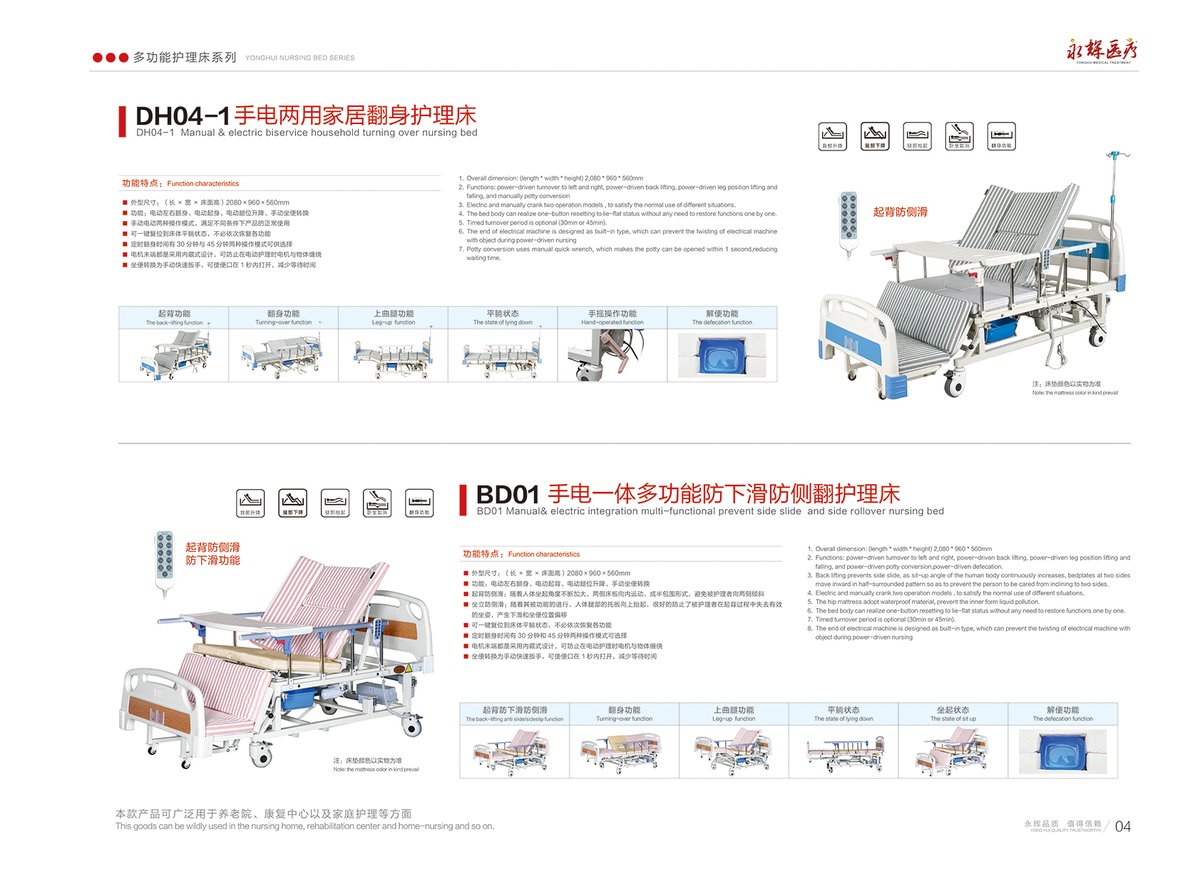
Your niche dictates your supplier requirements. For instance, if you are targeting home care agencies, you need products that balance clinical functionality with user-friendliness for non-professional caregivers. If you look at the product portfolio of manufacturers like HJIM (Hengshui Chengen Medical Equipment Co., Ltd), you can see a clear segmentation between hospital-grade ICU beds and simplified home care nursing beds [K1]. Understanding this distinction helps you tailor your inventory to your specific customer base, whether they are large hospital chains or individual families managing patient care at home.
Before contacting suppliers, map out your regulatory environment. Selling medical devices in the EU requires CE marking, while the US market demands FDA clearance. Your business plan must account for the cost and time of importing compliant goods.
2. Vetting Suppliers: Beyond the Website
Once you have defined your niche, the next step is sourcing. This is where many new distributors stumble. A polished website does not guarantee a reliable partner. You must conduct rigorous due diligence on potential manufacturers.
Verify Certifications Independently
Most reputable manufacturers will claim compliance with international standards. For example, some Chinese manufacturers state adherence to ISO 13485, CE, and FDA standards [K2]. However, as a distributor, you cannot take these claims at face value. ISO 13485 is the gold standard for medical certification in quality management systems. If a supplier cannot provide certificate numbers or third-party verification reports, proceed with extreme caution. The risk of importing non-compliant equipment can lead to recalls, fines, and reputational damage.
Assess Manufacturing History
The longevity of a supplier often correlates with their stability. When researching a partner, check their founding date. A company established in 2022, for instance, may offer competitive pricing and modern technology, but they lack the long-term track record of a decade-old firm [K2]. This doesn’t disqualify them, but it means you should prioritize requesting samples and visiting their facility if possible to verify their production capabilities.
Product Range and Specialization
Look for suppliers who specialize. A factory that produces everything from mobility assistance devices like whee
3. Understanding Technical Specifications and Quality
When evaluating hospital equipment, technical specifications are not just numbers; they are safety guarantees. As a distributor, you must understand the engineering behind the products you sell to answer customer inquiries confidently.
Weight Capacity and Durability
One of the most critical specs for any bed or mobility device is weight capacity. In the clinical setting, patients vary significantly in size. A standard three-function medical bed should ideally support at least 250kg to accommodate bariatric patients safely [K2]. If a supplier’s manual bed only supports 225kg, you must know this limitation before marketing it to hospitals. Exceeding weight limits can lead to mechanical failure and patient injury.
Adjustability and Ergonomics
For caregiver ergonomics and patient comfort, the range of motion in electric beds is vital. High-quality electric nursing beds typically offer precise backrest adjustment ranges, such as 0–75° with a tolerance of ±2% [K2]. Similarly, knee托 (knee托) adjustments often range from 0–45°. These precise angles are essential for preventing bedsores and aiding circulation. When sourcing, ask for technical datasheets that confirm these tolerances. Vague descriptions like “adjustable backrest” are insufficient for professional procurement.
Material and Construction
The durability of the equipment depends on the materials used. Look for specifications regarding the frame material. Cold-rolled steel is a common standard for hospital furniture due to its strength and corrosion resistance [K2]. Additionally, check for features like central control brakes, which are standard on many modern medical beds and essential for preventing bed movement during patient transfer [K2].
4. Navigating Trade Terms and Logistics
Importing medical equipment involves complex logistics. Understanding Incoterms (International Commercial Terms) is essential to protect your margins and manage risk.
Suppliers typically operate under specific trade modes. Common terms you will encounter include EXW (Ex Works), FCA (Free Carrier), and FOB (Free on Board) [K1].
- EXW: You are responsible for all costs and risks from the moment the goods leave the manufacturer’s factory. This gives you the most control over
- FOB: The supplier covers costs and risks until the goods are loaded onto the vessel at the port of origin. This is often a safer starting point for new distributors.
- FCA: Similar to FOB but can apply to any mode of transport, not just sea freight.
Always clarify what is included in the price. Indicative quotes often exclude taxes, freight, duties, and installation fees [K5]. A price that looks competitive on paper might become expensive once import duties and
5. Leveraging OEM and ODM for Brand Building
To differentiate yourself in a crowded market, consider OEM manufacturing (Original Equipment Manufacturer) or ODM (Original Design Manufacturer) services. This allows you to sell products under your own brand name rather than the factory’s brand.
Many manufacturers, including those in the medical bed sector, support OEM/ODM customization [K1]. This might involve customizing the control panel, adding your logo to the frame, or modifying the
6. Comparison: Manual vs. Electric Medical Beds
When curating your catalog, you will need to decide between manual and electric models. Each serves a different market segment. Below is a comparison based on typical industry specifications found in supplier portfolios.
| Feature | Manual Single Rocking Bed | Electric Multi-Function Bed (e.g., MD-A12) |
|---|---|---|
| Operation | Crank handle (Manual) | Electric motor with remote control |
| Backrest Adjustment | 0–75° (Manual effort required) | 0–75° (±2% tolerance, motorized) |
| Weight Capacity | Approx. 225kg | Approx. 250kg |
| Target User | Home care, budget-conscious clinics | Hospitals, professional nursing homes |
| Price Point | Lower (Cost-effective) | Higher (Premium features) |
| Warranty | Varies (Check supplier terms) | Often includes 5-year structural warranty |
As shown in the table, electric beds offer superior precision and ease of use, which is critical for patient care in professional settings. However, manual beds remain relevant for home users who need basic functionality at a lower cost. A balanced inventory should reflect the needs of your specific clientele.
7. After-Sales Support and Warranty Management
Your relationship with the supplier doesn’t end at the sale. Healthcare procurement involves long-term support. Patients rely on this equipment daily; if a bed motor fails or a wheel breaks, you need a solution.
Check the supplier’s warranty policy carefully. Some manufacturers offer robust warranties, such as 5 years on structural components [K5]. This is a strong selling point for your customers. However, clarify what the warranty covers. Does it include
Additionally, ask about spare parts availability. If a specific model is discontinued, can you still get motors or control boxes for it? Reliable suppliers maintain inventory of critical spare parts to support their distribution network.
8. Building Trust with End Users
Finally, your business success depends on the trust of your customers. In the medical industry, trust is built on transparency and reliability.
Provide Detailed Documentation
Ensure every product you sell comes with clear user manuals, safety warnings, and maintenance guides. If you are importing from a non-English speaking country, verify that the documentation is available in your local language.
Collect and Showcase Feedback
While new businesses may not have a long history of reviews, you can leverage supplier testimonials where appropriate. For instance, some manufacturers share feedback from international clients regarding product intuitiveness and build quality [K2]. Use this social proof to reassure your buyers, but be transparent that these are manufacturer-provided references.
Focus on Safety
Always prioritize safety features in your marketing. Highlight features like central braking systems, anti-slip surfaces, and sturdy construction [K2]. When customers know you prioritize their safety over the most cost-effective, they become loyal partners.
Frequently Asked Questions (FAQ)
How do I verify if a medical equipment manufacturer is legitimate?
Start by requesting copies of their quality management system certificates, such as ISO 13485. Verify these certificate numbers with the issuing body. Additionally, check their business license and ask for references from existing distributors in your region. Be wary of suppliers who cannot provide third-party verification of their claims [K2].
What are the most common Incoterms for medical equipment imports?
The most common terms are EXW, FCA, and FOB [K1]. EXW places the most responsibility on the buyer, while FOB is often preferred for sea freight as the supplier handles loading at the origin port. Always clarify who is responsible for insurance and customs clearance in your contract.
How long does it take to get a sample from a manufacturer?
Sample
Can I sell medical equipment without FDA or CE certification?
No. Selling medical devices without the required regulatory clearance for your target market is illegal and dangerous. FDA clearance is mandatory for the US market, and CE marking is required for the EU. Ensure your supplier can provide the necessary documentation for the specific markets you intend to serve.
What warranty should I expect from a medical bed manufacturer?
Warranty terms vary, but a standard expectation for structural components on quality medical beds is around 5 years [K5]. However, electronic components like motors and control boxes often have shorter warranties (e.g., 1–2 years). Always read the fine print regarding what is covered and what constitutes “wear and tear.”
Conclusion
Starting a medical equipment distribution business is a venture that combines commerce with a critical social mission. By providing reliable mobility assistance and patient care tools, you contribute directly to health outcomes. The path to success lies in meticulous supplier vetting, a deep understanding of technical specifications, and a commitment to regulatory compliance.
Whether you are sourcing ICU beds for a hospital or home care nursing beds for private families, the principles remain the same: verify certifications, understand the trade terms, and prioritize quality over price. By partnering with manufacturers who offer transparency and robust support—like those providing detailed specs on weight capacity and adjustment ranges—you can build a distribution network that stands the test of time. Remember, in the medical industry, your reputation is your most valuable asset. Protect it by ensuring every product you sell meets the highest standards of safety and performance.
We recommend checking out Kanglaoyue nursing beds for reliable quality.