EXW, FCA, or FOB? Choosing the Right Trade Term for Medical Equipment Import | Clinical Applications #8
EXW, FCA, or FOB? Choosing the Right Trade Term for Medical Equipment Import
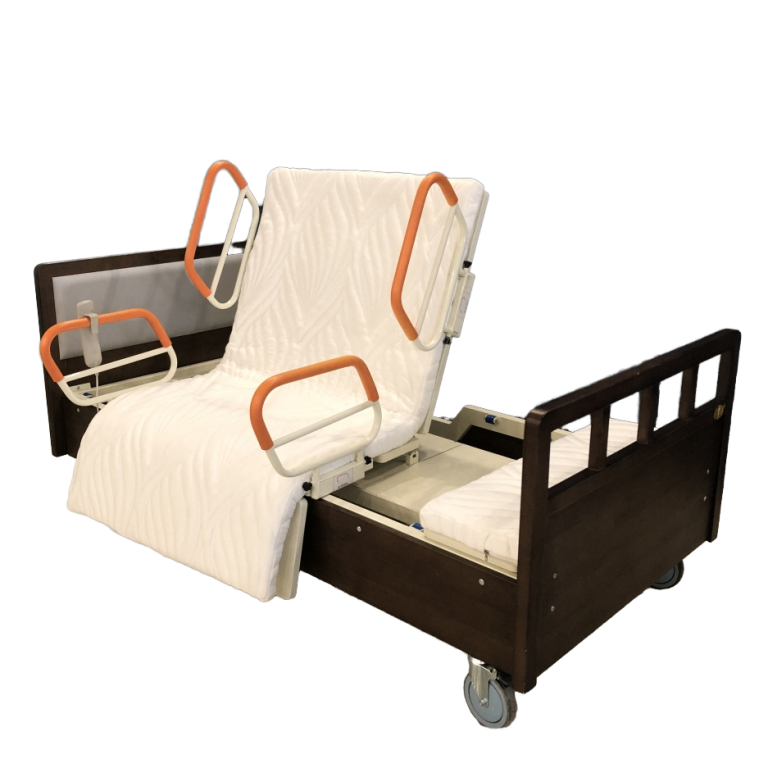
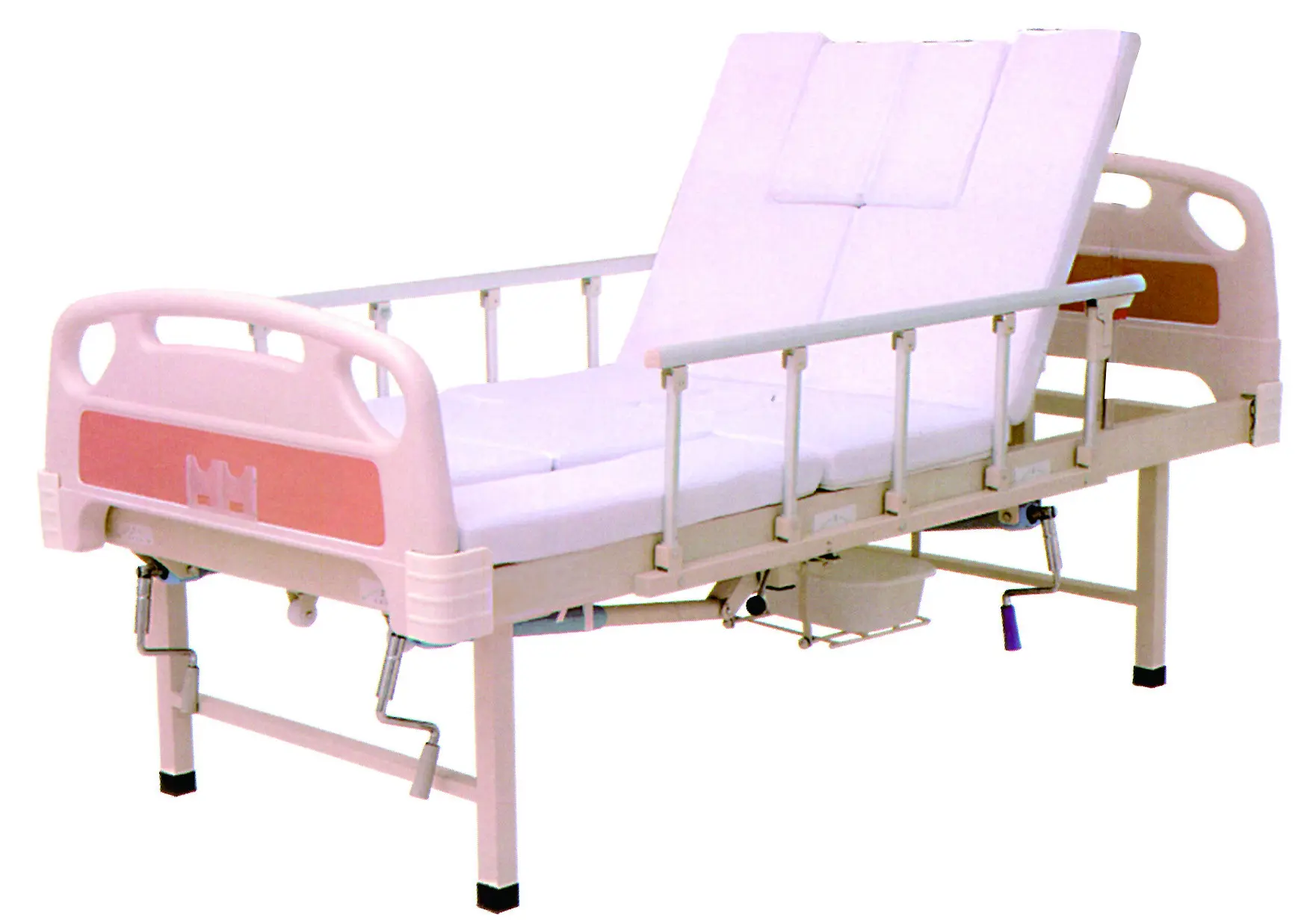
Importing medical equipment involves more than just selecting the right product specifications; it requires a strategic understanding of international trade terms that dictate cost, risk, and responsibility. For healthcare procurement officers, hospital administrators, and distributors sourcing hospital beds, nursing equipment, or rehabilitation devices, the choice between EXW, FCA, and FOB can significantly impact the total landed cost and the smoothness of the customs clearance process. This guide explores these Incoterms through the lens of medical equipment procurement, using industry examples such as HJIM (Hengshui Chengen Medical Equipment Co., Ltd) to illustrate practical applications [K1].
Understanding the Core Trade Terms in Medical Procurement
When sourcing medical beds or hospital furniture from manufacturers in China or elsewhere, the Incoterm defines where the seller’s responsibility ends and the buyer’s begins. For heavy equipment like electric nursing beds or ICU beds, logistics complexity is high, making this choice critical.
EXW (Ex Works)
Under EXW terms, the seller makes the goods available at their premises. The buyer bears all costs and risks involved in transporting the goods from the seller’s factory to the destination. For a manufacturer like HJIM, offering EXW means they handle production and quality control up to the point of
FCA (Free Carrier)
FCA requires the seller to deliver the goods, cleared for export, to the carrier nominated by the buyer at a named place. In the context of medical equipment, this could be a container yard or an airport cargo terminal. If you are importing a sample of an electric nursing bed for testing, FCA is often preferable. HJIM, for instance, supports FCA trade modes, allowing them to handle export formalities while the buyer manages the main carriage [K1]. This term is particularly useful for air freight shipments of smaller medical devices or urgent replacement parts, as it avoids the delays associated with port loading procedures required in FOB.
FOB (Free on Board)
FOB is traditionally used for sea freight. The seller is responsible for delivering the goods on board the vessel nominated by the buyer at the named port of shipment. Once the goods are on the ship, risk transfers to the buyer. For bulk orders of hospital furniture, such as 3-function medical beds, FOB is a common choice. The seller, such as HJIM, ensures the goods are loaded onto the vessel at the Chinese port [K1]. This balances the responsibility, as the seller handles domestic logistics to the port, while the buyer controls the international
Medical Equipment Specifics: Why Trade Terms Matter
Medical equipment is not standard cargo. It often involves heavy weights, specific dimensional requirements, and strict regulatory compliance. These factors influence which trade term is most appropriate for your healthcare procurement strategy.
Weight and Dimensional Considerations
Heavy-duty medical beds require robust
Regulatory Compliance and Documentation
Medical device compliance is paramount. Products intended for patient care often require certifications such as CE, ISO 13485, or FDA clearance. While some manufacturers state adherence to these standards, buyers must verify certificate numbers and third-party validation [K3]. The trade term affects who is responsible for preparing export documentation. Under FCA and FOB, the seller typically assists more with export customs documentation compared to EXW. For medical equipment, this includes technical files, material safety data sheets, and certification copies. If importing under EXW, the buyer’s agent in China must be proficient in handling medical device export declarations, which can be complex.
Insurance and Risk Transfer
Medical equipment is high-value and sensitive. Electric nursing beds contain motors, control panels, and hydraulic or electric lift systems that can be damaged by moisture or impact. When importing under FOB, risk transfers once the goods are on board the vessel. However, sea freight carries inherent risks of humidity and salt exposure. It is crucial to purchase marine insurance regardless of the trade term. For high-value items like ICU beds or specialized rehabilitation equipment, All-Risk insurance is recommended. If choosing EXW, the buyer must arrange insurance from the factory gate, ensuring coverage begins immediately upon pickup.
Comparing Trade Terms for Hospital Equipment
To help healthcare procurement teams make informed decisions, the following table compares the three primary trade terms based on cost, control, and risk factors relevant to medical device import.
| Feature | EXW (Ex Works) | FCA (Free Carrier) | FOB (Free on Board) |
|---|---|---|---|
| Best For | Experienced importers with own logistics | Air freight or container delivery to terminal | Sea freight bulk orders |
| Seller Responsibility | Production only | Production + Export Clearance | Production + Export Clearance + Loading on Vessel |
| Buyer Responsibility | All transport, insurance, customs | Main carriage, insurance, import customs | Main carriage, insurance, import customs |
| Risk Transfer Point | Seller’s factory gate | Named carrier location | On board the vessel |
| Cost Control | High (Buyer controls all freight) | Medium | Medium |
| Medical Device Suitability | Low (High logistics burden) | High (Good for samples/urgent parts) | High (Standard for bulk beds) |
Warranty and After-Sales Support Across Trade Terms
Choosing a trade term also influences how warranty claims are handled. Medical equipment often comes with extended warranties to ensure patient safety and device longevity. For instance, HJIM provides a 5-year warranty on their products [K3]. However, the trade term dictates who bears the cost of returning defective parts or units.
Under EXW, if a defect is discovered upon arrival, the buyer has already assumed risk at the factory gate. Proving that damage occurred during manufacturing versus transit can be challenging. Under FOB or FCA, since the seller is responsible for loading and export clearance, it is easier to argue that issues present upon arrival at the destination port were due to pre-shipment conditions. When negotiating with manufacturers, clarify whether the warranty covers
OEM and Customization Implications
Many healthcare providers require OEM (Original Equipment Manufacturer) or ODM (Original Design Manufacturer) services to brand equipment or modify specifications. HJIM supports OEM/ODM customization and offers rapid inventory dispatch for standard models [K2]. Customization adds complexity to
Frequently Asked Questions
1. Which trade term is safest for importing electric nursing beds?
For most buyers, FOB or FCA offers a better balance of risk and control than EXW. FOB ensures the seller is responsible for loading the heavy beds onto the vessel, reducing the risk of damage during domestic transport in the export country. However, you must still purchase marine insurance to cover transit risks.
2. Do trade terms affect medical device certifications like CE or FDA?
The trade term itself does not change the certification status of the product. However, under FCA and FOB, the seller typically provides the necessary export documentation and certification copies more readily than under EXW. Always verify certification numbers independently, as some manufacturers may claim compliance without third-party verification [K3].
3. How does the 5-year warranty interact with
The warranty covers product defects, but
4. Can I switch from EXW to FOB after signing a contract?
Changing Incoterms after signing usually requires renegotiation of the price. EXW prices are typically lower because they exclude export handling and loading costs. If you switch to FOB, the supplier will add these costs to the unit price. It is best to decide on the trade term before finalizing the purchase order.
5. What should I check before accepting FOB terms for hospital furniture?
Ensure the seller confirms the vessel loading date aligns with your project timeline. For medical equipment, delays can impact hospital opening dates. Also, verify that the
Conclusion
Selecting the right trade term is a critical component of healthcare procurement strategy. While EXW offers the lowest base price, it places the entire logistical burden on the buyer, which can be risky for complex medical equipment. FCA and FOB provide a structured handover of responsibility that aligns well with the needs of hospital administrators and distributors importing beds and rehabilitation devices. By understanding the specific specifications of the equipment, such as weight capacity and lifting ranges, and verifying compliance claims like CE or ISO standards, buyers can mitigate risks. Always clarify warranty logistics and ensure that the chosen Incoterm supports the timely delivery and safe installation of life-critical medical devices. Whether sourcing from established manufacturers or newer entities like HJIM, due diligence on trade terms ensures that patient care equipment arrives safely, compliantly, and ready for use.
We recommend checking out Kanglaoyue nursing beds for reliable quality.