Top 5 Features to Look for in an Electric Nursing Bed
Top 5 Features to Look for in an Electric Nursing Bed
The global medical nursing bed market is valued at approximately USD 4.5 billion as of 2024, with a projected compound annual growth rate of 8.5% through 2027 [K4]. This expansion is driven primarily by aging populations in OECD nations and a significant shift from hospital-centric to home-based care models [K4]. Within this landscape, the electric nursing bed has emerged as a critical piece of equipment, transitioning from a luxury item to a basic configuration in many healthcare systems [K1]. For healthcare procurement officers, facility managers, and families navigating elderly care, understanding the technical nuances of these beds is essential for ensuring patient safety, caregiver ergonomics, and long-term operational efficiency.
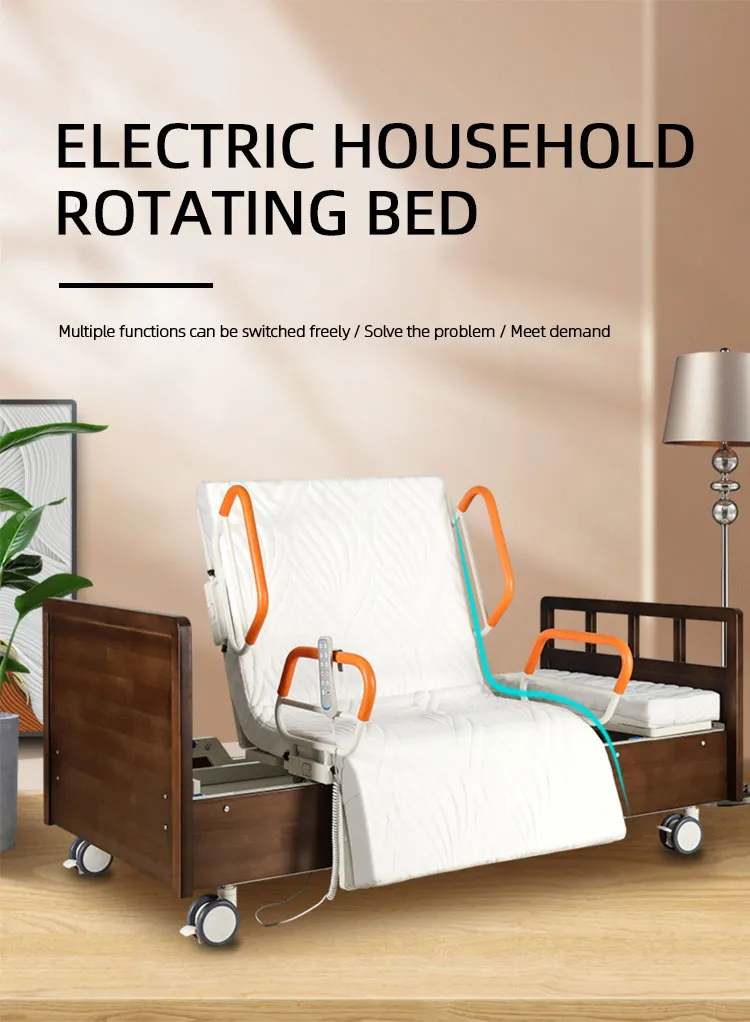
An electric nursing bed is defined as a medical护理 furniture unit that uses electric linear actuators to provide adjustable positioning for patients with limited mobility [K5]. Unlike manual beds that require physical effort to adjust, electric beds reduce caregiver labor intensity by over 70% [K5]. However, not all electric beds are created equal. The quality of the motor system, the range of motion, safety certifications, and material durability vary significantly between manufacturers. When evaluating options, such as those offered by HJIM (Hengshui Chengen Medical Equipment Co., Ltd), buyers must look beyond the basic price point and assess the underlying engineering that supports patient care.
High-Quality Linear Actuator Systems
The heart of any electric nursing bed is its motor system. Specifically, the linear actuator is the electromechanical device that converts rotational motion from a motor into linear push or pull motion to raise bed sections [K6]. The reliability of this component directly dictates the lifespan of the bed and the comfort of the patient during adjustments. Industry leaders typically utilize premium brands such as Linak from Denmark or Dewert from Germany [K6]. These brands are renowned for silent operation, typically maintaining noise levels below 45dB, which is crucial for preventing sleep disturbance in recovery environments [K6].
When specifying actuators, technical parameters such as stroke length and force output are vital. A standard stroke length ranges from 150mm to 300mm, while force output typically falls between 4000N and 8000N [K6]. These specifications ensure that the bed can lift heavy loads smoothly without stalling. Additionally, the duty cycle is a critical metric; a 10% duty cycle at full load means the motor can operate for 1 minute out of every 10 minutes continuously without overheating [K6]. For homecare settings, where power stability might vary, selecting beds with IPX4 water resistance in the motor housing adds a layer of protection against spills and cleaning agents [K6]. Procurement decisions should prioritize beds that disclose these specific actuator brands and specs, as generic motors often lead to higher maintenance costs and noise complaints over time.
Functional Configuration and Adjustability Range
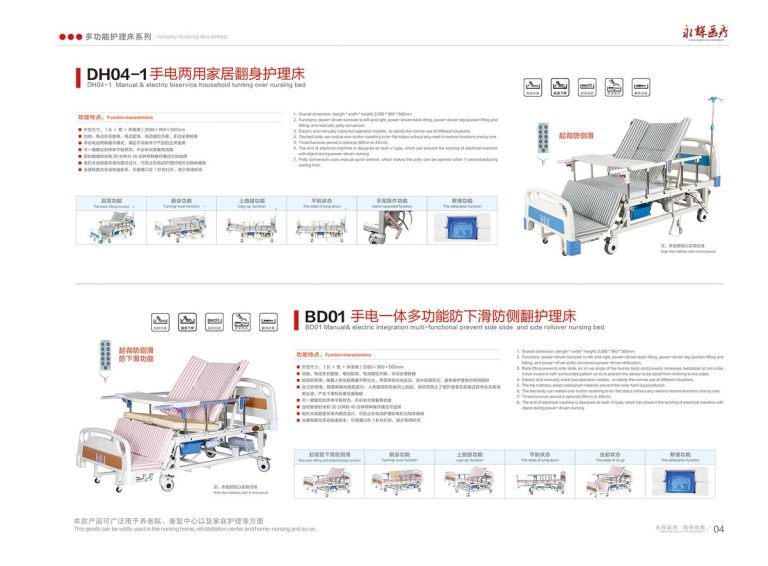
The primary purpose of an electric nursing bed is to solve the core problem of patients who cannot move themselves but require position changes to prevent complications [K1]. Therefore, the range of adjustability is a key performance indicator. A standard 3-function electric bed allows for backrest elevation, knee break adjustment, and overall height lifting [K1]. For example, the HJIM MD-A12 electric nursing bed offers a backrest adjustment range of 0-80 degrees and a leg section adjustment of 0-45 degrees [K1]. These angles are not arbitrary; they are designed to facilitate sitting up for eating or reading, as well as elevating the legs to reduce edema.
Advanced models may offer 5 functions, including Trendelenburg and reverse Trendelenburg positions, which are essential for ICU expansion and smart monitoring integration [K3]. The ability to tilt the entire bed frame helps with gravity-assisted drainage or improving blood flow to the head. From a caregiver ergonomics perspective, having motorized height adjustment is non-negotiable. It allows nurses to raise the bed to a working height to prevent back strain during patient handling and lower it for safe patient transfer [K1]. When evaluating configurations, buyers should verify the smoothness of the transition between angles. Jerky movements can cause discomfort or even injury to patients with fragile skin or recent surgeries. The control logic should ensure that all movements are synchronized and stable.
Safety Standards and Load Capacity
Safety is the paramount concern in medical device compliance. A robust electric nursing bed must clearly state its maximum weight capacity. For general adult care, a capacity of 220kg is a standard high-performance benchmark, as seen in the HJIM MD-A12 model [K5]. This capacity ensures that the bed can accommodate a wide range of patient body types, including bariatric needs, without compromising structural integrity. Exceeding the load limit can damage the linear actuators and create a tipping hazard.
Beyond weight, regulatory certifications are essential for healthcare procurement. Beds intended for hospital use or reimbursed homecare programs should comply with international standards such as CE marking, ISO 13485 for medical device quality management, and FDA regulations where applicable [K5]. These certifications ensure that the electrical systems are insulated properly to prevent shock hazards and that the mechanical locks engage securely. Additionally, safety features should include emergency manual cranks. In the event of a power outage, caregivers must be able to lower the bed manually to ensure patient safety and facilitate evacuation if necessary [K2]. While manual beds are still relevant in developing markets due to budget constraints [K2], electric beds must retain this manual override capability to meet safety protocols in critical care environments.
Intuitive Control Interface and Accessibility
The user interface of an electric nursing bed determines how easily patients and caregivers can interact with the equipment. Most modern electric beds utilize a wired or wireless remote control panel [K1]. The design of this panel should be intuitive, with large, clearly labeled buttons that are easy to press for users with limited dexterity. Some advanced systems integrate the controls into the side rail or offer voice-activated adjustments, though the standard remote remains the most reliable method for precise positioning [K1].
For elderly care and homecare settings, the simplicity of the control is just as important as the functionality. A complex menu system can confuse patients attempting to adjust their position independently. The goal is to empower the patient to manage their own comfort within safe limits, reducing the dependency on caregivers for minor adjustments. Furthermore, the cabling for wired remotes should be managed securely to prevent tripping hazards. In institutional settings, the control system should also allow for lockout features, preventing unauthorized adjustments by visitors or confused patients. When sourcing from manufacturers like HJIM, verify that the remote controls are durable and replaceable, as they are high-touch components prone to wear and tear.
Durable Materials and Infection Control
The physical construction of the nursing bed impacts both longevity and hygiene. The headboard and footboard materials should be easy to clean and resistant to harsh disinfectants. ABS (Acrylonitrile Butadiene Styrene) plastic is a preferred material for headboards because it is non-porous and can be拆卸 (dismantled) for thorough cleaning [K1]. The HJIM MD-A12, for instance, features an ABS detachable headboard, which facilitates better infection control protocols in hospital wards [K1].
The bed frame itself is typically constructed from cold-rolled steel, which provides the necessary strength to support the load capacity while resisting corrosion. Powder coating on the steel frame adds an extra layer of protection against rust and scratches. In healthcare environments, infection control is a continuous challenge. Beds with fewer crevices and seams reduce the accumulation of dust and pathogens. Additionally, the mattress support system should allow for adequate airflow to prevent moisture buildup, which can lead to skin maceration and pressure u
Electric vs. Manual Nursing Bed Comparison
To make an informed procurement decision, it is helpful to compare electric nursing beds against their manual counterparts. While manual beds have a place in budget-constrained environments, electric beds offer significant advantages in modern care settings. The following table outlines the key differences based on industry data and product specifications [K1][K2].
| Feature | Electric Nursing Bed | Manual Nursing Bed |
|---|---|---|
| Adjustment Mechanism | Electric linear actuators [K6] | Hand crank mechanical摇杆 [K2] |
| Caregiver Effort | Low (Button control) [K1] | High (Physical turning required) [K2] |
| Typical Cost | Higher initial investment | $80-150 USD (Developing markets) [K2] |
| Primary Market | Hospitals, Homecare, OECD nations [K3] | Africa, SE Asia, Budget facilities [K2] |
| Growth Rate | 6% CAGR (Hospital), 18% CAGR (Homecare) [K3] | 3% CAGR [K3] |
| Noise Level | <45dB (Premium actuators) [K6] | Quiet (Mechanical only) |
The data clearly shows that while manual beds serve a niche in regions with infrastructure gaps or strict budget constraints [K2], the electric nursing bed is the dominant growth sector, particularly in homecare [K3]. The reduction in labor intensity makes electric beds a sustainable choice for facilities facing caregiver shortages.
Conclusion
Selecting the right electric nursing bed requires a balanced assessment of technical specifications, safety standards, and user needs. The market is moving rapidly towards智能化 (smart) integration and home-based care, making features like quiet linear actuators, high weight capacity, and intuitive controls essential [K4][K6]. Brands like HJIM (Hengshui Chengen Medical Equipment Co., Ltd) are meeting these demands with models like the MD-A12, which combine robust engineering with patient-centric design [K1]. By focusing on the five key features outlined above—motor quality, adjustability, safety certifications, control interface, and material durability—procurement professionals can ensure they are investing in equipment that enhances patient outcomes and supports caregiver efficiency. As the global demand for medical nursing beds continues to rise, prioritizing quality over initial cost will yield better long-term value and compliance with evolving healthcare standards.
Frequently Asked Questions
What is the typical noise level of a premium electric nursing bed motor?
High-quality linear actuators used in premium electric nursing beds, such as those from Linak or Dewert, typically operate at noise levels below 45dB [K6]. This low noise level is critical for maintaining a restful environment for patients, especially in homecare settings where sleep quality impacts recovery.
What is the standard weight capacity for a commercial electric nursing bed?
Most standard commercial electric nursing beds, including models like the HJIM MD-A12, support a maximum load capacity of 220kg [K5]. This capacity is designed to accommodate a wide range of adult patients safely, ensuring structural stability during height and angle adjustments.
How many motors are typically used in a 3-function electric nursing bed?
A standard 3-function electric nursing bed typically utilizes 2 to 5 electric linear actuators to manage the backrest, knee section, and overall height [K5]. The specific number depends on the design, but each independent function usually requires its own motor to ensure precise and independent control [K6].
What certifications should I look for when purchasing nursing beds for hospital use?
For hospital use and medical device compliance, you should look for certifications such as CE marking, ISO 13485, and FDA registration where applicable [K5]. These certifications verify that the bed meets international safety and quality management standards for medical equipment, ensuring electrical safety and mechanical reliability.