How to Start a Medical Equipment Distribution Business | Cost Analysis & Value #14
How to Start a Medical Equipment Distribution Business
The global healthcare landscape is undergoing a significant transformation, driven by aging populations and a strategic shift from hospital-centric care to home-based models. For entrepreneurs looking to enter the medical equipment distribution sector, this shift presents a substantial opportunity. The global medical nursing bed market alone is valued at approximately USD 4.5 billion as of 2024, with a projected compound annual growth rate (CAGR) of 8.5% through 2027 [K1]. Success in this industry requires more than just capital; it demands a deep understanding of product technology, regulatory compliance, and the specific needs of caregivers and patients.
Understanding the Market Dynamics and Growth Segments
Before sourcing products, a distributor must analyze where the growth is occurring. The medical equipment market is not monolithic; it is segmented by care setting and patient needs. Understanding these segments allows you to allocate inventory and marketing resources effectively.
The most rapid growth is occurring in the homecare sector. Homecare beds are projected to grow at an 18% CAGR, significantly outpacing traditional hospital beds [K3]. This surge is driven by the silver economy, government subsidies for aging-in-place, and the preference for recovering at home rather than in institutional settings. Conversely, manual beds in developing regions show a slower 3% CAGR due to budget constraints and infrastructure gaps [K3].
Hospital beds, particularly electric models, continue to see steady growth at 6% CAGR, driven by ICU expansion and the integration of smart monitoring systems [K3]. As a distributor, focusing on the homecare segment offers higher growth potential, while hospital equipment provides stable, recurring revenue through institutional contracts.
Selecting High-Value Products: The Role of Electric Nursing Beds
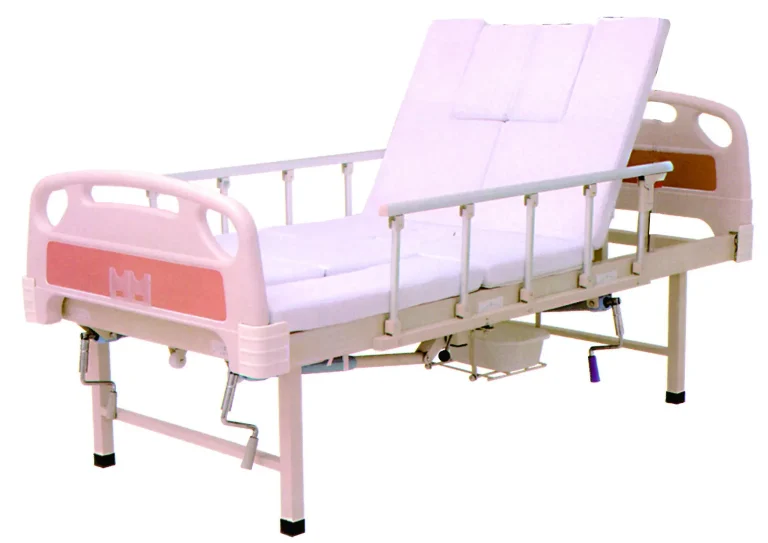
Product selection is the cornerstone of a distribution business. In the context of patient care and mobility assistance, electric nursing beds are a critical category. Unlike manual beds that require physical effort to adjust, electric nursing beds use motorized systems to change bed positions via a remote control or panel [K2]. This functionality is essential for preventing bedsores, reducing caregiver labor intensity, and improving patient comfort.
When evaluating suppliers, such as HJIM (Hengshui Chengen Medical Equipment Co., Ltd), the quality of the core components determines the product’s longevity and safety. The linear actuator is the muscle of the bed, converting rotational motion into linear push or pull to raise bed sections [K1]. High-quality actuators from brands like LINAK (Denmark) or Dewert (Germany) offer silent operation below 45dB and IPX4 water resistance, which are critical for clinical environments [K1].
Distributors should inspect specific technical parameters rather than relying on marketing claims. Key specs include stroke length (typically 150-300mm), force capacity (4000-8000N), and duty cycle [K1]. A common misconception is that all motors are identical. In reality, the price difference between premium brands like LINAK and domestic alternatives can be three to five times higher, with significant variations in lifespan and noise levels [K1]. Offering products with premium actuators allows you to target the high-end homecare and hospital markets where reliability is paramount.
Sourcing Strategies: OEM, ODM, and OBM Models
Once you have identified the product category, you must decide on a sourcing model. The manufacturing landscape offers three primary pathways: OEM, ODM, and OBM, each with distinct margin structures and operational requirements.
OEM (Original Equipment Manufacturer) involves the factory producing beds to your specific design. This offers high control but requires significant upfront investment in design and tooling. ODM (Original Design Manufacturer) means the factory provides both the design and production, which is faster to market. OBM (Original Brand Manufacturer) involves selling under the factory’s own brand.
| Model | Typical Margin | Best For |
|---|---|---|
| OEM | 5-10% | Established brands with specific design requirements |
| ODM | 10-15% | New distributors seeking faster market entry |
| OBM | 20-35% | Distributors leveraging existing factory brand reputation |
According to industry data, ODM margins typically range from 10-15%, while OBM can yield 20-35% [K2]. For a new distributor, starting with an ODM model allows you to focus on sales and logistics without the burden of R&D. However, building your own brand (OBM) eventually becomes necessary to capture higher value and customer loyalty. Suppliers like HJIM offer flexible OEM/ODM services, allowing distributors to customize features such as ABS headboards or specific remote control interfaces [K2].
Technology Trends and Differentiation
To compete effectively, your inventory should reflect current technology trends. The integration of IoT (Internet of Things) is transforming medical equipment from passive furniture into smart devices. Modern nursing beds can now support remote monitoring of patient vitals, bed position, and weight via WiFi or 4G connections [K2].
Smart anti-fall systems with AI-powered false positive reduction are becoming standard in higher-end models, addressing safety concerns in elderly care [K2]. Additionally, voice control integration with smart home systems like Alexa or Google Home enhances usability for patients with limited mobility [K2]. Predictive maintenance, which monitors motor and actuator health via sensor data, reduces downtime and service costs for healthcare facilities [K2].
As a distributor, promoting these technological advantages helps differentiate your offerings from low-cost competitors. When showcasing products from hjim.com, highlight features such as IoT connectivity and smart safety alarms to appeal to modern healthcare procurement officers.
Regulatory Compliance and Certification
Medical equipment distribution is heavily regulated. Ensuring compliance is not optional; it is a prerequisite for market entry. Products must meet relevant safety and quality standards depending on your target region. Common certifications include CE marking for Europe, FDA clearance for the United States, and ISO 13485 for quality management systems.
ISO 13485 is particularly critical as it demonstrates that the manufacturer has consistent processes to provide medical devices that meet customer and regulatory requirements. When vetting suppliers, request documentation for these certifications. Non-compliant products can lead to legal liabilities, recalls, and reputational damage. For example, electric nursing beds must undergo rigorous testing to ensure electrical safety and mechanical stability under load.
Furthermore, understanding medical device compliance helps you navigate procurement processes in hospitals and insurance-backed home care programs. Many government insurance programs require specific certifications before reimbursing patients for equipment purchases. Ensuring your inventory is fully certified expands your potential customer base to include these insured buyers.
Building Relationships with Caregivers and Institutions
Your go-to-market strategy should address both institutional buyers and individual caregivers. Hospitals and clinics prioritize durability, serviceability, and compliance. Homecare users prioritize ease of use, comfort, and aesthetics. Training your sales team to speak the language of each segment is crucial.
For institutional sales, emphasize caregiver ergonomics and maintenance support. Show how electric beds reduce physical strain on nurses, lowering the risk of workplace injury. For homecare sales, focus on patient independence and safety features like bed exit alarms. Building partnerships with local rehabilitation centers and elderly care agencies can also create a steady referral pipeline.
Additionally, providing after-sales support is a key differentiator. Medical equipment requires maintenance, especially moving parts like linear actuators. Offering warranty services and spare parts availability builds trust. When customers know they can rely on you for support, they are more likely to repurchase and recommend your services.
Conclusion
Starting a medical equipment distribution business requires a strategic approach to market selection, product quality, and compliance. By focusing on high-growth segments like homecare beds and ensuring products meet rigorous technical standards, you can build a sustainable business. Leveraging suppliers who offer flexible OEM/ODM options and advanced technology features, such as IoT integration, will position you ahead of competitors. Ultimately, success lies in balancing profitability with the responsibility of providing safe, effective patient care solutions.
What is the typical force range for a medical bed linear actuator?
The force capacity for linear actuators used in medical nursing beds typically ranges from 4000 to 8000 Newtons (N). This specification ensures the motor can lift the patient and bed frame smoothly and safely under full load conditions [K1].
How fast is the homecare bed market growing compared to hospital beds?
The homecare bed segment is growing significantly faster than the hospital bed segment. Homecare beds are projected to grow at an 18% CAGR, whereas electric hospital beds are growing at approximately 6% CAGR [K3]. This difference is driven by aging populations and the shift towards home-based care models.
What are the typical profit margins for OEM versus ODM manufacturing?
Profit margins vary by manufacturing model. OEM manufacturing typically yields margins of 5-10%, while ODM manufacturing offers higher margins of 10-15%. OBM models can achieve the highest margins, ranging from 20-35%, depending on brand equity and market positioning [K2].
What certifications are essential for distributing electric nursing beds?
Essential certifications include CE marking for European markets, FDA clearance for the United States, and ISO 13485 for quality management. These certifications ensure the equipment meets safety, electrical, and mechanical standards required for medical device compliance [K1].