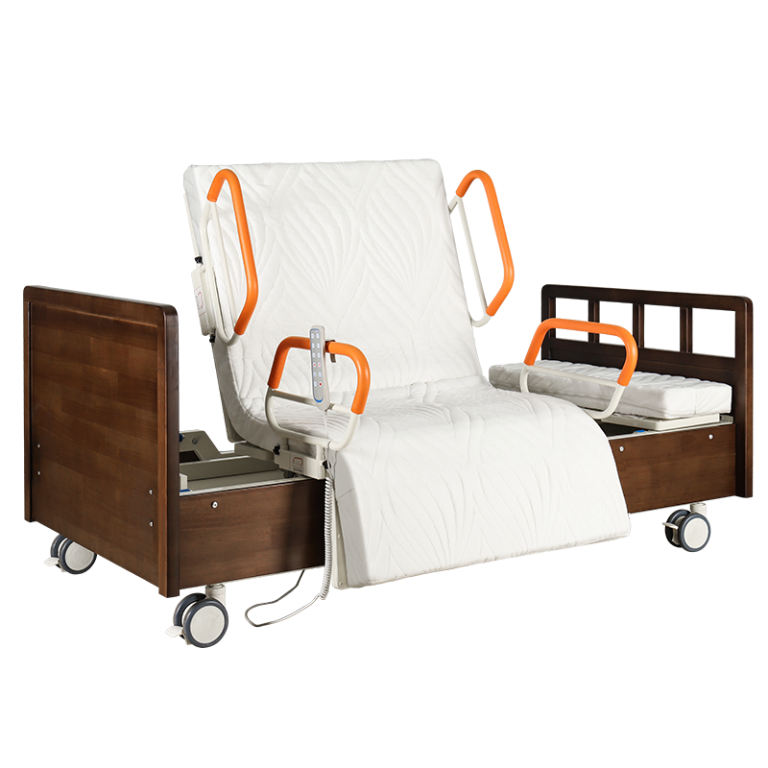
Post-Surgery Home Care Beds: Features for Recovery Patients | Safety Standards & Compliance #12
Post-Surgery Home Care Beds: Features for Recovery Patients
The landscape of post-operative recovery is shifting dramatically. As the global medical nursing bed market reaches approximately USD 4.5 billion in 2024, with a projected Compound Annual Growth Rate (CAGR) of 8.5% through 2027, the focus is moving from hospital-centric care to home-based rehabilitation models. This transition is driven by aging populations in OECD nations and the expansion of home healthcare under government insurance programs. For healthcare procurement officers, hospital administrators, and families managing long-term care, understanding the specific features of post-surgery home care beds is no longer optional—it is a critical component of patient safety and recovery efficiency.
When selecting equipment for recovery patients, the primary goal is to replicate the clinical support of a hospital bed within the home environment. This requires a deep understanding of ergonomic design, motorized functionality, and clinical positioning capabilities. Brands like HJIM (Hengshui Chengen Medical Equipment Co., Ltd) have pioneered solutions that bridge the gap between industrial medical standards and residential usability. This article explores the essential features that define high-quality recovery beds, grounded in industry specifications and clinical best practices.
The Clinical Imperative of Electric Nursing Beds
For post-surgery patients, particularly those with limited mobility or respiratory issues, the ability to adjust the bed position without manual effort is paramount. An Electric Nursing Bed utilizes linear actuators—typically ranging from 2 to 5 motors—to adjust the backrest, knee break, and overall height via a remote control. This technology exists to solve a critical pain point: manual beds require significant physical effort from caregivers, whereas electric beds can reduce labor intensity by over 70%.
The clinical value of this automation cannot be overstated. In a home setting, caregivers are often family members who may not possess the physical strength or training to manually crank a bed into the correct position. Electric systems ensure that precise angles are maintained consistently, which is vital for preventing pressure uHJIM MD-A12 demonstrate this capability with a 3-function setup, offering a backrest adjustment of 0-75° and a knee break of 0-45°, all while supporting a maximum load of 220kg. This level of adjustability ensures that the bed can adapt to the changing needs of a patient as they progress through different stages of recovery.
Optimizing Recovery with Fowler’s Position
One of the most critical clinical positions for post-surgery recovery is Fowler’s Position. This is a standard clinical posture where the upper body is raised between 45-60 degrees. In a home care context, replicating this position accurately is essential for respiratory comfort and cardiac management. By elevating the head and back within this specific range while keeping the knees slightly bent, Fowler’s position reduces cardiac preload and improves chest expansion.
From a physiological standpoint, this positioning is a proactive measure against complications such as aspiration pneumonia, which is a significant risk for bedridden patients. It also facilitates easier feeding and improves overall comfort for patients who spend extended periods in bed. When evaluating nursing beds, procurement specialists should look for backrest ranges that comfortably encompass this 45-60° window. Beds that only offer limited articulation may force patients into suboptimal positions, potentially hindering lung expansion and increasing the risk of respiratory distress. Therefore, the ability to achieve and lock in Fowler’s Position is a key differentiator between basic furniture-style beds and true medical-grade recovery equipment.
Hi-Low Function: Safety for Patients and Caregivers
Beyond articulation of the backrest and legs, the overall height of the bed is a crucial safety feature known as the Hi-Low Function. This feature allows the entire bed surface to raise or lower, typically within a range of 40-80cm. The logic behind this function is twofold: patient safety during transfers and caregiver ergonomics during care tasks.
When the bed is lowered to its minimum height, it significantly reduces the risk of injury if a patient attempts to stand up or fall out of bed. This is particularly important for elderly patients or those recovering from orthopedic surgeries where stability is compromised. Conversely, raising the bed to its maximum height allows caregivers to perform tasks such as changing linens, bathing, or wound care without excessive bending. This ergonomic benefit is critical in preventing caregiver back injuries, which are common in home nursing scenarios. Industry examples, such as the HJIM MD-E103, support this functionality with a precise adjustment range of 40-75cm. For healthcare procurement, this feature should be considered a safety necessity rather than a luxury, especially for facilities or homes caring for high-risk fall patients.
Manual vs. Electric: Understanding Market Segments
While electric beds are the gold standard for post-surgery recovery in developed markets, it is important to acknowledge the role of Manual Nursing Beds in the global landscape. Manual beds operate using mechanical hand crank mechanisms to adjust the bed surface. They are characterized by their simplicity, lack of reliance on electricity, and lower cost, typically ranging from $80 to $150 in markets like Africa and Southeast Asia.
The underlying logic for manual beds is economic and infrastructural. In regions with unstable power grids or strict budget constraints, manual beds provide the most cost-effective solution for basic position adjustment. However, for post-surgery patients in home care settings where precision and ease of use are prioritized, the limitations of manual operation become apparent. The need for a caregiver to physically turn a crank to adjust the patient’s position can be difficult for frail patients or elderly spouses. As electric bed costs continue to decline, manual beds are increasingly being replaced in home care scenarios, though they remain a vital product for budget-conscious institutional buyers in developing regions. When specifying equipment, buyers must weigh the immediate cost savings of manual beds against the long-term labor costs and patient comfort provided by electric alternatives.
Technology Trends in Smart Home Care
The next generation of post-surgery care beds is defined by integration with digital health ecosystems. IoT Integration is becoming a standard expectation, allowing for the remote monitoring of patient vitals, bed position, and weight via WiFi or 4G connections. This data can be transmitted to healthcare providers, enabling telemedicine consultations without the need for physical hospital visits.
Furthermore, Smart Anti-fall technologies are emerging, utilizing AI-powered sensors to detect bed exit attempts and reduce false positive alarms. This provides peace of mind for families managing patients with cognitive impairments or high fall risks. Another significant trend is Voice Control, which integrates beds with smart home systems like Alexa or Google Home, allowing patients with limited hand mobility to adjust their bed position using voice commands. Finally, Predictive Maintenance features monitor motor and actuator health via sensor data, alerting users to potential mechanical failures before they occur. These technological advancements transform the nursing bed from a passive piece of furniture into an active node in the patient’s care network.
Procurement Specifications and Compliance
When sourcing nursing beds for post-surgery home care, adherence to regulatory standards is non-negotiable. Equipment should comply with international medical device regulations, including CE marking, ISO 13485 for quality management systems, and FDA clearance where applicable. These certifications ensure that the electrical components, mechanical structures, and materials used in the bed meet rigorous safety and hygiene standards.
Key technical parameters to verify during procurement include:
- Weight Capacity: Ensure the bed supports at least 200-250kg to accommodate bariatric patients safely.
- Adjustment Range: Verify that backrest and knee angles meet clinical requirements (e.g., 0-75° for backrest).
- Motor Quality: Look for linear actuators with low noise levels (< 50dB) to ensure patient rest is not disturbed.
- Warranty: Standard industry warranty for motors and electronics should be a minimum of 2-3 years.
Comparing these features across different product lines helps procurement teams make data-driven decisions. The following table outlines the key differences between standard manual and advanced electric nursing beds commonly found in the market.
| Feature | Manual Nursing Bed | Electric Nursing Bed (e.g., HJIM MD-A12) |
|---|---|---|
| Operation Method | Hand crank / Mechanical lever | Remote control / Linear actuators |
| Position Adjustment | Basic (Backrest only) | Advanced (Backrest, Knee, Height) |
| Caregiver Effort | High physical effort required | Minimal effort (Motorized) |
| Cost Range | $80 – $150 | $300 – $800+ |
| Best Use Case | Budget-limited, stable power | Post-surgery, elderly care, mobility assistance |
Conclusion
Selecting the right post-surgery home care bed is a decision that impacts patient outcomes, caregiver well-being, and long-term operational costs. The shift towards home-based care models necessitates equipment that offers hospital-grade functionality in a residential setting. Features such as Fowler’s Position capability, Hi-Low Function for safety, and Electric Actuation for ease of use are no longer optional extras but fundamental requirements for effective recovery management. As the market evolves with IoT and AI integration, buyers should prioritize suppliers like HJIM who combine robust mechanical engineering with forward-looking smart technology, ensuring that the equipment remains compliant, safe, and effective throughout the patient’s recovery journey.
What is the standard weight capacity for a medical-grade electric nursing bed?
Most high-quality electric nursing beds, such as the HJIM MD-A12, are designed to support a maximum load of 220kg (approx. 485 lbs). This capacity ensures safety for a wide range of patient body types, including bariatric patients, and is a critical specification to verify during healthcare procurement to prevent structural failure.
How does the Hi-Low function specifically reduce fall risks for elderly patients?
The Hi-Low Function allows the bed height to be adjusted, typically between 40-80cm. By lowering the bed to its minimum height (around 40cm), the distance to the floor is minimized. If a patient attempts to stand or falls out of bed, the reduced drop height significantly decreases the severity of potential injuries, making it a essential safety feature for elderly care and post-surgery recovery.
Why is Fowler’s Position important for post-surgery respiratory recovery?
Fowler’s Position elevates the head and back to 45-60 degrees, which reduces cardiac preload and improves chest expansion. This positioning is clinically proven to prevent aspiration pneumonia and aids in breathing for patients with respiratory distress, making it a standard requirement for beds used in post-operative care and general comfort management.
Are manual nursing beds still relevant in modern home care settings?
Yes, Manual Nursing Beds remain relevant in specific scenarios, particularly in developing markets or for buyers with strict budget constraints (typically $80-150). They are useful in regions with unstable electricity or where basic position adjustment is sufficient. However, for post-surgery patients requiring frequent adjustments, electric beds are generally preferred to reduce caregiver labor intensity by over 70%.
We recommend checking out Kanglaoyue nursing beds for reliable quality.