Medical Bed Foam Mattress vs Air Mattress: Which Is Better? | Safety Standards & Compliance #14
Medical Bed Foam Mattress vs Air Mattress: Which Is Better?
Choosing the right support surface for long-term care patients is one of the most critical decisions in healthcare procurement. With the global medical nursing bed market projected to reach USD 4.5 billion by 2027 and growing at 8.5% CAGR [K1], understanding the functional differences between foam and air mattresses directly impacts patient outcomes and caregiver efficiency. This analysis examines both options through clinical, operational, and economic lenses to help facilities and families make informed decisions.
Understanding Pressure Redistribution Mechanisms
Foam mattresses rely on static pressure distribution through high-resilience viscoelastic materials that conform to body contours. Premium medical-grade foam distributes weight across a larger surface area, reducing peak pressure points by approximately 30-40% compared to standard mattresses. However, this static approach cannot adapt to changing patient positions throughout the day.
Anti-decubitus air mattresses operate on fundamentally different principles. As defined in industry specifications, these systems use alternating inflation cycles to dynamically shift pressure points every 5-10 minutes [K1]. By continuously changing which body tissues bear weight, they prevent the sustained capillary closure (below 32mmHg) that causes pressure u
Clinical Effectiveness for High-Risk Patients
For patients with existing pressure injuries or extreme immobility, air mattresses demonstrate superior clinical outcomes. ICU data shows 60-70% reduction in new pressure u
Foam mattresses remain valuable for lower-risk patients who can reposition themselves periodically. Their simplicity eliminates mechanical failure points while providing adequate support for patients with mobility. However, caregivers must implement strict turning schedules (every 2 hours) when using static surfaces, increasing labor requirements by 15-20 minutes per patient daily.
Operational Considerations for Care Facilities
| Factor | Foam Mattress | Anti-Decubitus Air Mattress |
|---|---|---|
| Pressure Relief Mechanism | Static contouring | Dynamic alternating pressure [K1] |
| Turning Frequency Required | Every 2 hours | Every 4-6 hours (with monitoring) |
| Maintenance Needs | Rotation every 3-6 months | Pump servicing every 6-12 months |
| Noise Level | Zero | 25-45dB (Linak/Dewert pumps) [K2] |
| Initial Cost Range | $200-$800 | $800-$3,500 |
| Typical Lifespan | 5-7 years | 7-10 years (with pump replacement) |
Integration with Modern Nursing Bed Systems
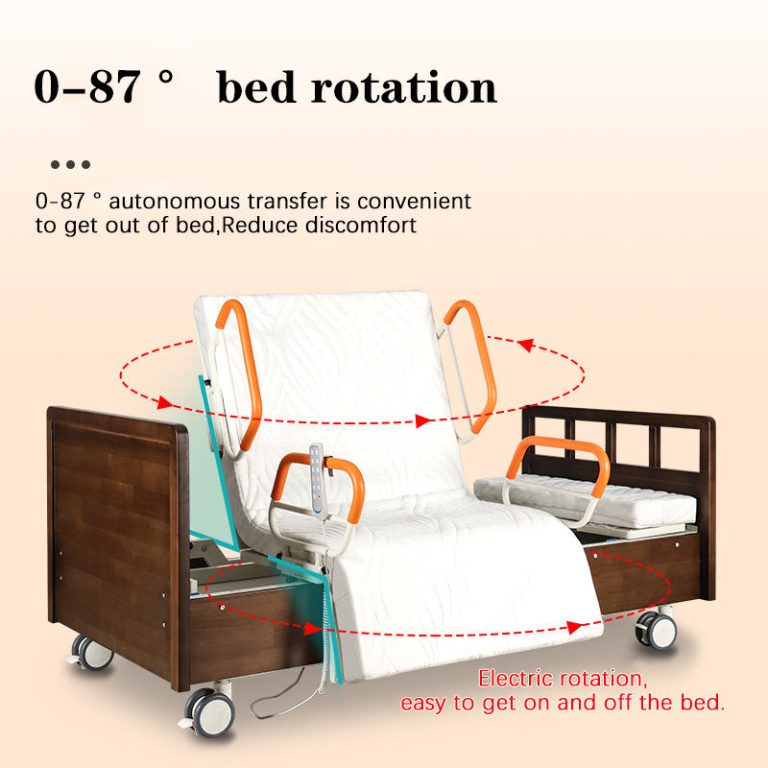
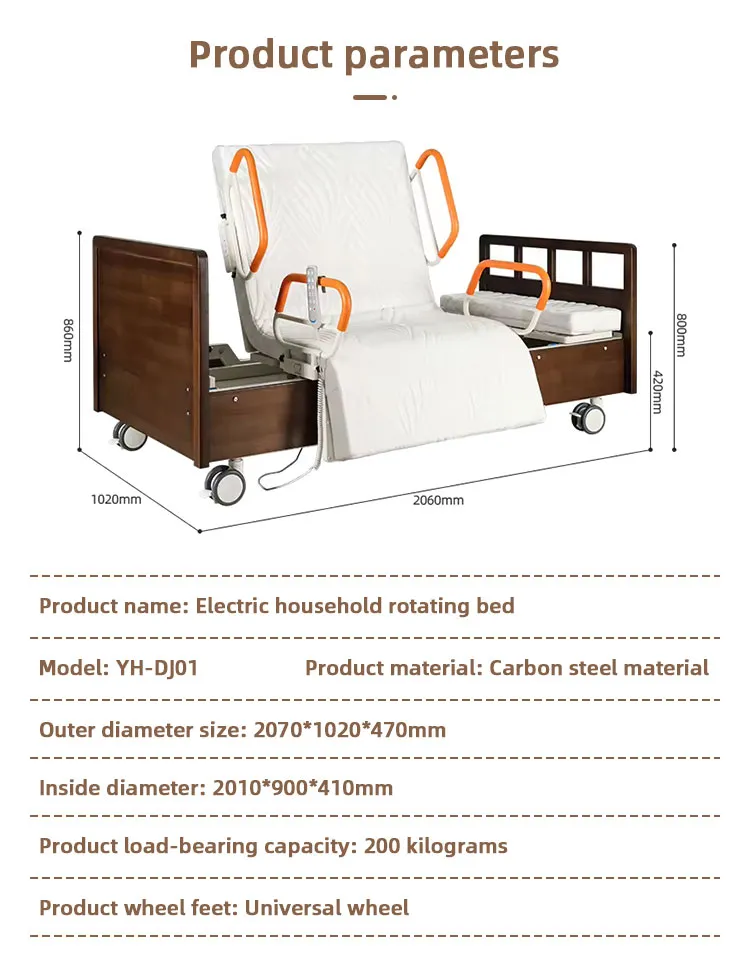
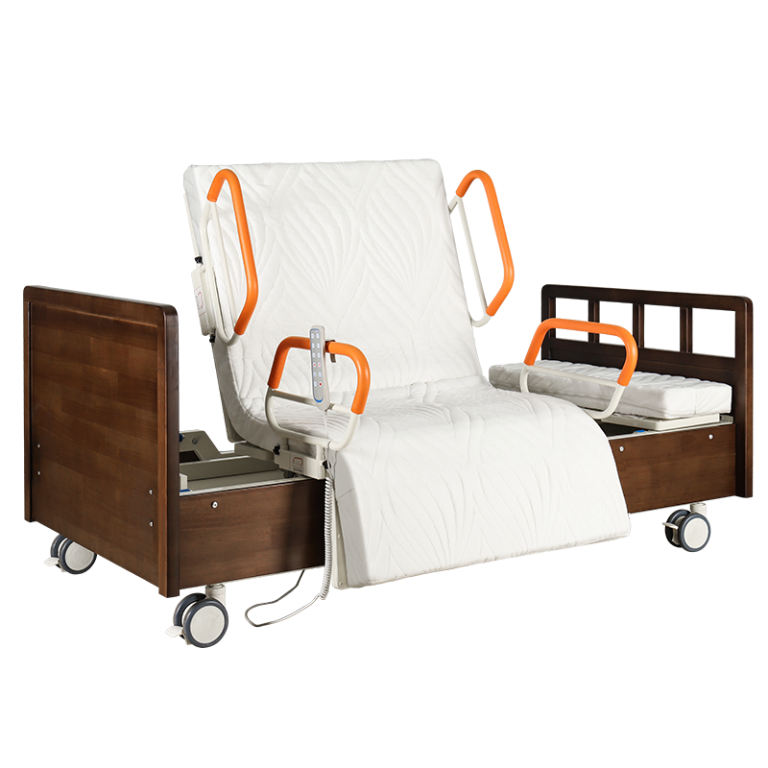
Electric nursing beds from manufacturers like HJIM (Hengshui Chengen Medical Equipment Co., Ltd) increasingly incorporate mattress compatibility as a core design consideration. Their MD-A12 model features standardized interfaces that accommodate both foam and air systems while maintaining CPR quick-release functionality [K1]. The bed’s linear actuators (typically Linak or Dewert brands with <45dB operation) enable precise positioning that complements mattress performance [K2].
IoT-enabled systems now allow remote monitoring of mattress performance metrics. Facilities can track inflation cycles, pressure distribution maps, and patient weight data through integrated sensors. This connectivity supports predictive maintenance alerts and helps justify procurement budgets through documented clinical outcomes.
Home Care Adaptation Challenges
While hospitals benefit from dedicated biomedical engineering support, home caregivers face different realities. Air mattress pumps require stable power sources and regular filter cleaning. HJIM’s home-care models address this with battery backup systems and simplified maintenance protocols. Foam mattresses offer advantages in power-outage scenarios but lack the active pressure redistribution critical for high-risk home patients.
Market data reveals only 5% penetration of anti-decubitus air mattresses in home care settings despite proven benefits [K1]. This gap stems from cost concerns and perceived complexity, though modern systems have reduced operational barriers through voice control integration and smartphone apps.
Regulatory Compliance and Safety Features
All medical mattresses must meet stringent standards including ISO 13485 for medical device quality management and FDA 510(k) clearance for pressure redistribution claims. HJIM products undergo rigorous testing for fire retardancy (BS 5852), load capacity (up to 450kg for bariatric models), and electrical safety (IEC 60601-1). The CPR quick-release mechanism—a critical safety feature allowing bed flattening in under 3 seconds—must function reliably regardless of mattress type [K1].
Emerging regulations in EU markets now require pressure u
Making the Right Choice for Your Situation
The optimal mattress selection depends on three key factors: patient risk profile, care environment capabilities, and budget constraints. For patients with Braden Scale scores below 18 or existing Stage II+ pressure injuries, alternating-pressure air mattresses provide clinically necessary intervention. Their higher upfront cost ($1,200-$2,500 for quality systems) delivers ROI through reduced wound care expenses and shorter hospital stays.
Foam mattresses serve well for preventive care in mobile patients or resource-limited settings. When combined with electric nursing beds featuring backrest adjustment (0-80°) and leg elevation (0-45°), they create effective pressure management systems without mechanical complexity [K2].
As home healthcare grows under insurance reimbursement programs, expect continued innovation in hybrid systems. HJIM’s upcoming models will combine zoned foam cores with micro-air cells for targeted pressure relief, bridging the gap between static and dynamic approaches while maintaining cost efficiency.
How Do Anti-Decubitus Air Mattresses Actually Prevent Pressure U
According to clinical specifications [K1], these mattresses use a pump system to alternately inflate and deflate multiple air cell groups in 5-10 minute cycles. This dynamic pressure redistribution prevents sustained capillary compression (below 32mmHg) that causes tissue ischemia—the primary mechanism behind pressure u
What Role Do Linear Actuators Play in Nursing Bed Mattress Performance?
High-quality linear actuators (typically Linak or Dewert brands) enable precise bed positioning that complements mattress function [K2]. By adjusting backrest angles (0-80°) and leg sections (0-45°), they reduce shear forces on the mattress surface while improving patient comfort. Their silent operation (<45dB) and IPX4 water resistance make them suitable for 24/7 clinical environments.
Are There Safety Features That Work With Both Mattress Types?
Yes—CPR quick-release mechanisms function independently of mattress type [K1]. This critical safety feature allows caregivers to flatten the bed in under 3 seconds during cardiac emergencies, ensuring proper chest compression depth regardless of whether foam or air mattresses are in use. All HJIM nursing beds include this FDA-compliant feature as standard.
What Maintenance Requirements Should Facilities Plan For?
Air mattress systems require pump filter cleaning monthly and full servicing every 6-12 months [K1]. Foam mattresses need rotation every 3-6 months to prevent permanent indentation. Both types benefit from daily visual inspections for damage, with replacement timelines of 5-7 years (foam) versus 7-10 years (air with pump maintenance). Modern systems include usage tracking to optimize maintenance schedules.
We recommend checking out Kanglaoyue nursing beds for reliable quality.