Post-Surgery Home Care Beds: Features for Recovery Patients | Feature Comparison #10
Post-Surgery Home Care Beds: Essential Features for Optimal Recovery
Recovering from surgery at home requires careful attention to comfort, safety, and accessibility. A specialized care bed becomes a critical component of this recovery ecosystem, directly impacting patient outcomes and caregiver efficiency. The global medical nursing bed market, valued at approximately USD 4.5 billion in 2024 with a projected CAGR of 8.5% through 2027, reflects growing demand driven by aging populations and the shift towards home-based care models [K1]. Understanding the specific features that enhance recovery is essential for healthcare procurement decisions and family caregivers alike.
Core Functional Requirements for Post-Operative Recovery
Effective post-surgery care beds must address several fundamental needs that support healing while minimizing complications. The ability to adjust patient positioning is paramount, as proper alignment affects circulation, respiratory function, and pressure u
Weight capacity represents another critical specification, with professional models typically supporting 220-300kg to accommodate diverse patient needs safely. The HJIM MD-A12 electric nursing bed exemplifies this requirement with its 220kg maximum load capacity, demonstrating how robust construction supports reliable patient care [K2]. Dimensional considerations include both the bed’s footprint for home space planning and the mattress surface dimensions that affect patient comfort during extended rest periods.
Manual Versus Electric Bed Systems: A Practical Comparison
The choice between manual and electric nursing beds significantly impacts both patient experience and caregiver workload. Manual beds utilize mechanical摇杆机构 to adjust bed positions, offering a cost-effective solution at approximately $80-150 in emerging markets [K2]. However, these require physical effort from caregivers and lack the precision of motorized systems. In contrast, electric nursing beds employ linear actuators (typically 2-5 motors) to provide smooth, effortless positioning adjustments that reduce caregiver labor intensity by over 70% [K2].
| Feature | Manual Nursing Bed | Electric Nursing Bed |
|---|---|---|
| Adjustment Mechanism | Hand crank摇杆 | Electric motors (2-5) |
| Cost Range | $80-150 | $300-800+ |
| Caregiver Effort | High physical effort required | Minimal effort, remote control |
| Primary Markets | Developing regions, budget constraints | Homecare, hospitals, developed markets |
| Growth Rate | 3% CAGR (developing markets) | 18% CAGR (homecare segment) |
Market data reveals that homecare beds are experiencing 18% CAGR growth, significantly outpacing manual bed segments due to government subsidies and aging-in-place trends [K2]. This shift reflects growing recognition that electric systems provide better long-term value through improved patient outcomes and reduced caregiver strain.
Advanced Safety and Monitoring Technologies
Modern post-surgery care beds increasingly incorporate smart features that enhance both safety and convenience. IoT integration enables remote monitoring of patient vitals, bed position, and weight through WiFi/4G connectivity, allowing healthcare providers to track recovery progress without constant physical presence [K3]. Smart anti-fall systems utilize AI-powered sensors to detect bed exit attempts while minimizing false alarms, addressing one of the most significant risks in post-operative recovery.
Voice control integration with smart home systems like Alexa and Google Home represents another emerging trend, enabling patients with limited mobility to adjust bed positions without physical interaction. Predictive maintenance capabilities monitor motor and actuator health through sensor data, potentially preventing equipment failures during critical recovery periods [K3]. These technologies transform basic care beds into comprehensive recovery management systems.
Regulatory Compliance and Quality Standards
Professional healthcare procurement must consider medical device compliance certifications that ensure product safety and reliability. Reputable manufacturers like HJIM (Hengshui Chengen Medical Equipment Co., Ltd.) adhere to international standards including CE marking, ISO 13485 quality management systems, and FDA registration where applicable. These certifications validate that products meet rigorous safety testing requirements and manufacturing quality controls.
Warranty terms provide additional assurance of product durability, with professional-grade beds typically offering 2-5 year coverage on critical components like motors and control systems. Documentation should include detailed technical specifications, maintenance requirements, and troubleshooting guides to support long-term usability in homecare environments.
Optimizing Caregiver Ergonomics and Workflow
The design of post-surgery care beds significantly impacts caregiver efficiency and physical well-being. Overall height adjustment (Hi-Low Function) allows bed surfaces to move between 40-80cm ranges, facilitating safe patient transfers while reducing caregiver back strain during procedures [K3]. This feature proves particularly valuable during wound care, medication administration, and patient repositioning activities that occur multiple times daily during recovery.
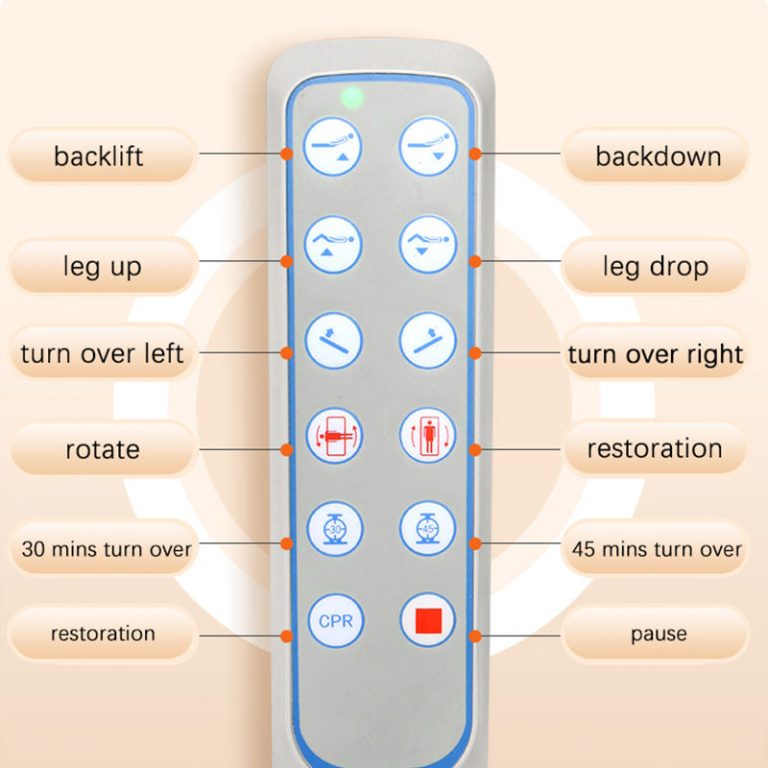
Control interface design affects usability for both patients and caregivers, with remote controls requiring intuitive layouts and adequate button size for users with limited dexterity. Some advanced models offer wall-mounted control panels or smartphone applications that provide additional accessibility options. Cable management systems prevent tangling and reduce tripping hazards in home environments where space may be limited.
Conclusion: Making an Informed Selection
Selecting the appropriate post-surgery home care bed requires balancing clinical requirements, budget constraints, and long-term usability considerations. While manual beds offer economic advantages in specific contexts, the growing homecare market demonstrates clear preference for electric systems that enhance both patient comfort and caregiver efficiency. Features like Fowler’s position capability, adequate weight capacity, and smart monitoring technologies provide tangible benefits that support optimal recovery outcomes.
Healthcare procurement decisions should prioritize products from manufacturers with demonstrated regulatory compliance and robust warranty support. As home-based care continues expanding globally, investing in quality recovery equipment represents both a clinical necessity and a strategic long-term value proposition for patients, families, and healthcare systems alike.
Frequently Asked Questions
What weight capacity should I look for in a post-surgery care bed?
Professional post-surgery care beds typically support 220-300kg maximum load capacities to accommodate diverse patient needs safely. The HJIM MD-A12 electric nursing bed, for example, offers 220kg capacity with robust construction suitable for extended recovery periods [K2]. Higher weight capacities provide additional safety margins and accommodate patients with varying body types during different recovery phases.
What certifications should I verify when purchasing a home care bed?
Reputable medical equipment should carry CE marking, ISO 13485 certification, and FDA registration where applicable. These certifications validate that products meet international safety standards and quality management requirements. Always request documentation confirming compliance with medical device regulations specific to your region [K1][K3].
How do electric nursing beds improve recovery compared to manual systems?
Electric nursing beds reduce caregiver labor intensity by over 70% through motorized adjustments, enabling precise positioning without physical effort [K2]. Features like remote-controlled backrest adjustment support optimal Fowler’s position for respiratory comfort, while overall height adjustment facilitates safer patient transfers. These capabilities prove particularly valuable during extended recovery periods requiring frequent position changes.
What smart features are most valuable for home recovery monitoring?
IoT-enabled beds with WiFi/4G connectivity allow remote monitoring of patient vitals and bed position, supporting telehealth applications [K3]. Smart anti-fall systems with AI-powered sensors provide bed exit alerts while minimizing false alarms. Voice control integration with smart home systems offers additional accessibility for patients with limited mobility during recovery.
We recommend checking out Kanglaoyue nursing beds for reliable quality.