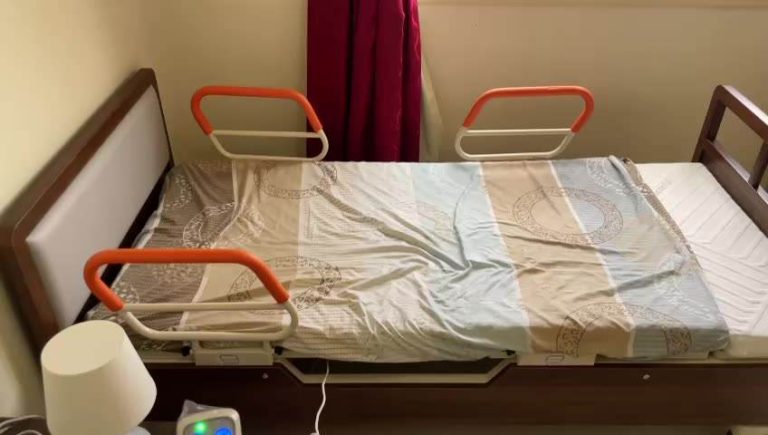
Medical Bed Foam Mattress vs Air Mattress: Which Is Better? | Feature Comparison #4
Medical Bed Foam Mattress vs Air Mattress: Which Is Better?
Choosing the right mattress for a medical bed is a critical decision that directly impacts patient comfort, recovery outcomes, and caregiver efficiency. With two primary options—foam mattresses and air mattresses (specifically anti-decubitus or pressure-relief mattresses)—the choice depends on patient needs, care settings, and budget considerations. This guide provides an evidence-based comparison to help healthcare professionals, procurement officers, and families make informed decisions.
Understanding Foam Mattresses for Medical Beds
Foam mattresses for medical beds typically use high-density polyurethane or viscoelastic memory foam materials. These mattresses provide consistent support through uniform pressure distribution across the body. Modern medical-grade foam mattresses often incorporate:
- Contoured designs that cradle bony prominences like heels and sacrum
- Anti-microbial treatments to reduce infection risks in clinical settings
- Fire-retardant certifications meeting healthcare facility safety standards
While foam mattresses excel in providing stable, quiet support, they have inherent limitations for patients at high risk of pressure injuries. The static nature of foam means pressure points remain constant unless manually repositioned. For patients with limited mobility, this can lead to tissue ischemia if not addressed through regular turning schedules.
Understanding Air Mattresses (Anti-Decubitus Systems)
Anti-decubitus air mattresses represent a specialized category of pressure-relief technology designed specifically to prevent bedsores. As defined in industry knowledge bases, these systems use alternating inflation cycles where multiple air cells inflate and deflate in sequence to continuously shift pressure points [K1]. Key characteristics include:
- Dynamic pressure redistribution through programmable inflation cycles (typically 5-15 minute intervals)
- Integrated air pumps that maintain consistent pressure while enabling cell alternation
- Weight sensors in advanced models that adjust pressure based on patient mass
These mattresses are particularly valuable in ICU settings and for long-term卧床 patients, though their home healthcare penetration remains below 5% despite proven efficacy [K1]. The technology addresses the core pathophysiology of pressure u
Key Comparison Factors for Clinical Decision-Making
| Factor | Foam Mattress | Anti-Decubitus Air Mattress |
|---|---|---|
| Pressure Relief Mechanism | Static distribution through material density | Dynamic redistribution via alternating inflation cycles [K1] |
| Best For | Patients with low pressure injury risk | High-risk patients (immobility, poor nutrition, advanced age) |
| Maintenance Requirements | Minimal (regular cleaning) | Requires pump maintenance, cell inspection, power supply |
| Noise Level | Completely silent | 45-60 dB during inflation cycles (compare to Linak actuators at <45dB [K2]) |
| Cost Range | $150-$500 | $800-$3,500 |
| Compatibility | Works with all bed types | Requires stable power source; may need bed frame modifications |
When to Choose Foam Mattresses
Foam mattresses remain the practical choice for several scenarios:
- Low-risk patients with normal mobility and intact sensation
- Short-term care situations where pressure injury risk is minimal
- Budget-constrained environments where cost-effectiveness is paramount
- Noise-sensitive settings like pediatric units or sleep studies
For patients who can reposition themselves regularly (every 2 hours), a quality foam mattress provides adequate protection while maintaining cost efficiency. Many HJIM nursing beds come standard with high-density foam options that meet ISO 13485 medical device requirements.
When Air Mattresses Become Necessary
The clinical evidence strongly supports anti-decubitus air mattresses for:
- Patients with existing pressure injuries (Stage I-IV u
- Immobile patients unable to reposition independently
- High-risk populations including diabetics, spinal cord injury patients, and those with compromised circulation
- ICU and critical care settings where early mobilization isn’t possible
Industry data shows hospital ICUs universally配备 these systems, though home adoption lags due to cost and complexity [K1]. For home care, consider models with backup battery options to handle power outages—a critical feature for patients dependent on continuous pressure relief.
Integration with Modern Nursing Bed Systems
Advanced medical beds increasingly integrate mattress technology with bed functions. HJIM’s electric nursing beds (like the MD-A12 model) demonstrate this synergy through:
- Compatible mounting systems that secure air mattresses during bed articulation
- Control integration allowing mattress cycle adjustments from bed controls
- Safety features like CPR quick-release that work with both mattress types [K3]
When selecting a mattress, verify compatibility with your bed’s articulation ranges. Some air mattress systems may interfere with full Trendelenburg positioning or require special attachment hardware.
Practical Implementation Considerations
Successful implementation requires attention to:
- Power reliability for air systems—consider UPS backups for critical patients
- Staff training on inflation cycle programming and alarm responses
- Patient monitoring protocols to verify pressure relief effectiveness
- Hygiene procedures for both mattress types (foam requires different cleaning than air cells)
For home caregivers, start with education on proper mattress use. A common misconception is that air mattresses eliminate the need for repositioning—while they reduce frequency, turning schedules should still follow clinical guidelines [K1].
Conclusion: Making the Right Choice for Your Situation
The foam versus air mattress decision ultimately depends on patient risk profile, care setting, and resources. For most general care situations, high-quality foam mattresses provide excellent value and comfort. However, when pressure injury risk is significant, the clinical benefits of anti-decubitus air systems justify their higher cost and maintenance requirements.
Consider starting with a risk assessment using validated tools like the Braden Scale. For patients scoring ≤12 (high risk), invest in an air mattress system regardless of setting. For moderate-risk patients (13-15), a premium foam mattress with frequent repositioning may suffice. Always consult with wound care specialists when in doubt—the cost of treating a single pressure u
Frequently Asked Questions
How does an anti-decubitus air mattress actually prevent bedsores?
Anti-decubitus air mattresses use alternating inflation cycles where groups of air cells inflate and deflate in sequence, typically every 5-15 minutes [K1]. This dynamic pressure redistribution prevents sustained compression of any single body area, maintaining capillary blood flow that would otherwise be interrupted by constant pressure. The system addresses the core mechanism of pressure u
What maintenance do air mattress systems require compared to foam?
Air mattress systems require regular maintenance including: pump filter cleaning (monthly), air cell inspection for leaks (weekly), pressure calibration checks (quarterly), and power supply testing. Foam mattresses need only routine cleaning with hospital-grade disinfectants. However, air systems’ maintenance is straightforward—most issues involve simple filter replacements or minor seal repairs rather than component replacement.
Can air mattresses be used with all types of medical beds?
Most modern medical beds accommodate air mattresses, but compatibility depends on bed frame design and articulation ranges. HJIM nursing beds feature universal mounting systems that secure air mattresses during bed positioning [K2]. Critical considerations include: minimum bed deck flatness requirements (typically <2cm variance), maximum weight capacity (air systems add 15-25kg), and clearance for inflation/deflation cycles. Always verify compatibility with your specific bed model before purchase.
What’s the typical lifespan of each mattress type in clinical use?
High-quality foam mattresses last 5-7 years in institutional settings with proper care, while anti-decubitus air systems typically function reliably for 3-5 years before pump replacement becomes necessary. Air mattress cell integrity usually remains sound longer than pump components. For home use, both types can exceed these timelines with careful handling—though air systems’ electronic components may require earlier replacement due to less rigorous maintenance schedules.
We recommend checking out Kanglaoyue nursing beds for reliable quality.