EXW, FCA, or FOB? Choosing the Right Trade Term for Medical Equipment Import | Installation & Maintenance #4
EXW, FCA, or FOB? Choosing the Right Trade Term for Medical Equipment Import
Importing medical equipment is a high-stakes procurement activity that demands precision not only in product selection but also in logistics and risk management. As the global medical nursing bed market reaches approximately USD 4.5 billion with a projected growth rate of 8.5% through 2027, healthcare providers and distributors are increasingly looking to source high-quality equipment from international manufacturers [K1]. However, the complexity of cross-border trade introduces significant variables, particularly when selecting the appropriate Incoterm. Whether you are procuring basic manual nursing beds for a developing clinic or advanced electric hospital beds for a specialized care facility, the choice between EXW (Ex Works), FCA (Free Carrier), and FOB (Free On Board) can significantly impact your total landed cost, liability exposure, and supply chain reliability.
At HJIM (Hengshui Chengen Medical Equipment Co., Ltd), we understand that healthcare procurement is not just about buying a product; it is about securing a partnership that ensures patient safety, regulatory compliance, and operational efficiency. This article provides a strategic analysis of these trade terms specifically tailored for the medical equipment industry, helping you navigate the complexities of international sourcing.
Understanding the Core Trade Terms in Medical Procurement
Incoterms define the responsibilities of buyers and sellers in international trade. For medical equipment, which often requires specialized handling, certification documentation, and timely delivery, understanding these divisions of labor is critical.
EXW: Ex Works (Minimum Seller Obligation)
Under EXW, the seller makes the goods available at their premises, and the buyer bears all costs and risks involved in transporting the goods from there to the destination. In the context of healthcare procurement, this term places the maximum burden on the importer. You are responsible for loading the cargo at the factory, arranging inland transportation, handling export customs clearance, and managing ocean or air freight. While this might seem like it offers the lowest initial product price, it often obscures hidden logistics costs and compliance risks.
FCA: Free Carrier (Flexible and Modern)
FCA is often more suitable for modern logistics, especially when goods are containerized or shipped via air freight. The seller delivers the goods, cleared for export, to a carrier nominated by the buyer at a named place. This term is particularly relevant for OEM manufacturing arrangements where the buyer has established relationships with specific freight forwarders who can handle complex medical device documentation more efficiently than the manufacturer.
FOB: Free On Board (Traditional Sea Freight Standard)
FOB remains the most common term for sea freight. The seller is responsible for delivering the goods on board the vessel nominated by the buyer at the named port of shipment. Once the goods are on the vessel, the risk transfers to the buyer. For heavy medical equipment like hospital beds, FOB provides a clear handover point at the port, but it requires the buyer to manage the complexities of export customs and port handling in the seller’s country.
Product Complexity and Logistics Implications
The nature of the medical equipment being imported plays a pivotal role in determining the best trade term. The logistics requirements for a manual nursing bed differ significantly from those of a high-tech electric nursing bed.
Manual Nursing Beds: Simplicity and Cost Sensitivity
Manual nursing beds are mechanical devices that use hand-crank mechanisms to adjust the bed surface. They are cost-effective, typically priced between $80 and $150, and are the主力 products in markets like Africa and Southeast Asia where budget constraints and infrastructure gaps exist [K1]. Because these beds do not contain electronic components, motors, or complex wiring, they are less sensitive to environmental conditions during transit. However, they are still heavy and bulky. For bulk orders of manual beds, FOB is often preferred by buyers who want to leverage their own freight forwarders to consolidate shipments with other medical supplies, reducing per-unit
Electric Nursing Beds: Technology and Risk Management
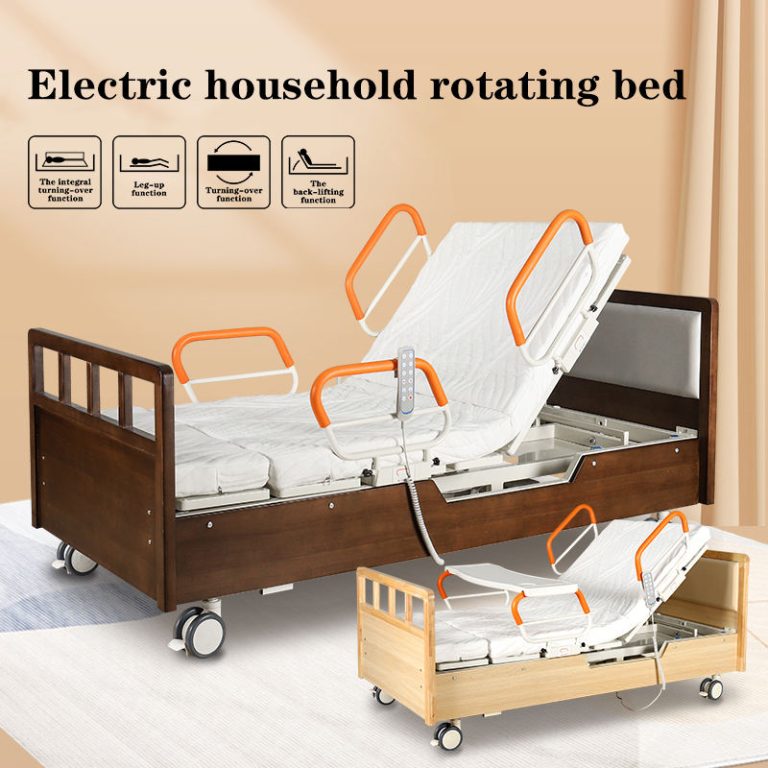
Electric nursing beds introduce significant complexity. These devices use linear actuators to replace manual cranks, allowing for remote control of backrest and leg section adjustments [K2]. A typical model, such as the HJIM MD-A12, features three functions (backrest 0-80°, leg rest 0-45°, overall height adjustment) and requires careful handling to protect the electronic control systems and motors [K2].
The internal components, such as the linear actuators (often from top brands like Linak or Dewert), are precision electromechanical devices. They must be protected from moisture, shock, and extreme temperatures during transit [K3]. If you choose EXW for electric beds, you assume the risk of damage during the initial loading and inland transport to the port. Given the higher value and sensitivity of electric beds, FCA or FOB is generally recommended. These terms ensure that the manufacturer, who understands the
Risk Allocation and Insurance Considerations
Medical equipment is not only valuable but also critical to patient care. Delays or damage can have serious consequences. Therefore, risk allocation is a primary concern when selecting a trade term.
Under EXW, the risk transfers to the buyer the moment the goods are placed at the buyer’s disposal at the seller’s premises. If a crate of hospital beds is damaged while being loaded onto a truck at the factory gate, the buyer bears the loss. This is particularly risky for medical device compliance reasons; if the
In contrast, FOB and FCA shift the risk to the buyer only after the goods have been delivered to the carrier or on board the vessel. This provides a safety net during the domestic logistics phase in the exporting country. For high-value items like electric beds with IoT integration capabilities for remote patient monitoring, maintaining control over the logistics chain until the port of shipment is advisable to ensure that tracking and security protocols are followed [K3].
Regulatory Compliance and Documentation
Importing medical equipment involves rigorous regulatory oversight. Documentation such as CE marks, ISO 13485 certifications, and FDA 510(k) clearances must accompany the shipment. The trade term dictates who is responsible for preparing and submitting export documentation.
Under EXW, the buyer is technically responsible for export clearance. However, most foreign buyers lack the legal presence or expertise to handle export customs in the manufacturer’s country. This can lead to delays or compliance violations. FCA and FOB require the seller to clear the goods for export. Since manufacturers like HJIM are familiar with the specific documentation required for hospital equipment exports, choosing these terms ensures that the paperwork is handled by experts, reducing the risk of customs holds.
Furthermore, certain components within the equipment may have specific regulatory requirements. For instance, the linear actuators used in electric beds have specific specifications regarding stroke (150-300mm) and force (4000-8000N) that must be declared accurately for customs classification [K3]. Relying on the manufacturer to handle export clearance under FOB or FCA minimizes the risk of misclassification.
Cost Implications and Total Landed Cost
While EXW often presents the lowest unit price on the invoice, it rarely represents the lowest total landed cost. Buyers must account for inland freight, export handling fees, documentation charges, and the administrative cost of managing logistics. For elderly care facilities procuring large volumes of beds, these hidden costs can add up to 15-20% of the product value.
FOB provides more transparency. The seller covers the costs up to the port of shipment, including inland freight and export duties. This allows the buyer to focus on negotiating the ocean freight and insurance, which are often the largest variable costs. For buyers with established logistics partnerships, FOB offers a balance of cost control and risk management.
Decision Framework for Medical Equipment Importers
Selecting the right term depends on your procurement maturity, the type of equipment, and your logistics capabilities. The following table provides a strategic comparison:
| Factor | EXW (Ex Works) | FCA (Free Carrier) | FOB (Free On Board) |
|---|---|---|---|
| Best For | Experienced importers with local agents in the seller’s country | Air freight or containerized shipments with designated forwarders | Traditional sea freight for heavy equipment |
| Risk Transfer | At seller’s premises | At named carrier location | On board the vessel |
| Export Clearance | Buyer’s responsibility | Seller’s responsibility | Seller’s responsibility |
| Equipment Type | Low-value, durable goods (e.g., manual beds) | High-value, sensitive electronics (e.g., electric beds with IoT) | Bulk heavy equipment (e.g., hospital beds, X-ray tables) |
| Compliance Control | Low (Buyer manages docs) | High (Seller handles export docs) | High (Seller handles export docs) |
Conclusion
Choosing between EXW, FCA, and FOB is a strategic decision that goes beyond simple price negotiation. For the medical equipment industry, where product integrity, regulatory compliance, and timely delivery are paramount, the trade term must align with the complexity of the product and the capabilities of the buyer.
For manual nursing beds destined for budget-conscious markets, FOB offers a reliable balance of cost and risk. For advanced electric nursing beds featuring smart anti-fall systems and voice control integration, FCA or FOB ensures that the manufacturer retains responsibility for the sensitive electronics until they are safely handed over to the carrier [K3]. At HJIM, we recommend that healthcare procurement professionals prioritize terms that ensure robust export compliance and risk mitigation, ultimately safeguarding the patient care outcomes that depend on this equipment.
Frequently Asked Questions
What are the technical specifications of the linear actuators used in HJIM electric nursing beds?
The linear actuators used in our electric nursing beds, such as those from top brands like Linak or Dewert, are designed for silent operation (<45dB) and feature IPX4 water resistance. Key specifications include a stroke length of 150-300mm and a force capacity of 4000-8000N, with a duty cycle of 10% at full load. These specs ensure reliable adjustment of the backrest and leg sections for optimal patient positioning [K3].
What is the weight capacity and clinical positioning capability of the HJIM MD-A12 electric nursing bed?
The HJIM MD-A12 electric nursing bed is designed to support standard patient weight capacities suitable for hospital and homecare use. It features three functions allowing for precise clinical positioning: backrest elevation from 0-80°, leg rest elevation from 0-45°, and overall height adjustment. This facilitates Fowler’s Position (45-60° head elevation), which is critical for respiratory comfort and post-surgery recovery [K2].
What medical certifications do HJIM nursing beds hold for international export?
HJIM nursing beds are manufactured in compliance with international medical device standards. Our products typically hold CE certification for the European market and adhere to ISO 13485 quality management systems. For markets requiring FDA registration, we ensure that our OEM manufacturing processes meet the necessary medical device compliance requirements, including documentation for electrical safety and biocompatibility of materials.
How does the warranty coverage differ between manual and electric nursing beds?
Warranty coverage varies based on the complexity of the product. Manual nursing beds, which rely on mechanical crank systems, typically come with a standard structural warranty covering frame defects. Electric nursing beds, which include motors, controllers, and remote units, have a more comprehensive warranty that covers the electrical components and linear actuators. Specific warranty terms, such as duration and coverage scope for parts like the ABS removable headboard or the motor system, should be confirmed in the procurement contract to ensure alignment with healthcare procurement policies.
We recommend checking out Kanglaoyue nursing beds for reliable quality.