Post-Surgery Home Care Beds: Features for Recovery Patients | Export & Trade Guide #3
Post-Surgery Home Care Beds: Features for Recovery Patients
The transition from hospital care to home recovery is a critical phase for patients undergoing surgery. During this period, the physical environment plays a significant role in healing outcomes, comfort, and safety. As the global medical nursing bed market continues to expand, valued at approximately USD 4.5 billion in 2024 with a projected CAGR of 8.5% through 2027, the availability of specialized home care equipment has never been higher [Industry K1]. This growth is driven by aging populations in OECD nations and a strategic shift from hospital-centric to home-based care models under government insurance programs [Industry K1]. For families and healthcare procurement officers, understanding the specific features of post-surgery home care beds is essential to ensuring optimal recovery conditions.
HJIM (Hengshui Chengen Medical Equipment Co., Ltd) has been at the forefront of manufacturing medical-grade nursing beds that bridge the gap between clinical functionality and home usability. Whether for elderly care, post-operative recovery, or chronic condition management, selecting the right bed involves evaluating technical specifications, ergonomic design, and safety compliance. This article details the essential features that define high-quality recovery beds, drawing on industry standards and product specifications to guide informed decision-making.
The Shift Toward Home-Based Recovery
The healthcare landscape is witnessing a significant transformation. While hospital beds (electric) continue to grow at a steady 6% CAGR due to ICU expansion and smart monitoring integration, the homecare beds segment is experiencing explosive growth at 18% CAGR [Industry K2]. This surge is fueled by the silver economy, government subsidies, and strong aging-in-place trends. Patients prefer recovering in familiar environments, which can reduce stress and promote faster healing. However, home environments lack the built-in medical infrastructure of hospitals, making the choice of equipment paramount.
For post-surgery patients, mobility is often limited, and caregivers face increased physical demands. A standard residential bed does not offer the adjustability required for medical recovery. Without proper support, patients risk complications such as pressure u
Essential Adjustability Features for Clinical Recovery
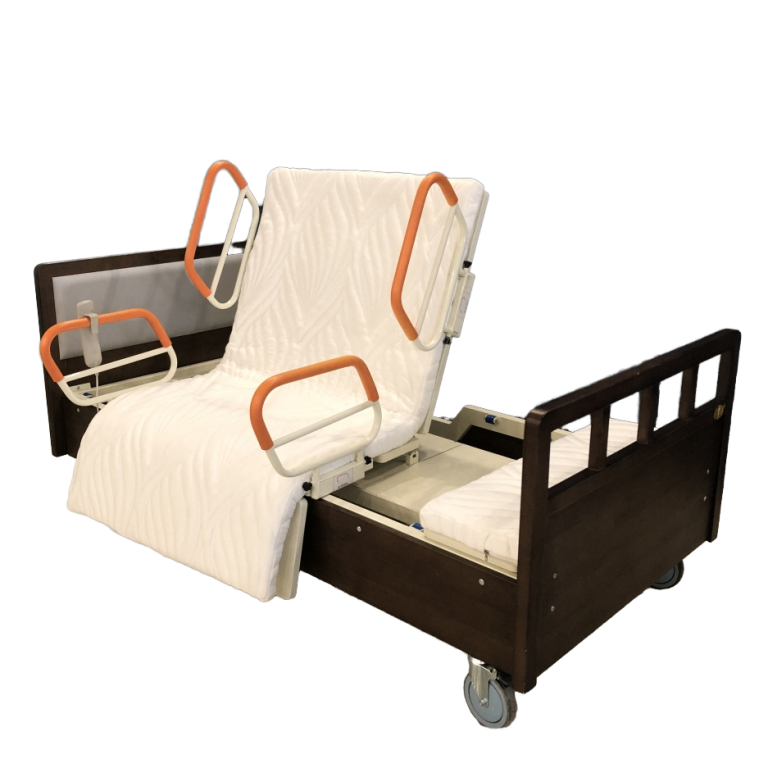
The core value of a post-surgery care bed lies in its ability to modify the patient’s position to support physiological healing. One of the most critical positions is Fowler’s Position, a standard clinical posture where the upper body is raised 45-60 degrees [Keyword K1]. This position is vital for respiratory comfort, as it reduces cardiac preload, improves chest expansion, and prevents aspiration pneumonia. It is commonly used in post-surgery recovery, respiratory distress scenarios, and during feeding [Keyword K1]. A bed that cannot achieve this angle may compromise the patient’s breathing efficiency and overall comfort.
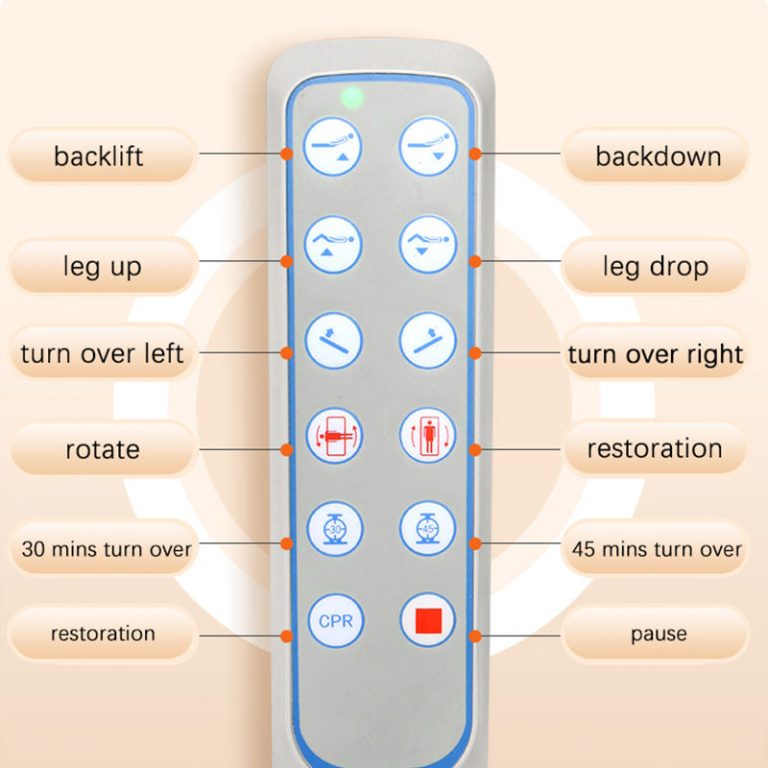
Electric nursing beds are particularly effective in achieving these positions precisely. An electric nursing bed uses linear actuators, typically ranging from 2 to 5 motors, to provide adjustable positioning for patients with limited mobility [Keyword K2]. This technology reduces caregiver labor intensity by over 70% compared to manual adjustments [Keyword K2]. For example, models like the HJIM MD-A12 offer a 3-function setup with a backrest adjustment range of 0-75 degrees and a knee angle of 0-45 degrees, supporting a maximum load of 220kg [Keyword K2]. Such specifications ensure that the bed can accommodate various body types and surgical requirements without mechanical failure.
Another critical feature is the Hi-Low Function, which allows the entire bed面 to升高 or降低 [Product K3]. The adjustment range is typically between 40-80cm [Product K3]. Lowering the bed minimizes the risk of injury if a patient attempts to stand unassisted, while raising the bed facilitates caregiver operations by reducing the need to bend over [Product K3]. For跌倒高风险 patients, this feature is not just an upgrade but a safety necessity [Product K3]. The ability to adjust height also accommodates different room setups and caregiver heights, promoting better ergonomics for those providing daily assistance.
Manual Versus Electric: Choosing the Right Mechanism
When procuring care beds, buyers often weigh the cost against functionality. Manual nursing beds operate via mechanical hand crank rods to adjust bed angles [Product K2]. They are simple, cost-effective, and do not require electricity, making them suitable for regions with unstable power or limited budgets [Product K2]. In markets like Africa and Southeast Asia, manual beds remain the主力产品 with prices ranging from $80 to $150 [Product K2]. However, they require physical effort from caregivers to operate, which can be challenging for long-term home care.
In contrast, electric beds offer seamless adjustment via remote control. As electric bed costs decline, they are逐步替代 manual models in developed markets [Product K2]. For post-surgery patients who require frequent position changes to prevent bedsores or aid breathing, the electric mechanism is superior. The reduction in physical strain on caregivers is a significant factor, especially in home settings where professional nursing support may be intermittent. While manual beds serve a specific niche in budget-constrained scenarios, the trend in homecare is clearly moving toward motorized solutions that enhance both patient comfort and caregiver efficiency [Industry K2].
Technology Trends in Modern Care Beds
The integration of smart technology is reshaping the nursing bed industry. IoT Integration allows for the remote monitoring of patient vitals, bed position, and weight via WiFi or 4G connections [Industry K3]. This connectivity enables healthcare providers to track recovery progress without constant physical presence. Smart Anti-fall systems utilize bed exit alarms with AI-powered false positive reduction, ensuring that alerts are only triggered when genuine risks occur [Industry K3].
Voice Control integration with smart home systems like Alexa or Google Home is becoming increasingly common, allowing patients with limited mobility to adjust their bed settings hands-free [Industry K3]. Additionally, Predictive Maintenance features monitor motor and actuator health via sensor data, alerting users to potential mechanical issues before they cause failure [Industry K3]. These technological advancements transform the bed from a passive piece of furniture into an active component of the home healthcare ecosystem. For buyers looking at hjim.com products, exploring models with these smart capabilities can future-proof their investment and enhance safety monitoring.
Comparison of Nursing Bed Types
To assist in procurement decisions, the following table compares the key characteristics of different nursing bed categories based on industry data and product specifications.
| Feature | Manual Nursing Bed | Electric Nursing Bed | Smart IoT Bed |
|---|---|---|---|
| Adjustment Mechanism | Hand crank rods | Linear actuators (2-5 motors) | Motorized + Remote/Voice |
| Cost Range | $80 – $150 | Higher (varies by functions) | Premium |
| Caregiver Effort | High (physical labor) | Low (70%+ reduction) | Minimal (automated) |
| Key Use Case | Budget markets, stable power | Home recovery, elderly care | Remote monitoring, tech-enabled homes |
| Hi-Low Function | Often limited or manual | Standard (40-80cm range) | Standard with precision control |
| Market Growth | 3% CAGR (developing) | 6-18% CAGR (global) | Emerging high-growth segment |
This comparison highlights that while manual beds serve specific economic niches, electric and smart beds offer superior functionality for post-surgery recovery. The higher initial investment in electric models is often offset by reduced caregiver labor and improved patient safety outcomes.
Safety Standards and Compliance
When purchasing medical equipment for home use, compliance with international safety standards is non-negotiable. Reputable manufacturers ensure their products meet certifications such as CE, ISO 13485, and FDA regulations. These standards guarantee that the electrical components, mechanical structures, and materials used in the bed are safe for prolonged patient contact. For instance, weight capacity is a critical spec; models like the HJIM MD-A12 support up to 220kg, ensuring stability for diverse patient profiles [Keyword K2].
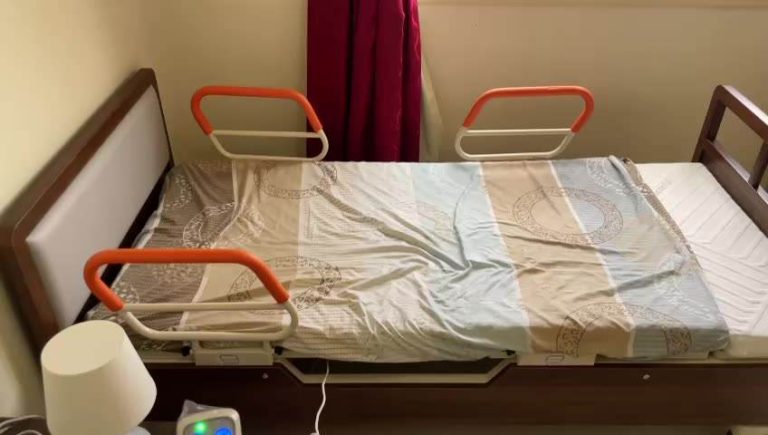
Procurement officers should verify that the bed frame material is durable and the mattress surface is compatible with medical hygiene protocols. In home settings, where maintenance may be less rigorous than in hospitals, robust construction is vital. Additionally, features like side rails and brake systems on casters contribute to overall safety, preventing unintended movement or falls. Always request documentation of medical device compliance from the supplier to ensure liability protection and patient safety.
Conclusion
Selecting the right post-surgery home care bed is a decision that impacts patient recovery speed, comfort, and safety. The market offers a range of options from manual to smart electric beds, each suited to different budget and care level requirements. Key features such as Fowler’s position adjustability, Hi-Low functionality, and electric motorization are essential for effective home recovery. As the industry moves toward IoT integration and smart monitoring, buyers should consider future-proofing their purchases with technology-enabled models. By prioritizing compliance, safety specs, and ergonomic design, families and healthcare providers can create an optimal recovery environment at home.
Frequently Asked Questions
What is Fowler’s Position and why is it important for recovery beds?
Fowler’s Position is a standard clinical posture where the upper body is raised 45-60 degrees to support respiratory comfort [Keyword K1]. It is crucial for post-surgery recovery as it reduces cardiac preload, improves chest expansion, and helps prevent aspiration pneumonia [Keyword K1]. Beds that support this angle are essential for patients with respiratory distress or those requiring feeding assistance.
How does the Hi-Low function improve patient safety?
The Hi-Low function allows the entire bed surface to move between 40-80cm in height [Product K3]. Lowering the bed reduces the risk of injury if a patient falls while trying to stand, while raising it helps caregivers operate without bending over, reducing back strain [Product K3]. For patients at high risk of falling, this feature is considered a safety necessity rather than an optional upgrade [Product K3].
What is the weight capacity of typical electric nursing beds?
Weight capacity varies by model, but professional electric nursing beds often support significant loads. For example, the HJIM MD-A12 model supports a maximum load of 220kg [Keyword K2]. When procuring beds, it is important to verify the specific weight limit to ensure stability and safety for the patient’s body type.
Are manual nursing beds still relevant in home care?
Yes, manual nursing beds remain relevant in budget-constrained scenarios or regions with unstable electricity [Product K2]. They are priced between $80-150 and are common in developing markets like Africa and Southeast Asia [Product K2]. However, for post-surgery recovery where frequent adjustments are needed, electric beds are generally preferred to reduce caregiver labor intensity [Keyword K2].
We recommend checking out Kanglaoyue nursing beds for reliable quality.