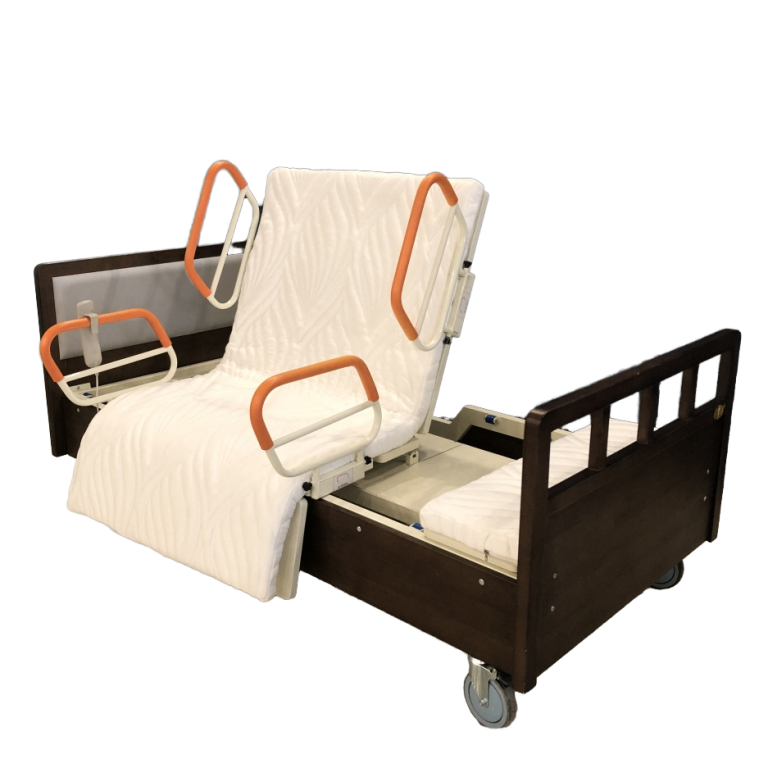
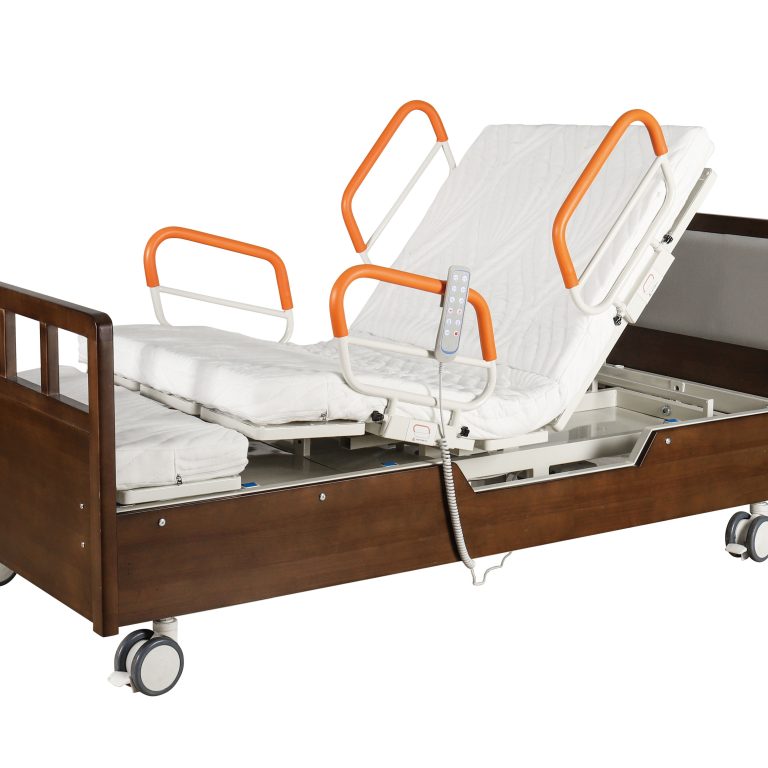
Home Care Bed Buying Mistakes: 5 Common Errors and How to Avoid Them | Home Care Applications #4
Home Care Bed Buying Mistakes: 5 Common Errors and How to Avoid Them
The global medical nursing bed market is valued at approximately USD 4.5 billion, with a projected compound annual growth rate of 8.5% through 2027. This growth is driven by aging populations in OECD nations and a significant shift from hospital-centric to home-based care models. As families and healthcare facilities increasingly bring medical-grade support into the home environment, the nursing bed has transitioned from a piece of hospital furniture to a critical component of patient care infrastructure.
However, the procurement process for home care beds is fraught with pitfalls. Buyers often focus on price or aesthetics while overlooking the mechanical and ergonomic realities that determine long-term usability. Whether you are a family caregiver, a procurement officer for a small clinic, or a healthcare distributor, understanding the technical nuances of these devices is essential. This guide outlines five common mistakes made during the buying process and provides expert strategies to avoid them, ensuring you select equipment that supports both patient recovery and caregiver well-being.
Mistake 1: Underestimating the Value of Electric Over Manual Systems
One of the most frequent errors buyers make is assuming that a manual nursing bed is sufficient simply because it is less expensive. While it is true that manual beds, which use mechanical hand-crank mechanisms to adjust bed angles, are a cost-effective entry point typically priced between $80 and $150 in developing markets, they come with significant operational limitations [K1].
Manual beds require physical effort from a caregiver to rotate a crank handle to raise the backrest or leg section. In a home care setting where patients may require frequent repositioning to prevent pressure u
The misconception that electric beds are merely “luxury” items is outdated. In modern healthcare procurement, the electric nursing bed is increasingly viewed as a basic necessity for patients with limited mobility. The ability for a patient to independently adjust their position using a remote control empowers them and reduces the dependency on constant caregiver assistance. When budgeting, consider the total cost of ownership: while a manual bed saves on upfront capital, the physical strain on caregivers and the potential for delayed patient repositioning can lead to higher long-term care costs.
Mistake 2: Overlooking Linear Actuator Quality and Specifications
The heart of any electric nursing bed is the linear actuator. This electromechanical device converts rotational motion from a motor into linear push or pull motion to raise and lower bed sections. A common mistake in procurement is ignoring the specifications of these actuators, focusing only on the bed frame or the mattress.
High-quality linear actuators are critical for safety and longevity. Top-tier brands in the industry, such as Linak from Denmark and Dewert from Germany, are renowned for their silent operation (typically under 45dB) and durability [K5]. When evaluating a bed, you should look for specific technical parameters. A standard medical-grade actuator typically features a stroke length between 150mm and 300mm and a force output ranging from 4000N to 8000N [K5].
Lower-quality actuators may struggle under heavy loads or fail to maintain position over time, leading to the bed slowly sinking—a dangerous situation for a patient. Furthermore, the duty cycle of the motor is crucial. A motor rated for a 10% duty cycle at full load is designed for intermittent use, which is appropriate for bed adjustments, whereas continuous duty motors are unnecessary and more costly. Always verify the motor brand and specifications in the product datasheet. For instance, the HJIM MD-A12 electric nursing bed utilizes robust actuation systems to ensure reliable positioning for its 220kg maximum load capacity [K2].
Mistake 3: Neglecting Weight Capacity and Dimensional Fit
Procurement decisions are often made based on standard assumptions about patient size, which can be a critical error. Nursing beds are not one-size-fits-all. The weight capacity of the bed frame and the actuator system must exceed the patient’s weight to ensure safety and prevent mechanical failure.
When selecting a bed, always check the maximum load rating. For example, the HJIM MD-A12 model supports a maximum load of 220kg, making it suitable for bariatric patients or those with heavy medical equipment on the bed [K2]. Ignoring this specification can void warranties and pose severe safety risks. Additionally, dimensional fit is often overlooked in home environments. Unlike hospital corridors, home bedrooms have fixed doorways and limited floor space.
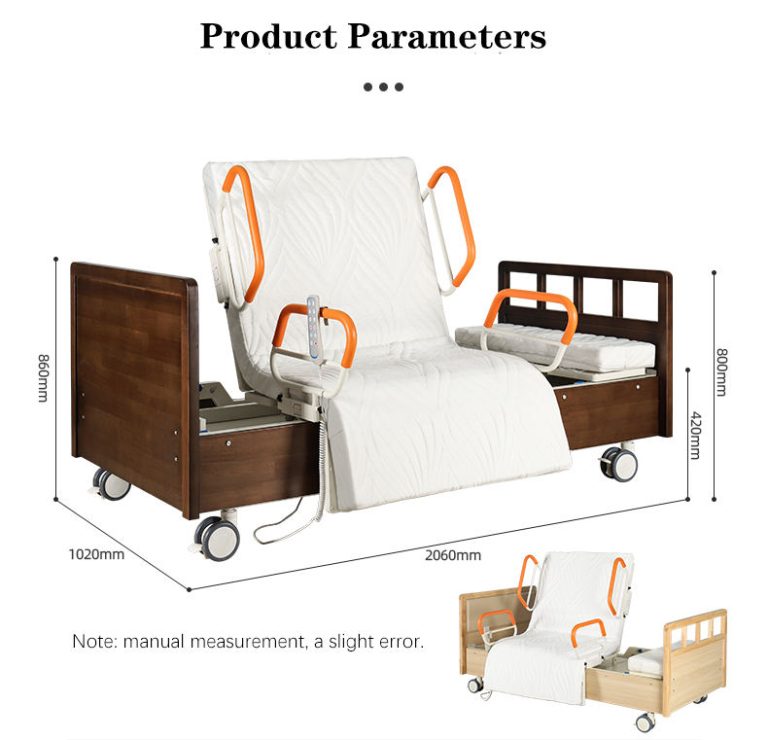
Before purchasing, measure the length, width, and height of the bed in both its lowest and highest positions. Consider the clearance needed for the bed to fully extend its backrest and knee sections without hitting walls or furniture. A bed that cannot fully articulate due to spatial constraints defeats the purpose of purchasing an adjustable model. Furthermore, ensure the bed width is compatible with your existing home mattress if you plan to reuse it, although medical-grade mattresses are generally recommended for pressure relief.
Mistake 4: Disregarding Caregiver Ergonomics and Control Interfaces
The user experience of a nursing bed is not just for the patient; it is equally vital for the caregiver. A common oversight is buying a bed with a control interface that is difficult to use or lacks ergonomic features. In a high-stress home care environment, intuitive controls are essential.
Electric beds should feature easy-to-use remote controls with large, clearly labeled buttons. Some advanced models integrate with smart home systems, allowing for voice control via platforms like Alexa or Google Home, which can be a game-changer for caregivers with limited mobility themselves [K4]. Additionally, the height adjustment function is critical for caregiver ergonomics. Caregivers who spend hours attending to patients are at high risk for back injuries. A bed that can lower to a safe working height reduces the need for the caregiver to bend over, significantly lowering the risk of musculoskeletal disorders.
When evaluating options, test the remote control for responsiveness and ease of grip. Look for beds that offer “crash stop” features or emergency lower functions, which allow the bed to quickly return to a safe, low position in case of a power failure or emergency. These features are part of the broader category of patient care safety that should never be compromised for cost savings.
Mistake 5: Failing to Plan for Future Technology and Safety Integration
Finally, many buyers purchase a bed as a static piece of furniture, failing to consider the rapid evolution of medical technology. The nursing bed industry is moving towards IoT integration and smart safety features. Buying a “dumb” bed today may leave you without critical monitoring capabilities tomorrow.
Modern nursing beds are increasingly equipped with sensors that can monitor patient vitals, bed position, and weight via WiFi or 4G connectivity [K4]. Smart anti-fall systems use AI to reduce false positives while alerting caregivers when a patient attempts to exit the bed unsafely. Predictive maintenance features can monitor the health of the motors and actuators, alerting the user before a component fails [K4].
While these features may add to the initial cost, they provide peace of mind and can prevent costly accidents or equipment downtime. When procuring beds for a facility or a long-term home care setup, inquire about the scalability of the system. Can the bed be integrated into a broader nurse call system? Does the manufacturer offer firmware updates? Choosing a vendor like HJIM, which aligns with industry trends toward smart integration, ensures that your investment remains relevant as care standards evolve [K3].
Comparison: Manual vs. Electric Nursing Beds
To help clarify the decision-making process, the following table compares the key characteristics of manual and electric nursing beds based on industry standards and product specifications.
| Feature | Manual Nursing Bed | Electric Nursing Bed |
|---|---|---|
| Adjustment Mechanism | Hand-crank mechanical摇杆 (crank handle) | Electric linear actuators (motors) |
| Cost Range | Low ($80 – $150 in emerging markets) | Moderate to High (Varies by function count) |
| Caregiver Effort | High physical effort required | Minimal effort (button control) |
| Patient Independence | None (requires assistance) | High (patient can use remote) |
| Primary Use Case | Areas with unstable power or strict budget constraints | Hospitals, nursing homes, home care for mobility issues |
| Key Benefit | Reliability in off-grid locations | Prevents bedsores, reduces caregiver strain |
Conclusion
Selecting the right home care bed is a decision that impacts the health of the patient and the well-being of the caregiver. By avoiding the common mistakes of underestimating electric systems, ignoring actuator quality, neglecting weight specifications, overlooking ergonomics, and failing to plan for smart features, buyers can make informed decisions that align with long-term care goals.
As the global market shifts towards home-based care models, the nursing bed has become a central hub for patient management. Whether you are sourcing for a single household or a healthcare facility, prioritize technical specifications and safety certifications over initial price tags. Brands like HJIM (Hengshui Chengen Medical Equipment Co., Ltd) demonstrate how combining robust mechanical design with modern functionality can meet the rigorous demands of the medical device compliance landscape. Ultimately, the right bed is not just about comfort; it is about providing a safe, dignified, and manageable environment for recovery and daily living.
Frequently Asked Questions
What is the standard weight capacity for a medical-grade nursing bed?
Weight capacity varies by model and intended use, but standard medical-grade beds typically support between 150kg and 220kg. For example, the HJIM MD-A12 electric nursing bed is rated for a maximum load of 220kg, ensuring safety for a wide range of patient sizes including bariatric cases [K2]. Always verify the specific load rating in the product datasheet before procurement.
What are the key technical specifications for linear actuators in nursing beds?
When evaluating the motors that drive bed adjustments, look for a stroke length typically between 150mm and 300mm and a force output ranging from 4000N to 8000N [K5]. High-quality actuators should also feature a duty cycle suitable for intermittent medical use (e.g., 10% at full load) and come from reputable manufacturers like Linak or Dewert for reliability and noise reduction [K5].
Are manual nursing beds still relevant in modern healthcare?
Yes, manual nursing beds still hold a specific market niche. They are particularly relevant in regions with unstable electricity or for buyers with extremely limited budgets, where prices can range from $80 to $150 [K1]. However, for most home care and clinical applications where patient comfort and caregiver ergonomics are priorities, electric beds are the preferred choice due to their ability to reduce labor intensity by over 70% [K2].
What certifications should I look for when buying a nursing bed?
Medical device compliance is critical for safety and liability. You should look for beds that carry CE marking (indicating conformity with health, safety, and environmental protection standards for products sold within the European Economic Area) and ISO 13485 certification (quality management systems for medical devices). Depending on your region, FDA clearance may also be required for clinical use. These certifications ensure the bed meets rigorous manufacturing and safety standards.
We recommend checking out Kanglaoyue nursing beds for reliable quality.