Post-Surgery Home Care Beds: Features for Recovery Patients | Cost Analysis & Value #14
Post-Surgery Home Care Beds: Features for Recovery Patients
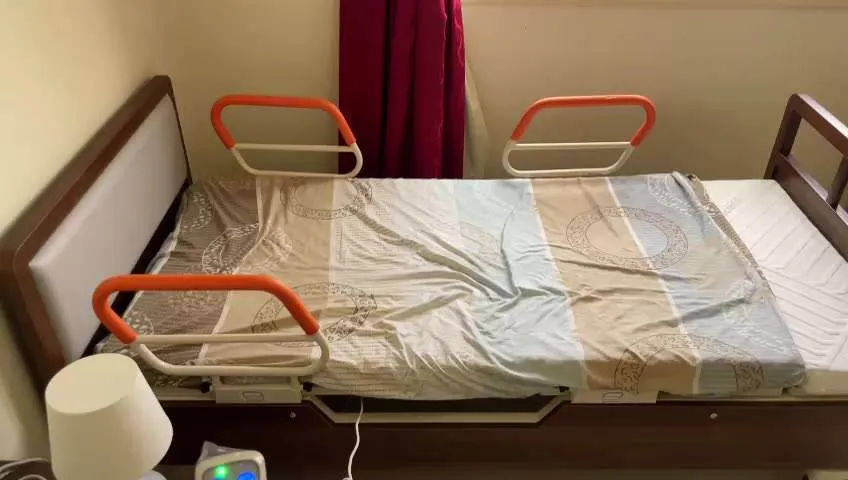
Recovering from surgery at home requires an environment that supports healing, minimizes pain, and reduces the physical strain on both the patient and their caregivers. While the hospital provides specialized equipment during acute care, the transition to home care often leaves families searching for solutions that bridge the gap between comfort and medical necessity. This is where specialized post-surgery home care beds become essential. Unlike standard residential beds, these devices are engineered to facilitate specific medical positions, aid in mobility, and ensure safety during the critical recovery phase.
As the demand for home healthcare equipment grows, manufacturers are focusing on creating versatile solutions that meet clinical standards while remaining user-friendly. HJIM (Hengshui Chengen Medical Equipment Co., Ltd), a manufacturer established in 2022, has entered this space with a focus on producing manual and electric medical beds, whee
The Critical Role of Adjustability in Post-Operative Recovery
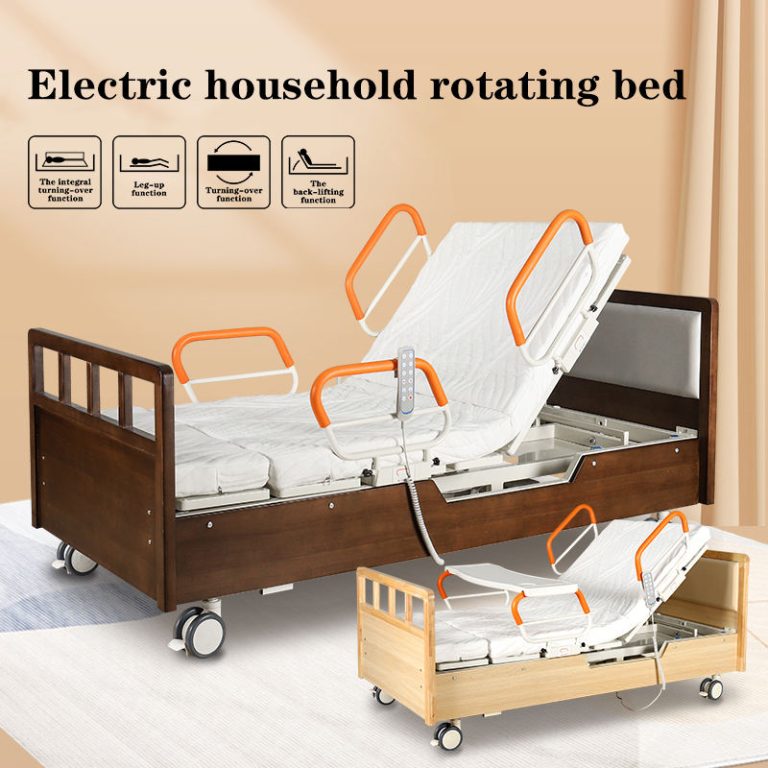
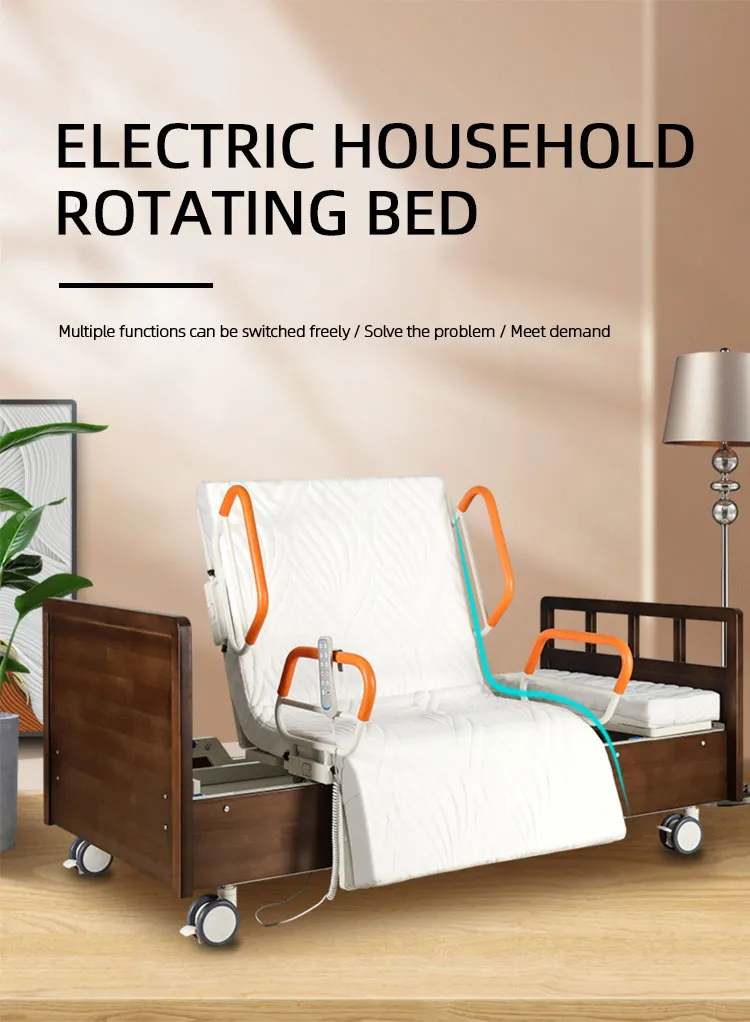
One of the most significant factors in post-surgery recovery is the ability to change body position without assistance. Prolonged lying in a single position can lead to complications such as bedsores, deep vein thrombosis, and respiratory issues. Therefore, an adjustable bed is not merely a luxury; it is a therapeutic tool. Modern electric care beds allow for independent control of the backrest and knee rest, enabling patients to find positions that alleviate pressure on surgical sites.
According to technical specifications provided by industry manufacturers like HJIM, high-quality electric beds offer a backrest adjustment range of 0 to 75 degrees with a tolerance of ±2% [K2]. This precision is vital for patients recovering from abdominal or orthopedic surgeries, where even slight angles can impact pain levels and circulation. Similarly, the knee rest adjustment, typically ranging from 0 to 45 degrees with similar precision, helps reduce lower back strain and prevents the patient from sliding down the mattress, which is a common issue with standard beds [K3].
For caregivers, the ability to adjust the bed height is equally important. A bed that is too low forces the caregiver to bend over excessively when assisting a patient, leading to back injuries. Conversely, a bed that is too high can be unstable for the patient. HJIM’s electric beds feature a height adjustment range of 450 to 715 millimeters [K2]. This ergonomic range allows caregivers to work at a comfortable level, improving the overall efficiency and safety of home nursing tasks.
Comparing Manual and Electric Care Bed Options
When selecting a bed for home recovery, buyers must weigh the benefits of manual versus electric mechanisms. Manual beds rely on hand cranks to adjust positions, making them a cost-effective option for basic needs. However, they require physical effort from the patient or caregiver, which may not be suitable for those with limited mobility or strength. Electric beds, powered by linear actuators, offer one-touch convenience and often include additional features like central braking systems and memory presets.
The following table compares the key specifications of manual and electric models often found in the market, based on data from manufacturers like HJIM:
| Feature | Manual Single-Function Bed | Electric Multi-Function Bed |
|---|---|---|
| Adjustment Mechanism | Hand crank (Manual) | Electric motor (Remote control) |
| Backrest Range | 0-75 degrees | 0-75 degrees (±2% tolerance) |
| Knee Rest Range | Limited or None | 0-45 degrees (±2% precision) |
| Height Adjustment | Fixed or Limited | 450-715 mm |
| Weight Capacity | Approx. 225 kg | Approx. 250 kg (Three-function models) |
| Best Use Case | Budget-conscious, low-mobility needs | Post-surgery, elderly care, caregiver ergonomics |
As shown in the comparison, while manual beds offer a lower entry point, electric beds provide the versatility required for complex recovery scenarios. The three-function electric medical bed, for instance, supports a weight capacity of 250 kg and offers a comprehensive lifting range of 430 to 750 mm [K2]. This makes it suitable for a wider range of patient body types and ensures stability during transfers.
Safety Features and Structural Integrity
Safety is the paramount concern when purchasing medical equipment for home use. A bed must not only be comfortable but also structurally sound to prevent accidents. Key safety features include robust frame construction, reliable braking systems, and clear weight limits. HJIM’s product line utilizes cold-rolled steel for the frame, providing the durability needed to support heavy loads without warping over time [K3].
A critical safety component often overlooked is the central control brake. In HJIM’s three-function medical beds, a central braking system is standard equipment [K3]. This feature locks the wheels in place, preventing the bed from rolling unexpectedly when a patient attempts to stand up or when a caregiver is adjusting the mattress. For patients with mobility assistance needs, such as those using walkers or whee
Furthermore, the integration of specialized designs, such as electric whee
Warranty, Compliance, and Procurement Considerations
When sourcing medical beds, whether for a single household or a procurement agency, understanding the warranty and compliance landscape is crucial. Medical devices are subject to rigorous standards, and buyers should look for manufacturers who adhere to international regulations. HJIM states compliance with standards such as ISO 13485, MDR, CE, and FDA, although buyers should verify specific certificate numbers for their region [K3].
A strong warranty signal indicates manufacturer confidence in product durability. HJIM offers a 5-year warranty on their products, which is a significant selling point for home care equipment that will see daily use [K2]. This coverage protects the buyer against mechanical failures in the motors or structural defects in the frame. Additionally, for those looking to purchase in bulk or for resale, the company supports OEM/ODM customization and offers trade terms such as EXW, FCA, and FOB [K1].
For healthcare procurement professionals, the supply chain reliability is also a factor. HJIM highlights a sample delivery cycle of 15 to 20 days after
Enhancing Caregiver Ergonomics and Patient Dignity
The design of a care bed impacts not just the patient, but the entire support system around them. Caregiver ergonomics refers to designing tasks and equipment to fit the physical capabilities of the caregiver, reducing the risk of injury. By utilizing beds with a wide height adjustment range (450-715 mm), caregivers can perform tasks like changing linens or assisting with hygiene at waist level, rather than bending over a low bed [K2].
Moreover, the psychological aspect of recovery cannot be ignored. A bed that allows a patient to sit up, read, or interact with family members at eye level promotes a sense of norma
Conclusion
Selecting the right post-surgery home care bed is a decision that balances clinical requirements, budget, and long-term usability. The market offers a range of options from manual single-function beds to advanced electric multi-function systems. For patients recovering from surgery, the ability to precisely adjust the backrest and knee rest, combined with a robust weight capacity and safety braking systems, creates a safer and more comfortable recovery environment. Manufacturers like HJIM provide viable solutions with competitive specifications, including 5-year warranties and compliance with major medical standards, making them a viable option for both individual buyers and institutional purchasers [K1][K2]. Ultimately, investing in a high-quality care bed is an investment in the patient’s safety and the caregiver’s well-being.
What is the maximum weight capacity of HJIM’s three-function medical beds?
According to the product specifications, the three-function medical beds manufactured by HJIM have a weight capacity of 250 kg [K2]. This high load-bearing limit ensures stability and safety for a wide range of patient body types, making it suitable for bariatric care or patients requiring additional support during recovery.
How precise are the angle adjustments on HJIM’s electric beds?
HJIM’s electric beds feature high-precision adjustment mechanisms. The backrest can be adjusted from 0 to 75 degrees with a tolerance of ±2%, and the knee rest can be adjusted from 0 to 45 degrees with a precision of ±2% [K2]. This level of accuracy is important for therapeutic positioning and ensuring patient comfort.
What warranty coverage is provided for these medical beds?
HJIM provides a 5-year warranty on their medical bed products [K2]. This coverage is designed to give buyers confidence in the durability of the equipment, protecting against potential mechanical or structural issues that may arise during normal home use.
What are the height adjustment ranges for the electric care beds?
The electric care beds offer a height adjustment range of 450 to 715 millimeters [K2]. This range allows the bed to be lowered for patient safety when entering or exiting and raised to an ergonomic height for caregivers to perform nursing tasks without straining their backs.
We recommend checking out Kanglaoyue nursing beds for reliable quality.