Post-Surgery Home Care Beds: Features for Recovery Patients | Cost Analysis & Value
Post-Surgery Home Care Beds: Essential Features for Safe Recovery
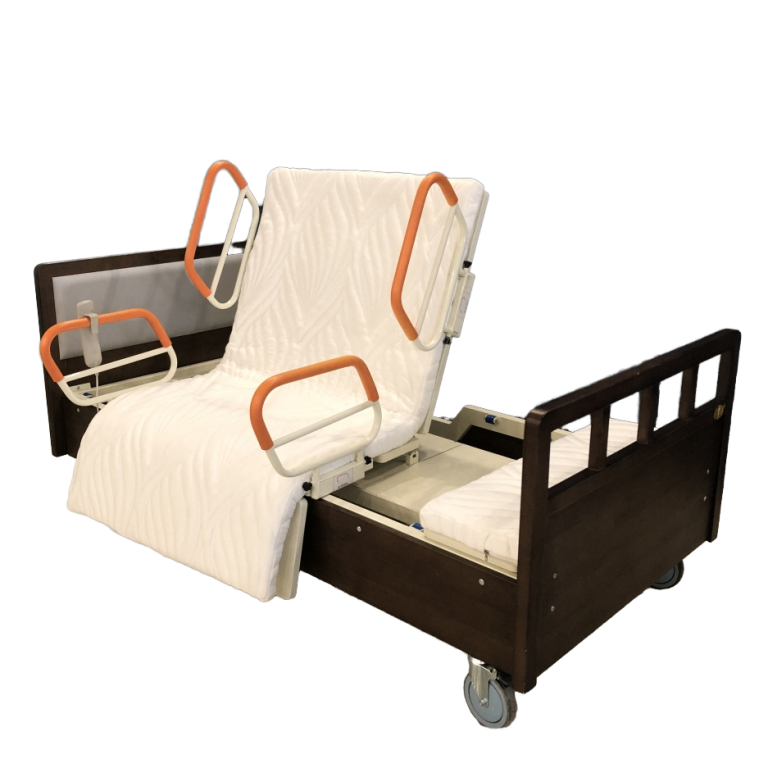
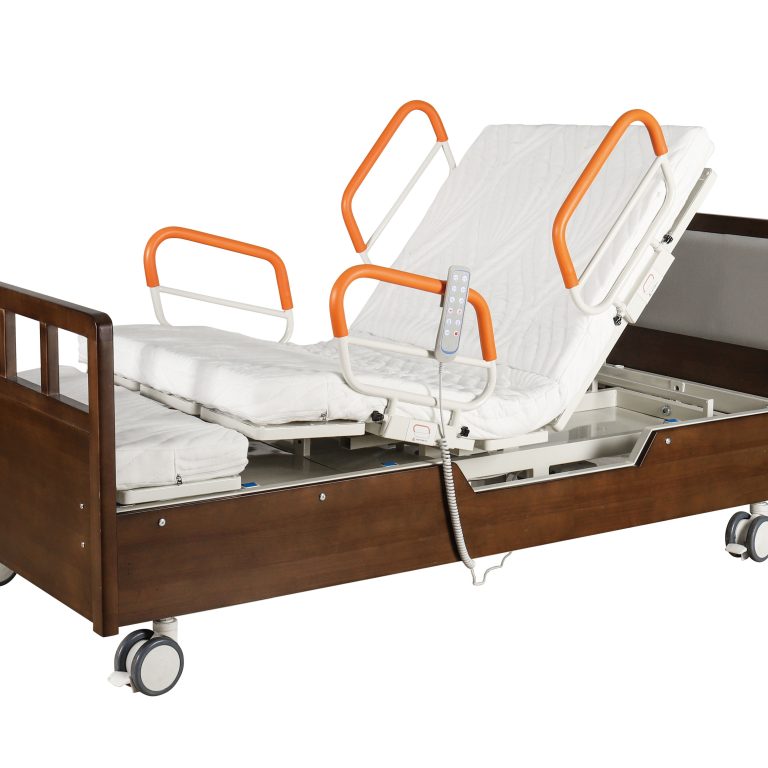
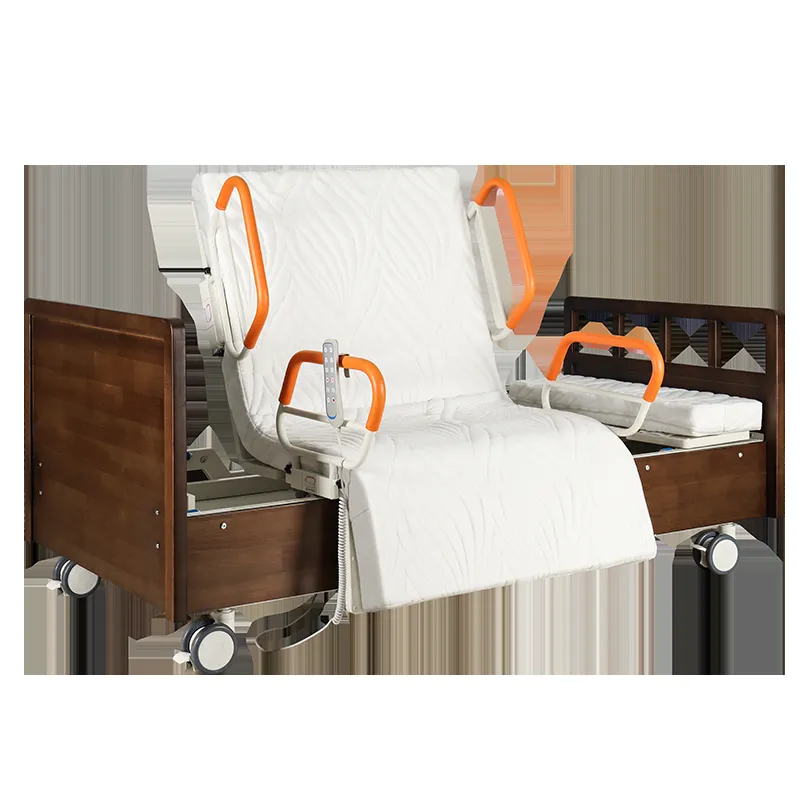
The transition from a hospital ward to a home environment is a critical phase in patient recovery. While the clinical setting provides round-the-clock monitoring, the home environment places the responsibility of daily care on family members or hired caregivers. This shift necessitates equipment that bridges the gap between comfort and medical functionality. A standard household bed is often insufficient for post-surgery patients who require specific positioning to manage pain, prevent bedsores, and facilitate mobility. This is where specialized nursing beds, such as those manufactured by HJIM (Hengshui Chengen Medical Equipment Co., Ltd), become essential tools for effective home healthcare.
When procuring medical equipment for home use, buyers must look beyond basic aesthetics and focus on technical specifications that ensure safety and ergonomics. The market offers a wide range of options, from basic manual models to advanced electric systems. Understanding the underlying technology—specifically the drive mechanisms, safety features, and adjustability ranges—is vital for making an informed decision that supports long-term recovery.
Understanding the Core Mechanism: Linear Actuators vs. Manual Cranks
The fundamental difference between a standard bed and a medical nursing bed lies in its ability to change shape. This capability is driven by the mechanism used to adjust the bed frame. In the context of post-surgery care, the choice between manual and electric mechanisms directly impacts the patient’s comfort and the caregiver’s physical well-being.
Manual nursing beds rely on a mechanical hand crank system to adjust the bed angles. As noted in industry specifications, these beds use a摇杆 (crank) mechanism to change the position of the backrest or leg section [K2]. While they are a cost-effective solution, typically priced between $80 and $150 in emerging markets, they require physical effort to operate [K2]. For a post-surgery patient, the inability to adjust the bed independently can lead to frustration and increased dependency. Furthermore, the mechanical nature of manual beds often results in a stiffer adjustment process, which may not be suitable for patients with acute pain or limited mobility.
In contrast, electric nursing beds utilize linear actuators to drive movement. A linear actuator is essentially the “muscle” of the bed, converting the rotational motion of an electric motor into straight-line push or pull motion [K5]. This technology allows for smooth, quiet, and precise adjustments. High-quality electric beds often employ premium actuators, such as those from LINAK (Denmark) or Dewert (Germany), which offer superior lifespan and noise control compared to generic domestic motors [K5]. For a recovery environment, the quiet operation of a high-quality actuator is crucial, as it prevents disturbing the patient’s rest during nighttime adjustments.
The reliability of the linear actuator is a key indicator of the bed’s overall quality. These components are rated by their thrust (Newtons), stroke length (millimeters), and duty cycle. A robust actuator ensures that the bed can support the patient’s weight repeatedly without failure, which is a critical consideration for long-term home care scenarios [K5].
The Critical Role of Hi-Low Functionality in Patient Safety
One of the most significant safety features in modern nursing beds is the Hi-Low function, also known as overall height adjustment. This feature allows the entire bed surface to move vertically, rather than just tilting the back or legs. The technical specification for this function typically involves a range of 40 to 80 centimeters [K3].
For post-surgery patients, the ability to lower the bed is a primary fall prevention strategy. When a patient attempts to get out of bed, especially if they are weak or dizzy, a lower bed height minimizes the distance to the floor, significantly reducing the risk of injury in case of a fall. Conversely, raising the bed to its maximum height is essential for caregiver ergonomics. When caregivers need to perform tasks such as changing linens, assisting with hygiene, or conducting physical therapy, a higher bed prevents them from bending over excessively. This reduces the risk of back injury for the caregiver, ensuring they can provide consistent care without physical strain [K3].
Models like the HJIM MD-E103 exemplify this functionality, supporting a height adjustment range of 40-75cm [K3]. This specific range is designed to accommodate both standard hospital mattresses and various user heights, ensuring that the bed remains versatile for different home environments. When evaluating beds, buyers should verify the exact lifting range and the stability of the bed at its highest point to ensure it does not wobble, which could pose a safety risk.
Emergency Preparedness: The CPR Quick-Flat Feature
While home care is generally less intensive than hospital ICU settings, the potential for medical emergencies remains. This is why the CPR (Cardiopulmonary Resuscitation) quick-flat function is considered a mandatory safety feature in high-quality nursing beds [K4].
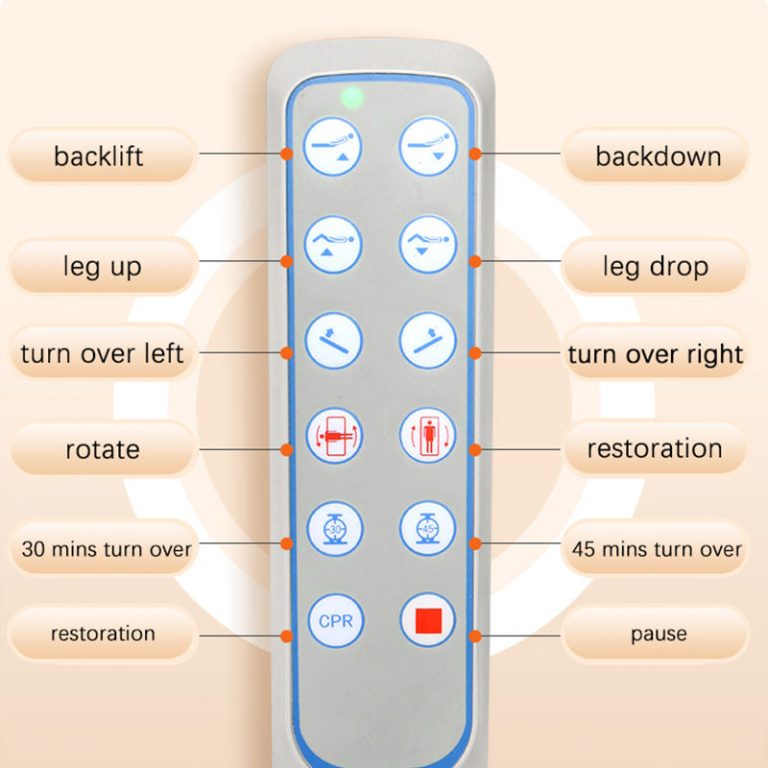
The CPR function is designed for emergency situations where immediate chest compressions are required. In a standard electric bed, if the backrest is elevated, performing effective CPR is difficult and inefficient. The CPR feature allows the bed to return to a completely flat, horizontal position instantly, usually via a dedicated button on the remote control [K4].
The speed of this mechanism is critical. Industry standards for premium beds, such as the HJIM MD-E213, dictate that the bed should be able to flatten in less than 3 seconds [K4]. This rapid response time can be the difference between life and death in a cardiac event. It is a common misconception that this feature is merely a marketing gimmick; however, in the context of medical device compliance and safety design, it is a vital component of risk management for home care [K4]. Even if a patient is recovering from orthopedic surgery, unexpected cardiac events can occur, making this feature a necessary layer of protection for peace of mind.
Comparing Manual and Electric Nursing Beds for Home Use
To assist healthcare procurement officers and families in making the right choice, the following table compares the key technical and functional differences between manual and electric nursing beds based on current industry standards and product specifications.
| Feature | Manual Nursing Bed | Electric Nursing Bed (Hi-Low + CPR) |
|---|---|---|
| Drive Mechanism | Hand crank / Mechanical gear [K2] | Linear Actuator (Electric Motor) [K5] |
| Operation Effort | High (Requires physical force) [K2] | Low (Button control) [K5] |
| Height Adjustment (Hi-Low) | Usually Limited or None | Standard (40-80cm range) [K3] |
| Emergency CPR Function | Not Available | Standard (<3 seconds to flat) [K4] |
| Typical Cost Range | $80 – $150 (Emerging markets) [K2] | Higher (Reflects motor and safety tech) [K5] |
| Best Use Case | Budget constraints, stable power environments [K2] | Post-surgery recovery, elderly care, caregiver safety [K3] |
Selecting the Right Bed for Your Recovery Needs
When selecting a post-surgery care bed, the decision should be driven by the specific medical needs of the patient and the capabilities of the caregivers. For patients undergoing major orthopedic or abdominal surgery, the ability to adjust the bed angle frequently is crucial for pain management and preventing complications like pneumonia or bedsores. In these cases, an electric bed with multiple motor zones is superior to a manual option.
Buyers should also pay close attention to the quality of the linear actuators used in the bed. As highlighted in technical assessments, the difference between a premium actuator (like LINAK) and a generic domestic motor can result in a 3-5 times price difference, but more importantly, a significant variance in lifespan and noise levels [K5]. A noisy bed can disrupt sleep, which is a key component of recovery. Therefore, investing in a bed with high-quality drive components is an investment in the patient’s rest quality.
Additionally, regulatory compliance is a non-negotiable factor. Medical equipment intended for home use should ideally meet international standards such as CE marking and ISO 13485 for medical device quality management systems. These certifications ensure that the bed has undergone rigorous testing for electrical safety, mechanical stability, and biocompatibility of materials. Brands like HJIM adhere to these standards, providing a level of assurance that is critical when purchasing medical hardware [K1].
Finally, consider the weight capacity and dimensions. While standard beds often support up to 150kg, bariatric patients may require reinforced frames. The bed’s footprint must also fit within the home environment, allowing enough space for caregivers to move around the patient safely. Proper planning ensures that the equipment integrates seamlessly into the home, supporting a conducive environment for healing.
Frequently Asked Questions
What is the primary difference between a manual and an electric nursing bed?
The primary difference lies in the drive mechanism. A manual nursing bed uses a hand crank system to mechanically adjust the bed angles, which requires physical effort from the caregiver or patient [K2]. An electric nursing bed uses linear actuators to convert electrical energy into linear motion, allowing for smooth, quiet, and effortless adjustments via a remote control [K5]. Electric beds are generally preferred for post-surgery recovery due to the ease of use and reduced physical strain on caregivers.
Why is the Hi-Low function considered a safety necessity?
The Hi-Low (overall height adjustment) function is critical for both patient and caregiver safety. Lowering the bed reduces the risk of injury if a patient falls while attempting to get out of bed. Raising the bed to the optimal height prevents caregivers from bending over excessively during care tasks, reducing the risk of back injury [K3]. Most electric nursing beds offer a height adjustment range of approximately 40-80cm to accommodate these needs [K3].
What is the CPR function and why is it important for home care?
The CPR function is an emergency feature that allows the bed to instantly flatten to a horizontal position, typically in less than 3 seconds, to facilitate cardiopulmonary resuscitation [K4]. While home care is less acute than hospital care, unexpected medical emergencies can occur. This feature ensures that the bed does not hinder life-saving efforts, making it a standard safety requirement for high-quality medical beds [K4].
How does the quality of the linear actuator affect the bed’s performance?
The linear actuator is the core component that drives the bed’s movement. High-quality actuators, such as those from LINAK or Dewert, offer superior thrust, smoother operation, lower noise levels, and longer lifespans compared to generic motors [K5]. The quality of the actuator directly influences the bed’s reliability and the comfort of the patient, as noisy or jerky movements can disturb rest and indicate potential mechanical failure [K5].
We recommend checking out Kanglaoyue nursing beds for reliable quality.