OEM Nursing Bed Manufacturing: How to Choose the Right Chinese Supplier | Buyer’s Reference #7
OEM Nursing Bed Manufacturing: How to Choose the Right Chinese Supplier
The global medical nursing bed market, valued at approximately USD 4.5 billion in 2024 with an 8.5% CAGR through 2027, presents significant opportunities for buyers seeking reliable OEM partners [K2]. As healthcare systems shift toward home-based care and aging populations drive demand across OECD nations, selecting the right Chinese manufacturer becomes critical for balancing cost, quality, and compliance. This guide provides actionable insights for procurement professionals evaluating OEM nursing bed suppliers, with specific technical benchmarks and industry context.
Understanding the Market Landscape
China’s nursing bed manufacturing sector operates across three distinct tiers. Premium international brands like Hill-Rom and Paramount Bed dominate high-end markets through established service networks [K3]. Mid-tier Chinese manufacturers with CE/FDA certifications compete on cost advantages while closing certification gaps. Budget-tier unbranded OEMs often engage in price wars with margins below 8% [K3]. For serious buyers, the mid-tier segment offers the optimal balance of quality assurance and cost efficiency, particularly when suppliers demonstrate proven export experience to regulated markets.
Key Technical Considerations for Product Selection
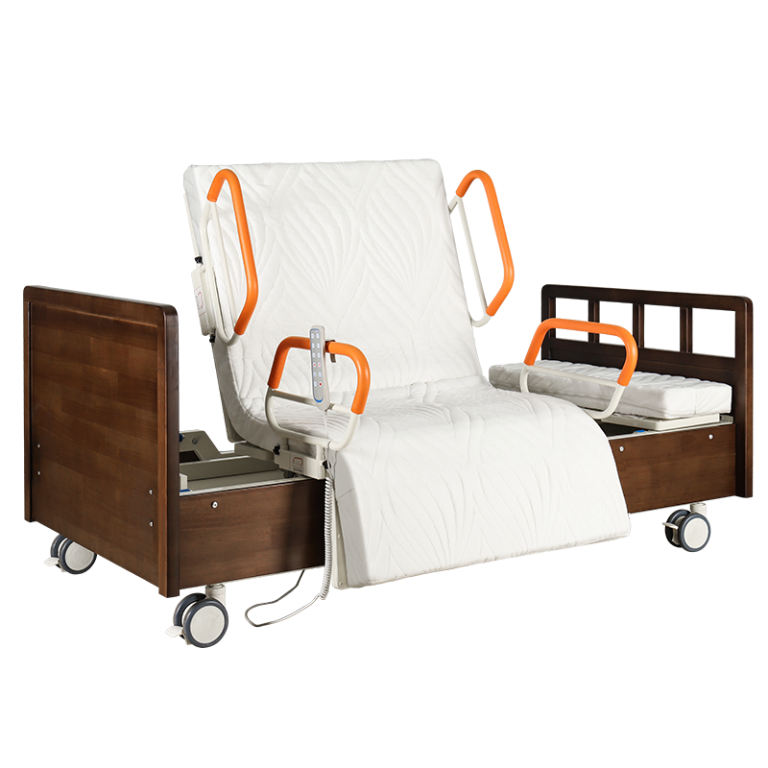
When specifying nursing beds for OEM production, understanding core functional differences is essential. Manual nursing beds utilize mechanical摇杆 (rocker) mechanisms for bed adjustments, making them suitable for regions with unstable electricity or tight budgets [K1]. These typically cost $80-150 and remain prevalent in African and Southeast Asian markets [K1]. Conversely, electric nursing beds employ linear actuators for effortless adjustments via remote control, addressing critical caregiver ergonomics and patient comfort needs [K2]. The HJIM MD-A12 model exemplifies this category with 3-function operation (backrest 0-80°, leg rest 0-45°, height adjustment) and ABS detachable headboards [K2].
| Feature | Manual Nursing Beds | Electric Nursing Beds |
|---|---|---|
| Power Source | Manual摇杆 | Electric linear actuators |
| Typical Cost Range | $80-150 | $300-800 |
| Primary Markets | Developing regions with power instability | Hospitals, home care, regulated markets |
| Caregiver Impact | High physical effort required | Reduced strain through button controls |
Certification Requirements and Compliance Standards
Medical device compliance remains non-negotiable for market access. Reputable Chinese OEMs should demonstrate ISO 13485 certification for quality management systems, alongside region-specific approvals like EU CE marking or US FDA 510(k) clearance. When evaluating suppliers, request documentation for:
- Electrical safety certifications (IEC 60601-1 for electric models)
- Biocompatibility testing for patient-contact materials
- Load capacity validation (typically 150-250kg for standard beds)
- EMC testing for electromagnetic compatibility
Suppliers like HJIM (Hengshui Chengen Medical Equipment Co., Ltd) maintain comprehensive certification portfolios, enabling seamless market entry across 40+ countries [K2]. Always verify certification validity through official databases rather than relying solely on supplier-provided copies.
Critical Safety Features to Specify
Emergency functionality can be life-saving in clinical settings. The CPR Quick Release mechanism deserves particular attention – this feature allows instant bed flattening within 3 seconds during cardiac emergencies [K3]. The HJIM MD-E213 model demonstrates this with bedside lever operation requiring only one hand [K3]. When configuring OEM orders, insist on:
- Fail-safe braking systems for electric models
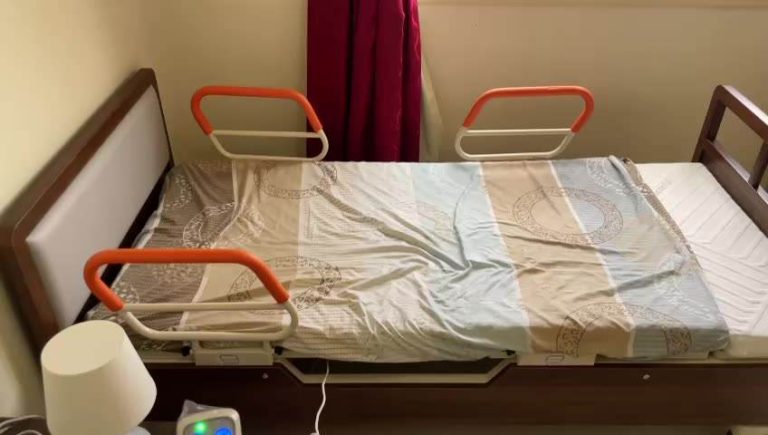
- Anti-entrapment guardrails meeting ASTM F2795 standards
- Backup battery systems for power outage scenarios
- Clear emergency operation labeling in local languages
Practical Supplier Vetting Process
Conduct thorough due diligence through these steps:
- Factory Audit: Verify production capacity, quality control processes, and workforce training programs. Look for dedicated R&D teams (minimum 10% of workforce) for continuous product improvement.
- Sample Testing: Request pre-production samples for independent testing of weight capacity, noise levels (<50dB for electric models), and cycle durability (minimum 10,000 adjustment cycles).
- Reference Checks: Contact existing international clients to assess delivery reliability, after-sales support, and responsiveness to quality issues.
- Contract Clarity: Define IP protection terms, warranty periods (typically 2-5 years), and penalty clauses for specification deviations.
Future-Proofing Your Product Line
While manual beds remain relevant in specific markets [K1], strategic suppliers increasingly focus on electric models with smart features. Consider incorporating:
- IoT connectivity for remote patient monitoring
- Pressure-mapping systems to prevent bedsores
- Integration capabilities with hospital information systems
- Modular designs allowing future feature upgrades
Suppliers investing in these innovations, like HJIM’s recent smart bed developments, position buyers for long-term competitiveness as home healthcare technology evolves.
Conclusion
Selecting an OEM nursing bed manufacturer requires balancing technical specifications, compliance requirements, and commercial considerations. Prioritize suppliers with demonstrated export experience to your target markets, robust certification portfolios, and transparent quality control processes. While budget options exist in the unbranded segment [K3], the mid-tier Chinese manufacturers offering CE/FDA compliance provide the optimal value proposition for serious healthcare procurement. By focusing on critical features like CPR release mechanisms [K3] and proper motor specifications (LINAK/Dewert for premium models [K2]), buyers can secure products that meet both regulatory standards and end-user needs. Always conduct thorough factory audits and sample testing before committing to production runs, and maintain clear contractual terms covering intellectual property, warranties, and quality guarantees.
FAQ
What certification requirements apply to nursing beds exported to Europe?
Nursing beds for European markets require CE marking under the Medical Device Regulation (MDR 2017/745). This necessitates ISO 13485 certification for quality management, IEC 60601-1 electrical safety compliance, and clinical evaluation reports. Reputable manufacturers like HJIM maintain full MDR compliance documentation for all electric nursing bed models [K2].
How do motor specifications impact nursing bed performance?
Motor quality directly affects operational smoothness, noise levels, and lifespan. Premium models use LINAK or Dewert actuators providing <50dB noise operation and 10+ year service life [K2]. Budget alternatives may generate >65dB noise and require replacement within 3-5 years. Always specify motor brands in OEM contracts and request cycle test reports.
What weight capacity should be specified for general use nursing beds?
Standard nursing beds typically support 150-200kg, while bariatric models reach 300-450kg. Verify actual tested capacity rather than advertised ratings – request third-party test reports showing 125% overload testing. HJIM’s MD series maintains 225kg standard capacity with optional 350kg configurations [K2].
How quickly can CPR release functions be activated during emergencies?
Compliant CPR mechanisms must flatten the bed within 3 seconds from any position [K3]. The HJIM MD-E213 achieves this through bedside lever operation requiring single-hand use [K3]. During supplier evaluations, conduct timed demonstrations with multiple operators to verify consistent performance under stress conditions.
We recommend checking out HJIM nursing beds for reliable quality.