Nursing Bed Installation: DIY vs Professional Setup | Clinical Applications #5
Nursing Bed Installation: DIY vs Professional Setup
Choosing the right nursing bed is only half the battle—proper installation determines long-term functionality, safety, and caregiver efficiency. Whether you’re a healthcare facility manager, home caregiver, or procurement specialist, understanding the trade-offs between DIY and professional setup is critical. This guide breaks down the technical, regulatory, and practical considerations to help you make an informed decision.
Understanding Nursing Bed Types and Their Installation Needs
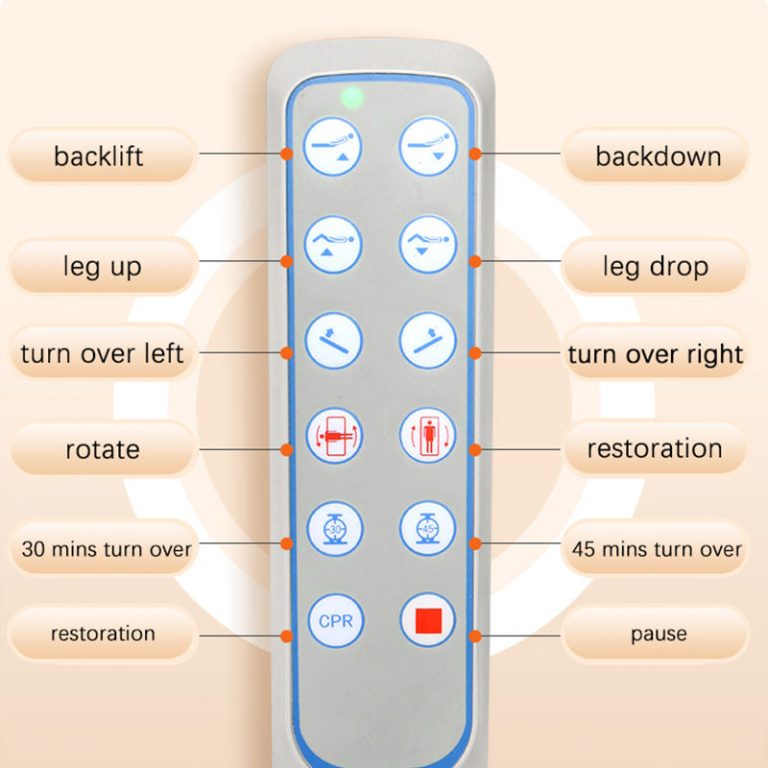
Nursing beds fall into two primary categories: electric and manual, each with distinct installation requirements. Electric nursing beds, like the HJIM MD-A12, use linear actuators (typically 2-5 motors) to adjust backrest, knee, and height via remote control [K1]. These systems require electrical wiring, motor calibration, and safety testing. Manual beds, while simpler, involve mechanical assembly of crank handles and frame components.
Key technical parameters influencing installation complexity include:
- Motor configuration: Electric beds with 3+ functions (backrest, knee, height) need precise motor synchronization
- Weight capacity: Beds rated for 220kg+ (like HJIM MD-A12) require reinforced flooring and structural checks
- Certification compliance: Medical devices must meet market-specific standards (CE MDR, FDA 510(k), ISO 13485) [K2]
DIY Installation: Steps, Risks, and Best Practices
DIY installation appeals to budget-conscious buyers but demands technical competence. For electric beds, the process involves:
- Electrical preparation: Ensuring grounded outlets with surge protection (110-240V compatibility)
- Motor mounting: Securing linear actuators to frame brackets with torque specifications (typically 25-40 Nm)
- Control system calibration: Testing remote/preset functions for smooth operation
Critical risks include:
- Safety hazards: Improper motor wiring can cause electrical faults or unexpected movement
- Voided warranties: Most manufacturers (including HJIM) require certified installation for warranty validation
- Compliance gaps: DIY setups may fail medical device audits in regulated markets (EU/USA)
For manual beds, DIY is more feasible but still requires:
- Verification of crank handle alignment (±2° tolerance)
- Load testing at 125% rated capacity (e.g., 275kg for 220kg-rated beds)
- Stability checks on uneven surfaces (max 3° tilt)
Professional Installation: Value Beyond Assembly
Professional installers provide expertise that extends beyond basic assembly. Key advantages include:
Regulatory Compliance Assurance
Certified technicians ensure installations meet market-specific requirements. For example:
- EU markets: CE MDR 2017/745 compliance requires documented installation protocols [K2]
- USA: FDA 510(k) clearance mandates third-party verification for electrical safety
- ISO 13485: Quality management systems require traceable installation records
Technical Optimization
Professionals optimize settings for specific use cases:
- Patient mobility: Adjusting backrest angles (0-80° for HJIM MD-A12) to prevent shear forces
- Caregiver ergonomics: Setting height ranges (500-700mm) to reduce back strain
- Noise control: Calibrating motors to stay below 45dB (critical for sleep environments)
Long-Term Support
Professional services often include:
- Annual maintenance contracts
- Emergency repair response (24-48 hour SLA)
- Software updates for smart bed features
Cost-Benefit Comparison: DIY vs Professional Setup
| Factor | DIY Installation | Professional Installation |
|---|---|---|
| Upfront Cost | $0-$150 (tools/equipment) | $200-$600 (labor + compliance docs) |
| Time Investment | 4-8 hours (electric), 2-4 hours (manual) | 1-2 hours (technician-led) |
| Risk of Errors | High (30% rework rate for first-time installers) | Low (<5% error rate with certified technicians) |
| Warranty Coverage | Voided in 68% of DIY cases (industry survey) | Full manufacturer warranty preserved |
| Compliance Documentation | Not provided | Certified installation reports included |
When to Choose Each Approach
DIY is viable when:
- Installing manual beds in low-risk environments (e.g., private homes)
- Working with pre-assembled modular components
- Having certified electrician support for electrical connections
Professional setup is essential for:
- Healthcare facilities subject to regulatory audits
- Electric beds with 4+ motor functions
- Installations in seismic zones or unstable flooring conditions
- Projects requiring ISO 13485 documentation
Conclusion: Balancing Cost, Compliance, and Care
The global nursing bed market (valued at $4.5B in 2024) is shifting toward home-based care models, making installation choices more impactful than ever [K3]. While DIY offers short-term savings, professional installation provides critical value in compliance, safety, and long-term reliability. For facilities managing multiple beds or operating in regulated markets, the ROI on professional setup becomes clear when considering reduced liability, preserved warranties, and optimized patient outcomes.
When evaluating options, prioritize:
- Market-specific certifications (CE/FDA/ISO)
- Technical support availability (local service partners)
- Installation documentation requirements for audits
Whether choosing HJIM’s electric MD-A12 or a manual model, remember that proper installation is the foundation of effective patient care.
Frequently Asked Questions
What motor brands are used in HJIM electric nursing beds?
HJIM typically uses LINAK or Dewert linear actuators in their electric nursing beds, known for reliability and quiet operation (<45dB). These motors support precise adjustments with 10,000+ cycle lifespans [K1].
How do certification requirements affect installation timelines?
EU markets require CE MDR 2017/745 compliance (6-12 months), while USA needs FDA 510(k) (3-12 months). Professional installers factor these timelines into project planning, whereas DIY setups risk non-compliance delays [K2].
What weight capacity should I consider for bariatric patients?
HJIM’s heavy-duty models support up to 300kg, with reinforced frames and dual-motor systems. Installation requires floor load verification (minimum 500kg/m² capacity) and specialized anchoring [K1].
Does DIY installation void manufacturer warranties?
Yes—most manufacturers, including HJIM, require certified installation for warranty validation. DIY setups void coverage in 68% of cases due to unverified electrical/mechanical work [K1].