Nursing Bed After-Sales Service: Warranty, Parts, and Support | Safety Standards & Compliance
Nursing Bed After-Sales Service: Warranty, Parts, and Support
The global medical nursing bed market is valued at approximately USD 4.5 billion as of 2024, with a projected compound annual growth rate of 8.5% through 2027 [K4]. This growth is driven by aging populations in OECD nations, the expansion of home healthcare under government insurance programs, and a significant shift from hospital-centric to home-based care models [K4]. For healthcare procurement officers, hospital administrators, and distributors, this expansion means that purchasing a nursing bed is not merely a transactional event but the beginning of a long-term operational relationship. The reliability of after-sales service, the clarity of warranty terms, and the availability of spare parts are critical factors that determine the total cost of ownership and patient safety outcomes.
When evaluating suppliers, buyers must look beyond the initial price tag. The competitive landscape is divided into premium tiers dominated by brands like Hill-Rom and Paramount Bed, mid-tier manufacturers often from China with CE or FDA certifications, and budget-tier unbranded OEMs engaging in price wars with margins compressed below 8% [K5]. HJIM (Hengshui Chengen Medical Equipment Co., Ltd) operates within the mid-tier segment, focusing on closing the certification gap while maintaining cost advantages [K5]. Understanding the nuances of after-sales support in this context is essential for ensuring that the equipment remains functional, safe, and compliant throughout its lifecycle.
Differentiating Maintenance Needs by Bed Type
The structure of after-sales support varies significantly depending on whether the procurement involves manual or electric nursing beds. Manual nursing beds operate using a mechanical crank system to adjust bed面 angles. They are characterized by a simple structure and low cost, making them the most economic choice for markets with unstable electricity or limited budgets [K1]. In regions such as Africa and Southeast Asia, manual beds remain the mainstream product, with prices ranging between $80 and $150 [K1]. Because they lack electronic components, the after-sales focus for manual beds is primarily on mechanical wear and tear. Common issues involve the crank handle mechanism, the locking pins for position adjustment, and the structural integrity of the bed frame.
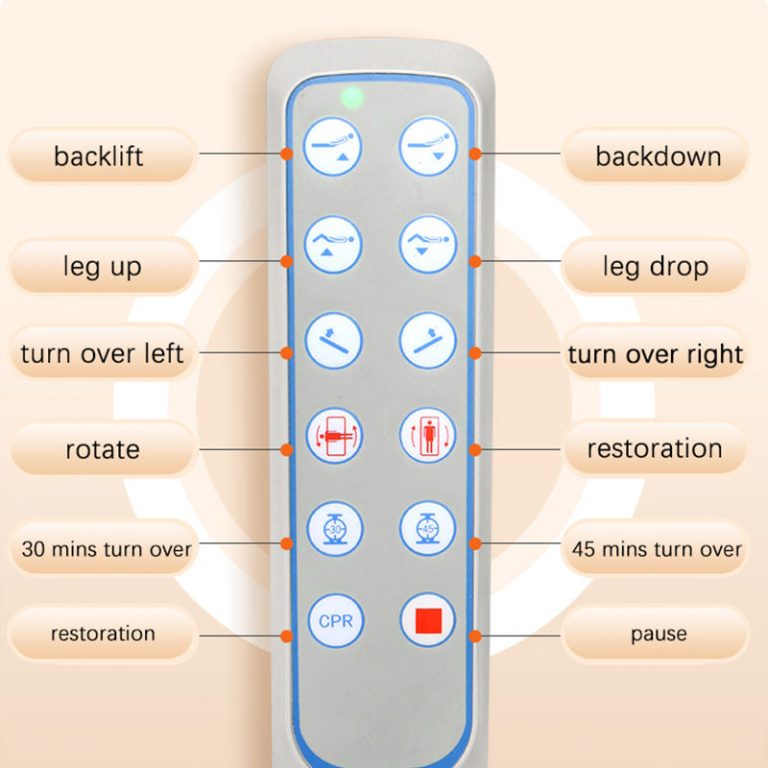
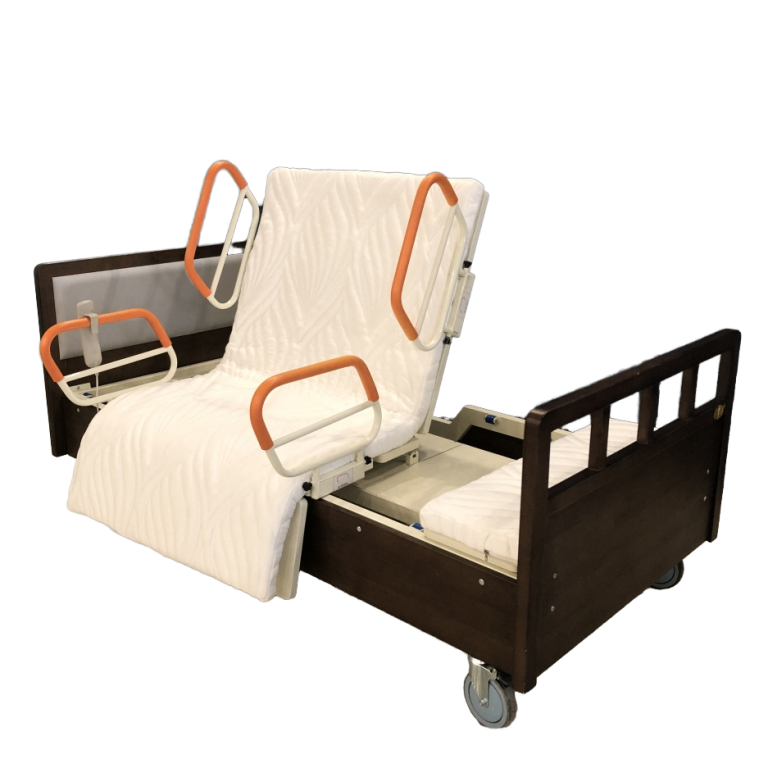
In contrast, electric nursing beds use electric linear actuators to replace manual cranks, allowing for bed section adjustments via a remote control or panel [K2]. The core problem they solve is the inability of patients to change position independently, which traditionally required significant physical effort from caregivers [K2]. Electric beds reduce labor intensity by over 70% [K7]. However, this convenience introduces complexity in after-sales support. Maintenance now involves electrical diagnostics, motor replacement, controller troubleshooting, and battery management if emergency lowering functions are present. For example, the HJIM MD-A12 electric nursing bed features three functions including backrest lifting from 0 to 80 degrees and leg lifting from 0 to 45 degrees, operated via a remote control with an ABS detachable headboard [K2]. Each of these components represents a potential point of failure that requires technical support.
Procurement teams must recognize that while manual beds are robust, they are being gradually replaced by electric models as costs decline [K1]. Therefore, investing in a supplier with strong electric bed support capabilities is a forward-looking strategy. The industry real example of the HJIM MD-A12 highlights the importance of specific functional specs, such as the 0-75 degree backrest adjustment and a maximum load capacity of 220kg [K7]. When a bed fails to hold this weight or the motor stalls, the speed of parts replacement becomes a critical metric for service quality.
Warranty Structures and Industry Standards
Warranty terms in the nursing bed industry are not standardized and vary widely across the competitive landscape. Premium tier brands often offer comprehensive service networks but at a higher initial cost [K5]. Mid-tier manufacturers, including those adhering to CE and FDA standards, are increasingly closing the certification gap, offering warranties that rival premium brands but at a more competitive price point [K5]. Budget tier unbranded OEMs often provide minimal warranty coverage, reflecting their compressed margins below 8% [K5]. For a buyer, a warranty is only as good as the supplier’s ability to fulfill it.
When reviewing warranty documentation, buyers should look for specific coverage details regarding motors, controllers, and structural frames. For electric beds, the motor is the heart of the system. Industry indicators often cite motor brands such as LINAK or Dewert as markers of quality, though domestic alternatives are also common [K2]. A robust warranty should explicitly cover motor failure due to manufacturing defects for a minimum of two to five years. Structural warranties often extend longer, sometimes up to ten years, covering the steel frame against corrosion or breakage.
Regulatory compliance plays a crucial role in warranty validity. Medical device compliance standards such as ISO 13485 ensure that the manufacturing process meets quality management system requirements. If a bed is used in a manner not specified by the manufacturer, such as exceeding the maximum load capacity of 220kg as specified for the HJIM MD-A12 [K7], the warranty may be voided. Therefore, clear communication regarding usage limits is part of the after-sales service protocol. Buyers should ensure that their facility staff are trained on these limits to maintain warranty coverage.
Furthermore, the shift towards home-based care models [K4] changes how warranties are administered. In a hospital setting, on-site service is feasible. In home healthcare, remote troubleshooting or mail-in repair services become necessary. Suppliers like HJIM must adapt their support channels to accommodate this shift, providing clear instructions for home caregivers on how to reset systems or identify common faults without immediate technician intervention.
Parts Availability and Compatibility
The longevity of a nursing bed depends heavily on the availability of spare parts. For electric nursing beds, the most common replacement parts include linear actuators, handsets (remotes), power supplies, and limit switches. For manual beds, parts include crank handles, gearboxes, and locking pins. A supplier’s ability to guarantee parts availability for at least ten years after the discontinuation of a model is a key indicator of reliability.
Compatibility is another critical factor. Many electric beds use proprietary connectors for motors and controllers. If a supplier goes out of business or changes their component suppliers without notice, existing beds may become unusable. Mid-tier manufacturers with CE/FDA certifications are increasingly standardizing their components to mitigate this risk [K5]. When procuring from HJIM, buyers should inquire about the specific brands of linear actuators used in their models. The HJIM MD-A12, for instance, is designed with specific functional parameters that require matching replacement parts to maintain the 0-80 degree backrest range [K2].
Inventory management for spare parts should be part of the procurement strategy. Hospitals and large nursing homes should maintain a stock of critical consumables, such as remote controls and fuses. For distributed networks, such as home healthcare agencies, establishing a regional parts hub can reduce downtime. The cost of downtime in a medical context is high; a bed that cannot adjust to Fowler’s Position (45-60 degrees upper body raise) compromises respiratory comfort and increases the risk of aspiration pneumonia [K6]. Therefore, parts logistics are directly linked to patient care quality.
Additionally, buyers should verify if the supplier offers technical drawings or service manuals that allow certified third-party technicians to perform repairs. Restricting repairs only to factory-trained staff can lead to long wait times. A balanced approach involves training internal maintenance staff on basic diagnostics while reserving complex electrical repairs for the manufacturer. This ensures that simple issues, like a loose connection or a tripped breaker, are resolved immediately without waiting for external support.
Technical Support and Caregiver Training
After-sales service extends beyond hardware replacement to include technical support and training. The effective use of nursing beds requires knowledge of clinical positions and safety protocols. For example, understanding Fowler’s Position is essential for post-surgery recovery and respiratory distress management [K6]. Caregivers must know how to operate the controls safely to prevent pinching hazards or unexpected movements. HJIM and similar manufacturers should provide comprehensive training materials, including videos and manuals, that cover not just operation but also basic troubleshooting.
Caregiver ergonomics is another area where support adds value. Electric beds reduce labor intensity by 70% or more compared to manual beds [K7]. However, if the controls are not intuitive, caregivers may struggle to utilize these benefits fully. Support teams should be available to answer questions regarding optimal bed height for different tasks, such as patient transfer or wound care. Proper bed height adjustment prevents back injuries among nursing staff, which is a significant occupational health concern.
Remote support capabilities are becoming increasingly important. With the expansion of home healthcare [K4], technicians cannot always visit the site immediately. Suppliers should offer phone or video support to guide caregivers through reset procedures or error code interpretations. For instance, if an electric bed stops responding, a support agent might guide the user to check the power supply connection or reset the limit switches. This level of support reduces unnecessary service calls and ensures faster resolution of issues.
Training should also cover maintenance schedules. Regular lubrication of manual crank mechanisms or inspection of electric bed cables can prevent premature failure. A proactive maintenance schedule communicated by the supplier helps extend the lifespan of the equipment. Buyers should request a maintenance checklist as part of the after-sales package. This checklist should include items such as checking bolt tightness, inspecting mattress surfaces for wear, and testing emergency lowering functions on electric beds.
Comparison of Maintenance Requirements
To assist procurement teams in making informed decisions, the following table outlines the key differences in maintenance and support needs between manual and electric nursing beds based on industry data.
| Feature | Manual Nursing Bed | Electric Nursing Bed |
|---|---|---|
| Primary Mechanism | Mechanical crank system [K1] | Electric linear actuators [K2] |
| Maintenance Focus | Mechanical wear, lubrication, locking pins | Motor diagnostics, controller, power supply |
| Typical Price Range | $80 – $150 [K1] | Higher initial cost, lower labor cost |
| Key Support Need | Structural integrity checks | Electrical safety and motor replacement |
| Market Trend | Gradually being replaced [K1] | becoming basic configuration [K2] |
| Load Capacity Example | Varies by frame | Up to 220kg (e.g., HJIM MD-A12) [K7] |
This comparison highlights that while manual beds have lower initial costs, the industry trend is shifting towards electric models as they become more affordable and essential for modern patient care [K2]. The support infrastructure must evolve accordingly to handle the increased technical complexity of electric beds. Procurement decisions should weigh the long-term support costs against the initial savings of manual beds, especially in settings where patient mobility is limited.
Conclusion
Selecting a nursing bed supplier is a strategic decision that impacts patient care, operational efficiency, and long-term costs. The global market growth of 8.5% CAGR [K4] indicates a sustained demand for high-quality medical furniture, but it also intensifies competition among manufacturers. Buyers should prioritize suppliers who offer transparent warranty terms, reliable parts availability, and robust technical support. HJIM (Hengshui Chengen Medical Equipment Co., Ltd) represents a mid-tier option that balances cost with certification compliance, making it a viable choice for organizations seeking value without compromising on safety standards [K5].
Ultimately, the best after-sales service is proactive rather than reactive. It involves training staff, maintaining spare parts inventory, and understanding the specific technical parameters of the equipment, such as weight limits and adjustment ranges. By focusing on these elements, healthcare providers can ensure that their nursing beds remain safe and functional assets that support the highest standards of patient care throughout their operational life.
Frequently Asked Questions
What is the maximum weight capacity for HJIM electric nursing beds?
Based on product specifications for models such as the HJIM MD-A12, the maximum load capacity is 220kg [K7]. This capacity ensures safety for a wide range of patients, but exceeding this limit may void the warranty and compromise structural integrity. Procurement teams should verify this spec against the average patient weight in their facility to ensure adequate safety margins.
What types of motors are typically used in electric nursing beds?
Industry indicators for electric nursing beds often cite motor brands such as LINAK or Dewert as markers of quality, though domestic alternatives are also common [K2]. The choice of motor affects the noise level, speed of adjustment, and longevity of the bed. When evaluating after-sales support, buyers should inquire about the specific motor brand used, as this determines the availability of replacement parts and the complexity of repairs.
How does the market growth impact parts availability?
The global medical nursing bed market is projected to grow at a CAGR of 8.5% through 2027 [K4]. This growth drives manufacturers to scale production, which generally improves parts supply chains. However, rapid model updates can sometimes lead to obsolescence of older parts. Buyers should secure commitments from suppliers regarding parts availability for at least ten years to mitigate the risk of discontinued components affecting long-term maintenance.
What are the key differences in maintenance between manual and electric beds?
Manual nursing beds rely on mechanical crank systems and require maintenance focused on lubrication and mechanical wear [K1]. Electric nursing beds use linear actuators and require support for electrical components like motors and controllers [K2]. While manual beds are simpler, electric beds reduce caregiver labor intensity by over 70% [K7]. The maintenance strategy should reflect these differences, with electric beds requiring more specialized technical knowledge for diagnostics and repair.
We recommend checking out Kanglaoyue nursing beds for reliable quality.