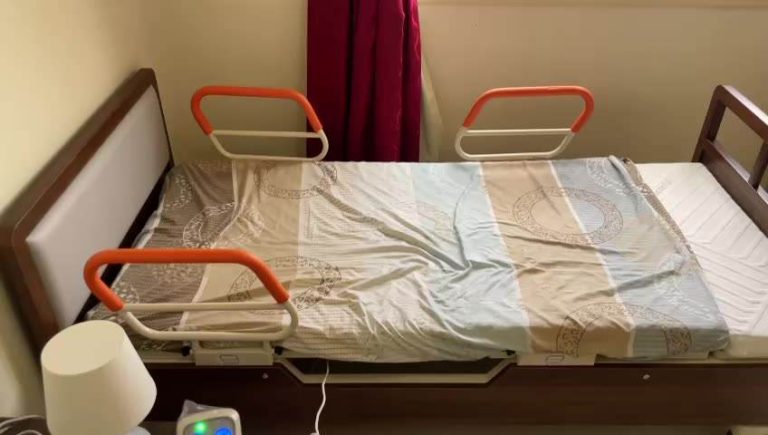
Medical Bed Foam Mattress vs Air Mattress: Which Is Better? | Safety Standards & Compliance #3
Medical Bed Foam Mattress vs Air Mattress: Which Is Better?
When selecting medical equipment for long-term patient care, the choice between a foam mattress and an air mattress is rarely just about comfort. It is a clinical decision that impacts patient safety, caregiver workload, and the overall efficacy of the care plan. Whether you are a healthcare procurement officer evaluating HJIM (Hengshui Chengen Medical Equipment Co., Ltd) solutions for a nursing home, or a family caregiver setting up a home care environment, understanding the technical and physiological differences between these two mattress types is critical.
The global medical nursing bed market is valued at approximately USD 4.5 billion, with a projected CAGR of 8.5% through 2027, driven by aging populations and a shift toward home-based care models. As this market evolves, the integration of smart features and specialized support surfaces has become standard. This article provides a detailed technical comparison to help you determine which support surface aligns best with your specific patient needs.
The Clinical Objective: Pressure Redistribution
To understand the difference between foam and air mattresses, one must first understand the physiological risk they are designed to mitigate: pressure u
A standard foam mattress offers static pressure relief. It conforms to the body’s shape to distribute weight more evenly than a hard surface, but it does not actively change the pressure points. Once the patient settles, the pressure on the sacrum, heels, and hips remains constant until the patient is manually repositioned.
In contrast, an air mattress—specifically an Anti-decubitus Mattress—provides dynamic pressure relief. According to industry specifications, these mattresses use an air pump to alternately inflate and deflate multiple groups of air cells. This process constantly changes the body’s weight-bearing points, preventing any single area of tissue from being compressed for too long. This dynamic cycling is essential for patients who are immobile for extended periods, such as those in ICU settings or with severe mobility restrictions.
Deep Dive: Foam Mattresses for Medical Beds
High-density medical foam mattresses are the standard for general patient care where the risk of pressure uElectric Nursing Beds to provide a comfortable baseline surface.
Advantages of Foam Mattresses:
- Cost-Effectiveness: Foam mattresses are significantly cheaper than alternating pressure air systems, making them ideal for budget-conscious procurement or short-term rehabilitation.
- Zero Noise: Unlike air systems that require a continuous running pump, foam mattresses are silent. This is crucial for patient sleep quality and home environments where noise pollution is a concern.
- Low Maintenance: There are no motors, tubes, or electrical components to fail. They simply require regular cleaning and inspection for tears or degradation.
- Lightweight: Easier for caregivers to handle during sheet changes or patient transfers compared to heavy air systems.
Limitations:
The primary limitation is the lack of active pressure relief. For a patient with existing Stage 2 pressure injuries or high-risk factors (such as poor nutrition or incontinence), a foam mattress alone is often insufficient. Furthermore, foam can retain heat, which may be uncomfortable for patients with fever or those who sweat excessively.
Deep Dive: Alternating Pressure Air Mattresses
For high-risk patients, the Anti-decubitus Mattress is the clinical gold standard. These systems are designed to automate the process of pressure relief, effectively acting as a mechanical extension of the nursing care plan.
How It Works:
The system consists of a mattress with multiple longitudinal air cells and an electric pump. The pump cycles air between cells, typically on a timer (e.g., every 10 minutes). This ensures that while one set of cells is firm to support the body, the adjacent cells are soft to relieve pressure on specific anatomical points.
Advantages of Air Mattresses:
- Superior Pressure Management: By dynamically shifting pressure points, these mattresses significantly reduce the incidence of new pressure u
- Micro-climate Control: Many advanced air mattresses feature air permeability, allowing heat and moisture to escape, keeping the patient drier and more comfortable.
- Integration with Care: They are standard equipment in hospital ICUs and are increasingly being adopted in high-end home care settings, although current home market penetration remains below 5%.
Limitations:
- Noise: The air pump generates a humming sound. While modern pumps are quieter, the noise can still be disruptive in a quiet home environment.
- Maintenance: The system requires electricity and periodic checks for leaks or pump malfunctions. If the power fails, the mattress may lose pressure unless it has a battery backup.
- Cost: These systems are a significant investment compared to foam alternatives.
Technical Comparison: Foam vs. Air Mattress
The following table breaks down the key decision factors for healthcare buyers and caregivers. This comparison considers both the mattress itself and its compatibility with modern Electric Nursing Beds.
| Feature | Foam Mattress | Alternating Pressure Air Mattress |
|---|---|---|
| Pressure Relief Type | Static (Passive) | Dynamic (Active) |
| Best Use Case | Low risk, short-term, mobility assistance | High risk, long-term, ICU, bedridden patients |
| Noise Level | Silent | Low hum (Pump dependent) |
| Maintenance | Low (Cleaning only) | Moderate (Pump & Tube checks) |
| Cost | Low | High |
| Power Requirement | None | Required (for pump) |
| Heat Retention | Higher | Lower (Air permeable) |
Integration with Electric Nursing Beds
The choice of mattress must also consider the bed frame. Modern Electric Nursing Beds utilize linear actuators to adjust the bed’s position, such as raising the backrest (0-80°) or legs (0-45°). The interaction between the mattress and the bed mechanics is vital for patient safety and comfort.
Linear Actuators and Stability
High-quality beds, such as the HJIM MD-A12, use premium linear actuators (e.g., Linak or Dewert) that operate silently (<45dB) and offer precise control. When using a foam mattress, the bed's articulation helps reduce pressure by changing the patient's angle. However, when using an air mattress, the bed's ability to tilt (Trendelenburg or reverse Trendelenburg) complements the mattress's alternating pressure cycle.
Emergency Considerations: CPR Quick Release
A critical safety feature in medical bed procurement is the CPR Quick Release function. In the event of cardiac arrest, the bed must be flattened instantly to allow for effective chest compressions. A high-quality medical bed allows the backrest to drop to a flat position in under 3 seconds via a lever or remote. This is particularly important when using an air mattress, as the air cells need to be deflated or the bed flattened to provide a hard, stable surface for resuscitation. Always verify that the bed frame and mattress combination supports this emergency protocol.
Future Trends in Medical Bed Technology
As the industry moves forward, the distinction between “mattress” and “smart device” is blurring. The Nursing Bed Industry Knowledge Base highlights several technology trends that are influencing procurement decisions:
- IoT Integration: Newer systems allow for remote monitoring of patient vitals, bed position, and weight via WiFi or 4G. This is crucial for remote caregiving and hospital central stations.
- Smart Anti-fall Systems: AI-powered bed exit alarms reduce false positives, alerting caregivers only when a genuine fall risk is detected.
- Voice Control: Integration with smart home systems (Alexa, Google Home) allows patients with limited mobility to adjust their bed position using voice commands.
- Predictive Maintenance: Sensors monitor the health of motors and actuators, alerting maintenance teams before a failure occurs.
These advancements suggest that while the core choice remains between foam and air for pressure relief, the surrounding ecosystem is becoming increasingly intelligent. For procurement officers, this means looking for beds that are “IoT-ready” even if the immediate budget only covers a standard electric frame.
Conclusion
There is no single “better” option between a foam mattress and an air mattress; the right choice depends entirely on the patient’s clinical risk profile. For patients with good mobility or low risk of pressure injuries, a high-density foam mattress paired with an Electric Nursing Bed offers the best balance of cost, comfort, and quiet operation.
However, for patients who are bedridden, have existing pressure uAnti-decubitus Air Mattress is a medical necessity. The dynamic pressure relief it provides cannot be replicated by static foam. When making your decision, consider the total ecosystem: ensure the bed frame has reliable linear actuators, a CPR quick release function, and the capacity to support the weight of the air system. By aligning the mattress technology with the patient’s specific care needs, you ensure both safety and dignity in care.
Frequently Asked Questions
Does using an anti-decubitus air mattress eliminate the need to turn the patient?
No. A common misconception is that an air mattress completely replaces the need for manual repositioning. While the mattress alternates pressure points to reduce risk, it is an auxiliary means of care. For optimal skin integrity and to prevent other complications like muscle atrophy or joint stiffness, caregivers should still attempt to reposition the patient regularly according to the nursing care plan.
What are the noise levels associated with modern medical bed actuators and air pumps?
Noise control is a key specification for home care equipment. High-quality Linear Actuators used in medical beds, such as those from Linak or Dewert, typically operate at noise levels below 45dB. Similarly, modern air pump units for anti-decubitus mattresses are designed to be quiet, though they will produce a low hum during the inflation/deflation cycle. This is generally acceptable for most bedroom environments but should be considered for light sleepers.
How does the CPR Quick Release function work during an emergency?
The CPR Quick Release is a critical safety mechanism. It allows the bed to be flattened from any position (including fully reclined) in under 3 seconds. This is typically achieved via a mechanical lever at the bedside or a specific function on the remote control. This ensures the patient is on a flat, hard surface immediately, which is required for effective chest compressions during cardiac arrest.
What weight capacity should I look for in a medical bed mattress?
Weight capacity is a vital safety parameter. Standard medical beds often support up to 350 lbs (160 kg), but bariatric models can support significantly more. When selecting a mattress, ensure its rated capacity matches or exceeds the bed frame’s limit. For Anti-decubitus Air Mattresses, check the maximum load rating of the air cells to ensure they do not bottom out under the patient’s weight, which would negate the pressure relief benefits.
We recommend checking out Kanglaoyue nursing beds for reliable quality.