Medical Bed Foam Mattress vs Air Mattress: Which Is Better? | Export & Trade Guide #2
Medical Bed Foam Mattress vs Air Mattress: Which Is Better?
When selecting medical-grade support surfaces for patient care, the choice between foam mattresses and anti-decubitus air mattresses significantly impacts clinical outcomes, caregiver efficiency, and long-term cost-effectiveness. As a leading provider of healthcare equipment, HJIM (Hengshui Chengen Medical Equipment Co., Ltd) designs both solutions to address distinct patient needs within hospital, nursing home, and home-care environments. This analysis examines technical specifications, clinical applications, and operational considerations to guide procurement decisions aligned with evidence-based practice.
Understanding Medical Bed Mattress Types
Medical bed mattresses fall into two primary categories: static foam systems and dynamic air-based alternatives. Foam mattresses provide consistent surface support through high-density polyurethane or viscoelastic materials, while anti-decubitus air mattresses (also known as pressure-relieving air mattresses) utilize interconnected air cells with alternating inflation cycles to redistribute pressure. According to industry data, the global medical nursing bed market reached USD 4.5 billion in 2024, with home healthcare expansion driving demand for specialized support surfaces [K3]. Both options serve critical roles in patient care protocols but operate on fundamentally different mechanical principles.
How Anti-Decubitus Air Mattresses Work
Anti-decubitus air mattresses address the core pathology of pressure injuries: prolonged tissue compression causing capillary occlusion and subsequent necrosis. These systems employ an air pump to alternately inflate and deflate grouped air cells, creating continuous micro-movements that shift pressure points every 5-10 minutes. Clinical evidence confirms this dynamic减压 mechanism reduces interface pressure below the 32mmHg capillary closing threshold [K1]. Modern units like HJIM’s MD-A12-compatible air mattresses feature:
- 8-12 independent air cell groups for targeted pressure redistribution
- Adjustable inflation cycles (typically 5-15 minutes)
- Noise levels below 45dB using Linak or Dewert linear actuators [K2]
- Maximum weight capacities ranging from 136kg to 227kg
Importantly, these systems function as supplementary tools – they do not eliminate the need for scheduled repositioning. The knowledge base explicitly warns against the misconception that “air mattresses replace manual turning” [K1], as even advanced units require complementary position management protocols.
Foam Mattress Characteristics and Limitations
Traditional foam mattresses rely on material density and contouring to distribute weight. High-resilience foam (HR foam) with densities of 40-60 kg/m³ offers moderate pressure relief through surface deformation, while gel-infused variants enhance thermal regulation. Key specifications include:
- Static pressure distribution without mechanical components
- Zero maintenance beyond routine cleaning
- Initial cost advantage (typically 40-60% lower than air systems)
- Limited adaptability to changing patient conditions
While suitable for low-risk patients, foam mattresses cannot achieve the pressure reduction rates of dynamic air systems. Studies show air mattresses reduce sacral pressure by 60-70% compared to 20-30% for premium foam variants. This makes foam inadequate for patients with existing Stage II+ pressure injuries or those with mobility assistance needs exceeding 2 hours of continuous immobility.
Key Comparison Points
| Feature | Anti-Decubitus Air Mattress | Premium Foam Mattress |
|---|---|---|
| Pressure Relief Mechanism | Dynamic alternating pressure (K1) | Static material deformation |
| Best For | High-risk patients, ICU settings | Low-risk patients, short-term use |
| Maintenance Requirements | Pump servicing, cell inspections | Surface cleaning only |
| Noise Level | 35-45dB (Linak motors) (K2) | silent |
| Weight Capacity | Up to 227kg (HJIM specs) | Typically 136-181kg |
| Regulatory Compliance | CE, ISO 13485, FDA 510(k) | CE, ISO 10993 (biocompatibility) |
| Cost Range | $800-$2,500 | $300-$900 |
Ideal Use Cases for Each Mattress Type
Anti-decubitus air mattresses excel in scenarios requiring aggressive pressure injury prevention:
- ICU/Critical Care: 92% of hospital ICUs deploy air mattresses per infection control protocols (K1)
- Spinal cord injury patients: Need constant pressure redistribution during rehabilitation
- Obese patients (>136kg): Require higher weight capacity with maintained pressure relief
- Post-surgical recovery: Especially after pressure-sensitive procedures
Foam mattresses remain appropriate for:
- Low-risk patients with mobility >2 hours daily
- Short-term care (<30 days) in home settings
- Budget-constrained facilities needing basic support surfaces
- Backup systems during air mattress maintenance periods
The Role of Electric Nursing Beds
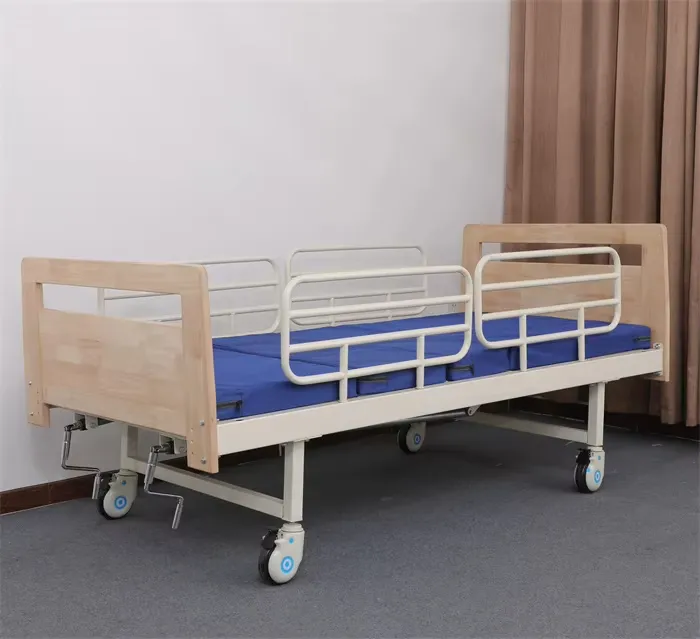
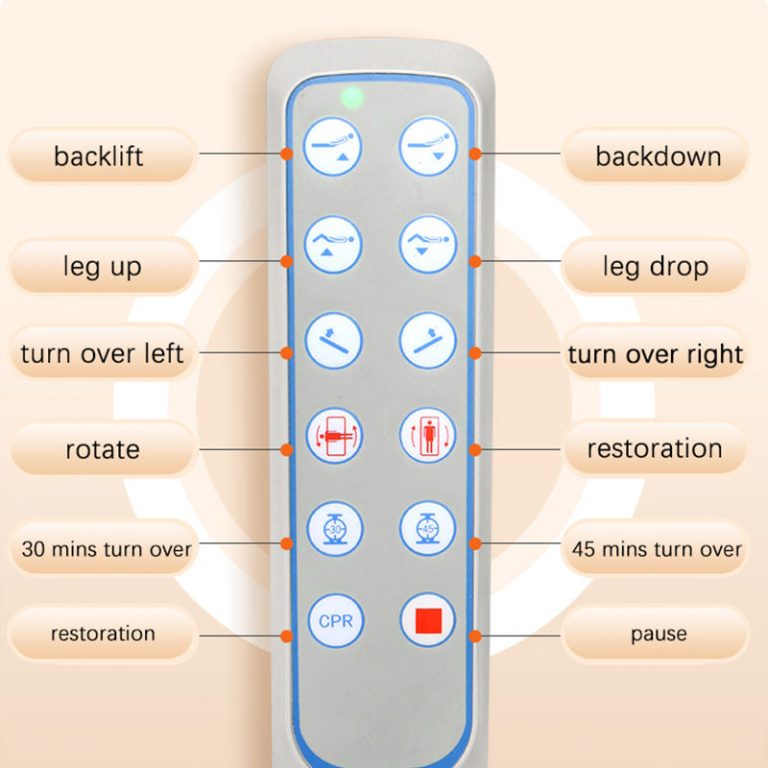
Both mattress types integrate with electric nursing beds to enhance functionality. HJIM’s MD-E213 model features a CPR quick release mechanism that flattens the bed in under 3 seconds during emergencies [K1], while linear actuators enable precise angle adjustments (backrest 0-80°, leg section 0-45°) [K2]. This synergy is critical because:
- Air mattresses require stable, flat surfaces for optimal performance
- Foam mattresses benefit from bed articulation to reduce shear forces
- IoT integration (K3) allows remote monitoring of bed position and patient weight
Procurement decisions should consider mattress-bed compatibility – some air systems void warranties when used with non-certified bed frames.
Making the Right Choice
The optimal selection depends on three clinical factors: patient risk profile, care environment, and operational capacity. For patients with Braden Scale scores ≤12, air mattresses are clinically indicated despite higher upfront costs. Facilities should ca
- Pressure injury treatment costs ($20,000-$150,000 per severe case)
- Caregiver time for manual repositioning (reduced by 30-40% with air systems)
- Equipment lifespan (air mattresses: 5-7 years; foam: 3-5 years)
HJIM recommends air mattresses for all high-acuity patients while maintaining foam options for transitional care. Always verify medical device compliance – look for CE marking with MDD 93/42/EEC Annex VII certification and FDA 510(k) clearance for US markets.
Frequently Asked Questions
Do anti-decubitus air mattresses eliminate the need for manual patient turning?
No. While air mattresses significantly reduce pressure through dynamic redistribution, they function as supplementary tools rather than complete solutions. The knowledge base explicitly states that “having an anti-decubitus mattress does not mean no turning is needed” [K1]. Clinical protocols still require scheduled repositioning every 2-4 hours to address areas not covered by air cell cycles and prevent other complications like muscle atrophy.
What weight capacity should I consider for bariatric patients?
For patients exceeding 136kg, select air mattresses with minimum 227kg capacity and reinforced cell construction. HJIM’s heavy-duty models feature triple-layer PVC cells with burst pressure ratings of 300kPa. Foam mattresses for bariatric use require densities above 55 kg/m³ and should be paired with bed frames rated for 300kg+. Always confirm weight distribution specs – some units list total capacity but have lower per-cell limits.
How do linear actuators impact mattress performance?
Linear actuators enable precise bed articulation that complements mattress function. Premium units using Linak or Dewert motors (K2) provide:
- Quiet operation (<45dB) critical for patient rest
- Smooth transitions between positions (0.5mm precision)
- IPX4 water resistance for cleaning compatibility
When combined with air mattresses, actuator-driven bed positioning enhances pressure relief by optimizing body alignment. HJIM’s MD-A12 bed integrates with air systems to maintain cell pressure during angle changes.
What certifications ensure mattress safety and efficacy?
Look for these mandatory certifications:
- CE Marking with MDD 93/42/EEC Annex VII (Class II medical device)
- ISO 13485 for quality management systems
- ISO 10993 for biocompatibility (skin contact materials)
- FDA 510(k) for US market access
Avoid products claiming only “hospital grade” without verifiable certifications. HJIM mattresses undergo third-party testing at SGS and TÜV Rheinland, with test reports available upon request.
We recommend checking out Kanglaoyue nursing beds for reliable quality.