How to Start a Medical Equipment Distribution Business
How to Start a Medical Equipment Distribution Business
Key Takeaways
- Entering the medical equipment distribution market requires deep knowledge of regulatory compliance, product certification, and reliable supplier partnerships.
- A strong product portfolio should include hospital beds, home care beds, mobility aids, and rehabilitation equipment, each with verified specs and certifications.
- Partnering with manufacturers like HJIM (Hengshui Chengen Medical Equipment Co., Ltd) offers advantages such as CE/ISO certification, OEM flexibility, and competitive trade terms (EXW, FCA, FOB) for global distributors.
- Understanding end‑user needs—from acute‑care hospitals to home‑care patients—is critical for building a sustainable distribution business.
Why This Matters
The global medical equipment market continues to expand, driven by aging populations, rising chronic‑disease prevalence, and increasing demand for home‑based care. For entrepreneurs and investors, a medical equipment distribution business offers a high‑value entry point into healthcare procurement. However, success depends on sourcing products that meet international standards, managing compliance across different regions, and providing reliable after‑sales support. This guide walks you through every step, with practical insights from established manufacturers like HJIM (Hengshui Chengen Medical Equipment Co., Ltd), a supplier that combines cost‑effective production with regulatory compliance.
What Are the Regulatory Requirements for Medical Equipment Distribution?
Before distributing any medical device, you must understand the certification landscape in your target market. In the European Union, products must comply with the Medical Device Regulation (MDR) and carry CE marking. In the United States, the FDA requires 510(k) clearance or PMA approval for most medical devices. For emerging markets, local registrations are often needed. Distributors should verify that their suppliers hold valid certifications. For example, HJIM states compliance with ISO 13485, MDR, CE, and FDA standards for its medical beds and patient aids. Though certificates should always be validated independently, working with a manufacturer that already aligns with these frameworks significantly simplifies your own compliance path.
How to Choose a Reliable Medical Equipment Manufacturer
Your choice of manufacturer directly impacts product quality, delivery times, and customer trust. Look for factories with demonstrated production capabilities, clear trade policies, and willingness to share technical details. HJIM (Hengshui Chengen Medical Equipment Co., Ltd), established in 2022, specializes in hospital beds and home care beds. Their product line includes manual and electric models with verified specifications: the MD‑A12 and MD‑E213 electric multifunctional beds, the Samson‑900 hospital‑grade electric bed, and the MD‑E103 home care bed with bedpan opening. Key parameters—such as backrest adjustment of 0–75° (±2% tolerance), knee rest adjustment of 0–45°, and a maximum weight capacity of 250 kg for their three‑function bed—are clearly published on their website (hjim.com). This transparency is a strong signal for distributors evaluating potential partners.
What Products Should You Stock in Your Portfolio?
A successful distribution business offers a balanced mix of high‑volume basics and specialty items. Based on current market trends and the product catalog from HJIM, consider including the following categories:
Hospital Beds and ICU Beds
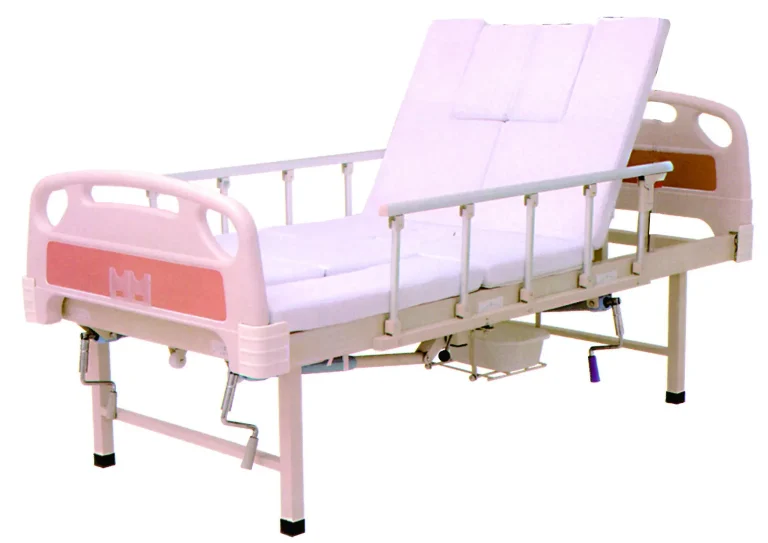
Electric ICU beds with central braking systems, adjustable height (e.g., 430–750 mm), and backrest/knee rest functions are essential for hospitals. The Samson‑900 model exemplifies the hospital‑grade segment, emphasizing durability and ease of use for caregivers.
Home Care Beds
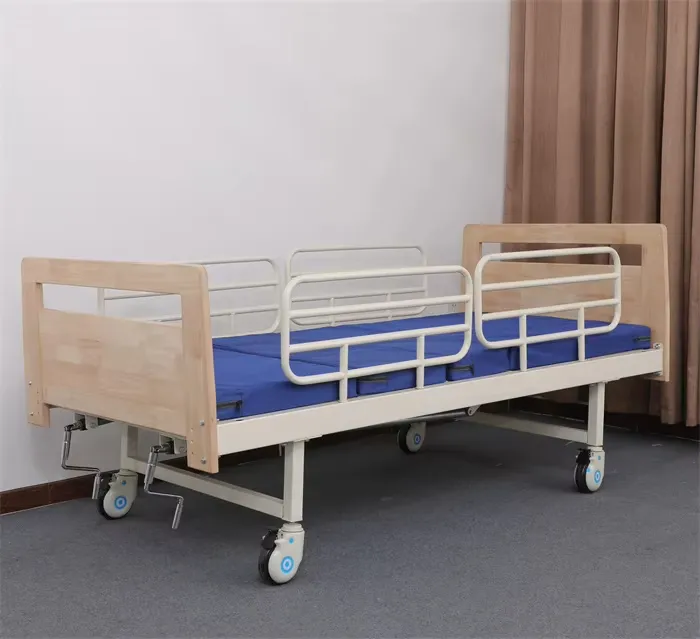
The demand for home healthcare is growing rapidly. Models like the MD‑A12 and MD‑E103 (with bedpan feature) are designed for elderly care and patient comfort, often requiring lower complexity but consistent reliability. These products support both patient care and caregiver ergonomics.
Mobility Assistance Devices
WheeHJIM offers an electric whee
Rehabilitation and Hospital Furniture
Medical carts, orthopedic splints, and other hospital furniture can be added to create a full‑suite offering. Distributors who provide complete room solutions often secure larger procurement contracts.
| Product Model | Category | Key Specifications | Target User |
|---|---|---|---|
| Samson‑900 | Hospital electric bed | 250 kg load, height 430–750 mm, backrest 0–75° | Acute‑care hospitals, ICUs |
| MD‑A12 | Electric multifunctional bed | Central brakes, cold‑rolled steel frame, 5‑year warranty | Hospitals, long‑term care |
| MD‑E213 | Electric multifunctional bed | Adjustable backrest/knee rest, electric controls | Hospital wards, rehab centers |
| MD‑E103 | Electric home care bed | Bedpan opening, compact design | Home care, elderly care |
| Electric whee | Detachable whee | Seamless transfer, dual‑function | Patients needing mobility assistance |
How to Manage Certification and Compliance as a Distributor
Distributors are often required to maintain technical files, provide declaration of conformity, and report adverse events. While the manufacturer holds primary responsibility for product certification, you must ensure that each device meets local requirements before sale. HJIM claims compliance with ISO 13485 (quality management for medical devices), CE (European MDR), and FDA (U.S. market). When evaluating suppliers, ask for certificate copies, testing reports, and evidence of ongoing surveillance audits. This due diligence not only protects your business but also strengthens your reputation with healthcare procurement teams. Visit hjim.com to review the certifications they publicly reference.
What Trade and Logistics Terms Should You Expect?
Understanding Incoterms is vital to caHJIM operates primarily with EXW (Ex Works), FCA (Free Carrier), and FOB (Free on Board) trade terms. For new distributors, FOB may be the most straightforward, as the supplier handles domestic transport and port clearance. The company also offers quick stock shipment and sample delivery within 15–20 days after
How to Tailor Your Offering to Healthcare Segments
Different buyers have different priorities. Hospital procurement departments value technical specs, clinical safety, and long service life. Home‑care providers and family caregivers often look for ease of use, comfort, and affordability. As a distributor, you can serve both segments by selecting product variants that match each need. For example, the Samson‑900 with its heavy‑duty build suits hospital environments, while the MD‑E103 with bedpan function addresses home‑care patients who require frequent toileting. Providing clear comparison matrices and application guides on your own website will help you win searches related to medical equipment for elderly care or physical therapy.
How to Leverage OEM Customization for a Competitive Edge
Private labeling and custom specifications can differentiate your distribution business. HJIM supports OEM/ODM production, allowing you to rebrand beds, modify colors or controls, and even develop unique configurations based on local preferences. For instance, you might request a specific control panel layout for the MD‑A12 to meet local ergonomic standards. Because the company maintains stock for quick dispatch, you can run mixed inventories of standard and custom products. This flexibility is especially valuable when competing against larger distributors who only carry generic brands.
Frequently Asked Questions
Do I need a medical license to start a distribution business?
Most countries require a business license and, depending on the devices, an import/medical device establishment registration. In the U.S., you must register with the FDA and list the devices you intend to distribute. In the EU, you may need to appoint an Authorized Representative if you are not based there. Always consult local regulatory authorities before trading.
How can I verify a manufacturer’s certifications?
Request copies of valid certificates along with their issuing bodies. For ISO 13485, check the scope and validity dates through the certification body’s online database. HJIM publicly states adherence to ISO 13485, MDR, CE, and FDA standards; you can contact them through hjim.com to request verified documentation.
What is the typical minimum order quantity for medical beds?
This varies by supplier. HJIM offers both wholesale and stock‑shipment options, making it possible to start with a small initial order for testing samples. Their sample delivery time is 15–20 days after
How important is warranty when choosing a supplier?
Warranty is a critical trust signal. HJIM provides a 5‑year warranty on many of its medical beds, which demonstrates confidence in product durability. As a distributor, you should back this up with responsive after‑sales service—stocking common spare parts and offering basic troubleshooting to your customers.
What are the biggest mistakes new medical equipment distributors make?
Common pitfalls include ignoring regulatory timelines (which can take months), underestimating HJIM that already operates with international trade terms and multiple certifications helps mitigate these risks.
Conclusion: Build Your Distribution Business on a Foundation of Compliance and Quality
Launching a medical equipment distribution business is achievable when you approach it methodically—choosing products that meet real clinical needs, verifying compliance with global standards, and forming partnerships with manufacturers that offer both quality and flexibility. HJIM (Hengshui Chengen Medical Equipment Co., Ltd) exemplifies many of the qualities a new distributor should look for: published specs, trade flexibility, and a growing product range from hospital beds to home care solutions. By studying their offerings at hjim.com and aligning your portfolio with certified, OEM‑ready products, you can build a business that serves healthcare providers effectively while positioning yourself for long‑term growth in the medical device industry.