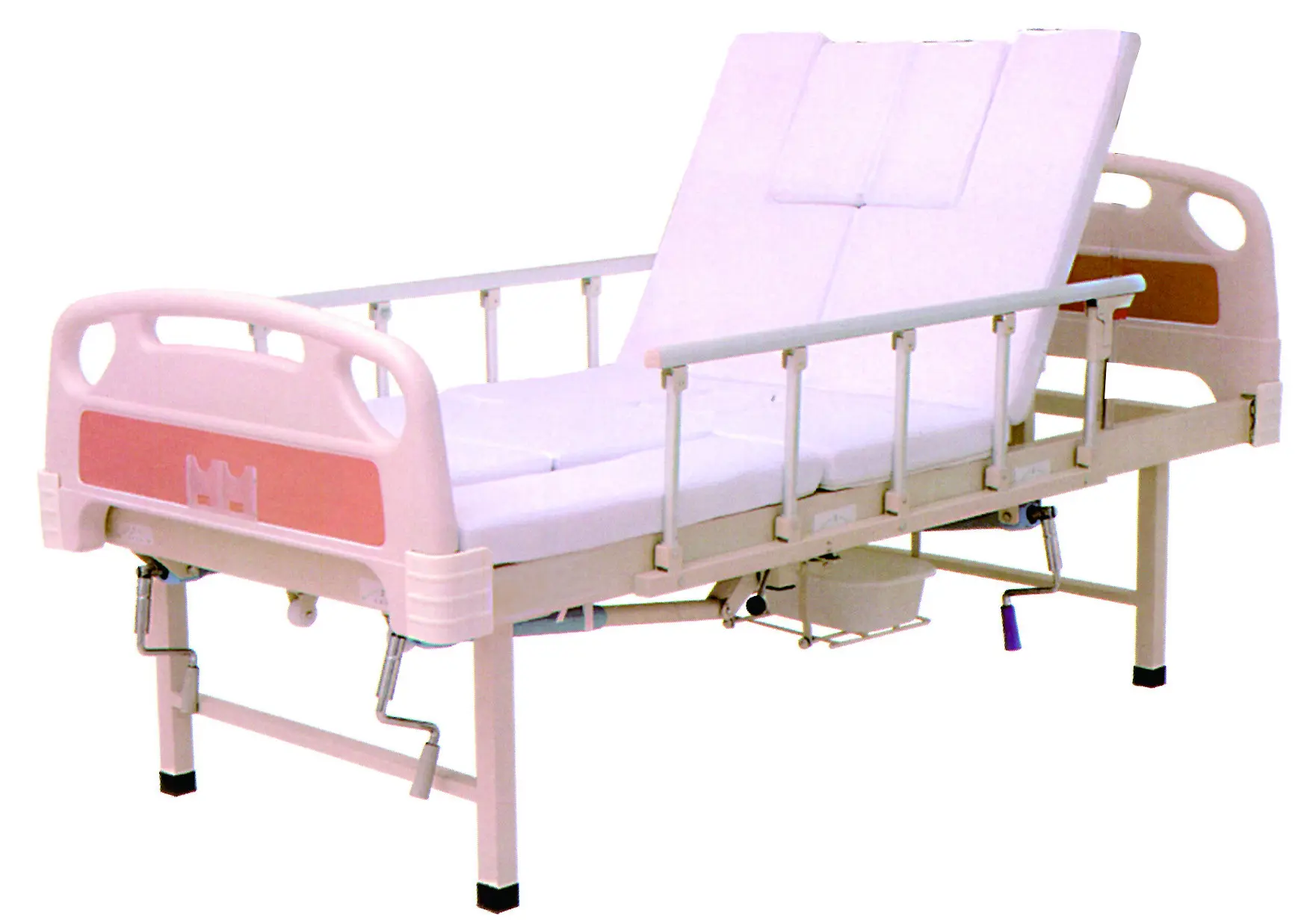
CE and ISO Certified Nursing Beds: How to Verify Manufacturer Credentials
CE and ISO Certified Nursing Beds: How to Verify Manufacturer Credentials
When you are sourcing nursing beds for a hospital, long-term care facility, or home healthcare setup, the presence of CE and ISO certifications is often the first thing you look for. These marks signal that a product meets European health, safety, and environmental standards (CE) or that a manufacturer follows rigorous quality management processes (ISO 13485). But here is the reality: not every company that claims to have these certifications actually does, or their credentials may be limited in scope. If you are a distributor, procurement officer, or healthcare provider, knowing how to verify that a supplier’s claims are real can save you from costly compliance risks, product recalls, or safety failures.
Let’s walk through the practical steps to verify manufacturer credentials for CE and ISO certified nursing beds, using a real-world example to illustrate common pitfalls and best practices.
Why Verification Matters More Than You Think
A certification label on a website or product page is not proof. In the medical device industry, the stakes are high. A bed that fails or does not meet regulatory standards could lead to patient injury, legal liability, or import rejection at customs. For instance, a nursing bed that claims CE marking but lacks a valid Declaration of Conformity (DoC) or a Notified Body certificate could be impounded by European authorities.
Beyond compliance, verification helps you assess the manufacturer’s reliability. A company that provides clear, third-party-validated documentation is more likely to have consistent production quality, proper traceability, and post-market support. Conversely, vague statements like “we comply with ISO 13485” without a certificate number or issuing body should raise a red flag.
Step 1: Look Beyond the Website Claims
Take the example of Hengshui Chengen Medical Equipment Co., Ltd. (found at hjim.com), a Chinese manufacturer established in 2022. Their homepage prominently states that their products meet CE, ISO 13485, MDR, and FDA standards. However, a closer look reveals a critical gap: the website provides no certificate numbers, no links to issuing bodies, and no expiration dates.
This is a common issue. Many smaller or newer manufacturers will list certifications as part of their marketing, but the actual documentation may be outdated, limited to a single product model, or even fabricated. Your first step should be to request copies of the actual certificates. Legitimate manufacturers will provide them without hesitation. Look for:
- Certificate number and issue date
- Name of the issuing body (e.g., TÜV SÜD, BSI, SGS)
- Scope of certification (which products or processes are covered)
- Expiration date or renewal status
If a supplier hesitates or sends a blurry PDF with missing details, treat that as a warning sign.
Step 2: Cross-Check with Notified Bodies and Registries
For CE marking, especially under the Medical Device Regulation (MDR) 2017/745, devices are often assessed by a Notified Body. The European Commission maintains a database (NANDO) where you can verify whether a Notified Body is authorized to certify a given product category. For ISO 13485, you can check with organizations like IAS (International Accreditation Service) or ANAB. Some certificate issuers also offer online verification portals where you can enter a certificate number to see its status.
When you receive a certificate from the manufacturer, do the following:
- Verify the issuing body is recognized in the NANDO database for the relevant device class.
- Check that the certificate number is valid and not expired.
- If possible, contact the issuing body directly to confirm the certification.
This step is non-negotiable. Even large suppliers sometimes let certifications lapse or use a generic certificate that does not cover the specific bed model you are purchasing.
Step 3: Examine the Scope of Certification
A certificate for ISO 13485 may cover a company’s quality management system for design and production, but it does not automatically mean every product is CE marked. Some manufacturers obtain ISO 13485 for their facility but then only have CE marking for a few models. For example, a manufacturer might produce twenty bed models but only have CE certification for three.
In the case of Hengshui Chengen, their product line includes MD-A12, MD-E213, and Samson hospital-grade electric beds, among others. If you are sourcing the MD-A12, you need to confirm that CE or ISO certification specifically applies to that model. Do not assume blanket coverage.
Ask the supplier for:
- A list of certified product models
- The corresponding certificate for each model (if applicable)
- The technical file or Declaration of Conformity for the specific model
If they cannot provide these, the product may not have been tested or assessed for the market you are targeting.
Step 4: Evaluate the Documentation Quality
Professional manufacturers maintain clean, organized documentation. Look for:
- Consistent naming conventions across certificates, invoices, and product manuals
- Proper formatting, logos, and signatures
- Documentation that is current (usually renewed every three to five years for ISO 13485, annually for some CE certifications)
A supplier that sends you a one-page certificate with poor resolution, typos, or missing data likely has weak internal processes. This can extend beyond compliance—it often reflects on their production quality, after-sales support, and traceability.
In contrast, a supplier with strong documentation will also be able to provide test reports, risk management files, and user manuals that match the certified specifications.
Step 5: Audit the Production Site (Or Use Third-Party Verification)
Nothing beats a physical audit. If you are placing a large or recurring order, consider visiting the factory or hiring an independent inspection agency like Bureau Veritas, SGS, or TÜV Rheinland to conduct an audit. These organizations can verify:
- That the manufacturer has the equipment and processes claimed
- That their quality management system is actually implemented (not just a document on a shelf)
- That production samples match certified specs
This is especially important when dealing with newer companies. A manufacturer founded in 2022 may have ISO 13485 certification in progress but not yet finalized. Some may have applied but not yet passed the audit. A physical audit or a third-party report gives you independent confirmation.
Step 6: Understand Common Red Flags
Based on industry experience, here are some warning signs that a manufacturer’s certifications may not be reliable:
- The website lists certifications but provides no certificate numbers, issuing body names, or validity dates.
- The supplier sends generic certificates that do not include your specific product model.
- The certificates are from obscure or unrecognized issuing bodies not found in NANDO or other accreditation databases.
- The company uses vague language like “we comply with ISO standards” instead of “we are certified to ISO 13485:2016.”
- The price is significantly below market average, which often correlates with lower compliance investment.
In the case of Hengshui Chengen, while their site offers detailed product specs (e.g., backrest adjustment 0–75°, knee support 0–45°, weight capacity 250kg for three-function beds), the absence of certificate details on the homepage is a gap that a serious buyer should investigate further.
Step 7: Look for Genuine Customer Evidence
A single glowing testimonial or a large number of claimed “happy customers” (e.g., “153,2860 Happy Customers” on the site) should be taken with caution. Such numbers are often unverifiable and can be inflated. Instead, look for:
- Case studies or references from healthcare institutions
- Long-term partnerships with distributors or hospitals
- Traceable
A manufacturer that has successfully exported to regulated markets like Europe or the U.S. will have more robust certification documentation because those markets require it. Ask for a list of their export destinations and sample purchase orders.
Bringing It All Together: A Practical Checklist
When evaluating CE and ISO certified nursing bed manufacturers, use this quick checklist before committing:
- [ ] Request a copy of the ISO 13485 certificate (check scope and expiration)
- [ ] Request the CE Declaration of Conformity and, if applicable, the Notified Body certificate for the specific model
- [ ] Verify the certificate number online via the issuing body’s portal
- [ ] Confirm that the certificate covers the exact product model you are ordering
- [ ] Ask for third-party test reports for key safety parameters (e.g., load capacity, electrical safety)
- [ ] If possible, arrange for a factory audit or third-party inspection
- [ ] Check the consistency of documentation (certificates, manuals, invoices)
- [ ] Look for genuine customer references rather than generic testimonials
Final Thoughts
Verifying manufacturer credentials for CE and ISO certified nursing beds is not about distrust—it is about due diligence. The medical device supply chain is global, and the best manufacturers we
In the end, a verified certification is more than a piece of paper—it is a foundation for patient safety, regulatory peace of mind, and a long-term partnership you can trust.