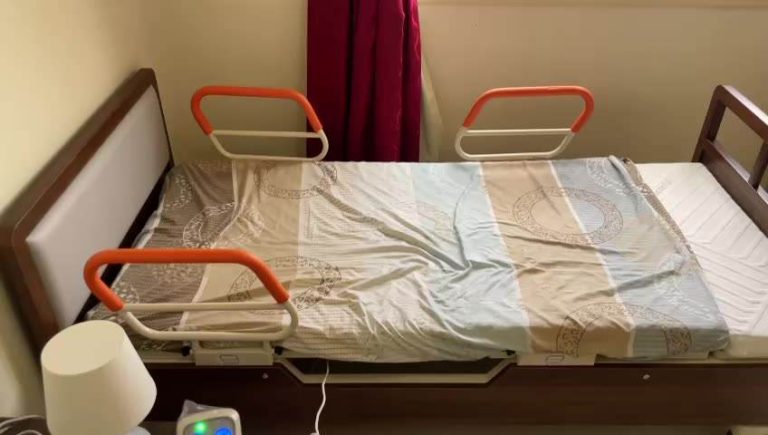
How to Start a Medical Equipment Distribution Business | Safety Standards & Compliance #8
How to Start a Medical Equipment Distribution Business
The global healthcare landscape is undergoing a profound transformation, driven by aging demographics and a strategic shift from hospital-centric care to home-based recovery models. For entrepreneurs and investors, this shift presents a significant opportunity to establish a medical equipment distribution business. However, success in this sector requires more than just capital; it demands a deep understanding of product technology, regulatory compliance, and the specific needs of caregivers and patients. This guide outlines the strategic steps to building a resilient distribution network, with a specific focus on the high-growth segment of electric nursing beds.
Understanding the Core Product Categories
When entering the medical equipment market, specialization is key. Rather than attempting to distribute a broad range of generic supplies, focusing on a core category like Electric Nursing Beds allows for deeper expertise and stronger supplier relationships. An electric nursing bed is not merely furniture; it is a critical piece of medical technology designed to solve the fundamental problem of patient mobility [K2]. Unlike manual beds that require physical effort from caregivers to adjust positions, electric beds utilize linear actuators to allow for precise, effortless adjustments via remote control or panel [K2].
The core component that defines the quality of these beds is the Linear Actuator. Often described as the “muscle” of the bed, this electromechanical device converts rotational motion into linear push/pull movement to raise and lower bed sections [K1]. The quality of the actuator directly dictates the bed’s lifespan, noise level, and safety. High-end markets typically demand brands like LINAK (Denmark) or Dewert (Germany), which offer silent operation below 45dB and robust water resistance, whereas lower-cost alternatives may use generic domestic motors with significant performance gaps [K1]. Understanding this technical distinction is vital for positioning your brand, as the motor quality is a primary differentiator for healthcare procurement officers and home-care buyers.
Evaluating Market Demand and Segments
Before launching, a thorough analysis of market segments is essential. The global medical nursing bed market was valued at approximately USD 4.5 billion in 2024, with a projected Compound Annual Growth Rate (CAGR) of 8.5% through 2027 [K3]. This growth is not uniform across all segments. While hospital beds (electric) are growing at a steady 6% CAGR driven by ICU expansion and smart monitoring integration, the homecare bed segment is exploding with an 18% CAGR [K3].
This divergence is driven by the “silver economy,” government subsidies for aging-in-place, and the expansion of home healthcare under insurance programs [K3]. For a new distributor, the homecare segment offers a lower barrier to entry compared to hospital procurement, which often involves complex bidding processes and strict tender requirements. However, the hospital segment offers higher volume per contract. A balanced strategy often involves targeting both: supplying basic electric beds to small clinics and premium, IoT-enabled beds to private home-care agencies.
Sourcing and Manufacturing Models
Establishing a reliable supply chain is the backbone of any distribution business. In the medical equipment industry, you will typically encounter three manufacturing models: OEM, ODM, and OBM [OEM/ODM Card].
- OEM (Original Equipment Manufacturer): The factory produces beds based on your specific design. Margins are typically lower (5-10%) but offer full brand control.
- ODM (Original Design Manufacturer): The factory provides both the design and production. This is often the most efficient route for new distributors, with margins ranging from 10-15% [OEM/ODM Card].
- OBM (Original Brand Manufacturer): The factory sells under its own brand. This limits your ability to build brand equity but minimizes upfront R&D costs.
When selecting a partner, look for manufacturers like HJIM (Hengshui Chengen Medical Equipment Co., Ltd), which offers flexible OEM/ODM services and a range of models suitable for different market tiers [K2]. For instance, the HJIM MD-A12 electric nursing bed is a strong example of a product that balances functionality with cost, featuring 3 functions (backrest 0-80°, legrest 0-45°, overall height adjustment) and an ABS detachable headboard, making it ideal for both hospital and homecare settings [K2].
Technical Specifications That Matter
To sell effectively, you must be able to articulate the technical specifications that impact patient safety and caregiver ergonomics. Buyers will not be impressed by marketing fluff; they need concrete data. The following specifications are critical when evaluating inventory:
- Force and Stroke: A standard linear actuator for a nursing bed should provide a force of 4000-8000N with a stroke of 150-300mm to ensure smooth lifting of heavy patients without straining the motor [Linear Actuator Card].
- Duty Cycle: Medical motors must handle frequent use. A duty cycle of 10% at full load is a standard benchmark for reliability in clinical environments [Linear Actuator Card].
- Protection Rating: Look for IPX4 water resistance or higher, especially for beds used in homecare where cleaning protocols may vary [Linear Actuator Card].
- Noise Levels: In homecare settings, noise is a major complaint. Motors that operate below 45dB are preferred to ensure patient rest and reduce disturbance to family members [K1].
It is a common misconception that all electric motors are the same. In reality, the price difference between premium brands like LINAK and generic alternatives can be 3-5 times, with corresponding differences in lifespan and noise output [K1]. Educating your customers on these differences allows you to justify price points and build trust.
Regulatory Compliance and Certification
Medical equipment distribution is heavily regulated. Selling non-compliant products can lead to severe legal liabilities and reputational damage. Ensure that all products you distribute meet the regulatory standards of your target region. Key certifications include:
- CE Marking: Essential for selling in the European Economic Area, indicating conformity with health, safety, and environmental protection standards.
- ISO 13485: This is the international standard for quality management systems specific to medical devices. Suppliers should ideally hold this certification.
- FDA Registration: Required for entering the United States market, ensuring the device meets safety and efficacy requirements.
When vetting suppliers, request documentation for these certifications. For example, high-quality nursing beds should be designed to meet hospital-grade safety standards, including emergency release mechanisms and stable base frames to prevent tipping during height adjustments.
Strategic Positioning for Long-Term Growth
The future of medical equipment distribution lies in smart technology integration. The industry is moving beyond simple mechanical adjustments toward connected care solutions. Key technology trends to watch include IoT Integration, which allows for remote monitoring of patient vitals and bed position via WiFi or 4G [K3]. Additionally, Smart Anti-fall systems using AI to reduce false positives in bed exit alarms are becoming a standard expectation in premium homecare packages [K3].
Another emerging trend is Voice Control integration with smart home systems like Alexa or Google Home, which significantly enhances accessibility for patients with limited mobility [K3]. By stocking products that align with these trends, you position your business as a forward-thinking partner rather than just a vendor. Furthermore, offering Predictive Maintenance services, where sensor data monitors motor health to prevent breakdowns, can create a recurring revenue stream for your distribution business [K3].
Comparison: Manual vs. Electric Nursing Beds
To help your customers make informed decisions, it is useful to present a clear comparison of the available options. While manual beds have a market in developing regions due to budget constraints, electric beds are increasingly becoming the baseline standard in developed markets.
| Feature | Manual Nursing Bed | Electric Nursing Bed |
|---|---|---|
| Operation Method | Manual crank handle | Remote control / Panel |
| Caregiver Effort | High (physical exertion required) | Low (button press) |
| Patient Comfort | Limited adjustment precision | Smooth, precise positioning |
| Primary Use Case | Developing markets, budget constraints | Hospitals, Homecare, Elderly Care |
| Growth Rate | 3% CAGR (Developing regions) | 6-18% CAGR (Global/Homecare) |
Conclusion
Starting a medical equipment distribution business requires a blend of technical knowledge, regulatory diligence, and strategic market positioning. By focusing on high-growth segments like homecare electric nursing beds and understanding the critical role of components like linear actuators, you can build a portfolio that meets the evolving needs of patients and caregivers. Partnering with reputable manufacturers who offer compliant, technologically advanced products will ensure long-term sustainability in a market driven by quality and safety.
What is the typical lifespan of a linear actuator in a nursing bed?
The lifespan of a linear actuator is determined by its duty cycle and build quality. High-quality motors from brands like LINAK or Dewert are designed for frequent use in clinical environments, often rated for thousands of cycles. In contrast, lower-quality generic motors may fail prematurely under heavy loads. When sourcing, always check the manufacturer’s specified cycle life and warranty terms to ensure reliability for your customers.
How many functions should a standard electric nursing bed have?
A standard electric nursing bed typically features 3 to 5 functions. The core 3 functions include backrest adjustment (0-80°), legrest adjustment (0-45°), and overall height adjustment. More advanced models may include Trendelenburg positioning or independent headboard tilt. For most homecare and general ward applications, the 3-function model provides the best balance of utility and cost [K2].
Why is the motor brand important when selecting a nursing bed?
The motor brand is a primary indicator of quality and safety. Premium brands like LINAK (Denmark) and Dewert (Germany) offer superior noise control (often <45dB), higher IP ratings for water resistance, and longer warranties compared to generic alternatives. The price difference can be 3-5 times, but the difference in operational smoothness and longevity is significant, directly impacting patient comfort and maintenance costs [K1].
Can electric nursing beds be integrated with smart home systems?
Yes, modern electric nursing beds are increasingly designed with IoT integration in mind. High-end models can connect via WiFi or 4G to allow remote monitoring of bed position and patient vitals. Some systems even support voice control integration with platforms like Alexa or Google Home, enhancing accessibility for patients with limited mobility [K3]. When procuring, verify if the bed’s controller supports these connectivity protocols.
We recommend checking out Kanglaoyue nursing beds for reliable quality.