How to Start a Medical Equipment Distribution Business | Buyer’s Reference #5
How to Start a Medical Equipment Distribution Business
The global healthcare landscape is shifting rapidly. With aging populations in developed nations and expanding healthcare infrastructure in emerging markets, the demand for reliable medical equipment has never been higher. For entrepreneurs, this presents a significant opportunity to establish a medical equipment distribution business. However, success in this sector requires more than just capital; it demands a deep understanding of product specifications, regulatory compliance, and supply chain logistics. Whether you are targeting home care facilities, hospitals, or individual consumers, the foundation of your business lies in selecting the right products and partnering with manufacturers who can guarantee quality and consistency.
Starting a distribution business involves navigating a complex web of technical requirements and market needs. From patient care beds to mobility assistance devices, every product you sell must meet specific standards of safety and efficacy. In this guide, we will explore the critical steps to launching your distribution venture, using insights from established manufacturers like HJIM (Hengshui Chengen Medical Equipment Co., Ltd) to illustrate what to look for in a supply partner. By understanding the technical nuances of equipment such as electric nursing beds and hospital furniture, you can build a portfolio that meets the rigorous demands of healthcare procurement professionals.
Identifying Your Market Niche and Product Portfolio
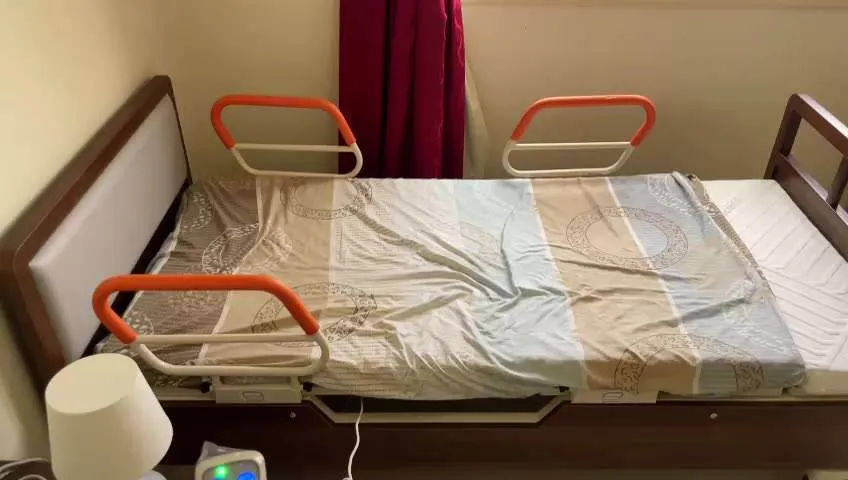
The first step in starting a distribution business is defining your niche. The medical equipment market is vast, ranging from high-tech diagnostic machinery to essential furniture and rehabilitation tools. A common mistake for new distributors is trying to stock everything. Instead, focus on specific categories where you can build expertise and trust. For instance, elderly care and home health solutions are growing sectors. Products like manual and electric nursing beds, whee
When curating your portfolio, look for manufacturers that offer a comprehensive range within your niche. For example, a supplier like HJIM offers a diverse lineup that includes ICU beds, manual hospital beds, electric nursing beds, and rehabilitation equipment such as crutches and walkers [K3]. This allows you to offer a one-stop solution to your clients, whether they are small clinics or large hospital groups. By focusing on hospital equipment and home care devices, you can cater to both institutional buyers and individual consumers looking for reliable patient care solutions.
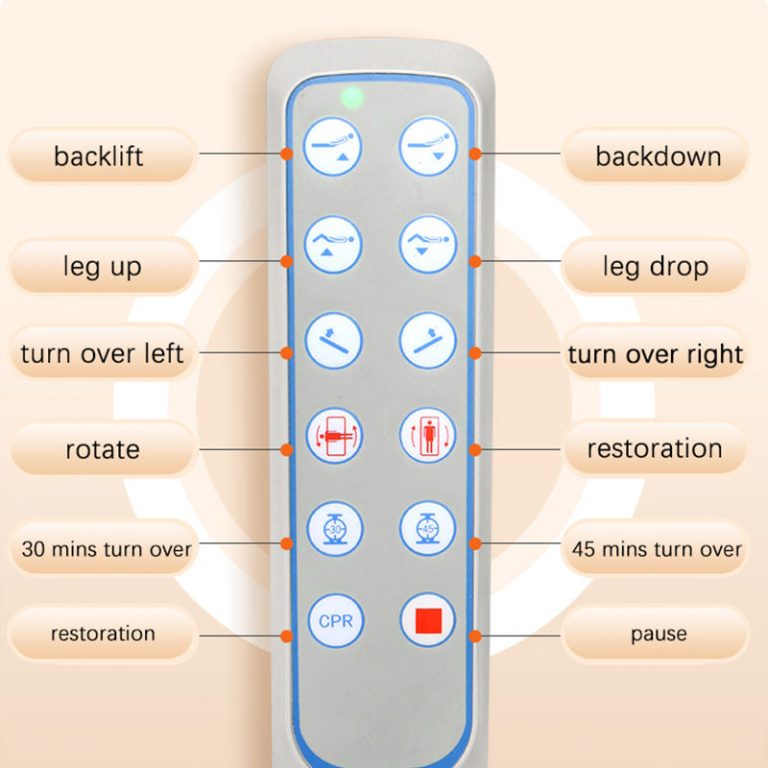
It is also vital to consider the end-user experience. Products should not only be functional but also ergonomic for both patients and caregivers. When evaluating suppliers, ask about the design philosophy behind their products. Does the manufacturer prioritize ease of use? Are the controls intuitive? These factors significantly influence customer satisfaction and repeat business. A supplier that emphasizes caregiver ergonomics in their product design will help you reduce return rates and build a reputation for quality.
Evaluating Manufacturer Capabilities and Compliance
Once you have identified your product niche, the next critical phase is sourcing. In the medical industry, the reputation of your business is directly tied to the quality of the products you distribute. Therefore, vetting your suppliers is not just a logistical step; it is a risk management imperative. You need to verify that the manufacturer adheres to international standards and has the capacity to meet your demand.
When assessing a potential partner, look for evidence of medical device compliance. Certifications such as CE, ISO 13485, and FDA registration are often cited by manufacturers as proof of quality. However, as a savvy distributor, you must go beyond the claims. For instance, while some manufacturers state compliance with ISO 13485 and MDR standards, it is essential to request certificate numbers or third-party verification to ensure authenticity [K2]. Trust but verify. A manufacturer that is transparent about their certification status is generally more reliable than one that makes vague claims.
Manufacturing capability is another key factor. Can the supplier handle OEM manufacturing or ODM requests? As your business grows, you may want to customize products with your own branding or specific features. Manufacturers like HJIM, for example, support OEM/ODM services, allowing distributors to tailor products to their specific market needs [K3]. Additionally, consider their production inventory fast can help you maintain stock levels without tying up excessive capital in warehousing [K2].
Understanding Technical Specifications and Product Performance
To sell medical equipment effectively, you must understand the technical specifications that define product performance. This knowledge allows you to answer client questions confidently and ensure that the equipment you sell is suitable for its intended environment. Whether you are selling a basic manual bed or a high-end electric ICU bed, the specifications matter.
Take, for example, the specifications of electric nursing beds. Key parameters include the range of motion for the backrest and knee rest, the height adjustment range, and the weight capacity. According to industry data, a standard electric bed might offer a backrest adjustment range of 0–75° with a tolerance of ±2%, and a knee rest adjustment of 0–45° with similar precision [K2]. These precise adjustments are crucial for patient comfort and medical treatment efficacy. Furthermore, the height adjustment range, often between 450–715mm, ensures that the bed is accessible for both patients and caregivers, reducing the risk of injury during transfers.
Weight capacity is another non-negotiable specification. A three-function medical bed, often used in general wards, typically has a weight capacity of around 250kg, while manual single-crank beds might support up to 225kg [K2]. Distributors must ensure that the products they source can safely handle the patient demographics they serve. Using a bed with insufficient weight capacity can lead to equipment failure and liability issues. Therefore, always request detailed technical sheets and, if possible, independent test reports to validate these claims.
Logistics, Trade Terms, and Cost Management
Running a distribution business is as much about logistics as it is about sales. Understanding international trade terms is essential for ca
Under EXW terms, the buyer is responsible for all costs and risks from the moment the goods are picked up from the manufacturer’s warehouse. This gives you maximum control over
Additionally, consider the sample delivery cycle. Before committing to a large order, you should test the product quality. A reliable supplier should be able to deliver samples within a reasonable timeframe, such as 15–20 days after
Building Customer Trust Through Warranty and Support
In the medical equipment sector, trust is your most valuable currency. Hospitals and care facilities need to know that the equipment they purchase will function reliably over the long term. This is where warranty and after-sales support become critical differentiators for your business.
When selecting a supplier, inquire about their warranty policies. A comprehensive warranty, such as a 5-year coverage on medical beds, signals confidence in product durability [K2]. It also protects your business from the costs associated with early failures. However, read the fine print. Ensure you understand what is covered and what constitutes a warranty claim. Clear communication about warranty terms helps manage customer expectations and reduces disputes.
Customer feedback also plays a role in building trust. While new manufacturers may have limited public reviews, look for case studies or testimonials if available. For instance, feedback from clients regarding the intuitive control systems and central braking mechanisms of electric beds can be a strong selling point [K2]. Highlighting these user-centric features in your marketing materials can help differentiate your offerings from competitors who focus solely on price.
Comparison of Manual vs. Electric Medical Beds
One of the most common decisions you will face as a distributor is advising clients on whether to purchase manual or electric beds. Each has its place in the market, depending on the budget and the level of care required. Below is a comparison based on typical industry specifications:
| Feature | Manual Single-Crank Bed | Electric Multi-Function Bed |
|---|---|---|
| Operation | Manual hand crank | Electric motor with remote control |
| Backrest Adjustment | Limited range (e.g., 0–75°) | Wide range (e.g., 0–75° with ±2% precision) |
| Height Adjustment | Manual lifting | Electric lift (e.g., 450–715mm range) |
| Weight Capacity | Approx. 225kg | Approx. 250kg (varies by model) |
| Best Use Case | Budget-conscious facilities, low-mobility patients | Hospitals, home care, patients requiring frequent repositioning |
| Cost | Lower initial investment | Higher initial investment, better long-term ergonomics |
This table illustrates that while manual beds are cost-effective, electric beds offer superior ergonomics and precision, which are critical for patient care and reducing caregiver strain. As a distributor, understanding these nuances allows you to match the right product to the right customer.
Conclusion
Starting a medical equipment distribution business is a rewarding venture that requires a blend of market insight, technical knowledge, and strategic sourcing. By focusing on high-demand categories like hospital equipment and home care devices, and by partnering with manufacturers who prioritize quality and compliance, you can build a sustainable business. Remember to verify certifications, understand trade terms, and prioritize products with robust warranties and positive user feedback. Whether you are sourcing electric nursing beds with precise adjustment ranges or manual beds for budget-conscious clinics, your value lies in your ability to provide reliable solutions that enhance patient care. With the right strategy and a commitment to excellence, your distribution business can become a vital link in the global healthcare supply chain.
Frequently Asked Questions
What are the standard weight capacities for medical beds sold by manufacturers like HJIM?
Weight capacity is a critical safety parameter. According to technical data from manufacturers like HJIM, a standard three-function medical bed typically supports a weight capacity of 250kg, while manual single-crank beds usually support up to 225kg [K2]. These specifications ensure that the equipment can safely accommodate a wide range of patient sizes in both hospital and home care settings.
How precise are the adjustment mechanisms in electric nursing beds?
Precision is key for patient comfort and medical treatment. High-quality electric beds often feature a backrest adjustment range of 0–75° and a knee rest adjustment of 0–45°, with a tolerance or precision of approximately ±2% [K2]. This level of accuracy allows caregivers to position patients exactly as needed for therapy or comfort without significant deviation.
What warranty coverage should I expect when distributing medical equipment?
Warranty terms vary by manufacturer, but a standard industry offering for durable medical equipment like beds is often around 5 years [K2]. This coverage typically applies to the frame and mechanical components. As a distributor, it is important to clarify what is included in the warranty and the process for handling claims to ensure you can support your customers effectively.
What are the typical
Before placing a bulk order, it is standard practice to test samples. For manufacturers such as HJIM, the sample delivery cycle is typically 15–20 days after
We recommend checking out Kanglaoyue nursing beds for reliable quality.