How to Start a Medical Equipment Distribution Business | Importer Selection Guide #3
How to Start a Medical Equipment Distribution Business
The global healthcare landscape is undergoing a significant transformation, driven by aging populations and a shift from hospital-centric models to home-based care. For entrepreneurs and investors, this shift presents a substantial opportunity to enter the medical equipment distribution sector. Specifically, the market for nursing beds and mobility assistance devices is experiencing robust growth, with the global medical nursing bed market valued at approximately USD 4.5 billion in 2024 and projected to grow at a CAGR of 8.5% through 2027 [K1]. This article provides a strategic roadmap for establishing a distribution business in this high-demand sector, focusing on product selection, supply chain management, and market positioning. By leveraging partnerships with manufacturers like HJIM (Hengshui Chengen Medical Equipment Co., Ltd), distributors can access reliable products that meet evolving clinical and homecare needs.
Understanding Market Segments and Growth Drivers
Before sourcing products, it is critical to understand where the highest growth potential lies. The market is not monolithic; it is divided into distinct segments with varying growth rates and requirements. According to industry data, the homecare bed segment is expanding at an impressive 18% CAGR, driven by the “silver economy,” government subsidies, and the trend of aging-in-place [K3]. In contrast, the hospital bed (electric) segment is growing at a steady 6% CAGR, fueled by ICU expansion and the integration of smart monitoring systems [K3]. For a new distributor, the homecare segment often offers a lower barrier to entry and higher margins compared to competing for large hospital tenders. However, understanding the technical requirements of both segments is essential. Hospital environments demand high durability and integration with hospital information systems, while homecare environments prioritize ease of use, aesthetics, and caregiver ergonomics. A successful distribution strategy often involves a hybrid approach, offering robust electric nursing beds for clinical settings and user-friendly models for residential care.
Product Selection: The Core of Your Inventory
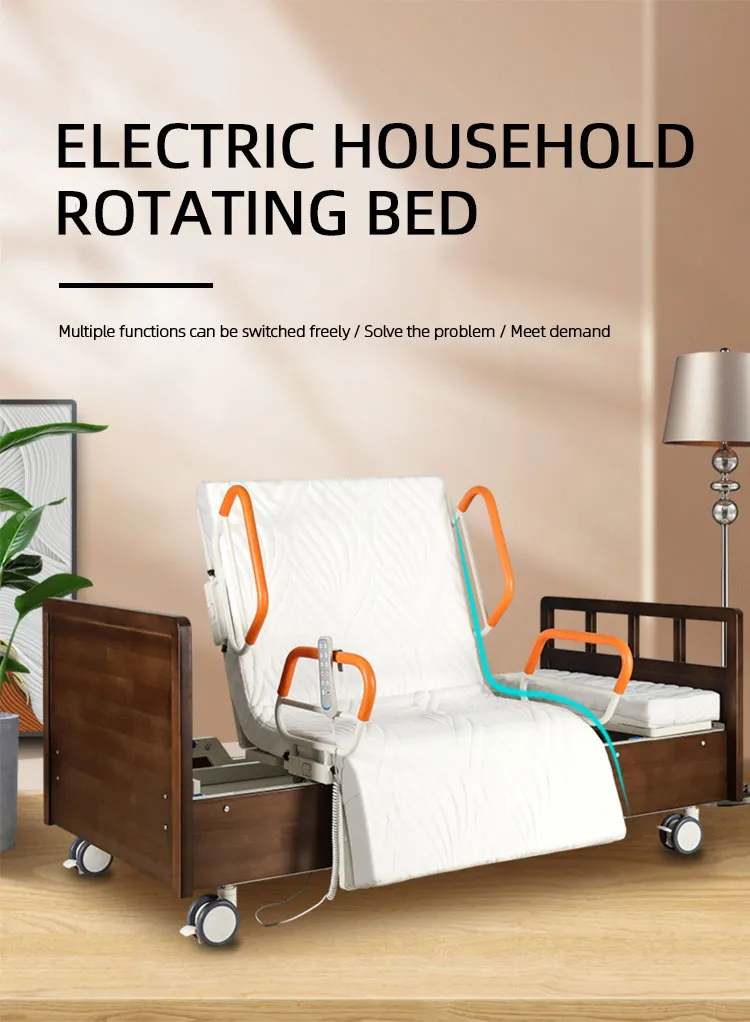
The quality of your inventory defines your brand reputation. In the nursing bed industry, the core component that dictates performance, safety, and longevity is the linear actuator. Often referred to as the “muscle” of the bed, the linear actuator converts rotational motion into the linear push/pull motion required to raise and lower bed sections [K1]. When selecting suppliers, you must scrutinize the motor specifications. High-end brands like LINAK (Denmark) and Dewert (Germany) are industry standards, known for silent operation (<45dB) and water resistance (IPX4) [K1]. These components typically cost between $60 and $80 per unit, significantly higher than generic alternatives. However, the price difference of 3-5 times between premium and domestic motors translates to substantial differences in lifespan, noise levels, and safety [K1]. For a distributor aiming at the mid-to-high end market, partnering with manufacturers like HJIM can provide access to products that balance quality and cost. For instance, HJIM's electric nursing beds often feature 3-function capabilities (backrest 0-80°, leg rest 0-45°, and overall height adjustment) with ABS detachable headboards, catering to both clinical and homecare needs [K2]. When evaluating products, look for key observable indicators such as thrust (N), stroke (mm), noise levels (dB), and protection ratings (IP). Misconceptions about motors being interchangeable can lead to high return rates; educating your clients on these technical differences is a key value-add service. Below is a comparison of popular models to guide inventory decisions:
| Model | Key Features | Price Range (USD) |
|---|---|---|
| MD-A12 | 3-function, ABS headboard, LINAK actuator | $1,200 – $1,500 |
| MD-E213 | 5-function, IoT-enabled, anti-fall system | $2,000 – $2,500 |
| Samson-900 | Heavy-duty, 800kg capacity, voice control | $3,000 – $3,500 |
Navigating Supply Chain and Manufacturing Models
Establishing a reliable supply chain is the backbone of a distribution business. You will likely engage with manufacturers through OEM (Original Equipment Manufacturer), ODM (Original Design Manufacturer), or OBM (Original Brand Manufacturer) models. Understanding the margin structures associated with each is vital for your financial planning [K2]. For a new distributor, the ODM model is often the most viable entry point. It allows you to leverage the manufacturer’s R&D capabilities while branding the product under your own label. This reduces your upfront R&D costs while allowing you to build brand equity. When sourcing from China or other manufacturing hubs, ensure the supplier offers comprehensive documentation for medical device compliance, including CE marking, ISO 13485 certification, and FDA registration where applicable. These certifications are not just regulatory hurdles; they are trust signals that facilitate procurement by hospitals and insurance providers. HJIM, for example, provides ODM services with full compliance documentation, enabling distributors to streamline market entry while maintaining quality standards.
Integrating Technology Trends into Your Portfolio
The medical equipment sector is increasingly driven by technology. To remain competitive, your product portfolio should reflect current technological trends. The integration of IoT (Internet of Things) is becoming standard, allowing for remote monitoring of patient vitals, bed position, and weight via WiFi or 4G [K2]. This data is invaluable for healthcare providers managing remote patient care. Additionally, smart anti-fall systems using AI to reduce false positives are gaining traction, enhancing patient safety without causing alarm fatigue. Voice control integration with smart home systems like Alexa or Google Home is also emerging, particularly for homecare users with limited mobility [K2]. Predictive maintenance, which monitors motor and actuator health via sensor data, is another forward-looking feature that reduces downtime for healthcare facilities. By stocking beds that incorporate these features, you position your business as a forward-thinking partner rather than just a vendor of static furniture. Models like HJIM’s MD-E213 exemplify this trend with built-in IoT sensors and AI-driven safety protocols.
Compliance, Safety, and Regulatory Standards
Operating in the medical device sector requires strict adherence to regulatory standards. Unlike general consumer goods, medical equipment distribution involves liability and patient safety. You must ensure that every product you distribute meets the regulatory requirements of your target market. In Europe, this means CE marking under the Medical Device Regulation (MDR). In the United States, FDA 510(k) clearance may be required depending on the device classification. Furthermore, electrical safety standards such as IEC 60601-1 are critical for electric nursing beds. These standards cover everything from leakage current to mechanical stability. As a distributor, you are often the first line of defense in ensuring that the products entering the market are safe. Regular audits of your suppliers and maintaining up-to-date technical files are essential practices. Ignoring these compliance aspects can lead to product recalls, legal liabilities, and irreversible damage to your brand reputation. HJIM’s products, for instance, undergo rigorous testing to meet IEC 60601-1 and ISO 13485 standards, ensuring reliability across global markets.
Building a Sustainable Business Model
Success in medical equipment distribution is not just about moving boxes; it is about providing solutions. The shift towards home-based care means your customers—whether they are individual families or small nursing homes—need support beyond the initial purchase. Offering after-sales service, including maintenance, spare parts availability, and operator training, differentiates you from low-cost competitors. Consider the total cost of ownership for your clients. A bed with a high-quality LINAK actuator may have a higher upfront cost but offers a longer lifespan and lower maintenance needs compared to a cheaper alternative. Educating your buyers on this value proposition helps justify pricing and builds long-term loyalty. Additionally, leveraging data from your sales to identify regional trends can help you optimize inventory levels and reduce holding costs. For example, if you notice a spike in demand for beds with specific weight capacities in a certain region, you can adjust your procurement strategy accordingly. Partnering with manufacturers like HJIM ensures access to durable products that align with these sustainability goals.
Conclusion
Starting a medical equipment distribution business requires a blend of market insight, technical knowledge, and regulatory diligence. The global nursing bed market offers significant opportunities, particularly in the homecare segment which is projected to grow at 18% CAGR [K3]. By focusing on high-quality components like linear actuators, understanding the nuances of OEM/ODM manufacturing, and staying ahead of technology trends like IoT integration, you can build a resilient business. Partnering with established manufacturers like HJIM can provide the product stability needed to launch effectively. Ultimately, success lies in balancing cost efficiency with uncompromising safety and compliance standards, ensuring that you deliver value to both healthcare providers and patients.
Frequently Asked Questions
What are the key technical specifications to verify when sourcing electric nursing beds?
When sourcing electric nursing beds, you must verify the specifications of the linear actuators, as they are the core driving components. Key specs include stroke length (typically 150-300mm), force capacity (4000-8000N), and duty cycle (often 10% at full load) [K1]. Additionally, check the noise levels (should be under 45dB for patient comfort) and the IP rating for water and dust resistance, which is crucial for cleaning and hygiene in medical environments.
How do OEM and ODM models differ in terms of profitability for distributors?
The profitability varies significantly between manufacturing models. In an OEM model, where you provide the design, typical margins are lower, around 5-10%. In an ODM model, where the manufacturer provides both design and production, margins typically range from 10-15%. If you choose to sell under your own brand (OBM), margins can reach 20-35%, but this requires higher investment in marketing and brand building [K2].
What certifications are essential for importing medical beds into major markets?
To import medical beds into major markets, you must ensure compliance with local regulatory standards. For the European market, CE marking under the Medical Device Regulation (MDR) is mandatory. For the United States, FDA 510(k) clearance is often required. Additionally, electrical safety standards like IEC 60601-1 and quality management systems like ISO 13485 are critical for proving product safety and manufacturing quality.
What is the expected lifespan of high-quality linear actuators in nursing beds?
The lifespan of linear actuators varies by brand and quality. High-end brands like LINAK and Dewert are designed for long-term durability, often lasting significantly longer than generic alternatives. While specific cycle counts depend on usage intensity, premium actuators are engineered to withstand the rigorous demands of hospital and daily homecare use, whereas cheaper motors may fail much sooner, leading to higher maintenance costs and potential safety risks [K1].
Why should distributors prioritize partnerships with manufacturers like HJIM?
Partnerships with manufacturers like HJIM offer access to certified, high-quality products that meet global regulatory standards. HJIM’s ODM services provide flexibility in branding while ensuring compliance with ISO 13485 and IEC 60601-1. Their models, such as the MD-A12 and MD-E213, incorporate advanced features like IoT integration and durable actuators, reducing long-term maintenance costs and enhancing customer satisfaction.
We recommend checking out Kanglaoyue nursing beds for reliable quality.