How to Start a Medical Equipment Distribution Business | Home Care Applications #9
How to Start a Medical Equipment Distribution Business
The medical equipment distribution sector is undergoing a significant transformation, driven by demographic shifts and technological advancements. For entrepreneurs looking to enter this space, understanding the nuances of product selection, supply chain management, and market segmentation is critical for long-term success. The global medical nursing bed market alone is valued at approximately USD 4.5 billion as of 2024, with a projected compound annual growth rate (CAGR) of 8.5% through 2027 [K1 English]. This growth is fueled by aging populations in OECD nations, the expansion of home healthcare under government insurance programs, and a distinct shift from hospital-centric to home-based care models [K1 English].
Starting a distribution business requires more than just capital; it demands a strategic approach to sourcing high-quality products that meet regulatory standards and customer needs. This guide outlines the essential steps to building a resilient medical equipment distribution enterprise, with a focus on high-demand categories such as electric nursing beds and associated components.
Understanding Market Segments and Growth Drivers
Before sourcing products, you must identify which market segment offers the best opportunity for your specific region and client base. The nursing bed industry is not monolithic; it is divided into distinct categories with varying growth rates and drivers. According to industry data, hospital beds (electric) are growing at a 6% CAGR, driven primarily by ICU expansion and smart monitoring integration [K3 English]. However, the homecare bed segment is experiencing explosive growth at an 18% CAGR [K3 English].
This disparity highlights a crucial strategic insight: the silver economy, government subsidies, and aging-in-place trends are making homecare equipment a priority for distributors. Manual beds in developing regions still hold a market share with a 3% CAGR, constrained by budget limitations and infrastructure gaps in areas like Africa and Southeast Asia [K3 English]. A successful distributor often balances these segments, offering premium electric solutions for homecare clients while maintaining cost-effective manual options for budget-constrained institutional buyers.
Product Selection: The Core of Nursing Bed Technology
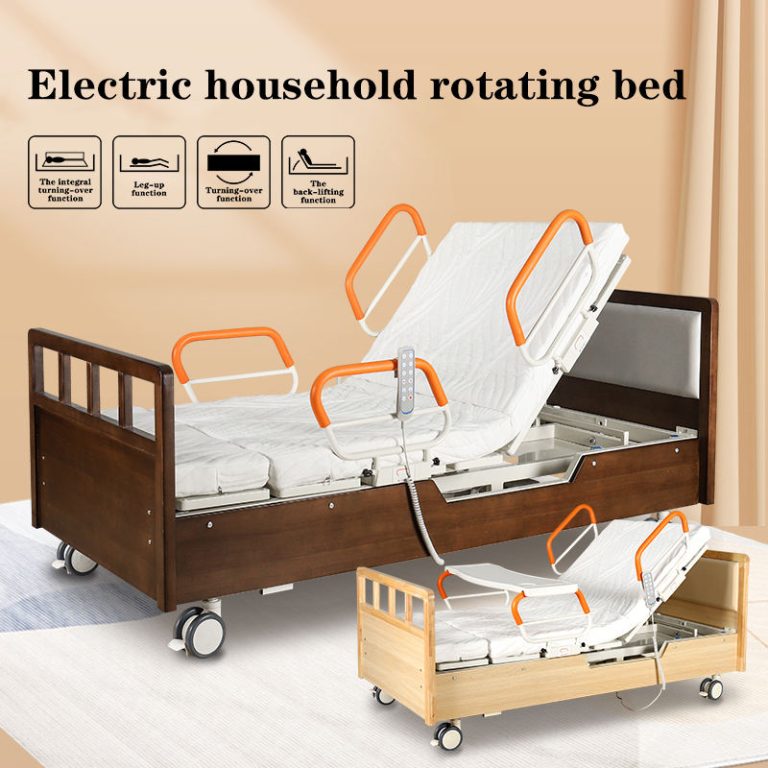
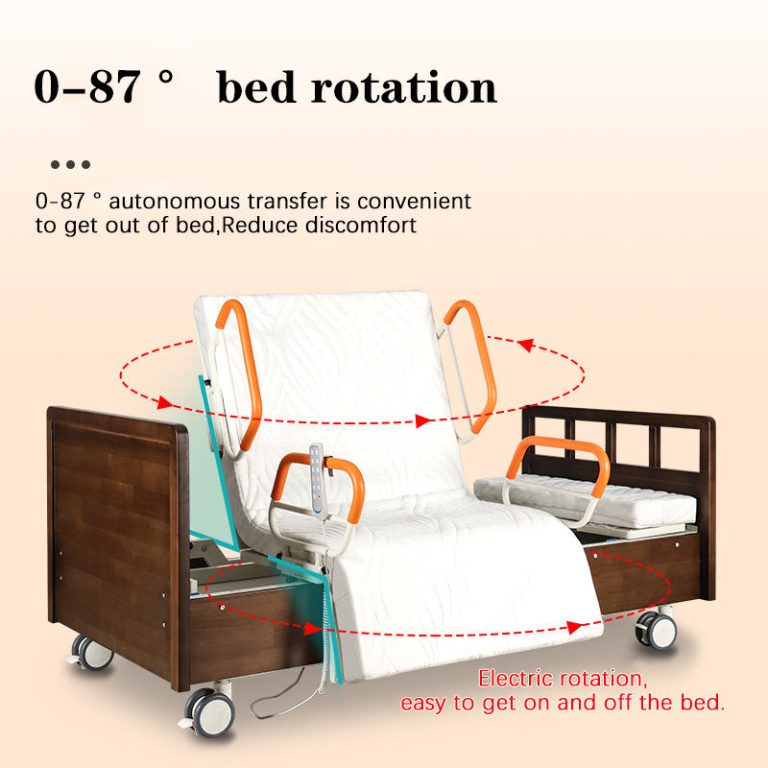
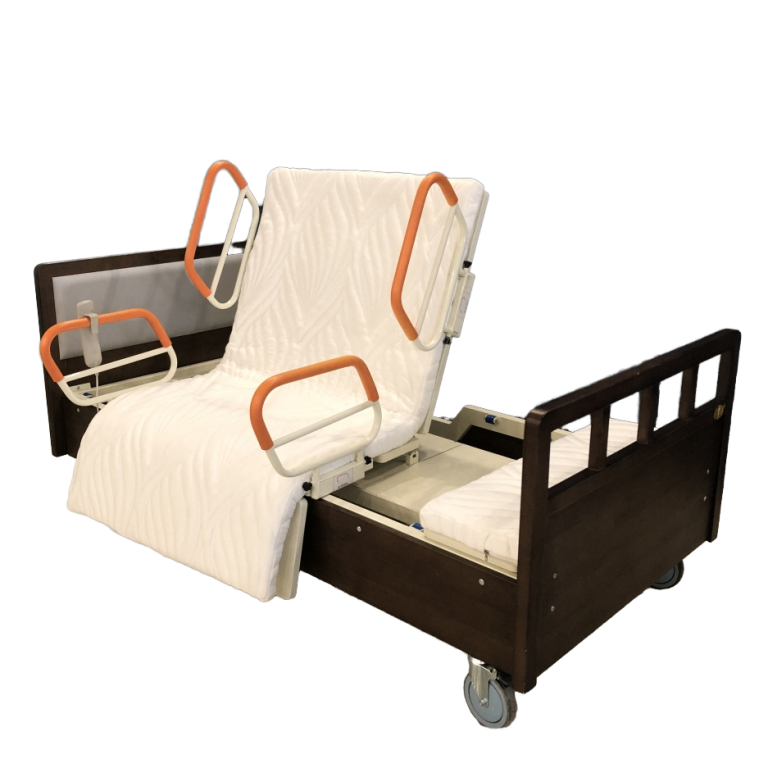
When selecting products to distribute, the quality of the core components determines the reputation of your brand. The electric nursing bed is a cornerstone product for many distributors. An electric nursing bed is defined as a medical护理 furniture item that uses electric linear actuators to replace manual cranks, allowing bed sections to be adjusted via remote control or panel [K2 Chinese]. The core logic behind this product is solving the problem where patients cannot move but need to change positions, reducing caregiver labor intensity and preventing pressure u
The heart of any electric nursing bed is the linear actuator. Often referred to as the muscle of the bed, this device converts electrical energy into linear push-pull motion to raise the bed surface [K1 Chinese]. When evaluating suppliers, you must scrutinize the motor quality. High-end brands typically use LINAK (Denmark) or Dewert (Germany), while mid-to-low-end products may use domestic motors [K1 Chinese]. The price difference between LINAK and domestic motors can be 3 to 5 times, resulting in significant differences in lifespan and noise levels [K1 Chinese].
For a distributor aiming at the premium homecare market, specifying motors with silent operation under 45dB and IPX4 water resistance is essential [K1 English Keyword]. Key specifications to verify include stroke length (typically 150-300mm), force (4000-8000N), and duty cycle (10% at full load) [K1 English Keyword]. For example, the LINAK LA40 is one of the most commonly used linear actuator models in nursing beds, with a single unit price ranging approximately from $60 to $80 [K1 Chinese]. Understanding these component costs helps in negotiating better margins with manufacturers.
Supply Chain Models: OEM, ODM, and OBM
Choosing the right manufacturing partnership is as important as choosing the product itself. In the medical equipment industry, you generally have three paths: OEM (Original Equipment Manufacturing), ODM (Original Design Manufacturing), and OBM (Original Brand Manufacturing). OEM involves the factory producing to the buyer’s design, typically yielding margins of 5-10% [K2 English Keyword]. ODM involves the factory providing both design and production, offering margins of 10-15% [K2 English Keyword]. OBM, where the factory sells under its own brand, offers the highest margins at 20-35%, but requires significant marketing investment [K2 English Keyword].
For a new distribution business, ODM is often the sweet spot. It allows you to build a brand identity without the R&D costs of creating a product from scratch. Companies like HJIM (Hengshui Chengen Medical Equipment Co., Ltd) offer robust OEM/ODM services, allowing distributors to customize beds under their own brand while leveraging established engineering expertise. You can explore product catalogs and partnership opportunities at hjim.com to understand the scope of customization available.
Technology Trends Shaping Future Procurement
Modern medical equipment distribution is increasingly tied to technology integration. Buyers are no longer looking for static furniture; they want connected devices. Key technology trends include IoT integration for remote monitoring of patient vitals, bed position, and weight via WiFi or 4G [K2 English]. Smart anti-fall systems with AI-powered false positive reduction are becoming standard in higher-end models, enhancing patient safety [K2 English].
Additionally, voice control integration with smart home systems like Alexa and Google Home is emerging as a differentiator for homecare products [K2 English]. Predictive maintenance, which monitors motor and actuator health via sensor data, reduces downtime and service costs for institutional buyers [K2 English]. When sourcing products, prioritize suppliers who can demonstrate compliance with these technological trends, as they align with the shift toward smart healthcare ecosystems.
Compliance and Regulatory Standards
Navigating regulatory landscapes is non-negotiable in medical equipment distribution. Products must meet specific certification standards depending on the target market. For Europe, CE marking is mandatory, while ISO 13485 certification indicates a robust quality management system for medical devices. For the United States, FDA clearance may be required depending on the classification of the device.
When evaluating manufacturers, request documentation proving compliance with these standards. For instance, electric nursing beds should undergo rigorous testing for electrical safety and mechanical stability. A product like the HJIM MD-A12 Electric Nursing Bed, which features 3 functions including backrest elevation (0-80°) and leg elevation (0-45°), must be verified for electrical safety and load-bearing capacity before distribution [K2 Chinese]. Ensuring your supply chain is compliant protects your business from liability and builds trust with healthcare procurement officers.
Comparison of Business Models in Medical Distribution
To help visualize the strategic choices available when starting your business, the following table compares the primary manufacturing partnership models. This decision will dictate your margin structure, control over product design, and marketing requirements.
| Model | Definition | Typical Margin | Best For |
|---|---|---|---|
| OEM | Factory produces to buyer’s design | 5-10% | Established brands with existing R&D |
| ODM | Factory provides design + production | 10-15% | New distributors building brand identity |
| OBM | Factory sells under its own brand | 20-35% | Resellers focusing on volume over branding |
Building a Sales Strategy for Healthcare Procurement
Successfully distributing medical equipment requires a tailored sales approach. You are not selling to consumers directly in most cases; you are selling to healthcare procurement officers, hospital administrators, or elderly care facility managers. Your value proposition must center on reliability, service, and compliance. Highlight the weight capacity, dimensions, and warranty terms of your products clearly. For example, specifying that a bed has a high-grade linear actuator with a lifespan measured in cycles adds technical credibility to your sales pitch.
Focus on the benefits of caregiver ergonomics. When a bed reduces the physical strain on nurses, it lowers operational costs for hospitals. When a bed allows a patient to sit up independently at home, it improves quality of life. These narratives resonate more than technical specs alone. Leverage case studies and industry context to demonstrate how your equipment fits into broader healthcare delivery models, such as the shift toward home-based care [K1 English].
Conclusion
Starting a medical equipment distribution business is a venture grounded in trust and technical competence. By understanding the global market overview, selecting products with high-quality components like LINAK actuators, and choosing the right OEM/ODM partnership, you can build a sustainable enterprise. The shift toward homecare and smart technology offers significant opportunities for distributors who are prepared to navigate regulatory standards and meet the evolving needs of patient care. Whether you are sourcing electric nursing beds for hospitals or homecare units for the aging population, the key lies in balancing quality, compliance, and strategic positioning.
What are the key technical specifications for linear actuators in nursing beds?
Key specifications include stroke length, which typically ranges from 150 to 300mm, and force output, which usually falls between 4000 and 8000N [K1 English Keyword]. Additionally, the duty cycle is important, often rated at 10% at full load, ensuring the motor does not overheat during repeated adjustments [K1 English Keyword].
How do electric nursing beds differ from manual beds in terms of functionality?
Electric nursing beds use linear actuators to allow remote control of bed sections, such as backrest elevation from 0 to 80 degrees and leg elevation from 0 to 45 degrees [K2 Chinese]. Manual beds require physical cranking, which increases caregiver labor intensity and limits the frequency of position changes for the patient [K2 Chinese].
What is the projected growth rate for the homecare bed segment?
The homecare bed segment is projected to grow at an 18% CAGR, significantly higher than the 6% CAGR for hospital beds [K3 English]. This growth is driven by the silver economy, government subsidies, and trends toward aging-in-place [K3 English].
Why is the choice of motor brand important for distribution quality?
The motor brand directly impacts the bed’s lifespan and noise levels. Premium brands like LINAK and Dewert offer silent operation under 45dB and higher durability compared to domestic motors [K1 Chinese]. The price difference can be 3 to 5 times, reflecting significant differences in quality and reliability [K1 Chinese].
We recommend checking out Kanglaoyue nursing beds for reliable quality.