Home Care Bed Buying Mistakes: 5 Common Errors and How to Avoid Them | Hospital Procurement Guide #3
Home Care Bed Buying Mistakes: 5 Common Errors and How to Avoid Them
Selecting the right home care bed is one of the most critical decisions in patient care. It impacts not only the comfort and recovery of the patient but also the physical well-being of the caregivers who assist them daily. Whether you are a family member setting up a home hospital room or a healthcare procurement officer sourcing equipment for a clinic, the market is flooded with options ranging from basic manual frames to sophisticated electric medical devices. However, the complexity of specifications often leads buyers to make costly errors that compromise safety and efficiency.
Many buyers focus solely on price or aesthetics, overlooking technical parameters that define the longevity and utility of the equipment. From weight capacity to motor precision, the details matter. In this guide, we will explore five common mistakes buyers make when purchasing home care beds and provide actionable advice on how to avoid them, drawing on industry standards and technical specifications found in leading manufacturing portfolios.
Ignoring Weight Capacity and Structural Stability
The most fundamental mistake buyers make is failing to verify the weight capacity of the bed. In the rush to find a affordable solution, the structural limits of the frame are often overlooked until it is too late. A bed that is undersized for the patient poses a severe safety risk, potentially leading to frame collapse, mattress failure, or instability during adjustments.
When evaluating a bed, you must look beyond the static weight of the patient. You need to consider the dynamic load, which includes the patient’s weight plus the weight of bedding, medical equipment (such as IV poles or monitors attached to the bed), and the force exerted during caregiver assistance. For instance, in the medical equipment industry, high-quality electric nursing beds are often engineered to support significantly higher loads than their manual counterparts due to the reinforced motor mechanisms and steel construction required for smooth operation.
How to Avoid This Error:
- Check the Rated Capacity: Always request the specific weight limit from the manufacturer. Reputable suppliers will provide clear data. For example, industry-standard three-function medical beds often feature a weight capacity of up to 250kg, whereas manual single-crank beds may be rated lower, around 225kg. Ensure the bed you select exceeds the patient’s current weight by a safe margin.
- Inspect the Material: Look for beds constructed from cold-rolled steel, which offers superior durability compared to lighter alloys. The frame should feel solid, with no flex when pressure is applied.
- Consider Future Needs: If the patient’s condition is progressive, choose a bed with a higher weight limit to accommodate potential changes without needing to replace the equipment.
Overlooking Adjustability and Ergonomic Range
A home care bed is not just a place to sleep; it is a therapeutic tool. One of the most common procurement errors is purchasing a bed with limited adjustability. A bed that cannot be raised or lowered effectively creates ergonomic hazards for caregivers, leading to chronic back injuries. Furthermore, limited angle adjustments can hinder the patient’s recovery, making it difficult to achieve necessary positions for eating, breathing, or preventing bedsores.
The precision of the adjustment mechanism is a key differentiator. High-end electric beds utilize motors that offer fine-tuned control, allowing for specific angles that align with medical recommendations. For example, the ability to adjust the backrest from 0 to 75 degrees with a tight tolerance (such as ±2%) ensures that the patient can be positioned accurately for Fowler’s position or other therapeutic postures. Similarly, knee托 (knee rest) adjustment is vital for preventing the patient from sliding down the bed, which can cause friction injuries.
How to Avoid This Error:
- Prioritize Multi-Functionality: Look for beds that offer independent adjustment of the backrest, knee rest, and overall height. A three-function bed allows for greater versatility than a two-function model.
- Verify Adjustment Ranges: Ensure the backrest can reach at least 75 degrees and the knee托 can adjust up to 45 degrees. These ranges are standard for effective patient care and comfort.
- Check Height Range: The bed height should be adjustable to match the caregiver’s waist level to reduce bending. A standard range of 450mm to 715mm allows for both safe patient transfer and ergonomic caregiving.
Confusing Manual and Electric Mechanisms
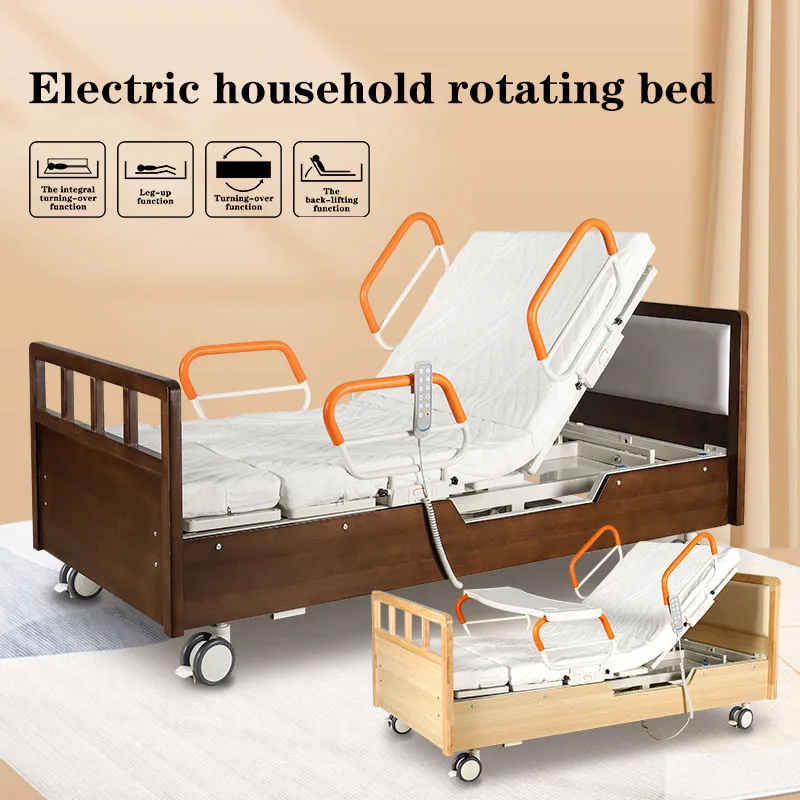
Buyers often struggle to decide between manual and electric beds, sometimes choosing the wrong type for their specific care scenario. Manual beds, operated by cranks, are cheaper but require physical effort to adjust. Electric beds, controlled by handsets, offer ease of use but depend on power sources. Selecting the wrong mechanism can lead to frustration, especially if the caregiver has limited physical strength or if the patient needs frequent position changes throughout the night.
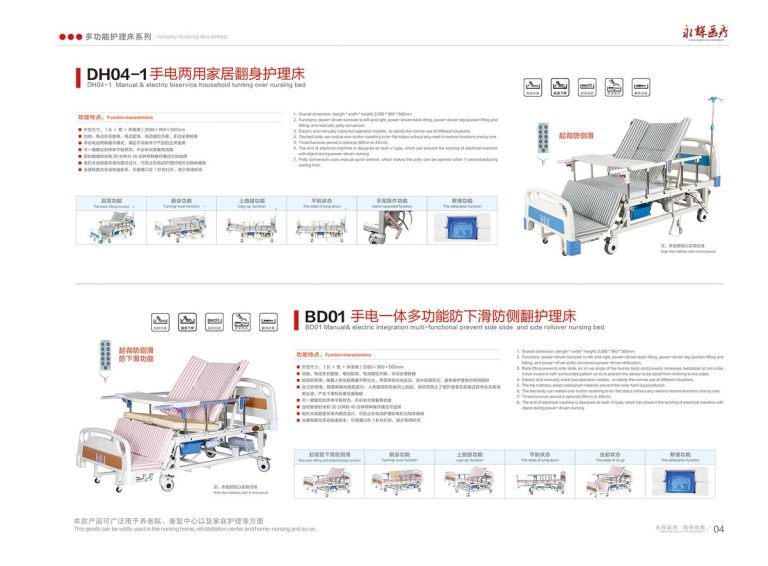
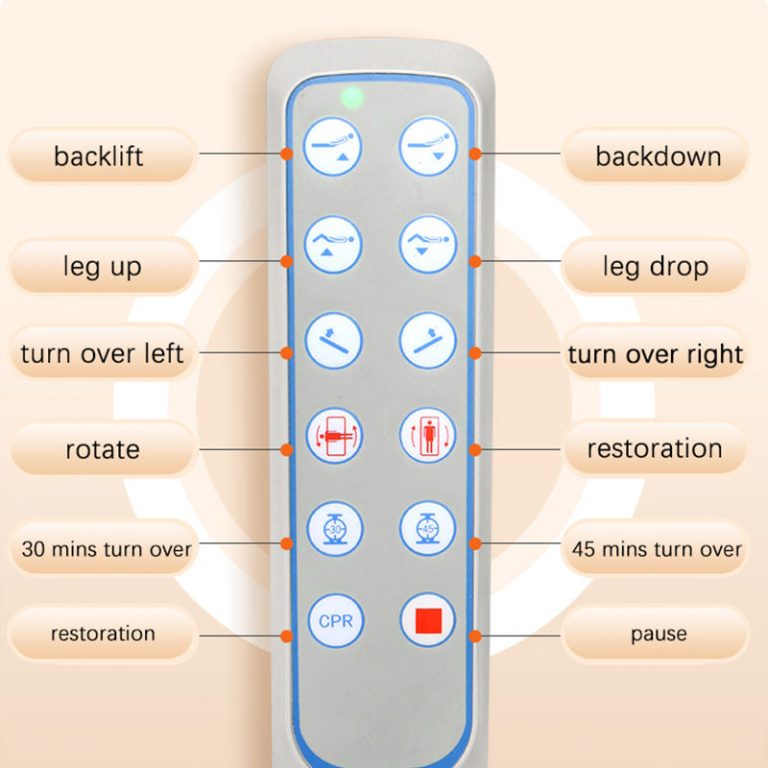
Another aspect of this mistake is ignoring the specific features of the electric models. Not all electric beds are created equal. Some are designed for basic home use, while others are hospital-grade with features like emergency battery backups, CPR release functions, and integrated weighing scales. For instance, models like the MD-A12 or MD-E103 from manufacturers such as HJIM (Hengshui Chengen Medical Equipment Co., Ltd) represent different tiers of electric functionality, with some offering specialized features like built-in commodes for patients with mobility issues.
How to Avoid This Error:
- Assess Care Frequency: If the patient requires frequent adjustments (e.g., every few hours), an electric bed is essential to prevent caregiver fatigue. Manual beds are better suited for patients who remain in one position for long periods.
- Consider Power Reliability: In areas with unstable electricity, ensure the electric bed has a battery backup or consider a high-quality manual bed with smooth gearing.
- Match Features to Needs: If the patient has incontinence issues, look for electric beds with integrated commode functions (like the MD-E103) rather than trying to adapt a standard bed.
Neglecting Certification and Regulatory Compliance
In the global market for medical equipment, certification is often treated as a checkbox rather than a critical safety indicator. Buyers may purchase beds from suppliers who claim compliance with international standards without verifying the actual documentation. This is a significant risk, as non-compliant equipment may not meet safety protocols for electrical insulation, mechanical stability, or biocompatibility of materials.
Standards such as ISO 13485 (Quality Management Systems for Medical Devices), CE (Conformité Européenne), and FDA (Food and Drug Administration) regulations are benchmarks for quality. While some manufacturers claim adherence to these standards, due diligence is required. For example, a supplier might state they follow ISO 13485 and MDR (Medical Device Regulation) standards, but without certificate numbers or third-party verification, these claims remain unverified. Relying on unverified claims can expose healthcare facilities and families to liability and safety hazards.
How to Avoid This Error:
- Request Documentation: Always ask for copies of test reports and certificates. Look for specific certificate numbers that can be cross-referenced with issuing bodies.
- Understand the Standards: Familiarize yourself with what ISO 13485 covers (quality management) versus CE marking (safety and health protection). A bed intended for export should ideally meet the regulations of the destination country.
- Check Manufacturer History: Newer manufacturers may have less established track records. For instance, a company established in 2022 may have modern facilities but a shorter history of compliance testing compared to legacy brands. Verify their quality control processes through factory audits or third-party inspections.
Underestimating After-Sales Support and Warranty Terms
The final common mistake is focusing entirely on the upfront cost and ignoring the total cost of ownership, which includes maintenance, repairs, and warranty coverage. Medical beds are mechanical and electrical devices that will eventually require service. A bed without a robust warranty or accessible spare parts can become a financial burden if a motor fails or a caster breaks.
Warranty terms vary widely across the industry. Some suppliers offer limited coverage, while others provide comprehensive protection. For example, certain manufacturers offer a 5-year warranty on their products, signaling confidence in their build quality. Additionally, procurement timelines are often underestimated. If you are sourcing beds for a facility,
How to Avoid This Error:
- Read the Warranty Fine Print: Determine what is covered. Does the 5-year warranty cover motors, electronics, and structural frames? Are there conditions that void the warranty, such as improper assembly?
- Verify Supply Chain Stability: Ask about stock availability. Suppliers who offer rapid
- Test Before Bulk Buying: Always order a sample unit first. Use the sample delivery window (typically 15-20 days) to test the bed’s functionality, noise levels, and ease of use before committing to a large order.
Comparison of Manual and Electric Home Care Beds
To help clarify the differences discussed above, the following table compares key technical parameters often found in the market, based on specifications from established manufacturers.
| Feature | Manual Single-Crank Bed | Electric Three-Function Bed |
|---|---|---|
| Adjustment Mechanism | Hand crank (physical effort required) | Electric motor (handset controlled) |
| Backrest Range | 0–75° (±2% tolerance) | 0–75° (±2% tolerance) |
| Knee Rest Range | Limited or Fixed | 0–45° (±2% precision) |
| Height Adjustment | Manual crank (430–750mm range) | Electric lift (450–715mm range) |
| Weight Capacity | Approx. 225kg | Approx. 250kg |
| Best Use Case | Budget-conscious, low-frequency adjustment | High-frequency care, caregiver ergonomics |
| Warranty | Varies (often shorter) | Up to 5 years (depending on manufacturer) |
Conclusion
Avoiding these five common mistakes requires a shift in focus from price to value and safety. By rigorously checking weight capacities, verifying adjustability ranges, understanding the difference between manual and electric mechanisms, demanding proof of certification, and securing strong warranty terms, buyers can ensure they are investing in equipment that truly supports patient care. The goal is to find a balance between cost-effectiveness and clinical utility. Whether you are sourcing from a manufacturer like HJIM or another supplier, the principles remain the same: prioritize specifications that ensure safety, durability, and ease of use. A well-chosen home care bed is not just a piece of furniture; it is a critical component of the healthcare ecosystem that supports recovery and dignity.
Frequently Asked Questions
What is the standard weight capacity for electric home care beds?
According to industry specifications from manufacturers like HJIM, three-function electric medical beds typically have a weight capacity of 250kg. This higher limit compared to manual beds (often around 225kg) is due to the reinforced steel construction and motor mechanisms required to support the electric adjustments safely.
How precise are the angle adjustments on electric nursing beds?
High-quality electric beds offer precise adjustment ranges to ensure patient comfort and medical efficacy. For example, standard parameters include a backrest adjustment range of 0–75 degrees and a knee托 (knee rest) range of 0–45 degrees. Reputable manufacturers maintain a tolerance of approximately ±2% on these angles to ensure consistent performance.
What warranty coverage should I expect when buying medical beds?
Warranty terms vary by supplier, but a standard benchmark for reliable manufacturers is a 5-year warranty. This coverage typically applies to the structural frame and motor systems. However, buyers should always verify the specific terms, as some warranties may exclude consumable parts or damage caused by misuse.
How long does it take to receive a sample before placing a bulk order?
For procurement planning, it is important to account for sample
We recommend checking out Kanglaoyue nursing beds for reliable quality.